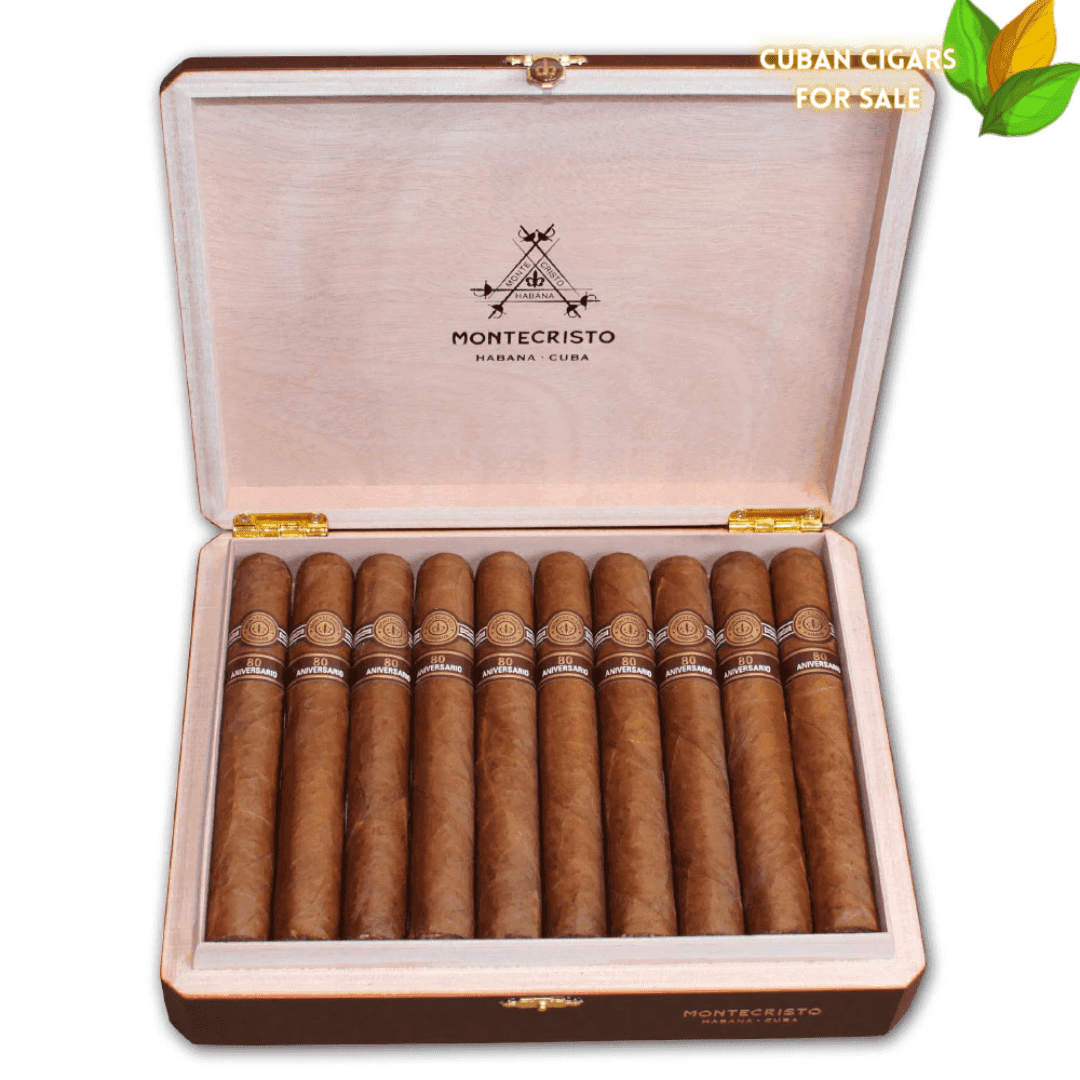
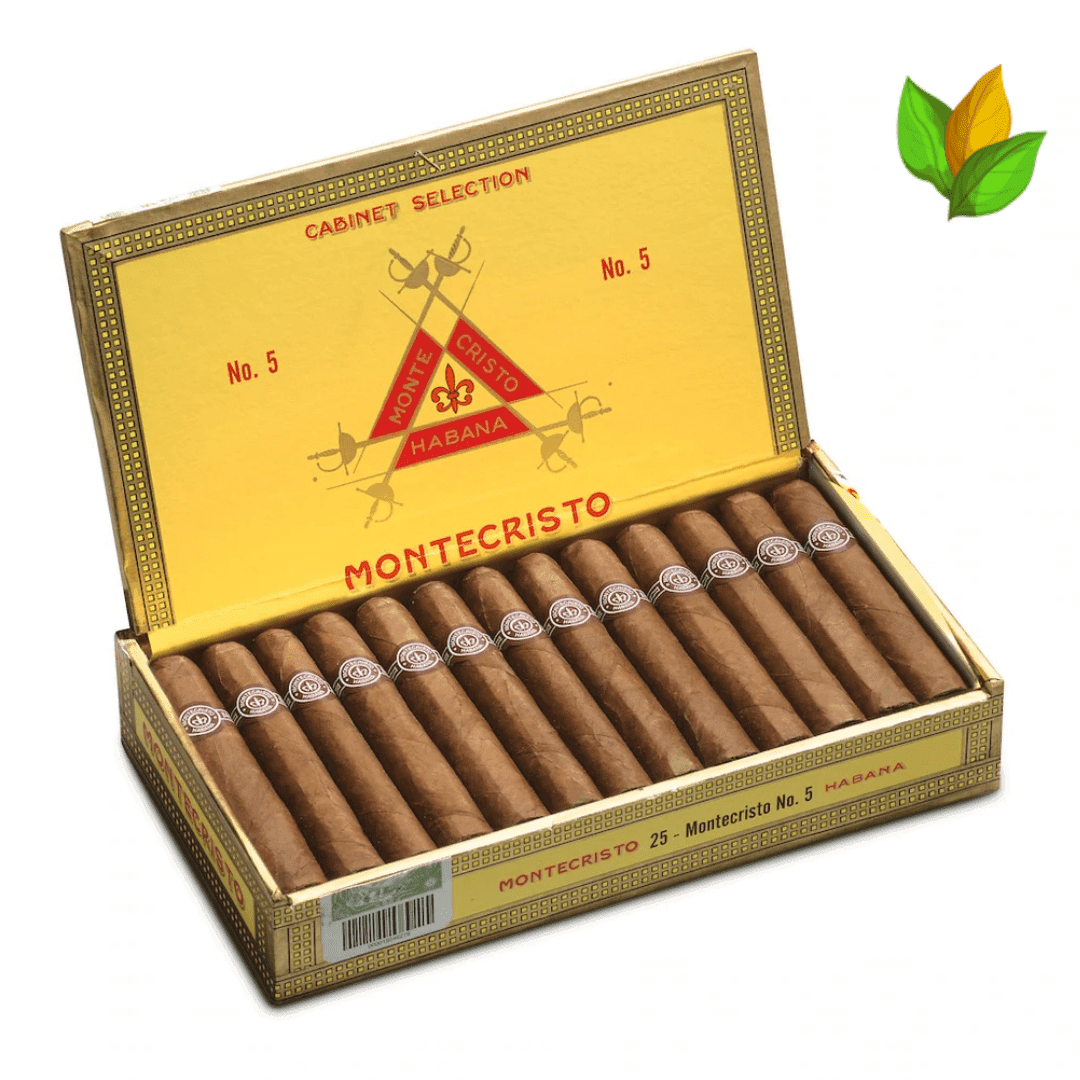
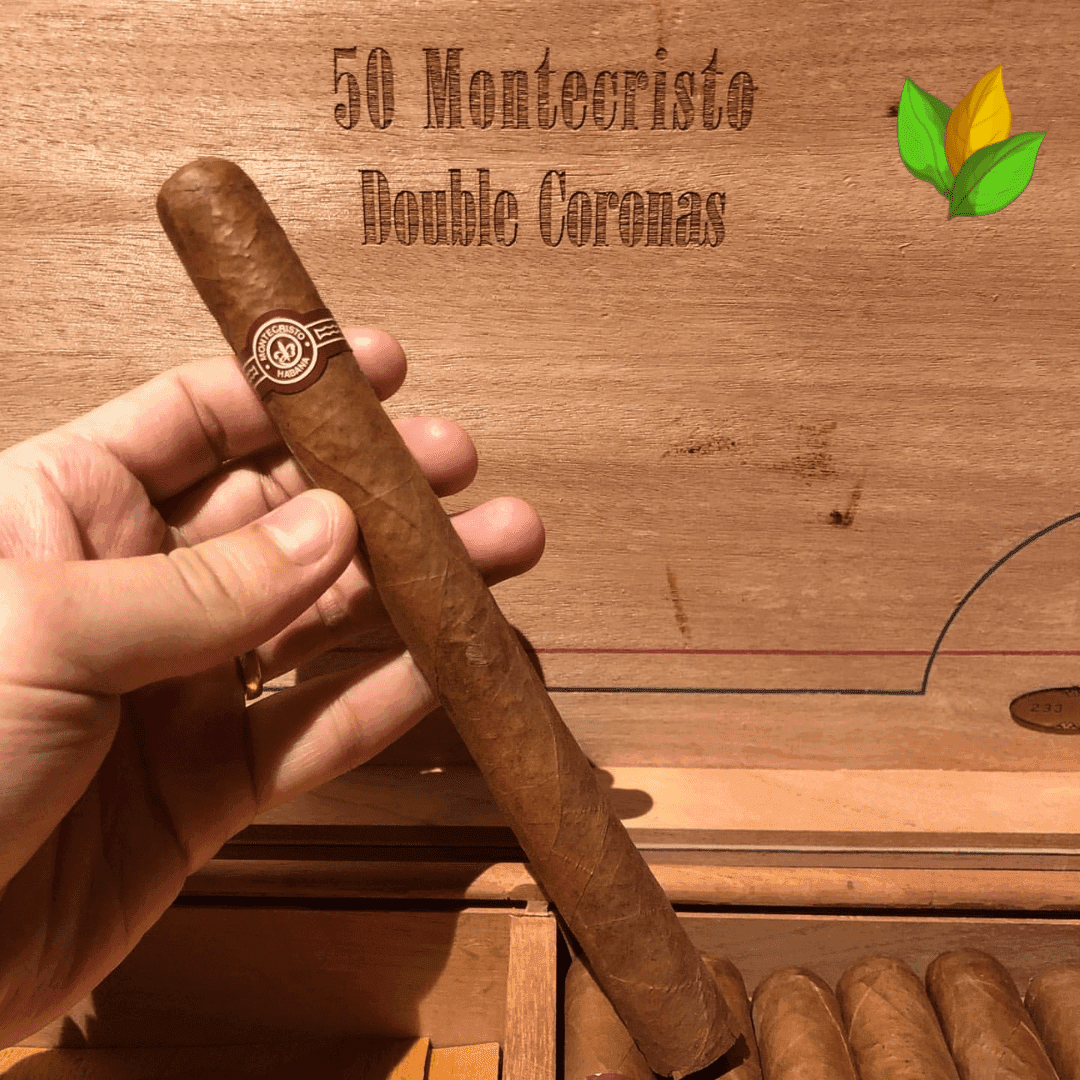
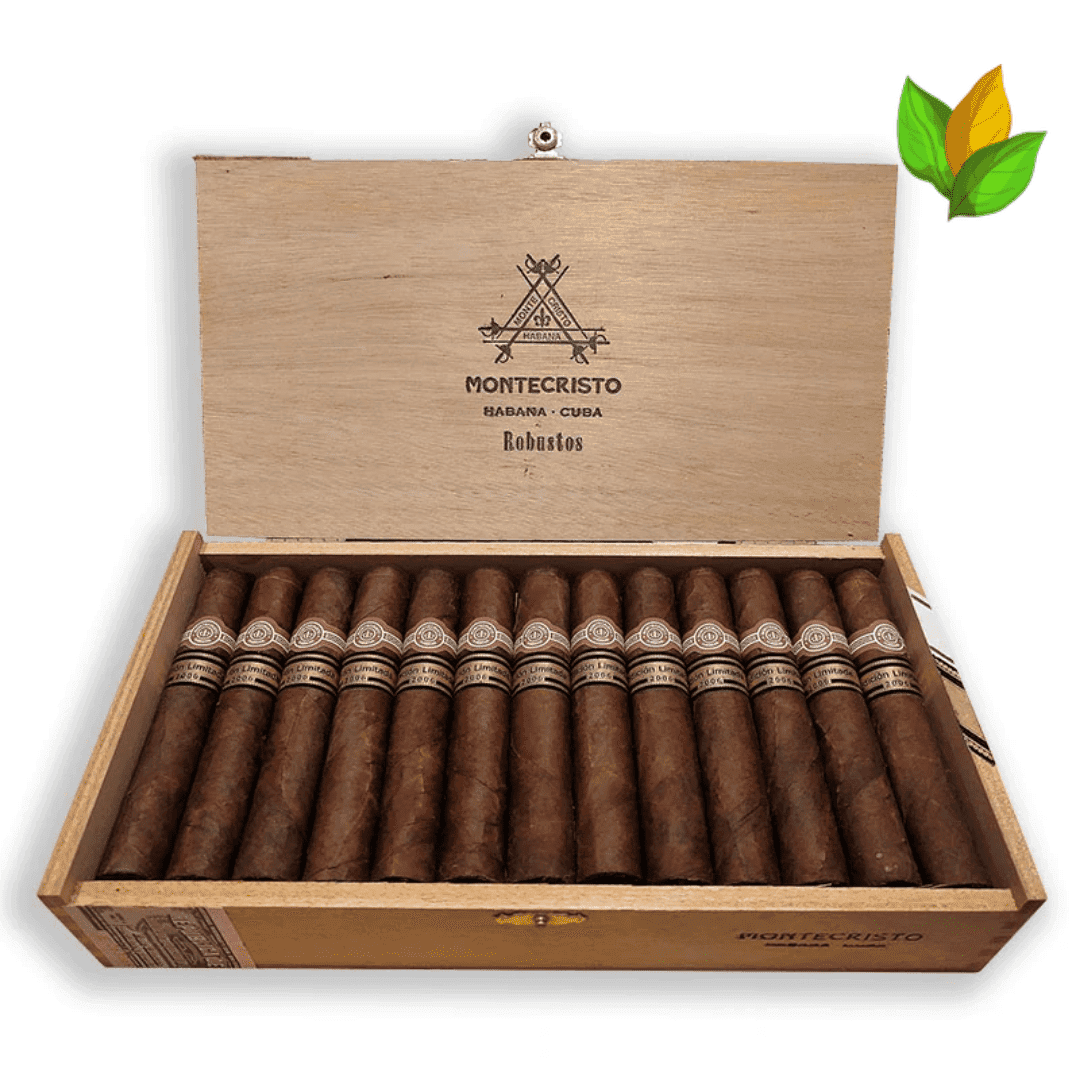
There are few names in the world of tobacco that evoke such immediate respect and desire as Montecristo. Synonymous with luxury, consistency, and rich flavor, this brand has stood the test of time to become the global benchmark for premium smoking. For the true connoisseur, understanding Puros Montecristo - the art of handcrafted Cuban cigars is not just about smoking; it is about appreciating a legacy that spans nearly a century. As the best-selling brand of habanos in the world, Montecristo represents the perfect marriage of tradition and accessibility, offering a smoking experience that is both complex for the palate and welcoming to the novice.
A Legacy Forged in 1935
The story of Montecristo begins in Havana, Cuba, in 1935. Founded by Alonso Menéndez and Pepe García, the brand was originally established under the name "H. Upmann Montecristo Selection." The name was inspired by Alexandre Dumas' famous novel, The Count of Monte Cristo, which was a popular choice among the cigar rollers (torcedores) of the time, often read aloud by a lecturer in the factory to entertain the workers.
From its inception, the brand focused on a distinct blend that would set it apart. By the 1940s and 50s, Montecristo had cemented its reputation, but the Cuban Revolution brought significant changes. The brand was nationalized, and the original owners fled, eventually establishing non-Cuban production elsewhere. However, the true soul of the brand remained in Havana. Today, Cuban cigars bearing the Montecristo name are produced by Habanos S.A., continuing the rigorous standards established in the pre-revolutionary era. The iconic yellow boxes and crossed swords logo remain a symbol of the brand's fighting spirit and unyielding quality.
The Mastery of Construction and Blend
What sets Montecristo apart from other habanos is the meticulous attention to the blend. The classic Montecristo flavor profile is characterized by a medium-to-full body with notes of wood, leather, coffee, and a signature grassy, herbal sweetness. This flavor is achieved through a rigorous selection of tobacco leaves from the Vuelta Abajo region, widely considered the premier tobacco-growing zone in the world.
The Role of the Torcedor
The creation of a Montecristo is an artisanal process that relies heavily on human skill. While modern machinery exists, premium Cuban cigars are still hand-rolled by master craftsmen known as torcedores. These artisans must select the perfect filler leaves, bind them with a binder leaf, and finally wrap the cigar in a flawless wrapper leaf. The wrapper is crucial, as it provides much of the aesthetic appeal and contributes significantly to the flavor profile. A Montecristo No. 4, for instance, owes its worldwide fame to this consistent construction and the beautiful, oily wrappers selected for the vitola.
Key Vitolas to Explore
Navigating the Montecristo portfolio can be a delightful journey. Here are three essential formats every collector should know:
- Montecristo No. 4: The world's best-selling Cuban cigar. This Mareva size (5 inches, 42 ring gauge) is the quintessential morning or afternoon smoke, offering classic Montecristo flavors in a manageable 30-45 minute session.
- Montecristo No. 2: Perhaps the most famous torpedo shape in existence. Its tapered head allows the smoker to control the draw and intensity of the flavor, making it a favorite for special occasions.
- Montecristo Edmundo: Named after Edmond Dantès, the protagonist of the novel, this robusto extra size offers a richer, fuller flavor profile, catering to modern palates that desire more intensity.
The Importance of Storage and Aging
Purchasing Cuban cigars is only the first step; preserving them is an art form in itself. Like fine wine, habanos are organic products that evolve over time. A fresh box of Montecristo cigars can sometimes be "green" or harsh immediately after purchase. Proper aging in a humidor allows the ammonia and impurities to dissipate, smoothing out the flavors and allowing the true complexity of the blend to shine.
Ideal storage conditions require a stable environment with 65% to 70% relative humidity and a temperature around 65°F to 70°F (18°C to 21°C). Storing your Montecristo Especial No. 2 or other vitolas in a quality humidor ensures that the wrapper remains supple and the burn remains even. Many aficionados practice "box aging," leaving the cigars in their original boxes for years to develop secondary notes of dried fruit, cedar, and spice that are impossible to find in a fresh roll.
Appreciation: A Ritual of the Senses
To truly understand Puros Montecristo - the art of handcrafted Cuban cigars, one must slow down. The ritual begins before the flame touches the foot. It starts with the visual inspection of the wrapper, the feel of the cigar in the hand (palpation), and the cold draw to taste the raw tobacco. When lighting a Montecristo, patience is key. One should toast the foot gently, rotating the cigar to ensure an even burn.
The smoking experience should never be rushed. Drawing too frequently will overheat the tobacco, releasing bitter tars. Instead, take a puff roughly once a minute. This allows the smoke to cool and the intricate flavor notes—spice, cream, earth, and wood—to dance across the palate. Whether you are celebrating a milestone or simply enjoying a quiet moment of reflection, a Montecristo serves as the perfect companion, grounding you in a centuries-old tradition of excellence.
Montecristo remains the gold standard for a reason. It is a brand that respects its history while continuing to deliver quality in the modern era. For those looking to begin or expand their collection, exploring the range of Montecristo habanos is an essential chapter in the life of any cigar lover.