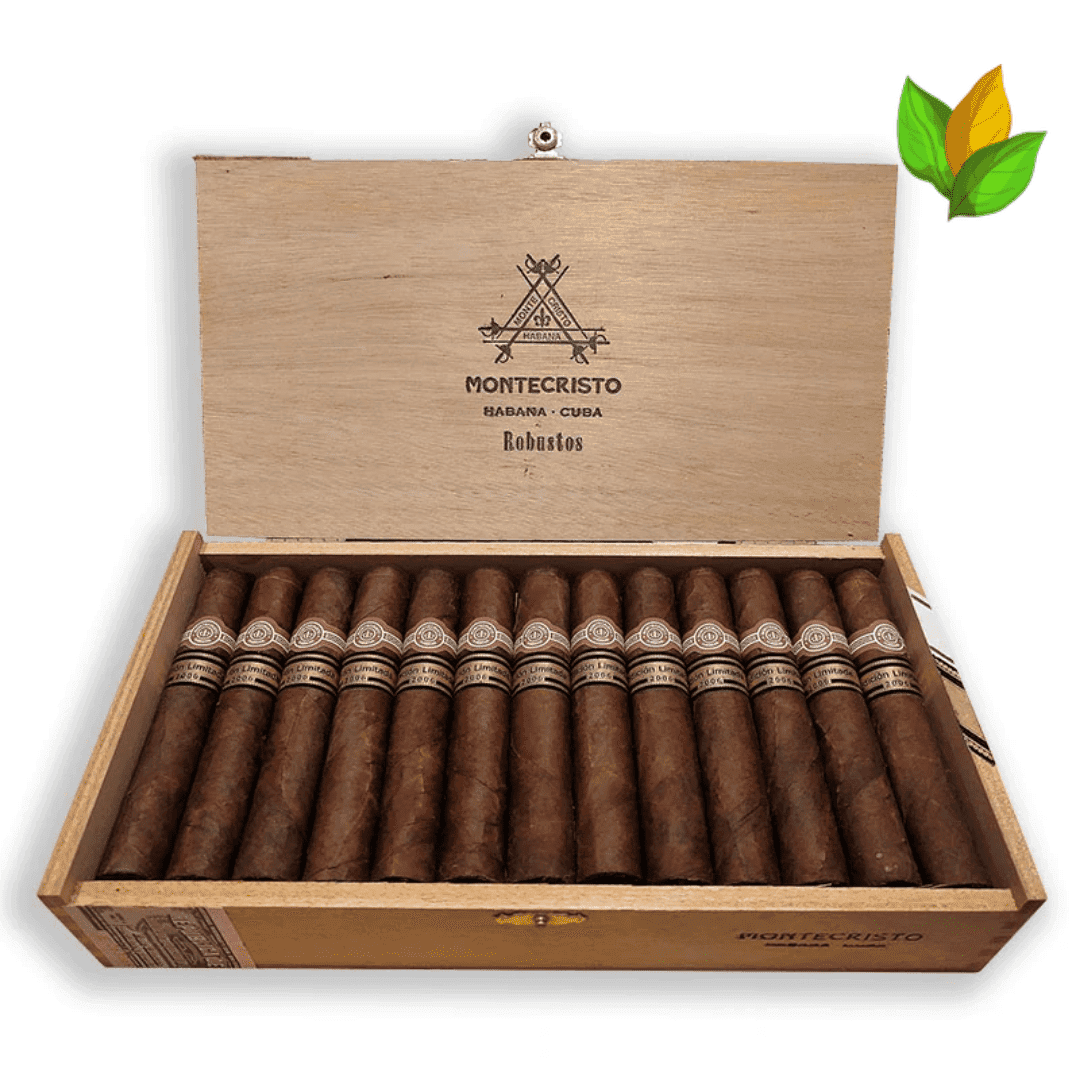
For the serious connoisseur of Cuban tobacco, few events are as significant as the release of a limited edition humidor from Habanos S.A. The 2004 Montecristo Humidor remains a high-water mark in the brand's storied history, representing a convergence of heritage, rarity, and distinct smoking pleasures. Released in a strictly limited run, this collection captured the imagination of collectors worldwide, not only for the quality of the tobacco within but for the unique pairing of formats offered. It stands today as a testament to why Montecristo remains the most popular and prestigious marque to emerge from the island.


A Strictly Limited Presentation
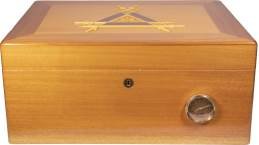
The scarcity of this release is one of its primary draws for collectors. A mere 700 numbered units were manufactured for global distribution, making the acquisition of this cabinet a significant achievement. The exterior presentation is understated yet refined, designed to protect the treasures inside while signaling the premium nature of the contents. Each unit is individually numbered, ensuring that every owner possesses a unique piece of Cuban cigar history. The capacity of the humidor is substantial, designed to house a total of 100 cigars, split evenly between two very different smoking experiences.
The Classic Gran Corona Experience
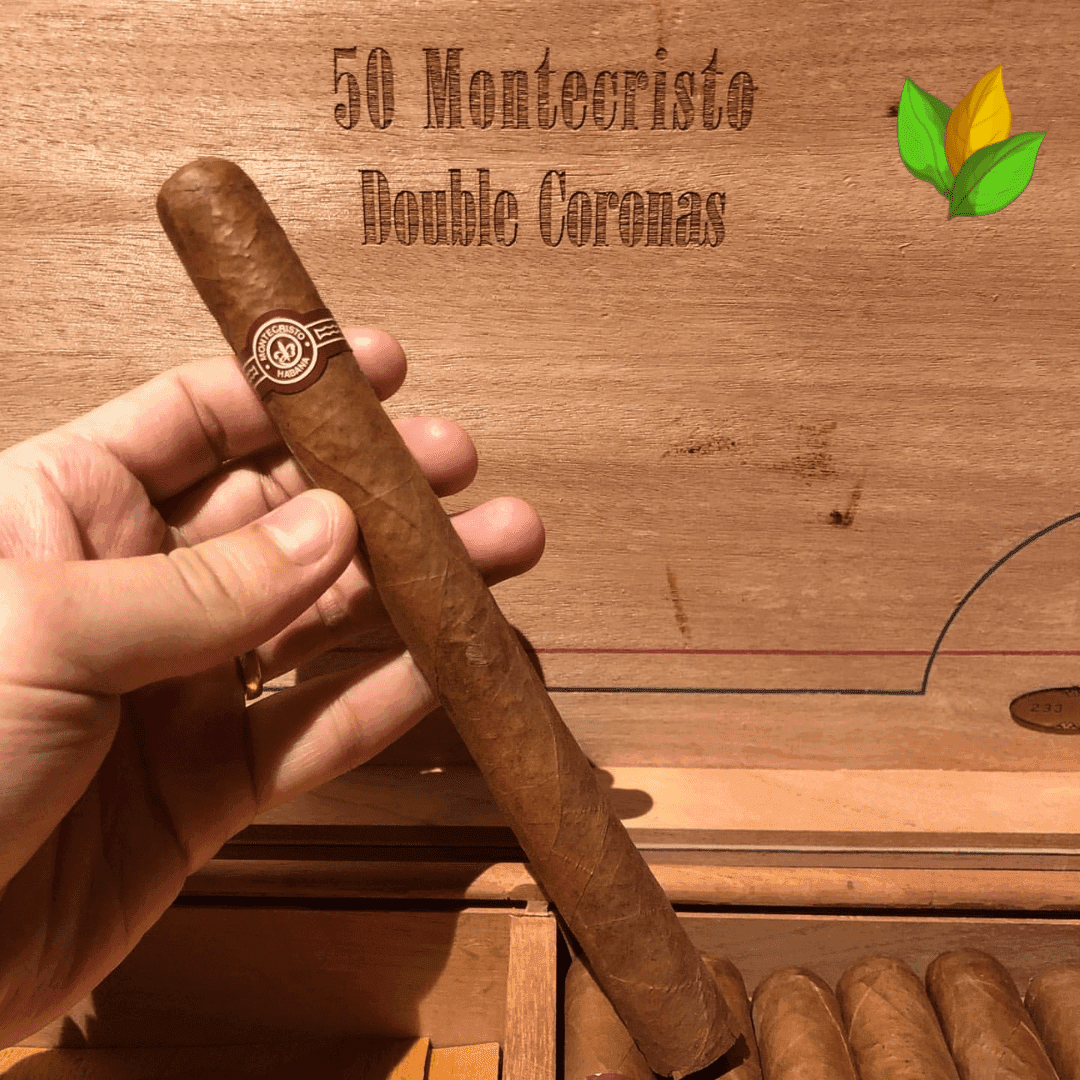
Half of the humidor’s inventory is dedicated to the Montecristo A, a size that needs no introduction to fans of the brand. This cigar holds the distinction of being a regular production item, yet its inclusion here elevates it to a new level of collectibility. Known by its factory nomenclature as the Gran Corona, this vitola is a giant, measuring a staggering 235mm (9 ¼ inches) in length with a ring gauge of 47.
Smoking a Montecristo A is a commitment of time and patience. Weighing in at 18.79 grams, the cigar offers a lengthy duration of flavor evolution. It serves as a benchmark for the brand's classic profile—woody, slightly nutty, and balanced with a signature sweetness. In this humidor, the "A" is presented in a count of 50, allowing aficionados to revisit the standard production size in a potentially superior finish and presentation.
The Exclusive Salomones II
While the Gran Corona represents tradition, the second format in the collection offers exclusivity. The Salomones II is a special release shape that was created specifically for this 2004 edition. Also comprising 50 cigars in the set, this figurado is a visual delight. It measures 174mm (6 ⅞ inches) in length but boasts a heftier ring gauge of 57, tapering at both the head and foot.
This shape, known in the factory as the Salomon No.2, allows for a complex smoking dynamic. The tapered foot can be lit to provide a concentrated burst of flavor before the smoke opens up through the wider mid-section. Weighing approximately 16.14 grams, these cigars are entirely handmade by Cuba’s most skilled torcedores. The figurado shape requires a master's touch to roll correctly, ensuring a perfect draw and burn throughout the varied girth of the cigar.
Construction and Collector Details
Every cigar found within this limited cabinet is finished with the standard Montecristo "Band B," maintaining visual continuity with the brand's iconic yellow and black livery. The construction is entirely handmade, a necessity for the complex shapes housed within. The contrast between the long, slender Gran Corona and the bulbous, shapely Salomon creates a diverse portfolio of smoking experiences in a single box.
Key Specifications of the Release:
- Release Year: 2004
- Total Humidors Produced: 700 (Numbered)
- Total Cigars: 100 (50 of each vitola)
- Vitola 1: Montecristo A (Gran Corona) — 235mm x 47 RG
- Vitola 2: Salomones II (Salomon No.2) — 174mm x 57 RG
For those tracking the lineage of Montecristo special releases, this humidor serves as a spiritual successor to other greats, such as the Millennium Humidor which featured the A size, and a precursor to later celebratory releases like the Compay 95 Aniversario which featured the Salomones II. This 2004 collection remains a definitive acquisition for those seeking to explore the breadth of Montecristo’s blending capabilities across two distinct and celebrated formats.