Among the treasured artifacts of Cuban cigar heritage lies a modest yet significant smoke that once graced the humidors of countless enthusiasts: the Punch Souvenir de Luxe (2). This unassuming petit corona represented decades of consistent craftsmanship and served as an accessible gateway to the celebrated Punch character long before modern boutique cigar movements took hold. Though production ceased decades ago, surviving specimens continue to captivate those who appreciate the evolution of Cuba's most iconic tobacco traditions.

Origins and Production Timeline
The Souvenir de Luxe (2) emerged onto the Cuban cigar scene prior to 1960, securing its place as one of the most enduringvitolas in the Punch catalog. This particular offering remained a fixture within the brand's regular lineup for approximately thirty years, providing smokers with a dependable option that delivered the house's signature flavor profile without requiring the investment demanded by handcrafted premium selections. The machine-construction method employed in its creation enabled Punch to maintain affordability while preserving the distinctive taste that defined the marque.
As the 1980s arrived, this chapter of Punch history drew to a close. The discontinuation marked a significant transition for the brand, signaling the end of an era when mass-produced Cuban cigars served as everyday pleasures for tobacco enthusiasts across the globe. The Souvenir de Luxe (2) thus became a relic of its time, representing a period when convenience and quality coexisted within the Cuban cigar industry.
Physical Characteristics and Construction
Measured at 129 millimeters with a 42 ring gauge, this petit corona size positioned itself squarely within the classic Cuban vitola tradition. The official weight of 8.46 grams established a comfortable smoking duration ideal for those seeking a moderate experience without the commitment demanded by larger formats. The factory designation of Petit Coronas aligned with standardized nomenclature used throughout Havana's prestigious cigar factories, allowing collectors and aficionados to categorize and compare specimens with precision.
The machine-made construction technique utilized during production represented technological advancement within Cuba's tobacco industry. While hand-rolled cigars commanded premium attention, mechanically produced offerings like the Souvenir de Luxe (2) served essential market demands for consistency, availability, and affordability. This approach ensured that each cigar met uniform specifications, eliminating the subtle variations inherent in handcrafted alternatives.
Packaging Innovations
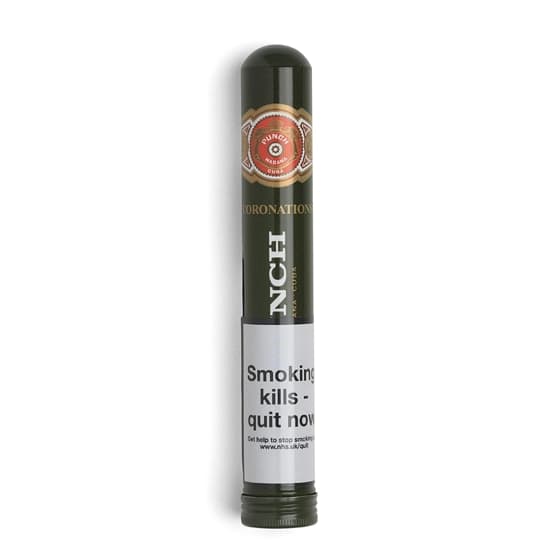
Distinguishing itself through practical design, the Souvenir de Luxe (2) arrived in aluminum packaging that protected the contents while facilitating transport. Five cigars comprised each unit, individually encased in cellophane before being secured within the metal container. This presentation strategy addressed the needs of travelers and casual smokers who valued convenience alongside tradition.
The signature Punch band adorned each specimen, featuring the classic "A" designation that connected these modest cigars to their more prestigious siblings within the brand hierarchy. This branding element ensured visual continuity across the Punch range, reinforcing brand identity even within budget-conscious offerings.
Collectibility and Historical Significance
For collectors pursuing vintage Cuban cigars, the Punch Souvenir de Luxe (2) occupies a unique niche. Its pre-revolution development timeline and multi-decade production run contribute to its historical relevance within the broader narrative of Havana's tobacco heritage. The distinctive aluminum packaging distinguishes surviving examples from contemporaries, adding visual appeal to archival collections.
While current production remains nonexistent, this vitola persists as a conversation piece among those who recall its availability or specialize in documenting Cuba's cigar legacy. The combination of discontinued status, accessible price point during its market presence, and mechanical construction creates a compelling study in how Cuban cigar manufacturers balanced tradition with modern manufacturing realities.