In the constantly shifting landscape of Cuban tobacco, certain vitolas fade into obscurity while others leave a lasting mark on the collective memory of aficionados. The Punch Exquisitos stands as a prime example of the latter—a cigar that, despite being absent from shelves for decades, remains a point of fascination for collectors and historians. Unlike the handmade behemoths that often dominate modern humidors, this specific release was a product of industrial precision, offering a distinct experience that defined an era of Cuban cigar production before its eventual departure from the market in 2002.


A Four-Decade Journey in Cuban Tobacco
The story of the Exquisitos is one of remarkable longevity and consistency. Its roots stretch back to a time before the Cuban Revolution, with records indicating its presence in the market well before 1960. This pre-embargo origin suggests that the cigar was designed to cater to a different generation of smokers, one that perhaps prioritized brevity and reliability over the complex, large-format smokes popular today. For over forty years, this vitola remained a staple in the Punch catalog, surviving drastic changes in the industry and shifts in global consumption habits.
However, all good things must come to an end. The dawn of the new millennium signaled a shift in strategy for Habanos S.A., the governing body of Cuban cigar exports. In 2002, the decision was made to officially retire the Exquisitos from regular production. This move marked the conclusion of a significant chapter for the brand, removing a reliable workhorse from the lineup and leaving a void for those who favored smaller, machine-rolled formats. The discontinuation was not a reflection of poor quality, but rather a sign of the times as the market began to favor fully handcrafted cigars.
The Architecture of a Machine-Made Classic
What set the Punch Exquisitos apart from its more illustrious handmade siblings was its method of construction. As a machine-made cigar, it bypassed the hands of a torcedore in favor of automated manufacturing. This distinction is crucial for understanding its historical role; it provided a uniform smoking experience that was free from the variances often found in hand-rolled tobacco. By utilizing technology, the brand ensured that every single unit met a specific standard of draw and burn, making it an approachable option for daily consumption.
The technical specifications of the Exquisitos defined its character. Known internally by the factory name Petit Cetros, it measured a respectable 129 mm (approximately 5⅛ inches) in length with a ring gauge of 40. In an era where ring gauges have crept steadily upward, the slender profile of this cigar hearkens back to a classic aesthetic. It was a thin, elegant stick, weighing in at a mere 7.75 grams, designed for a shorter, perhaps more contemplative session.

Visual Identity and Packaging
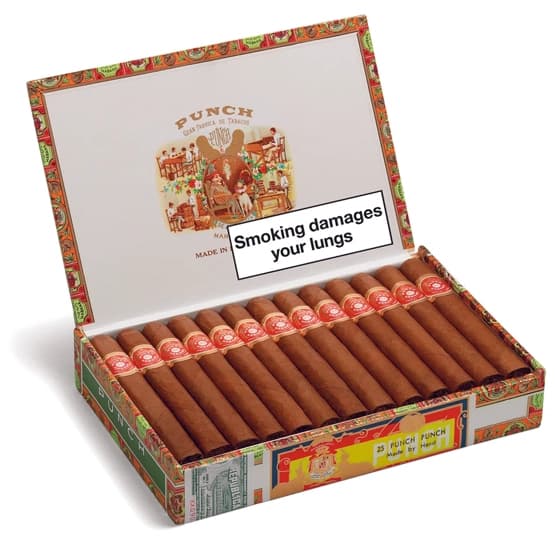
Aesthetically, the Exquisitos adhered to the visual language of its parent brand. It sported the standard "Band A" design, ensuring immediate recognition on the shelf. The presentation was practical yet traditional. Smokers could purchase these in dress boxes containing either 10 or 25 units. Crucially, each individual cigar was encased in cellophane. This wrapping choice was not merely decorative; it served a vital function in preservation, protecting the delicate wrappers from damage during transport and helping to maintain the optimal humidity levels required for Cuban tobacco.
The Role of Accessibility in the Punch Portfolio
The Punch brand has long been celebrated for its medium-bodied strength and distinct woody, earthy notes. While the brand is often associated with premium hand-rolled cigars, the Exquisitos served as the gateway to that flavor profile for countless enthusiasts. By offering a machine-made alternative, Punch democratized the experience. It allowed smokers to engage with the brand's heritage without committing to the higher price point associated with handcrafted vitolas.
- Consistency: The machine-rolling process eliminated the risk of a tight draw or loose fill, issues that can plague handmade cigars.
- Affordability: Lower production costs allowed for a more accessible price point, making it a true "everyday" cigar.
- Portability: The cellophane wrapping and compact size made it an ideal companion for the smoker on the go.
The Enduring Legacy of a Departed Vitola
Though production ceased over two decades ago, the Exquisitos maintains a quiet dignity in the annals of cigar history. It serves as a reminder of a time when Cuban cigar offerings were more varied in their construction methods. Today, finding a box of these cigars is a rarity, a treasure hunt for the vintage enthusiast. While modern smokers have a plethora of other Punch vitolas to choose from, the Exquisitos represents a specific, bygone era of Cuban craftsmanship—a time when efficiency and tradition met in a slender, machine-rolled format that served the brand faithfully for nearly half a century. Its retirement in 2002 closed the book on the Petit Cetros format for the brand, but its legacy endures through the memories of those who enjoyed its consistent, accessible smoke.