For the serious aficionado, a Cuban cigar is more than a mere luxury; it is a tangible piece of history. Among the most storied names in the Habanos portfolio, Punch stands out not only for its robust flavor profile but for the intricate evolution of its branding. To the untrained eye, a cigar band is simply a label, but to the collector, it is a fingerprint. The specific design, texture, and finish of a Punch band can reveal the precise era of production, offering a safeguard against counterfeits and a roadmap to the cigar's provenance. Understanding the nuances of these paper rings is essential for anyone looking to curate a serious collection of vintage Cubans.
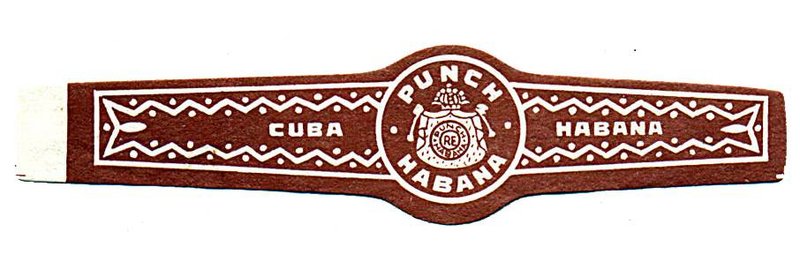
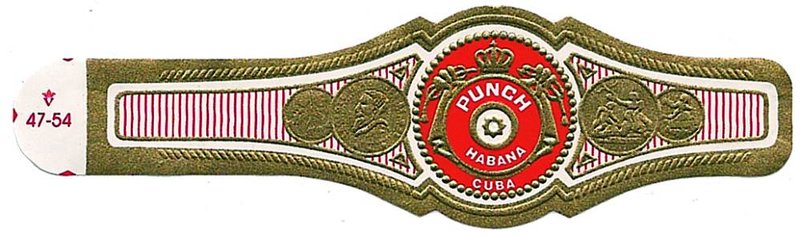
The Vintage Era: Discontinued Standard Designs
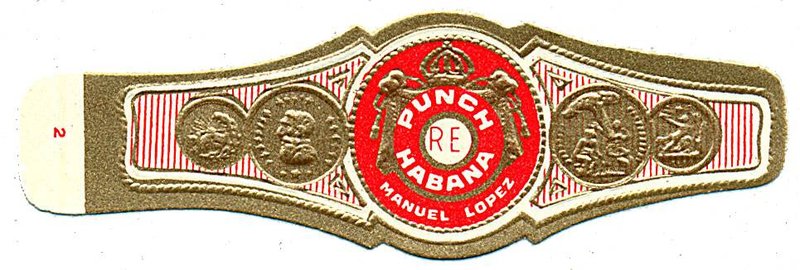
The history of Punch bands is largely defined by a significant transition point that occurred roughly a decade into the 21st century. Prior to this shift, the brand utilized two distinct primary designs that are now highly sought after by collectors. These earlier bands serve as the key identifiers for "pre-2009" stock, a period that encompasses the vast majority of the brand's most coveted vintage releases.
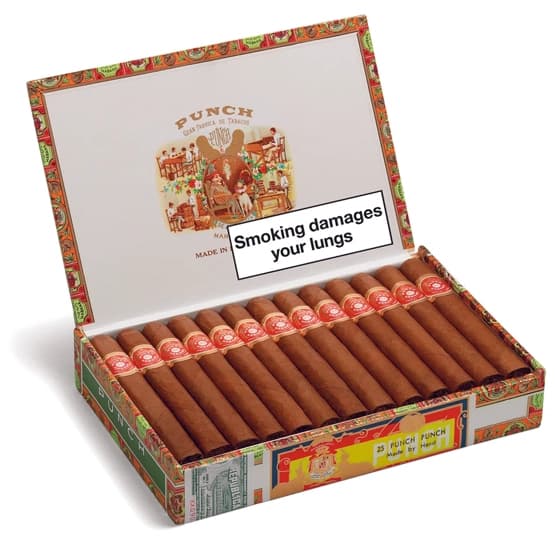
The first of these is known among purists as Standard Band A. This design reigned supreme for decades, serving as the primary identifier for the brand's standard production from the mid-20th century up until approximately 2009. For collectors, the defining feature of this band is its texture. It was produced with an embossed finish, giving the paper a tactile, raised relief that catches the light and suggests a sense of old-world craftsmanship. Because this design is no longer in production, finding a Punch cigar adorned with Standard Band A is an immediate indicator of age, marking the cigar as a relic from a bygone era of Cuban manufacturing.
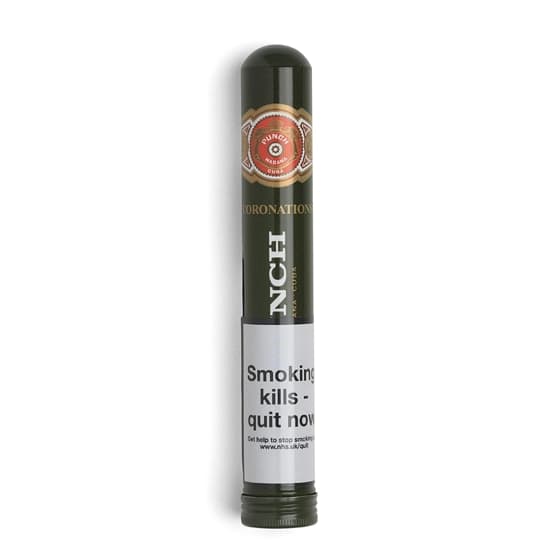
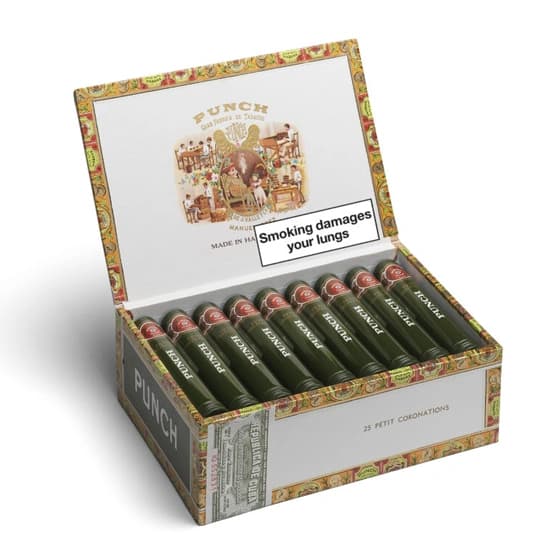
However, collectors must be careful not to confuse the standard release with its Tubos counterpart. During the same pre-2009 timeframe, Punch utilized a different design, designated Standard Band B, specifically for cigars sold in metal tubes. While the artwork remained similar, the texture told a different story. Unlike the embossed Standard Band A, the Band B design was notably smooth and flat. This lack of embossing is a critical detail; a vintage Punch Tubos should never possess a raised texture on its band. Both Standard Band A and B are now discontinued, making them reliable markers for identifying older inventory.
The Modern Transition: Standard Band C
Around the year 2009, Punch underwent a visual rebranding that standardized the look of their cigars for the modern market. This shift introduced Standard Band C, which has since become the face of the brand. The most significant change for collectors to note is the return to texture; Standard Band C utilizes embossing, effectively bringing the tactile feel of the standard line in line with the brand's premium heritage.
This current design is now ubiquitous across the Punch portfolio, adorning both standard format cigars and the Tubos line. The transition means that modern Tubos releases now feature the embossed band, a distinct departure from the smooth finish of their predecessors. Furthermore, Standard Band C has a slightly more complex timeline than the standard releases. While it became the norm for regular production around 2009, it actually entered circulation slightly earlier for specific programs. The brand began using this embossed design for their Regional Editions starting in 2006. Therefore, discovering an embossed band on a Punch cigar could place its origin anywhere from 2006 to the present, depending on whether it is a Regional Edition or a standard release.
Distinctive Markers for Limited Releases
Beyond the standard classifications, Punch has a rich history of producing unique bands for special edition vitolas. These limited runs often feature bespoke artwork that distinguishes them from the core lineup, making them the crown jewels of many collections. These designs were created to honor specific sizes or commemorate significant milestones, and they often deviate from the A, B, and C naming conventions entirely.
Two prominent examples of this practice are the bands created for the Punch Diadema Extra and the Punch 48. The Diadema Extra, a prestigious vitola, was granted its own dedicated band design, elevating its status as a unique format. Similarly, the Punch 48, a special release, features a distinct band created solely for that specific cigar. For the collector, these special bands are immediate visual cues that the cigar is not a standard production item, but rather a limited release with potentially higher collectible value.
A Collector's Checklist for Authentication
When examining a potential acquisition, the band provides the first line of defense against fraud. By cross-referencing the band style with the supposed production year, a collector can quickly spot inconsistencies. Use the following guide to verify the timeline of a Punch cigar:
- Pre-1960s to c. 2009 (Standard Release): Should feature Standard Band A. The texture must be embossed. If the band is smooth, it is not a standard release from this era.
- Pre-1960s to c. 2009 (Tubos): Should feature Standard Band B. The texture must be smooth and non-embossed. An embossed band on a vintage Tubos is a red flag.
- 2006 Onward (Regional Editions): These should utilize the embossed Standard Band C.
- c. 2009 Onward (Standard & Tubos): All current production, including Tubos, should feature the embossed Standard Band C.