Cigars & vitolas
How to Properly Put Out a Cigar for Later
By CCFS Editorial TeamCuban Cigars For Sale Editorial · 5 min read
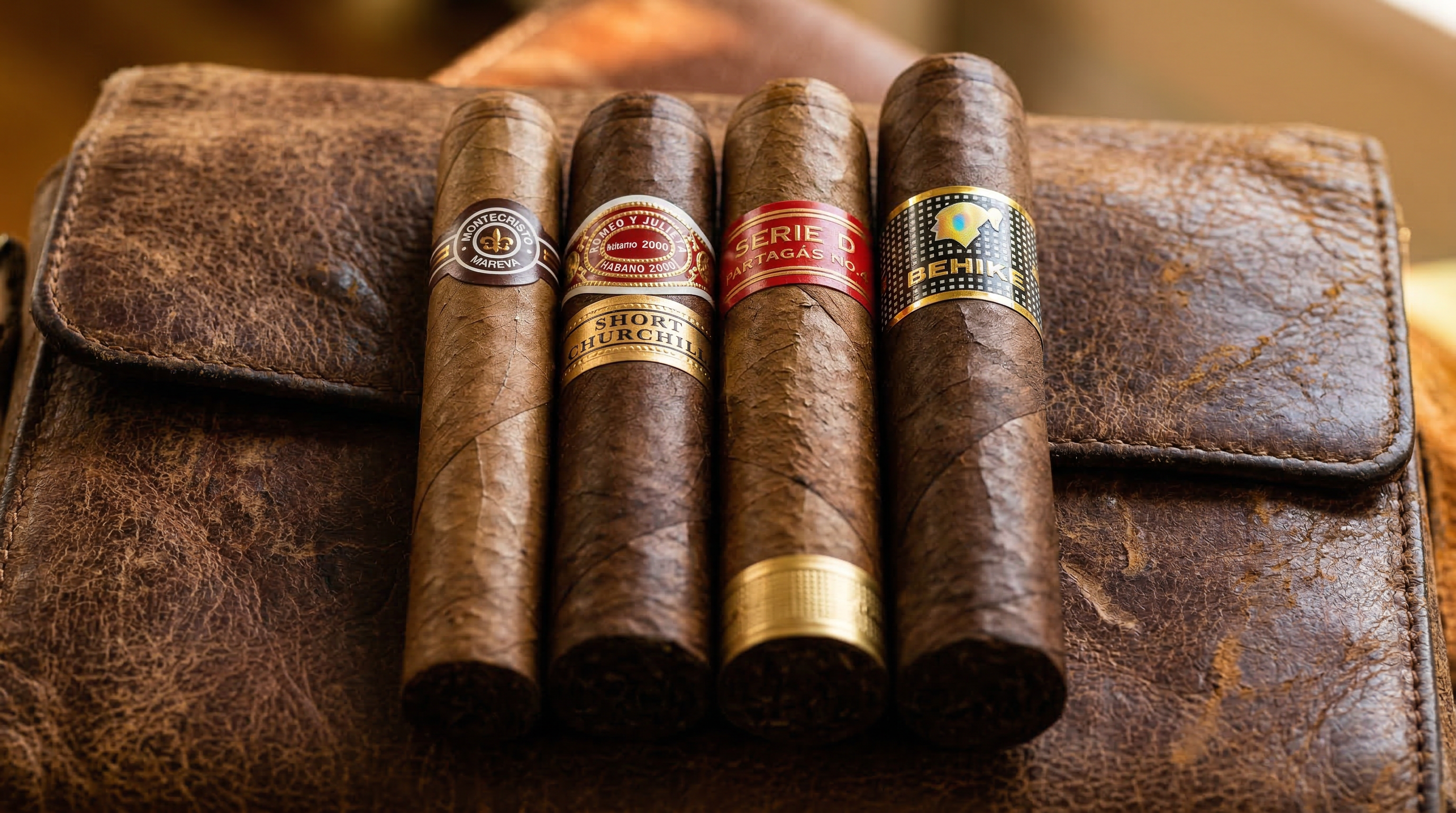
Every cigar enthusiast has been there: you're savoring a beautifully crafted Cuban cigar, perhaps a Montecristo or Cohiba, and life interrupts. A phone call, an unexpected errand, or simply the need to pace yourself means setting aside that precious smoke before finishing. What separates a seasoned aficionado from a novice is knowing exactly how to properly put out a cigar for later without destroying the complex flavors you've been enjoying. This skill is essential for anyone who wants to get the most from their premium Habanos.
When you extinguish a cigar incorrectly, you're not just pausing your smoke—you're potentially ruining hundreds of dollars worth of tobacco. The bitter, acrid taste that comes from relighting a poorly extinguished cigar can ruin your entire experience. Cuban cigars, with their intricate aging processes and carefully cultivated tobacco leaves, deserve better treatment. Let's explore the proper techniques that will allow you to return to your cigar later without any loss in quality.
Understanding Why Proper Extinguishing Matters
The tobacco in premium Cuban cigars undergoes an extensive fermentation and aging process that creates their signature complexity. When you light a cigar, the combustion releases thousands of aromatic compounds that develop over years of aging. Extinguishing a cigar improperly disrupts this delicate balance in several ways. First, crushing or smothering a lit cigar forces incomplete combustion, creating bitter tar deposits that remain in the tobacco. When you relight the cigar later, these compounds mix with the remaining unburnt tobacco, producing an unpleasant bitter taste that can dominate the subtle flavors you'd otherwise enjoy. Second, the heat from improper extinguishing can damage the wrapper leaf, which is essential for maintaining proper airflow and protecting the filler tobacco. For authentic Habanos, which are crafted using traditional methods passed down through generations, preserving the integrity of each component—the wrapper, binder, and filler—matters enormously. A properly extinguished Cuban cigar should retain its construction integrity, its aromatic profile, and its smooth draw when you return to it.Key Factors to Consider Before Extinguishing
Before you put out your cigar, take a moment to assess a few important factors that will influence your approach: **The Cigar's Temperature**: Never attempt to extinguish a cigar while it's still burning extremely hot. Allow it to cool for a minute or two after your last puff. A cigar that's too hot when extinguished will retain more bitter compounds and may damage the wrapper. **How Far Along You Are**: A cigar that's only halfway finished presents different considerations than one you've smoked down to the nub. The further along you are, the more critical it becomes to properly preserve what's left, as you've already invested time in getting it to burn evenly. **Storage Preparation**: Have your chosen storage method ready before you extinguish the cigar. Whether you plan to use a dedicated cigar case, a humidor section, or simply set it aside temporarily, being prepared ensures minimal handling after extinguishing. **The Cigar's Construction**: Premium Cuban cigars typically feature hand-rolled construction with long filler tobaccos. This construction is more resilient than machine-made cigars, but it still requires careful handling. Understanding this helps you appreciate why proper technique matters so much for authentic Habanos.Step-by-Step Guide: How to Properly Put Out a Cigar for Later
Now let's cover the actual methods for properly putting out a cigar for later enjoyment: **Method One: Natural Extinguishment** The simplest and often best approach is to simply set the cigar down in a clean ashtray and let it go out on its own. Place the cigar carefully on the ashtray's edge or in a dedicated resting spot, ensuring it won't roll or fall. Walk away and allow the cigar to extinguish naturally through lack of puffing. This method preserves the tobacco's integrity because there's no mechanical intervention—just a gradual cooling that mimics how cigars cool after you've finished smoking them. **Method Two: The Gentle Rest** After allowing the cigar to cool naturally for about 30 seconds to a minute, you can gently set it down and leave it. The residual heat will continue to smolder briefly before dying out. This is the preferred method for many experienced smokers because it requires no special tools and involves minimal handling of the lit end. **Method Three: Using a Cigar Cutter for Partial Cigars** If you've smoked approximately half or more of your cigar and want to save the remaining portion, some aficionados recommend using a sharp cigar cutter to snip off the burning tip before it goes out completely. This method requires a quality cutter and steady hand. Make the cut cleanly and quickly, then store the remaining portion promptly in an appropriate container. **The Critical Step: Proper Storage Immediately After** Regardless of which extinguishing method you choose, the moment your cigar has gone out completely, it must be placed in proper storage. A humidor is ideal, but if you don't have immediate access to one, a sealed plastic bag with a damp Boveda pack or a dedicated cigar case will suffice for short periods. The key is protecting the extinguished cigar from drying out while you wait to relight it.Tips for Preserving Flavor and Aroma
To maximize the quality of your cigar when you return to it later, follow these expert recommendations: Allow the cigar to cool completely before handling. Touching a hot cigar can damage the wrapper leaf and affect how it burns when you relight it. Store the cigar in a humidor at 65-70% humidity if possible. This prevents the tobacco from drying out and becoming brittle. Avoid placing your extinguished cigar in direct sunlight or near heat sources, as this will accelerate any degradation of the remaining tobacco. When you're ready to relight, take your time. Allow the cigar to warm up gradually with a few draws before puffing normally. This helps ensure an even burn and better flavor. Consider that an extinguished and relit cigar may not taste exactly as it did before—it will have slightly different characteristics due to the interruption in the burning process. However, with proper technique, the difference should be minimal.Common Mistakes to Avoid
Never crush or stub out a cigar the way you might extinguish a cigarette. This action forces the tobacco together, creates bitter compounds, and damages the wrapper. Don't attempt to relight immediately after extinguishing. Allow at least a few minutes for the cigar to cool completely. Avoid using water or any liquid to extinguish a cigar—this will ruin the tobacco completely and render the cigar unsalvageable. Don't store an extinguished cigar for extended periods. While you can save a cigar for a few hours or even a day with proper storage, the quality will gradually decline over time. Mastering how to properly put out a cigar for later is a fundamental skill that separates casual smokers from true cigar aficionados. By treating your premium Cuban cigars with the respect they deserve, you ensure that every smoking session—whether completed in one sitting or spread across multiple occasions—delivers the exceptional experience that authentic Habanos are renowned for.Reader questions
Questions & answers
No questions yet. Ask the first one.