For the discerning aficionado, few events on the cigar calendar generate as much excitement as the annual unveiling of Habanos S.A.'s limited edition releases. Among these prestigious offerings, the Montecristo D, launched as part of the 2005 collection, stands out as a defining moment for the brand. It represented a significant expansion of the Montecristo portfolio, introducing a format that was previously absent from their standard lineup. Nearly two decades later, this specific vitola has transcended its status as a mere consumer product to become a highly sought-after artifact in the world of Cuban tobacco, celebrated for its distinct dimensions and the depth of flavor it offers to patient collectors.

The Unique Dalias Vitola
One of the most compelling aspects of the Montecristo D is its physical structure. It is crafted in the "Dalias" format, a size that carries the factory name distinct from the more common commercial names found in regular production lines. Measuring 170 mm (6¾ inches) in length with a ring gauge of 43, this cigar offers a smoking duration that sits comfortably between a standard corona and the longer, more slender panatelas. This length allows for a gradual cooling of the smoke, providing a nuanced evolution of flavor that is sometimes lost in shorter or thicker gauges.
- Dimensions: 170 mm in length with a 43 ring gauge.
- Format Name: Known internally as the Dalias.
- Weight: Officially recorded at 11.86 grams.
- Production: Entirely handmade by skilled rollers.
The elegance of this vitola lies in its balance; it is substantial enough to provide a cool burn, yet slender enough to concentrate the flavor profile, making it a masterpiece of Cuban engineering.
Extended Aging and Craftsmanship
The Edición Limitada program is renowned for its rigorous standards regarding tobacco selection, and the Montecristo D is a prime example of this philosophy. A critical differentiator for this release was the treatment of the wrapper leaf. Unlike standard production cigars, the leaves selected for this limited edition underwent a dedicated aging process of two years. This additional fermentation time allows the leaf to shed some of its harsher tannins, resulting in a wrapper that is darker, oilier, and remarkably smoother from the first draw.
Such a premium wrapper demands expert construction, and the factory responded with impeccable craftsmanship. Every cigar was hand-rolled by experienced torcedores, ensuring that the draw resistance and burn rate remained consistent throughout the lengthy smoke. The combination of aged leaf and precise rolling technique results in a complexity that is the hallmark of the limited edition series.
Presentation and Banding
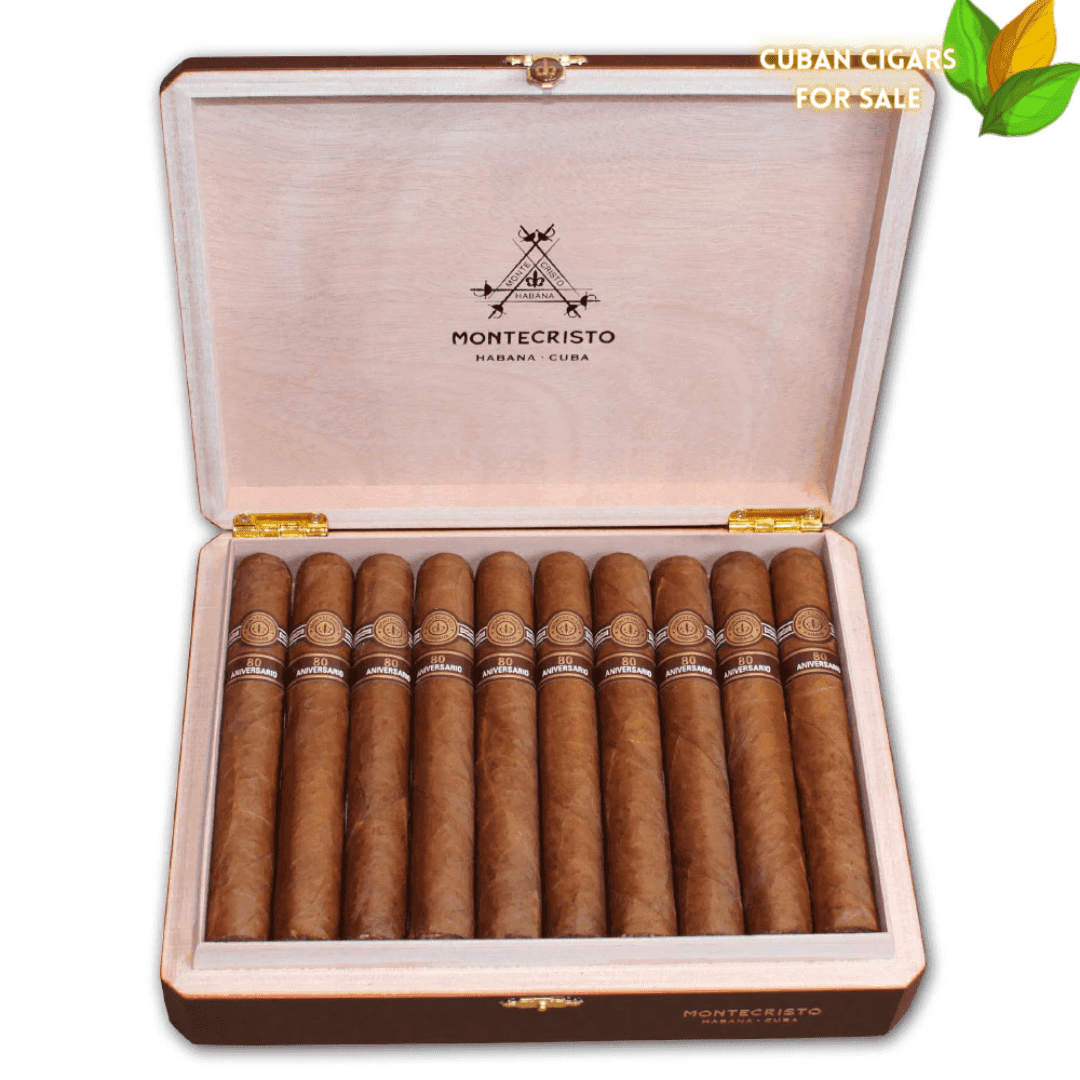
The visual presentation of the Montecristo D serves as an immediate indicator of its exclusivity. The cigars are housed in a classic varnished 8-9-8 style box, a format traditionally reserved for high-end Cuban cigars. This arrangement, where ten cigars are organized into three rows—eight on the bottom, nine in the middle, and eight on top—is not only aesthetically pleasing but also promotes proper air circulation, a crucial factor for long-term aging.
Furthermore, the band configuration sets this cigar apart from regular production lines. Smokers will note the presence of two distinct bands. The primary label is Montecristo's standard "Band B," but it is accompanied by a secondary band specifically designed for the Edición Limitada 2005 collection. This dual-banding system acts as a stamp of authenticity, confirming the cigar's status as part of that year's exclusive allocation.
Legacy and Modern Collectibility
Released officially on the first day of January 2005, the Montecristo D was designed to offer enthusiasts a blend and size that existed outside the norm of everyday smoking. The Edición Limitada initiative was created specifically to showcase unique sizes and specially aged tobaccos, and this release fulfilled that promise perfectly. However, the passage of time has transformed this cigar from a retail item into a rare collectible.
On the secondary market, boxes of the Montecristo D have become increasingly difficult to source. Those fortunate enough to have held onto their boxes since the release date have been rewarded with a smoking experience that has matured gracefully. The extended aging in the humidor has allowed the flavors to marry and mellow, offering a complexity that is virtually impossible to replicate in younger cigars. Today, it remains a highly prized possession for connoisseurs, representing a specific era of Cuban cigar excellence that is unlikely to be repeated.