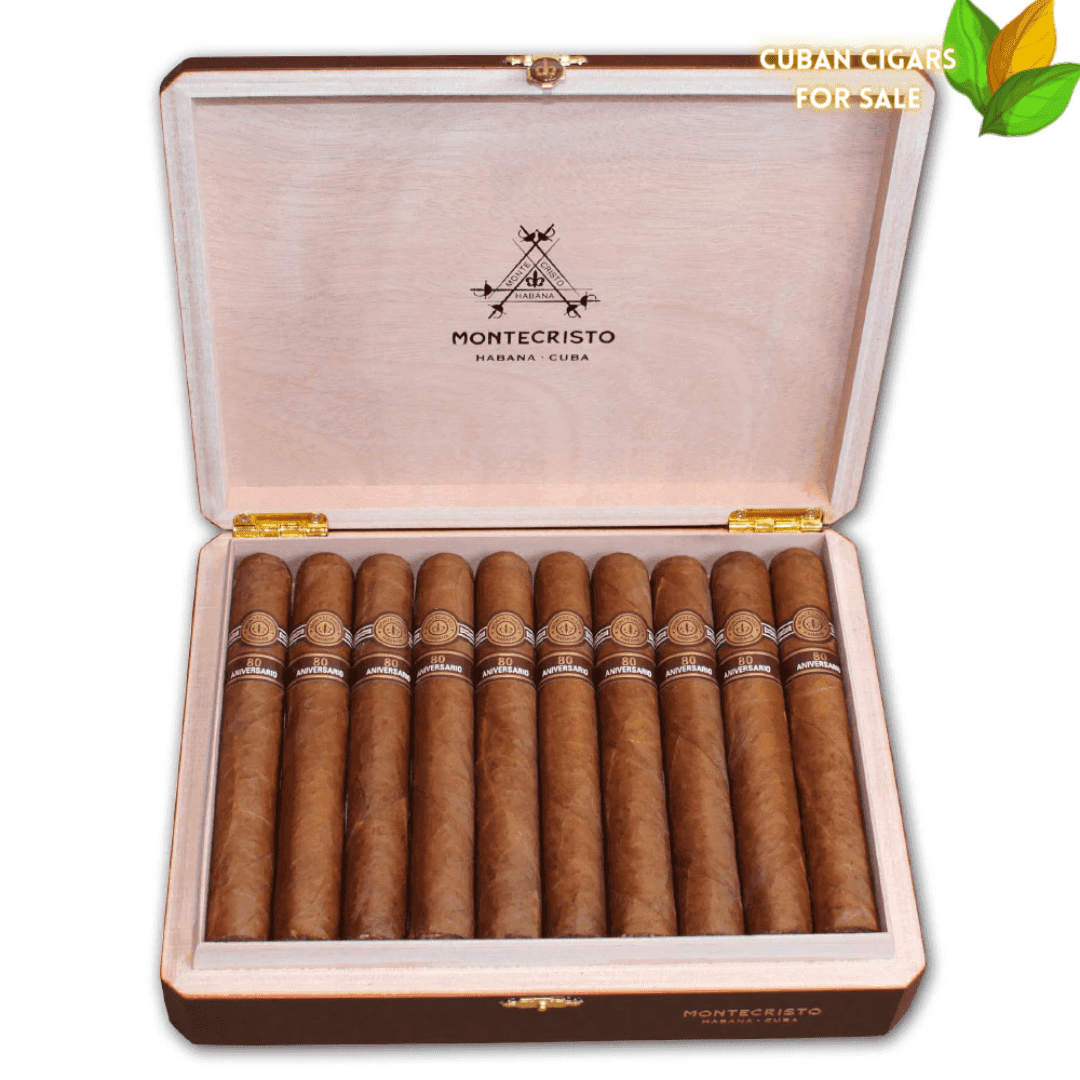
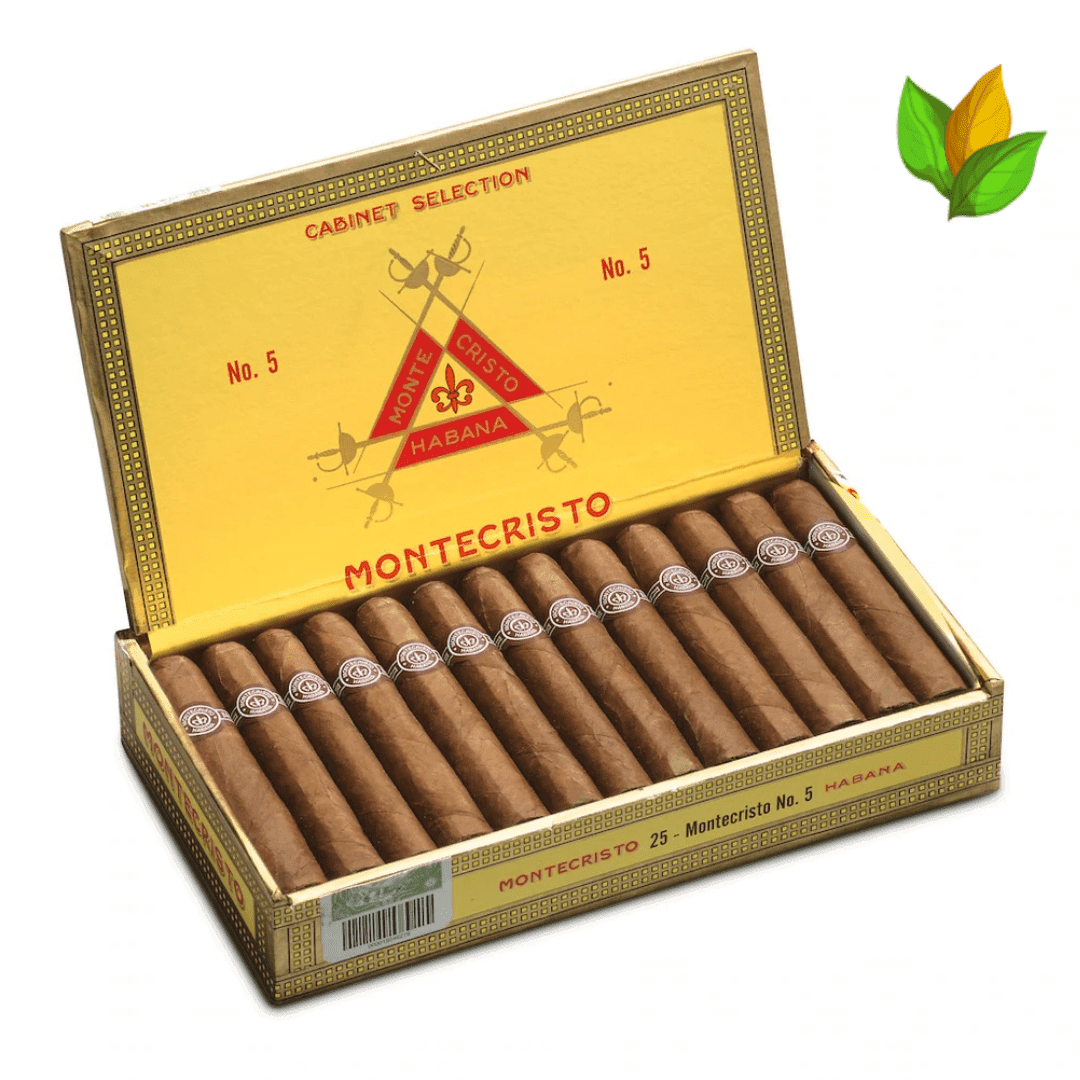
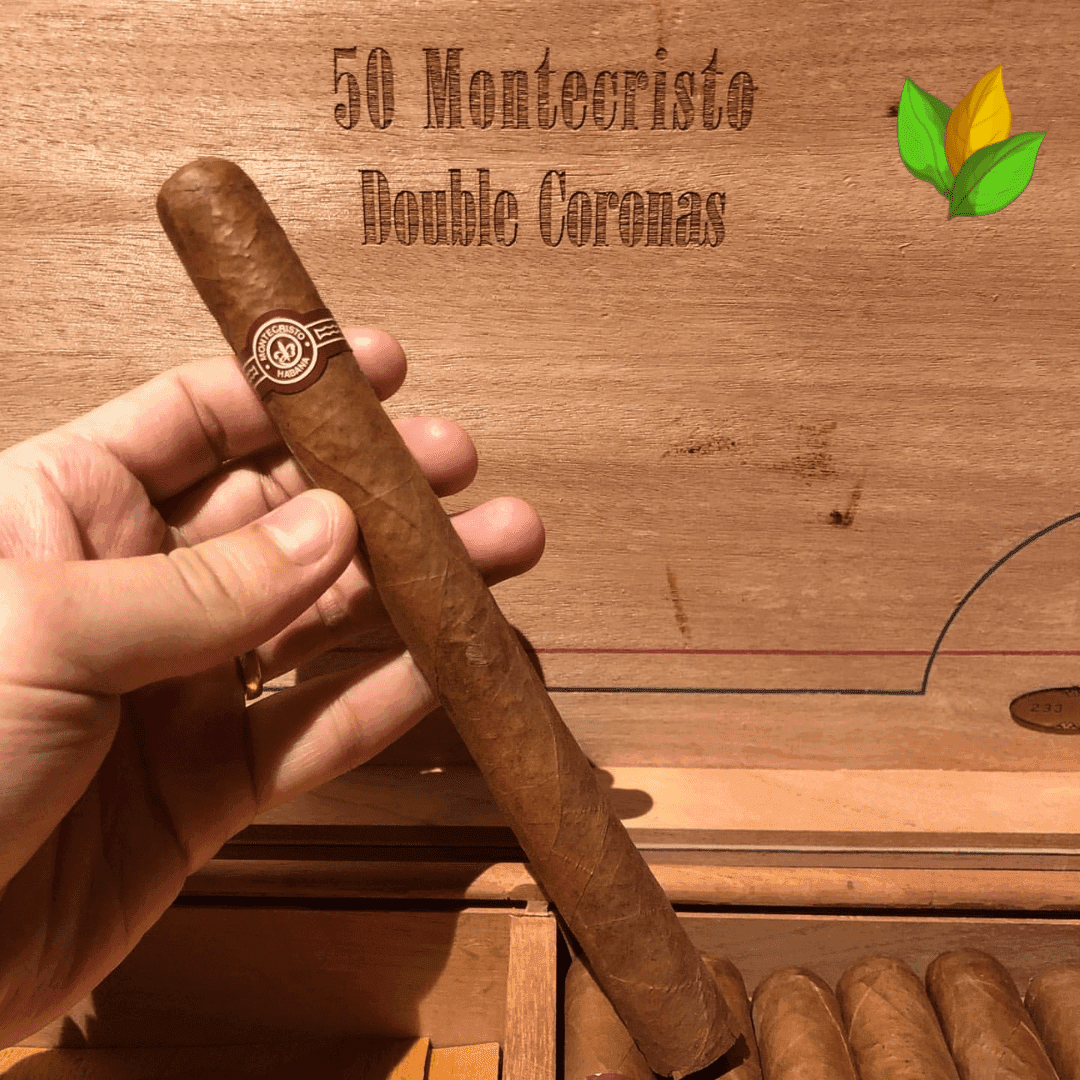
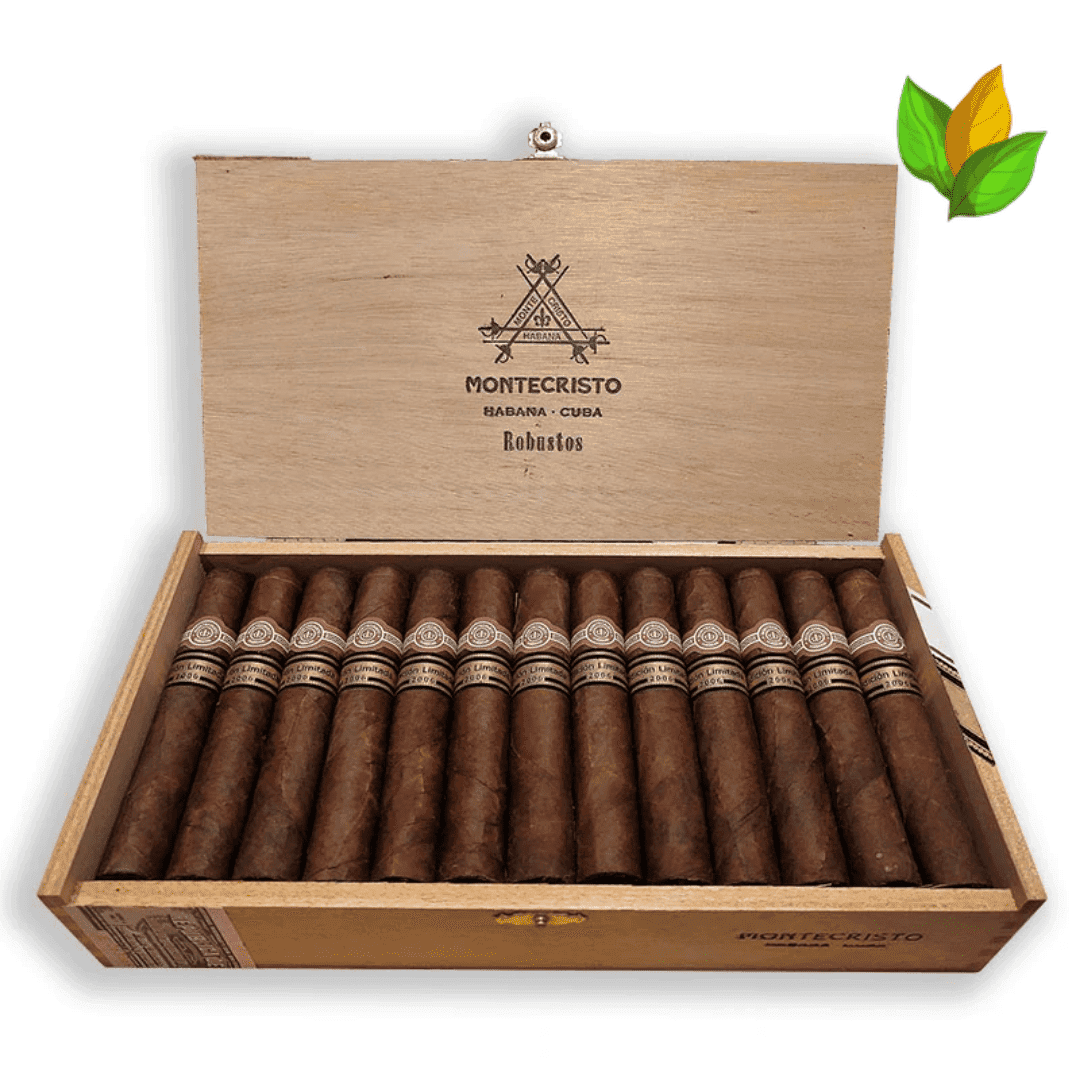
When exploring the fascinating landscape of premium tobacco, few narratives are as compelling as the history of Montecristo cigars - from Cuba to the world. Synonymous with luxury, consistency, and rich flavor, Montecristo has evolved from a humble Cuban factory into the globe's most recognized Habanos brand. For both the seasoned connoisseur and the curious newcomer, understanding the lineage of these Cuban cigars offers a deeper appreciation for the smoke in hand. Today, Montecristo stands as a pillar of the industry, a testament to the enduring legacy of Cuban craftsmanship.
The Birth of a Legend: 1935 and the H. Upmann Factory
The story of Montecristo begins in 1935, amidst the bustling tobacco trade of Havana. It was here that two visionary businessmen, Alonso Menendez and Pepe Garcia, acquired the Particulares factory and subsequently the iconic H. Upmann brand. Seeking to create a new, distinct premium brand, they turned to an unlikely source of inspiration: literature.
At the time, the factory employed a "lector" (reader) who would read novels aloud to the torcedores (cigar rollers) to break the monotony of the workday. The most popular novel among the workers was Alexandre Dumas’s classic, The Count of Monte Cristo. Captivated by the story of adventure and revenge, Menendez and Garcia decided to name their new brand after the protagonist, dubbing it "Montecristo." The brand's iconic logo—featuring a triangular arrangement of six swords, known as the fleur-de-lis crossed swords—was designed to evoke the military themes of the novel, creating a visual identity that remains instantly recognizable today.
From its inception, Montecristo was positioned as a premium product. Menendez and Garcia utilized the finest tobacco leaves from the Vuelta Abajo region, ensuring that the quality of the cigar matched the sophistication of its name. The brand quickly gained traction, establishing itself as a favorite among local Cuban elites and international buyers alike.
Surviving the Revolution: Nationalization and Global Shifts
Like every other Cuban enterprise, Montecristo faced a pivotal turning point following the Cuban Revolution of 1959. The new government initiated a widespread nationalization of private industries, and by the early 1960s, the cigar industry was brought under state control. The original owners, Menendez and Garcia, were forced to flee the island, leaving behind their factories and the brand they had cultivated.
While the founders eventually established production in the Canary Islands and later the Dominican Republic to create non-Cuban versions of the brand, the original Montecristo remained in Cuba. Under the management of Cubatobaco (and later Habanos S.A.), the brand did not falter. Instead, the Cuban state retained the master blenders and skilled rollers necessary to maintain the cigar's distinct profile. This era proved that the quality of Habanos was dependent not just on the owners, but on the terroir and the hands of the Cuban torcedores. Despite the political upheaval, Montecristo cemented its status as the flagship of the Cuban cigar export market, becoming a symbol of Cuban resilience and excellence.
Iconic Vitolas and the Montecristo Profile
What truly sets Montecristo apart in the crowded world of Cuban cigars is its consistent flavor profile and iconic vitolas. The brand is renowned for a medium-to-full strength smoke characterized by notes of cocoa, coffee, and a signature grassy, herbal sweetness. This "Montecristo taste" is achieved through a meticulous blending process that utilizes aged filler and binder tobaccos.
Over the decades, specific sizes have achieved legendary status:
- Montecristo No. 2: Perhaps the most famous pyramid (torpedo) vitola in the world. Its 52 ring gauge and tapered head allow for a perfect concentration of flavors, making it a benchmark against which all other figurados are measured. You can experience this masterpiece by exploring the Montecristo No. 2.
- Montecristo No. 4: The best-selling Cuban cigar globally. This petit corona offers a quick yet satisfying smoking experience, delivering the classic Montecristo flavor profile in a compact format. It is an essential addition to any humidor.
- Montecristo Edmundo: Introduced later to cater to modern preferences for thicker ring gauges, the Edmundo line offers a richer, creamier smoke that has revitalized the brand for a new generation.
The enduring popularity of these cigars is a testament to the brand's ability to balance tradition with the evolving tastes of modern smokers.
The Legacy Continues: Montecristo in the Modern Era
Today, Montecristo remains the best-selling Habanos brand in the world. Its success lies in its ability to offer something for everyone. For the purist, the numbered series (No. 1 through No. 5) represents the quintessential Cuban experience. For those seeking bolder flavors, the Montecristo Linea 1935—launched in 2017 to honor the brand's founding year—offers a darker, more intense profile with notes of leather and spice.
Furthermore, the brand has successfully navigated the limited edition market with its Añejados and Reserva lines, which feature tobaccos aged for extended periods, offering a refined complexity that appeals to collectors. Whether it is a casual evening smoke or a celebratory occasion, Montecristo remains the go-to choice for aficionados worldwide.
From a reader’s novel in a Havana factory to the humidors of enthusiasts across the globe, the history of Montecristo cigars - from Cuba to the world is a journey of passion and quality. As you light up a Montecristo, you are not just smoking a cigar; you are partaking in a legacy that has defined the art of cigar making for nearly a century.