When a smoker lifts a Montecristo from its cedar cabinet, the first detail that catches the eye is the band circling the wrapper. That slender strip of paper carries more than just a logo; it is a timeline, a signature, and a collector’s puzzle all wrapped into one. Over the decades, Montecristo’s bands have shifted in style, texture, and finish, mirroring both the tastes of the era and the brand’s ascent to cigar royalty.
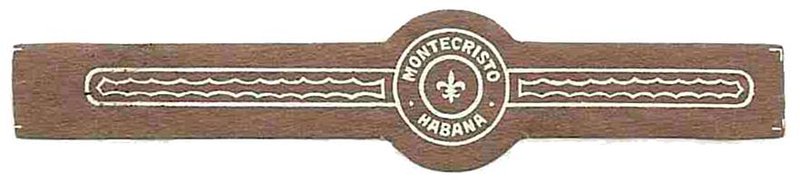
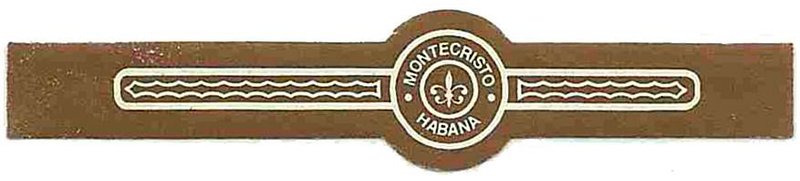
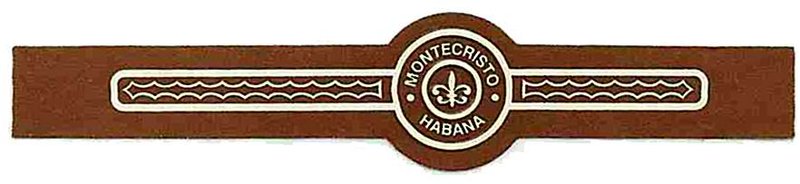
Early Origins and the First Bands (1935–1940s)
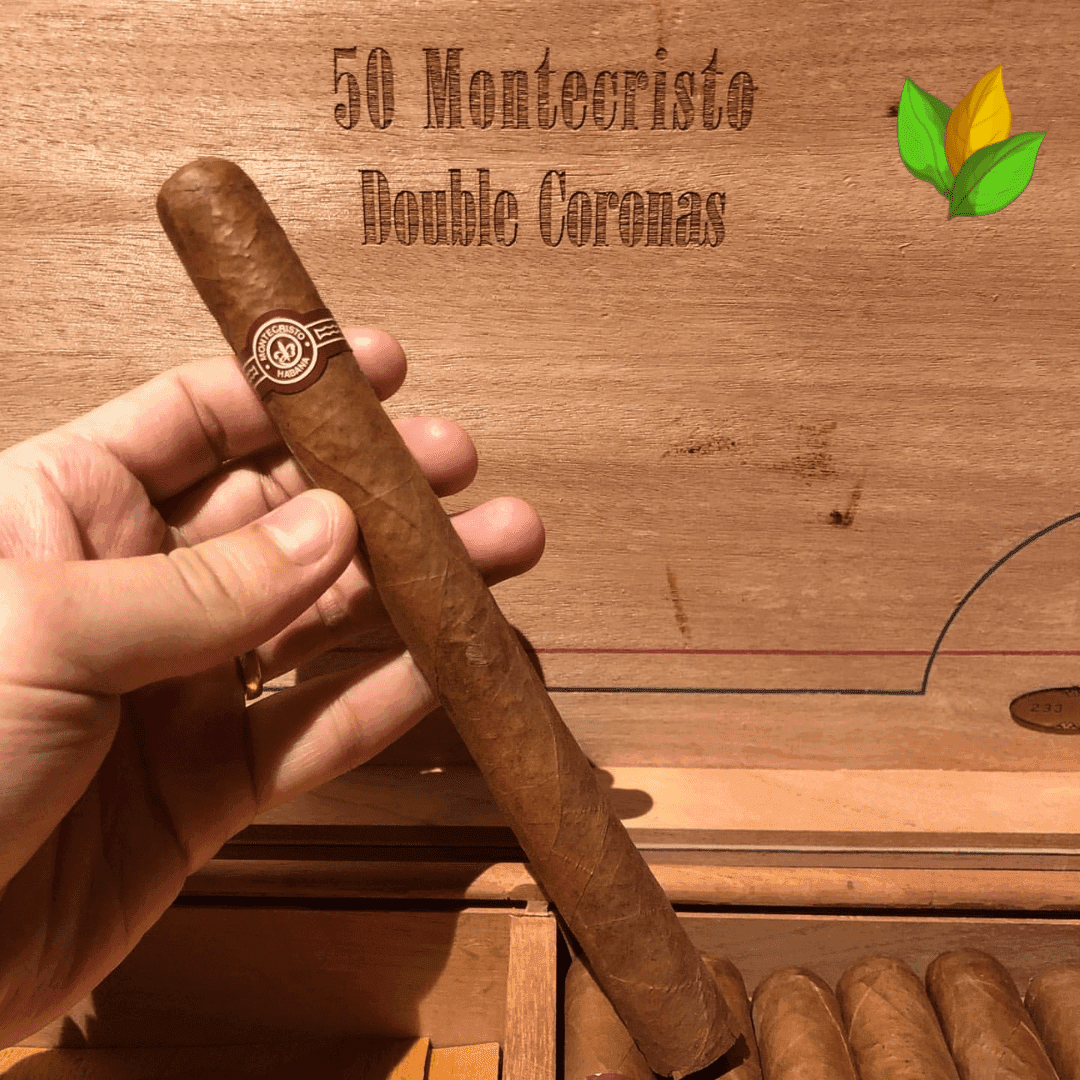
Montecristo debuted in the mid‑1930s, a time when Cuban cigar makers were still experimenting with branding strategies. The initial bands were embossed, giving them a tactile relief that set the cigars apart from competitors. These early designs were relatively simple, yet they announced a new level of prestige. Because they were produced in limited quantities, those first‑generation bands have become prized items among historians and aficionados, often fetching premium prices at auctions.
The Evolution of Standard Bands (1940s–Present)
As the brand grew, Montecristo introduced a series of standardized bands that would dominate the market for more than six decades. Each iteration reflects the manufacturing capabilities and aesthetic preferences of its time.
Band A – The Enduring Classic (1940s–2003)
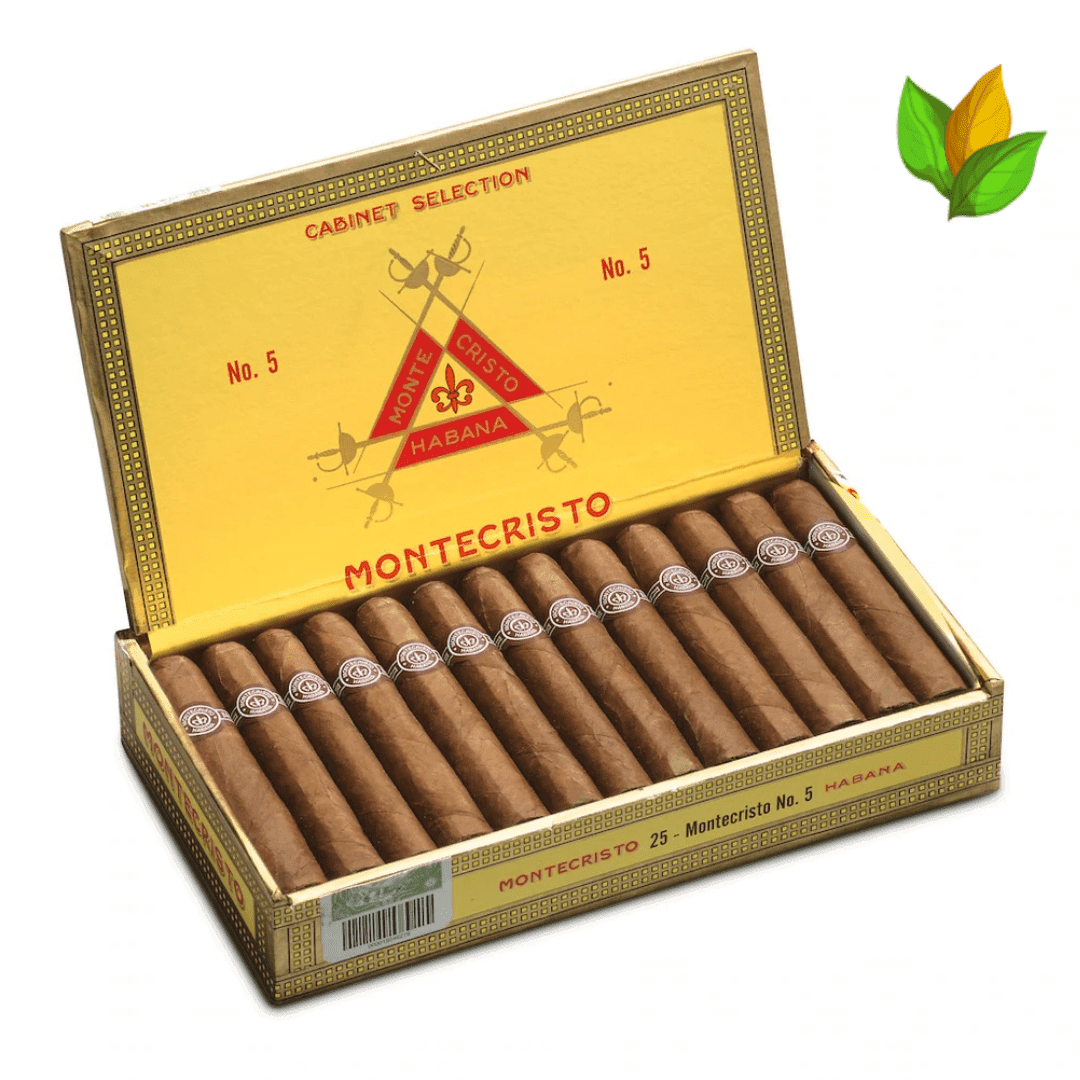
The first standardized band was a smooth, unembossed strip that kept the focus on the tobacco. With a clean, minimalist look, it remained virtually unchanged for over sixty years, becoming an instantly recognizable emblem of the brand.
Band B – Subtle Refinements (2003–2006)
During the early 2000s, Montecristo made minor tweaks to the classic design while preserving its unembossed surface. The changes were modest—a slightly altered font, refined border lines—but they signaled an intent to modernize without discarding tradition.
Band C – Introducing Texture (2006–2012)
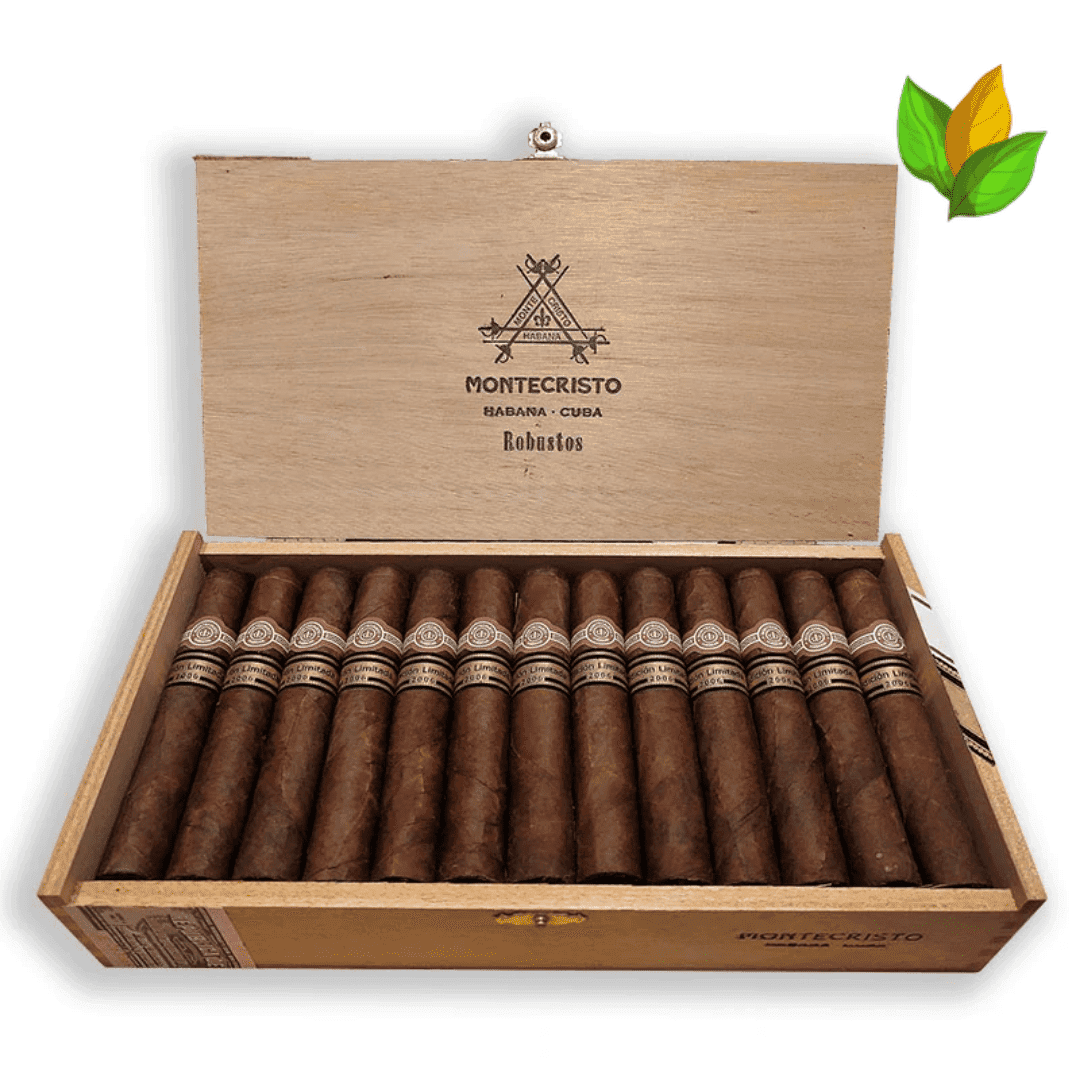
The mid‑2000s brought a noticeable shift: the introduction of variable embossing. This new band featured raised patterns that caught light differently, adding depth and a sense of luxury. The tactile improvement coincided with a broader industry move toward more sophisticated packaging.
Band D – A Touch of Gold (2013–Present)
In 2013 Montecristo unveiled the current standard band, which builds on the textured foundation of Band C. The most striking addition is the incorporation of metallic gold accents at the center and sides. These glints of gold reinforce the brand’s elite status and give the cigar an immediate visual cue of its premium lineage.
Collectible Early Bands: Treasured Relics
While the standard bands have undergone incremental changes, the original embossed bands from the 1935–1940s period remain highly sought after. Their scarcity, combined with the historical narrative they embody, makes them a collector’s holy grail. Enthusiasts often examine these early pieces for subtle variations in paper quality, ink color, and embossing depth—details that can reveal a cigar’s provenance and age.
Special and Limited Edition Bands: Marking Milestones
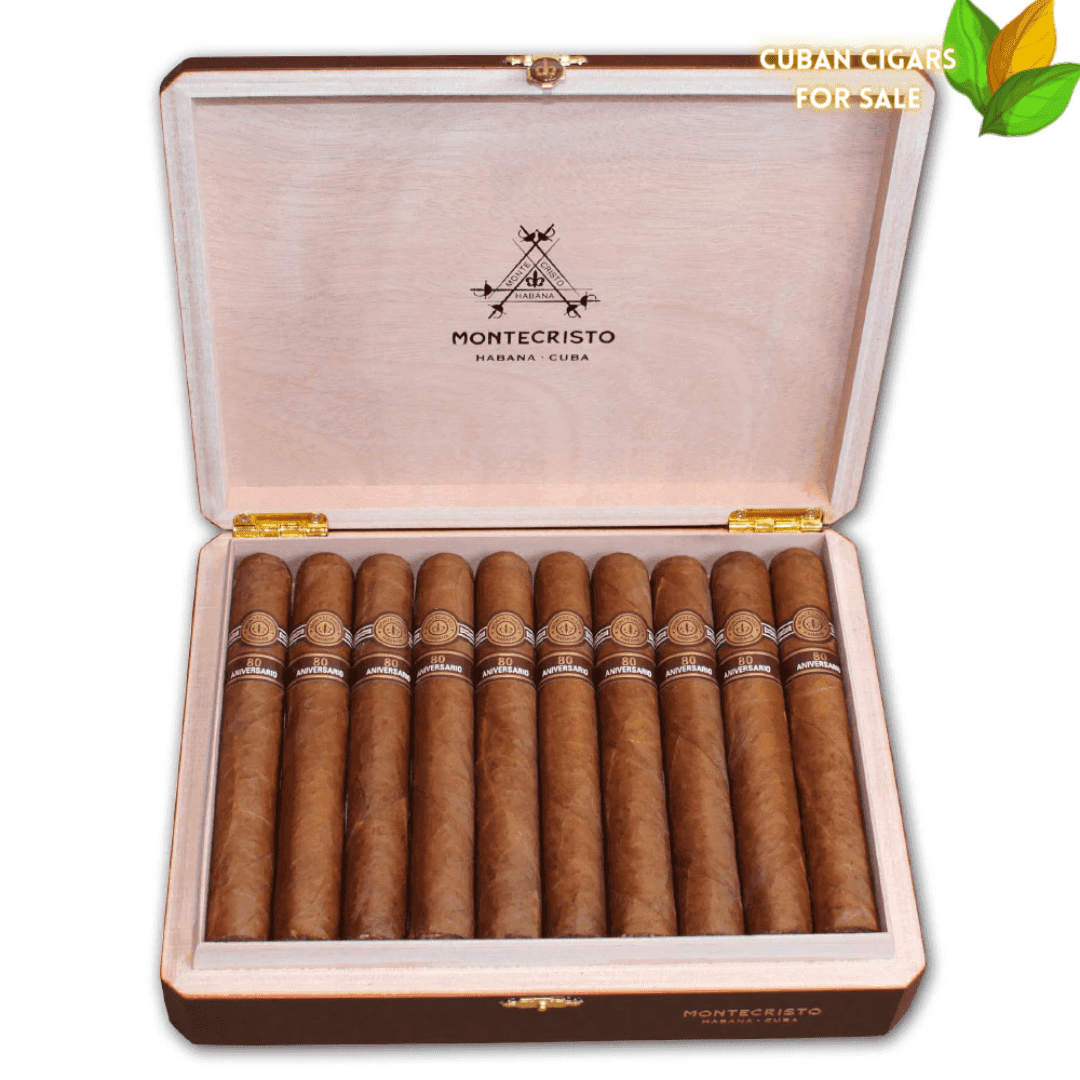
Beyond the regular lineup, Montecristo has released a series of commemorative bands to honor anniversaries, collaborations, and notable events. These special editions often feature unique color schemes, extra gold leafing, or commemorative text, turning each cigar into a keepsake.
- 510 Aniversario – Issued to celebrate a historic anniversary of the brand, featuring a distinctive commemorative motif.
- Compay 95 Aniversario – A tribute to 95 years of Montecristo’s legacy, with a design that echoes the brand’s classic aesthetics.
- Compay Segundo 100 – Released to honor the centenary of the legendary musician Compay Segundo, blending cultural symbolism with Montecristo’s signature style.
These limited runs not only add variety to the brand’s portfolio but also provide collectors with opportunities to own a piece of Montecristo’s evolving heritage. Each band tells a story—whether it’s the modest beginnings of Band A, the refined elegance of Band D, or the festive flair of a commemorative release.