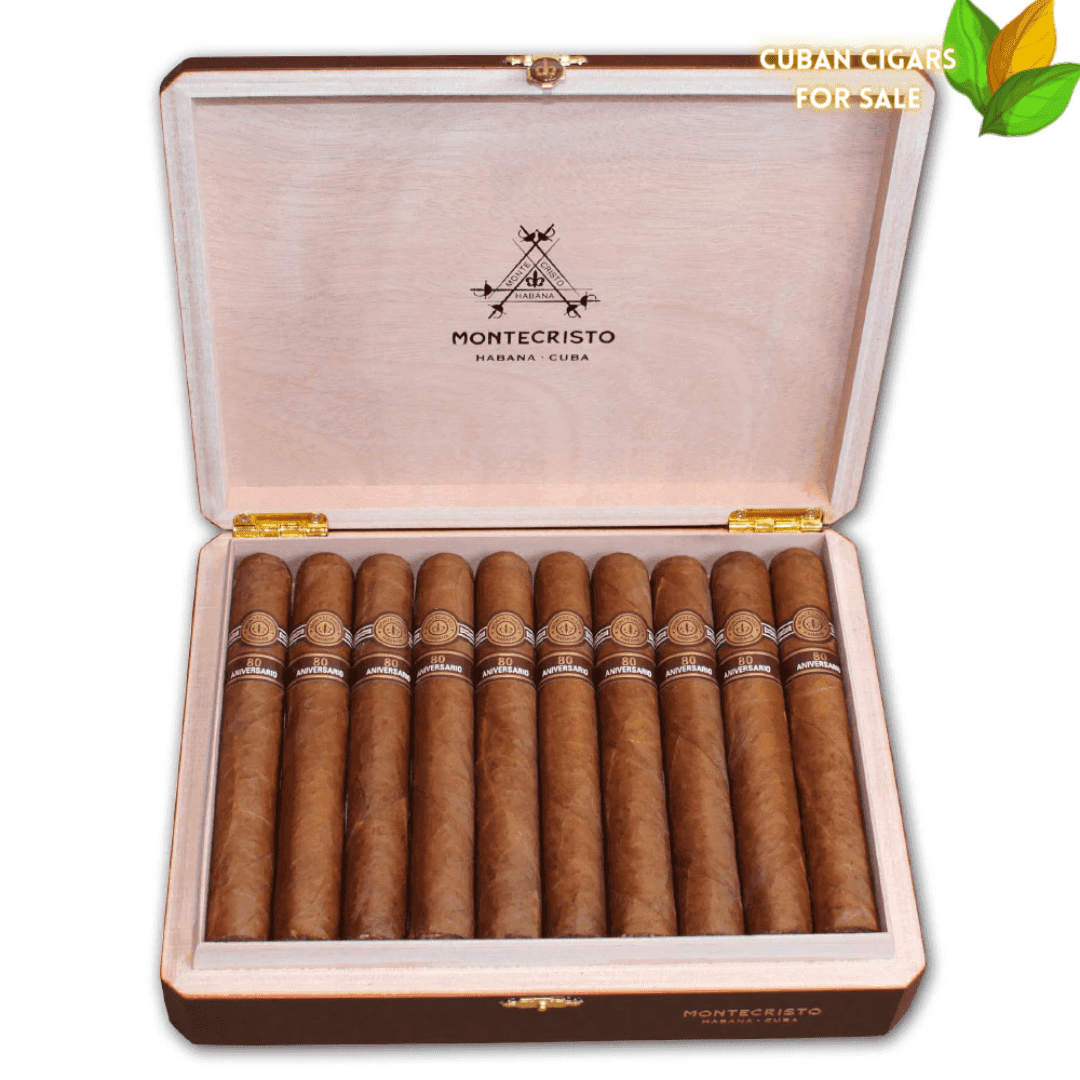
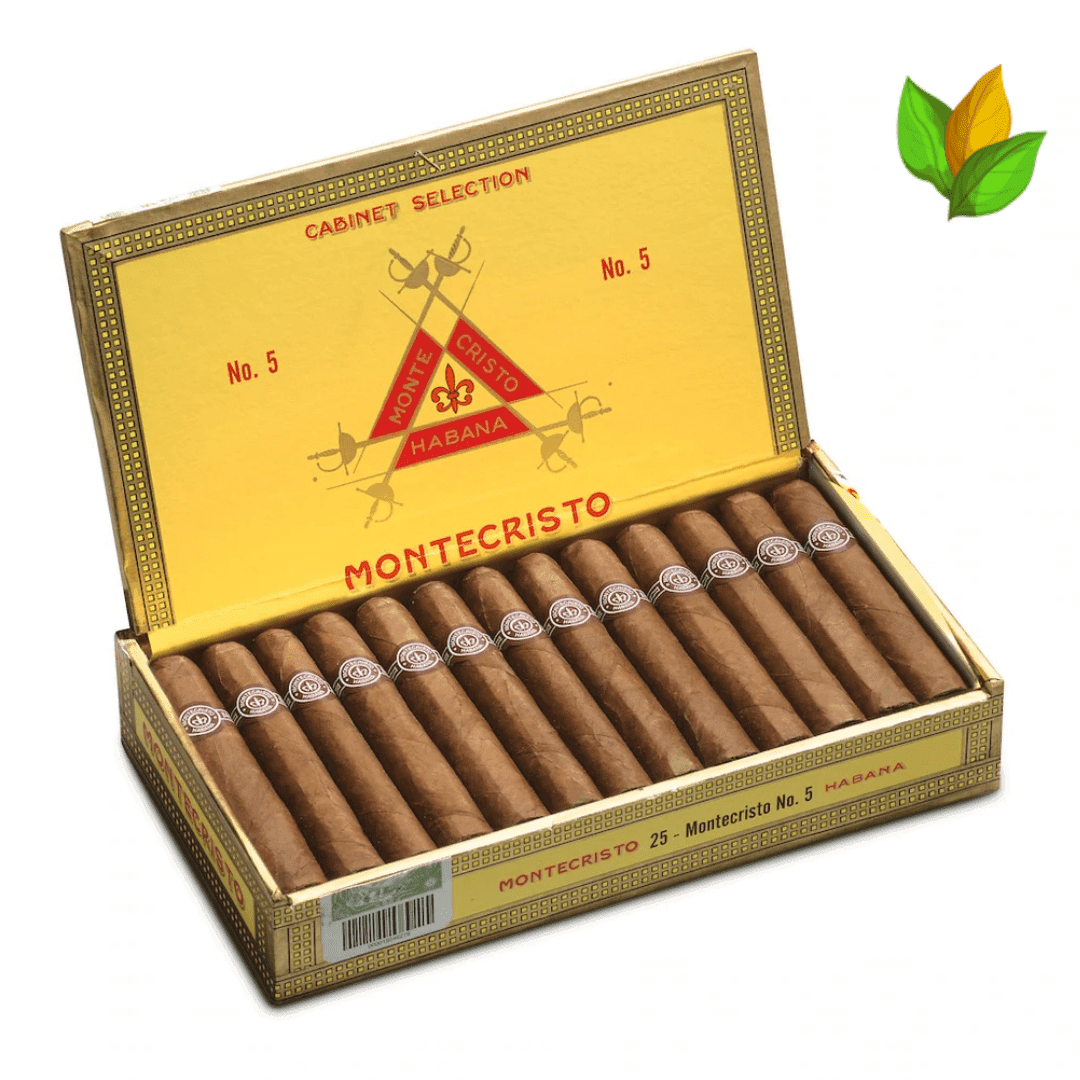
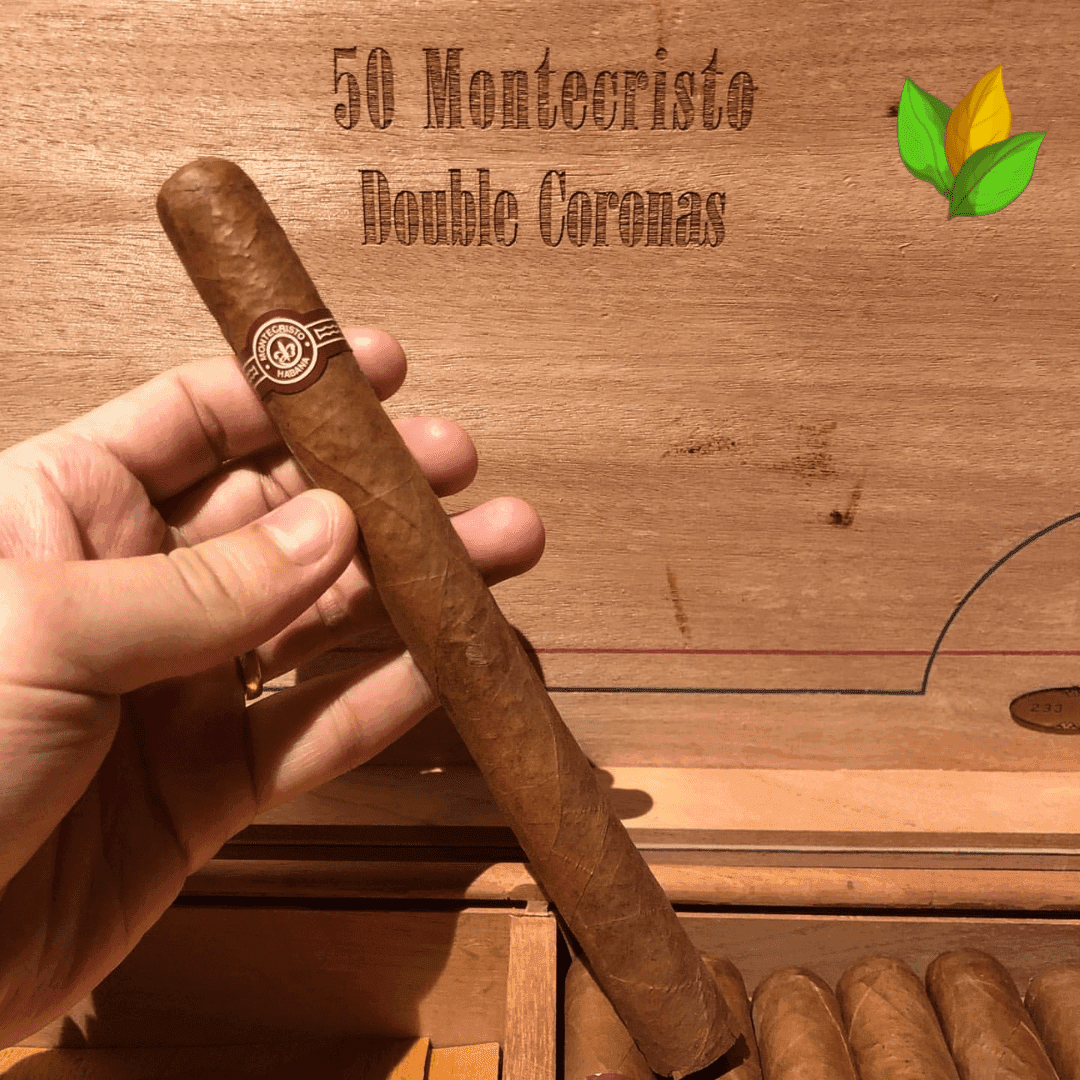
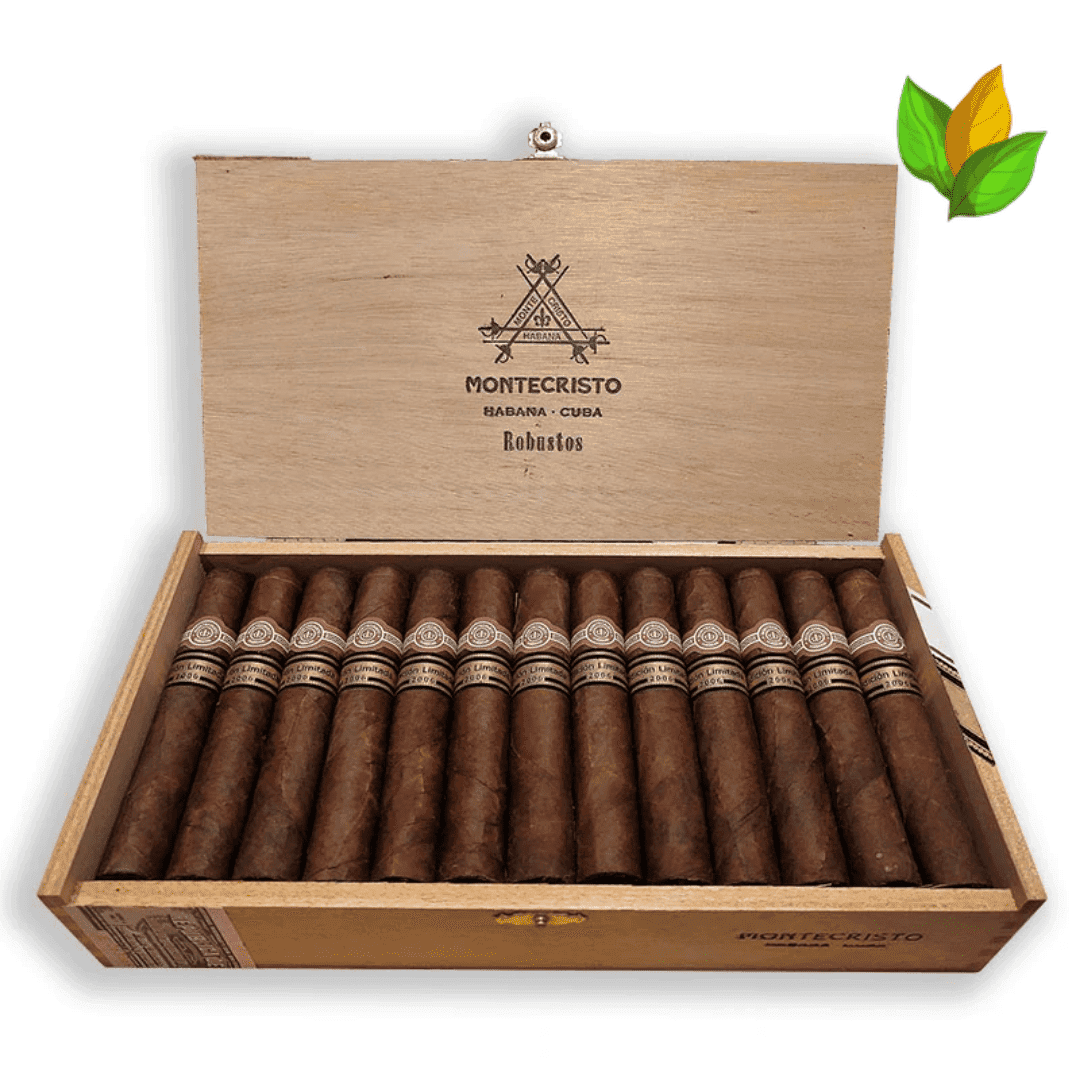
For both novice enthusiasts and seasoned aficionados, navigating the world of premium tobacco can sometimes feel like deciphering an ancient code. One of the most common points of confusion arises when discussing the legendary Montecristo brand. You may have encountered labels spelling it as "Monte Cristo" or "Montecristo," leading to questions about authenticity, origin, and quality. At cubancigarsforsale.com, we believe knowledge is the key to enjoyment. This guide cuts through the noise to clarify the lineage of these iconic smokes, ensuring you know exactly what is in your humidor. Whether you are seeking the authentic taste of Havana or exploring alternatives, understanding the nuances between these names is essential for making informed purchasing decisions.
The Historical Legacy of Montecristo Cuban Cigars
To truly appreciate the cigar in your hand, one must respect its roots. The Montecristo brand was established in Cuba in 1935, created by Menendez, Garcia y Cia. It quickly ascended to become one of the most recognized marques in the world. The name itself is a nod to Alexandre Dumas' classic novel, The Count of Monte Cristo, which was reportedly read to the cigar rollers by a man named Montecristo. This heritage is deeply embedded in the soil of the Vuelta Abajo region, where the finest tobacco leaves are cultivated.
When we discuss cuban cigars, Montecristo stands as a pillar of the industry. It is a flagship brand for Habanos S.A., representing the pinnacle of Cuban craftsmanship. The consistency of the blend, the perfection of the triple cap, and the complexity of the combustion are hallmarks of this heritage. While other manufacturers have attempted to replicate this success, the original Cuban lineage remains unmatched in terms of historical prestige and terroir-driven flavor.
Monte Cristo vs. Montecristo - Understanding the Difference Between the Cigar Brands
The query regarding monte cristo vs. montecristo - understanding the difference between the cigar brands is not merely about orthography; it is about geography and legality. The single-word spelling, Montecristo, is traditionally associated with the original Cuban marque. However, due to trade embargoes and trademark laws, non-Cuban versions exist, often produced in the Dominican Republic or Nicaragua. These non-Cuban iterations may sometimes utilize the two-word spelling, "Monte Cristo," to navigate intellectual property restrictions in certain markets.
For the purist, the distinction is vital. A Cuban Montecristo offers a unique profile derived from Cuban seed tobacco grown in Cuban soil. Non-Cuban versions, while often high quality, utilize different fillers and binders that result in a divergent smoking experience. The Cuban version tends to offer earthier, richer notes with a distinct sweetness, whereas non-Cuban versions might lean towards creamier or spicier profiles depending on the blend. When browsing our catalog, you are looking at the authentic Habanos experience, distinct from any alternative spelling or origin.
Construction and Tasting Notes of the Montecristo Line
What can you expect when you light up a genuine Cuban Montecristo? The construction is typically flawless, featuring a smooth Connecticut or Cuban seed wrapper that is oily and resilient. The draw should be airy but resistant enough to produce thick, aromatic smoke. In terms of flavor, the Montecristo line is known for its medium-to-full body complexity.
- Primary Notes: Leather, cedar, and roasted nuts are the backbone of the profile.
- Secondary Notes: Hints of coffee, cocoa, and subtle spice emerge as the cigar progresses.
- Finish: The aftermath is clean, lingering, and slightly sweet, characteristic of premium Cuban tobacco.
Specific vitolas offer unique experiences. For example, the Montecristo No. 2 torpedo shape concentrates flavors for a richer experience, while the Montecristo Edmundo provides a shorter, more intense smoking session ideal for modern aficionados. Each ring gauge and length alters the combustion rate, subtly shifting the balance of earth and spice.
Buying Advice and Proper Storage
Investing in premium cigars requires care beyond the purchase. Authenticity is paramount when buying cuban cigars. Always ensure you are purchasing from authorized retailers who guarantee the provenance of the bands and boxes. Counterfeit bands are common, so look for the holographic warranty seal and the Habanos stamp on the box.
Once acquired, proper storage is critical to maintaining the integrity of the tobacco. Your cigars should rest in a humidor maintained at 65-70% relative humidity and a temperature of around 65-70°F (18-21°C). This environment allows the oils to settle and the flavors to marry. Aging potential is high with Montecristo; many enthusiasts find that storing a box for 12 to 24 months enhances the smoothness and depth of the smoke. Avoid fluctuations in temperature, as this can cause the wrapper to crack or the filler to burn unevenly.
By understanding the history, the spelling nuances, and the care required, you elevate your ritual from simple smoking to true appreciation. Explore our selection of authentic Montecristo cigars today and experience the legacy of Havana in every draw.