
In the world of premium tobacco literature, few works offer the insider perspective that Habano the King provides. This landmark publication by Adriano Martinez Rius stands as a unique resource for anyone interested in understanding the complex commercial machinery that has made Cuban cigars a global luxury phenomenon. Drawing from decades of direct involvement in the industry, Martinez Rius delivers a narrative that goes far beyond typical cigar enthusiast literature.
The Author's Unparalleled Credentials
What sets this book apart begins with its author. Adriano Martinez Rius spent his career embedded within Cuba's tobacco administration, serving as a professional consultant to both Cubatabaco and its successor organization Habanos SA. This dual consulting role gave him visibility into multiple layers of the state's tobacco operation, from agricultural production through international distribution.
His standing among serious scholars of Cuban cigars earned him recognition beyond Cuba's borders. Martinez Rius received an honorary appointment as consultant for Min Ron Nee's comprehensive encyclopaedic work on post-revolutionary Havana cigars, a project widely regarded as the definitive reference on the subject. This appointment underscores the respect he commanded among the most dedicated researchers in the field.
Publication Details and Physical Presentation
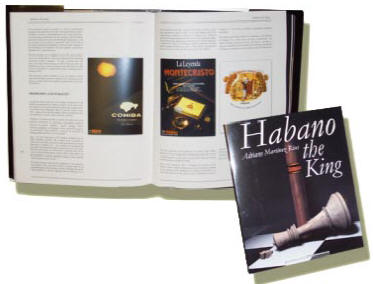
The 1999 English edition arrived simultaneously with its Spanish counterpart, making Martinez Rius's insights accessible to the international audience of cigar professionals and serious collectors. The publisher clearly invested in presenting this material appropriately. The volume features a large format hardcover design measuring approximately 285 by 243 millimetres, providing generous space for both text and imagery.
Inside, readers find 135 pages of full-colour printing on high-quality paper stock, showcasing numerous illustrations including historical lithographs that document the evolution of Cuban tobacco culture. The production values reflect the significance of the subject matter and ensure the book functions as both an informative resource and a visual celebration of habano heritage.
Chronological Framework and Historical Coverage
Martinez Rius organizes his material chronologically, opening with tobacco's introduction to Cuba following Columbus's 1492 voyage. From this origin point, he traces the development of the industry through centuries of colonial rule, republican era expansion, and ultimately the transformative changes that followed the 1959 revolution.
The book's most substantial contribution lies in its detailed treatment of the post-revolutionary period. Martinez Rius meticulously documents the restructuring of the tobacco sector under state control, the creation of export mechanisms, and the corporate evolution that culminated in the formation of Habanos SA as the exclusive global distributor. His narrative captures the industry as it existed in 1998, providing researchers with an invaluable snapshot of this critical transitional era.
Business Analysis Over Sensory Description
Unlike publications geared toward smokers seeking tasting notes or vitola specifications, Habano the King focuses squarely on commercial dynamics. Readers discover thorough analysis of distribution networks spanning multiple continents, corporate strategies for maintaining premium positioning in international markets, and the intricate relationships between Cuban producers and foreign distributors.
Martinez Rius examines the economic realities that shaped decision-making within the industry, including pricing structures, market allocation decisions, and responses to competition from non-Cuban premium cigars. This business-oriented approach makes the volume particularly valuable for industry professionals, market analysts, and collectors who want to understand the forces driving one of the world's most iconic luxury goods.
For serious students of cigar culture, this publication occupies a distinctive niche. It represents a rare opportunity to view the Habanos enterprise through the eyes of someone who witnessed its daily operations firsthand. The combination of historical breadth, insider perspective, and commercial focus makes Habano the King a worthwhile addition to any library dedicated to understanding the global tobacco trade.