
In the rich tapestry of Cuban cigar heritage, countless brands have risen and faded, each leaving its mark on the island's legendary tobacco tradition. Among these diminished names stands a marca that briefly illuminated the premium cigar world from the twilight of the 1960s through the early 1980s. This is the story of a short-lived yet significant chapter in Cuba's long romance with fine tobacco—a narrative of ambition, artistry, and eventual obscurity that continues to captivate collectors and historians alike.
Origins in a Transformed Landscape
The emergence of this particular marca occurred during one of the most tumultuous periods in Cuban history. Following the revolutionary government's nationalization of the tobacco industry, the landscape of cigar production on the island underwent fundamental restructuring. Factories that had operated privately for generations found themselves under state administration, and the very nature of how Cuban cigars were conceived, crafted, and marketed shifted dramatically. It was within this context of wholesale change that production commenced in the late 1960s, marking the beginning of roughly fifteen years of activity that would eventually conclude in 1982.
The brand occupied a modest position in the broader portfolio of Cuban tobacco offerings. Rather than competing directly with the internationally celebrated names that dominated export markets, it represented one of many regional marques that served niche audiences and domestic consumers. This positioning would prove consequential when the industry eventually consolidated its operations and streamlined its focus.
Distinguishing Characteristics
The Standard Band A Classification
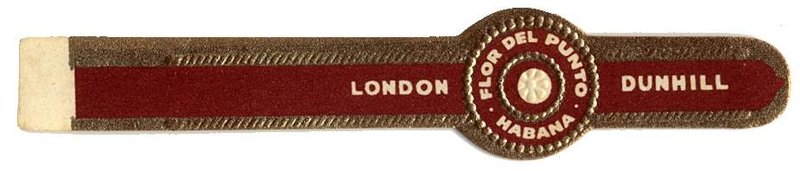
Among the notable features that set these cigars apart was their distinctive banding. The marca employed what collectors categorize as Standard Band A—a classification denoting a particular style of band design prevalent during that era. The band showcased intricate embossed detailing that added visual depth and tactile quality to the presentation. This embossing technique represented the commitment of Cuban cigar makers to aesthetic excellence, even as industrial reorganization reshaped manufacturing processes throughout the sector.
The attention lavished upon these bands reflected a broader philosophy regarding packaging and presentation that characterized Cuban premium tobacco products. Each band served not merely as a functional identifier but as a miniature work of art, demonstrating the craftsmanship that extended beyond the tobacco itself to every element of the smoking experience.
Construction and Quality
While specific vitolas and blend details remain subjects of collector interest, the brand maintained standards befitting its Cuban heritage. The cigars represented the expertise of rollers trained in time-honored techniques passed down through generations, ensuring that each piece embodied the dedication that has made Cuban tobacco synonymous with excellence worldwide.
The Final Chapter: 1982 and Industry Consolidation
The year 1982 marked a pivotal turning point for numerous Cuban tobacco marques. As part of broader strategic initiatives, industry administrators began consolidating various brands and focusing resources on those offerings with the strongest international recognition and market presence. This rationalization process spelled the end for many smaller or regionally-oriented names that had operated alongside the island's flagship labels.
The discontinuation of this particular brand exemplified a wider trend that would reshape the Cuban cigar landscape considerably. Box production ceased, and the marca gradually faded from active consideration in smoke shops and tobacconists around the world. The decision reflected economic realities and marketing strategies that prioritized the most recognizable names in an increasingly competitive global marketplace.
This consolidation era demonstrated how political and economic forces could shape cultural products in unexpected ways. While the world's most famous Cuban brands continued thriving, dozens of smaller marques quietly disappeared from production schedules, leaving behind only memories and limited quantities of aged stock.
Modern Collectibility and Historical Significance
Today, surviving examples of these cigars have acquired new significance as collectible artifacts. The fifteen-year production window—from approximately 1968 through 1982—created a finite pool of available specimens, and as time passes, intact boxes and individually preserved cigars become increasingly scarce. Enthusiasts and historians prize these pieces not merely for smoking potential but as tangible connections to a specific moment in Cuban tobacco history.
The Standard Band A presentations, with their characteristic embossed designs, hold particular appeal for collectors specializing in Cuban banding classifications. These elements serve as diagnostic features that aid in authentication and provide insight into the production methodologies of the era.
The marca stands as a testament to the incredible diversity that once characterized Cuban cigar manufacturing. Before consolidation narrowed the field, dozens of distinct names competed for attention, each representing unique traditions, blends, and loyal followings. Today, the surviving examples of this brand offer precious glimpses into that vanished landscape—a reminder of how many extraordinary cigars have slipped from production and now exist only in carefully maintained collections, preserving the legacy of craftsmanship from a transformative period in Cuban tobacco heritage.