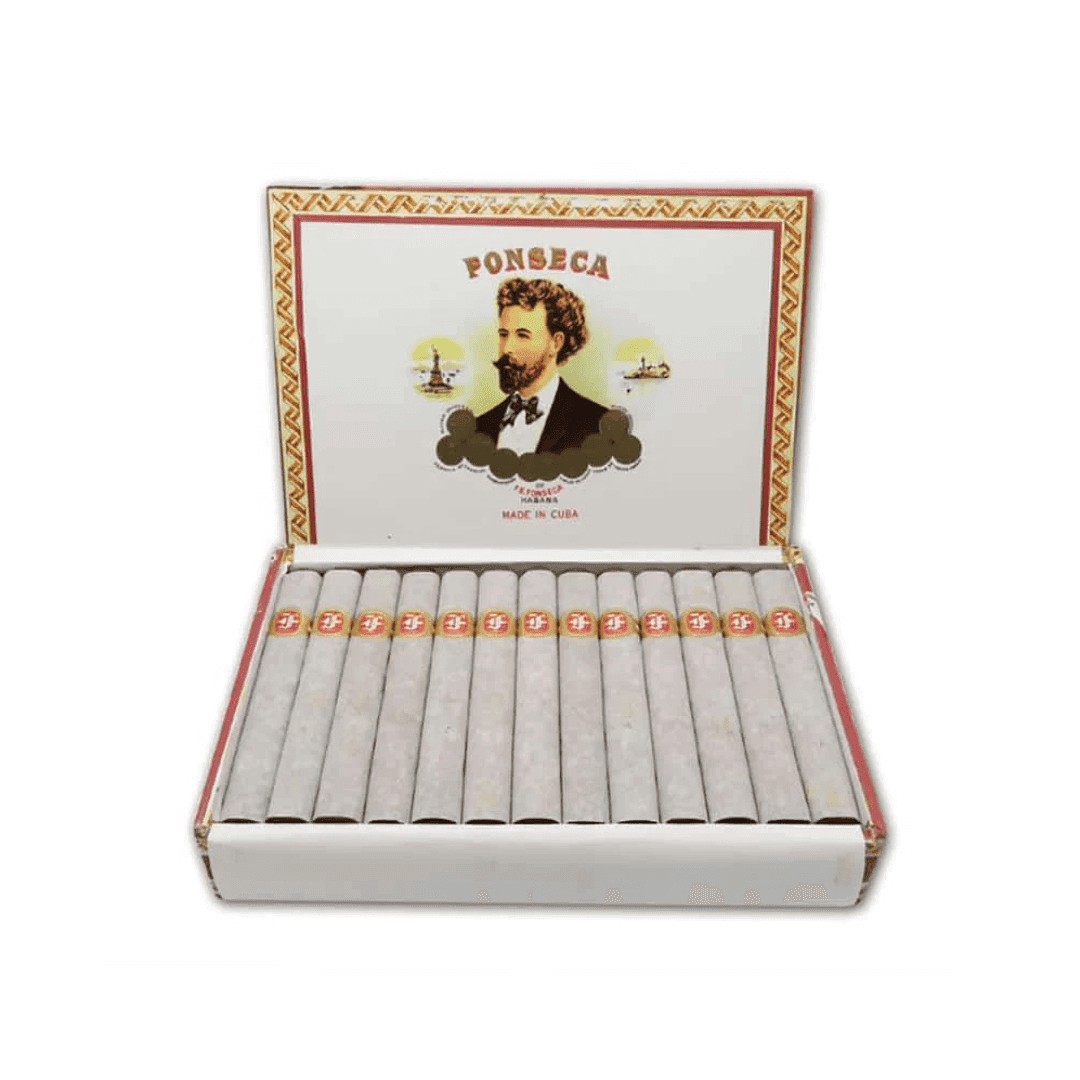
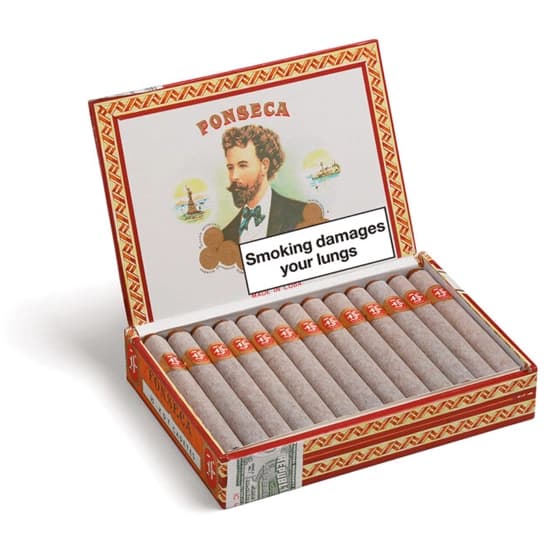
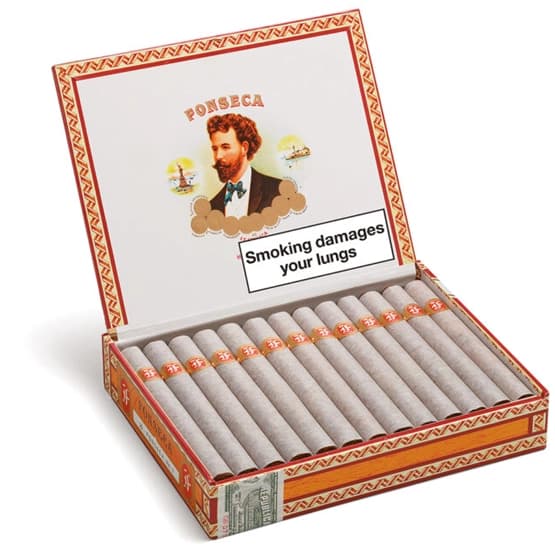
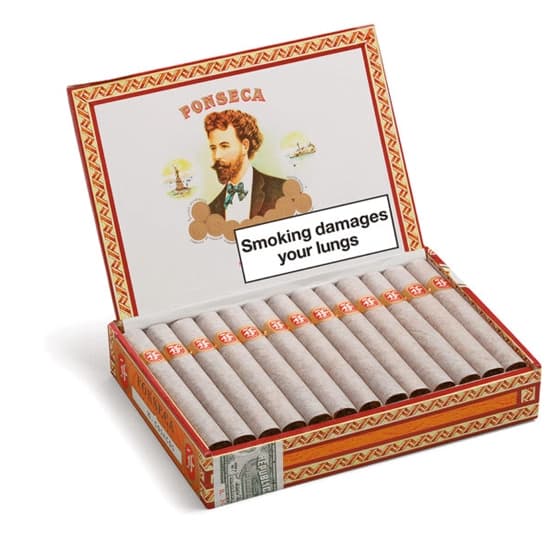
For decades, the Fonseca Invictos stood as a testament to Cuban cigar-making heritage, embodying the craftsmanship and tradition that have made island-produced smokes legendary among aficionados worldwide. This particular vitola carved out its own niche in the competitive landscape of Habanos, offering smokers a distinctive experience that simply no longer exists in contemporary production. Today, surviving examples have become treasured artifacts, representing not merely a smoking experience but a tangible connection to an era of Cuban cigar production that has long since passed into history.

A Legacy Born Before the Revolution
The roots of the Fonseca Invictos stretch back to the years preceding 1960, placing it among the senior members of the Fonseca family of cigars. Unlike newer releases that often emerge from aggressive marketing campaigns, this particular vitola built its reputation gradually, earning recognition through consistent quality and the loyalty of smokers who appreciated its particular character. The brand itself had established itself as a respected name within Cuban tobacco circles, and the Invictos represented one of its more distinctive offerings.
Throughout its manufacturing life, which spanned more than four decades, production remained comparatively modest. Industry observers have long noted that the Invictos never achieved the widespread distribution enjoyed by some of its contemporaries within the Fonseca portfolio. This restrained output, while perhaps limiting commercial reach during active production, has subsequently contributed to the cigar's mystique and desirability among those who seek it today.
Technical Profile and Construction
Measuring 134 millimeters in length with a 45-ring gauge, the Invictos occupied a comfortable position within the petit corona category—substantial enough to deliver meaningful smoking time while remaining accessible for regular enjoyment. The official weight of 8.63 grams reflected the balance that Fonseca's rollers aimed to achieve between tobacco density and smoking dynamics.
- Vitola Classification: Especiales (factory designation)
- Dimensions: 134 mm × 45 ring gauge
- Mass: 8.63 grams
- Manufacturing Method: Handmade construction
- Wrapper Treatment: Protected by tissue paper wrapping
Each stick was produced entirely by hand, adhering to the traditional methods that Cuban cigar factories have employed for generations. The application of tissue wrapping served dual purposes: safeguarding the delicate wrapper leaf from damage during handling and transport, and helping to maintain optimal moisture levels during storage. Upon completion, twenty-five individually wrapped cigars found their home within dress boxes, the quintessential presentation format for premium Cuban cigars.
The Hunt for Remaining Stock
When production ceased in 2002, the Invictos joined the ranks of discontinued Cuban vitolas that collectors actively pursue. The passage of more than two decades since the final boxes left the factory has dramatically reshaped the cigar's accessibility. Humidor conditions vary widely among surviving inventory, meaning prospective purchasers must exercise considerable discernment. The tobacco's age can manifest in complex flavor profiles that younger cigars simply cannot replicate, though condition remains paramount.
Secondary market channels have become the primary avenue through which enthusiasts locate remaining stock. Auction platforms, specialized tobacconists, and collector networks all serve as potential sources, though prices reflect both scarcity and the cachet of acquiring a genuinely vintage Cuban smoke. First-rate examples command premiums that would have seemed inconceivable during the years of active production.
The appeal extends beyond mere nostalgia. These cigars represent a specific moment in Cuban manufacturing history, capturing the blend formulations and rolling techniques of an earlier era. For serious collectors, acquiring an Invictos means holding a physical artifact from a period when production methods and tobacco sourcing differed substantially from contemporary practices.
Why This Cigar Matters
The Fonseca Invictos endures not merely as a discontinued product but as evidence of the diversity that once characterized Cuban cigar offerings. Its disappearance narrows the spectrum of available vintage options and reinforces the importance of proper storage for those fortunate enough to possess surviving examples. Each remaining stick carries within it the accumulated wisdom of generations of Cuban tobacco artisans, frozen in time and waiting for the smoker prepared to appreciate what decades of patient aging can reveal.