For the discerning aficionado, a Cuban cigar is more than a smoke; it is a tangible piece of history wrapped in tobacco. While the filler and binder dictate the flavor profile, the visual identity of a cigar rests squarely on its band. Among the pantheon of Havana brands, Fonseca stands out for its commitment to elegance and evolution. The journey of its band designs offers a fascinating window into the changing tides of printing technology, aesthetic preferences, and brand management over the last century.

The Birth of a Classic: Pre-1960s Elegance
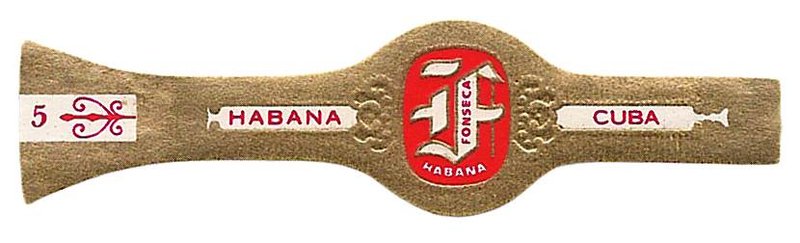
Long before the standardization that would define the modern era, Fonseca cigars bore a mark of distinct vintage charm. The earliest iteration of what is now known as the Standard A band represents a bygone age of intricate design. Unlike the brighter aesthetics favored in later decades, this vintage version was printed on paper with a warm, cream-colored hue. This choice of material gave the band an almost parchment-like quality, suggesting age and maturity even when the cigar was fresh.
Collectors prize these pre-1960s artifacts for their superior craftsmanship. The embossing work on these early bands was notably elaborate, featuring deep relief and complex textures that caught the light dramatically. It was a design philosophy rooted in the ornate sensibilities of the early 20th century, where visual excess was a sign of quality. Today, finding a box with these original bands is a rare treat, as they remain discontinued relics of the brand's formative years.
The Modern Standard: A 1960s Revolution
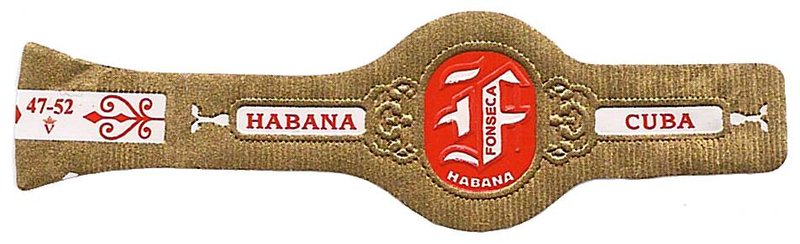
The 1960s marked a pivotal turning point for the visual language of Fonseca. During this era, the brand made a decisive shift toward standardization that would cement its identity for over sixty years. The design introduced during this decade stripped away some of the baroque flourishes of the past in favor of a cleaner, crisper presentation. This remains the most recognizable face of the brand to this day.
The most significant shift in this era was the move to a stark, bright white paper stock. This choice projected a sense of modernity and cleanliness that aligned with the swinging sixties. While the design retained the core elements of the brand’s imagery, the embossing technique became more restrained. Described as "minor" compared to its predecessors, the texture was subtle and refined rather than deep and dramatic. This band serves as a reliable workhorse, identifying millions of cigars produced across decades of consistent manufacturing.
The 2010 Limited Edition: Elevating the Art
In the world of luxury goods, there is always a desire to distinguish the exceptional from the everyday. Fonseca answered this call in 2010 with the introduction of a special release band. While this design maintained the white paper background of the modern standard, it represented a significant upgrade in production quality and artistic detail.
This limited-edition band was crafted to stand apart. It featured enhanced embossing work that brought back a sense of depth and dimension often missing from standard production runs. The detailing was far more intricate, signaling to the smoker that the cigar within was something special. By combining the modern white aesthetic with superior craftsmanship, the 2010 design bridged the gap between the brand's storied past and its contemporary offerings.
A Collector’s Guide to Identification
Understanding the nuances between these three distinct eras is essential for proper provenance verification. For enthusiasts looking to date their stash or verify authenticity, the devil is truly in the details. The differences in paper stock and texturing serve as the primary markers for identification.
- Pre-1960s (Discontinued): Identified by its cream-colored paper and highly detailed, elaborate embossing. This represents the vintage era of the brand.
- 1960s – Present (Current): The standard issue. Look for bright white paper and minor, subtle embossing. This design has been in continuous production for over six decades.
- 2010 (Special Release): A limited run. While it uses white paper, the key differentiator is the superior quality of the enhanced embossing and intricate detailing.
By examining the paper color and the depth of the embossing, a knowledgeable collector can instantly decipher the timeline of a Fonseca cigar. These visual cues ensure that the legacy of the brand is preserved, understood, and appreciated by generations to come.