Named after the legendary figure who liberated much of South America from Spanish rule, Bolivar Cuban cigars embody a spirit of strength, resilience, and unyielding power. For the discerning aficionado, lighting a Bolivar is not merely an act of smoking; it is an engagement with history. Known among enthusiasts as one of the strongest and most full-bodied brands available from Habanos, Bolivar offers a complex smoking experience that commands respect. In this deep dive, we explore the history of Bolivar cigars - from Simon Bolivar to modern day, tracing the brand's origins, its transition through the revolutionary era, and its status as a modern classic.
The Liberator: A Namesake of Grandeur
To understand the weight carried by this brand, one must first look to the man behind the name. Simón Bolívar, often called "El Libertador," was a Venezuelan military and political leader who played a pivotal role in the independence of Venezuela, Bolivia, Colombia, Ecuador, Peru, and Panama. His vision of a united and free South America made him a figure of mythic proportions.
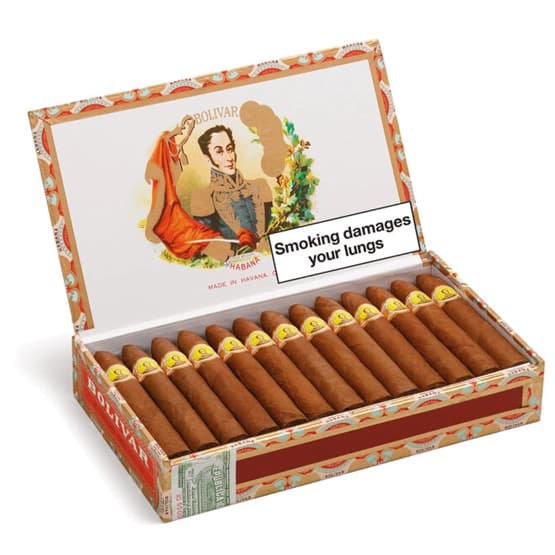
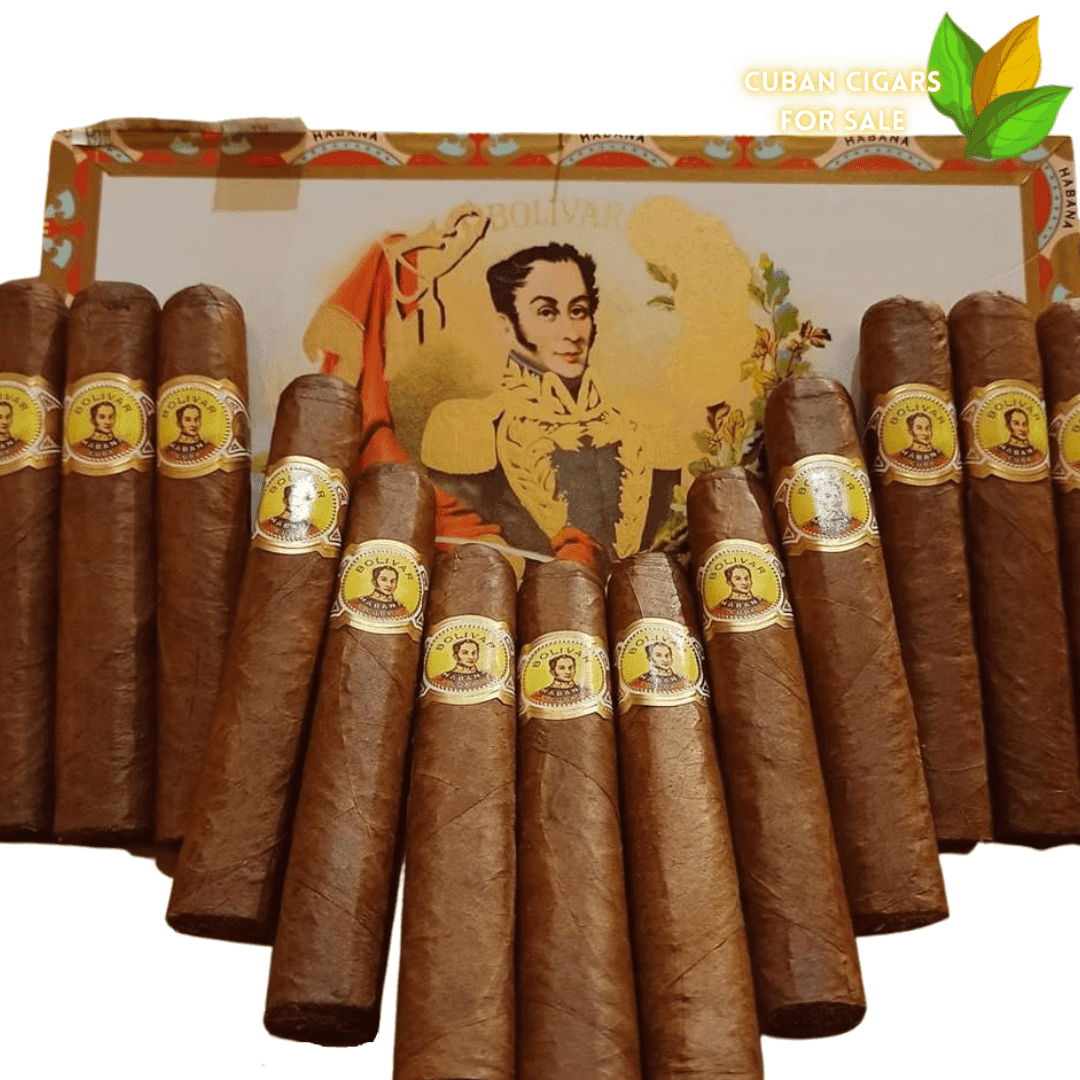
It is fitting that a cigar brand named after such a titan would come to represent the most robust end of the flavor spectrum. While the man liberated nations, the cigar has liberated the palates of smokers looking for intensity and rich character. The brand utilizes his portrait on every box, a reminder that these are cigars meant for those with a taste for the grand and the bold.
Origins and The Rocha Family
While the brand bears the name of a 19th-century hero, the actual inception of Bolivar cigars occurred slightly later. The brand was officially registered in 1901 by José Fernández Rocha. It was established under the ownership of the Rocha Cigar Company, a firm that was already well-regarded for producing high-quality Cuban cigars in Havana.
During the early 20th century, the cigar industry in Cuba was burgeoning, with hundreds of brands vying for attention. Bolivar distinguished itself quickly. By 1921, the brand had solidified its reputation, and the Rocha family expanded operations, ensuring the cigars reached a global audience. They were produced at the famous Rocha factory in Havana, a facility known for meticulous craftsmanship. The early production set the standard for what aficionados expect today: a dark, oily wrapper and a blend that delivers a punch of flavor from the first draw.
The Cifuentes Era and Nationalization
A pivotal moment in the brand's history occurred in 1954, when the Rocha family sold the brand to Cifuentes y Cia, the owners of the illustrious Partagas brand. This acquisition was a game-changer. Under the guidance of Ramón Cifuentes, the Bolivar brand was refined and its production was moved to the Partagas factory on Calle Industria. This move infused the brand with the technical expertise and blending secrets of the Partagas lineage.
However, the Cuban Revolution of 1959 brought uncertainty to the island's cigar industry. Like all private enterprises, the cigar factories were nationalized by the state. Ramón Cifuentes eventually fled Cuba, and for a time, the future of brands like Bolivar hung in the balance. Fortunately, the Cuban government recognized the value of the brand. Production continued, preserving the legacy and the distinctive blend that had made Bolivar famous. Today, Bolivar remains one of the few pre-revolution brands that continues to be produced in Havana, maintaining a direct link to the golden age of Cuban tobacco.
Modern Day: A Habanos Icon
In the contemporary market, Bolivar stands as a pillar of the Habanos portfolio. It is currently manufactured at the Partagas factory, a facility renowned for producing some of the world's most sought-after cigars. The brand has earned a reputation as the "connoisseur's choice" for those who find brands like Montecristo or Romeo y Julieta too mild.
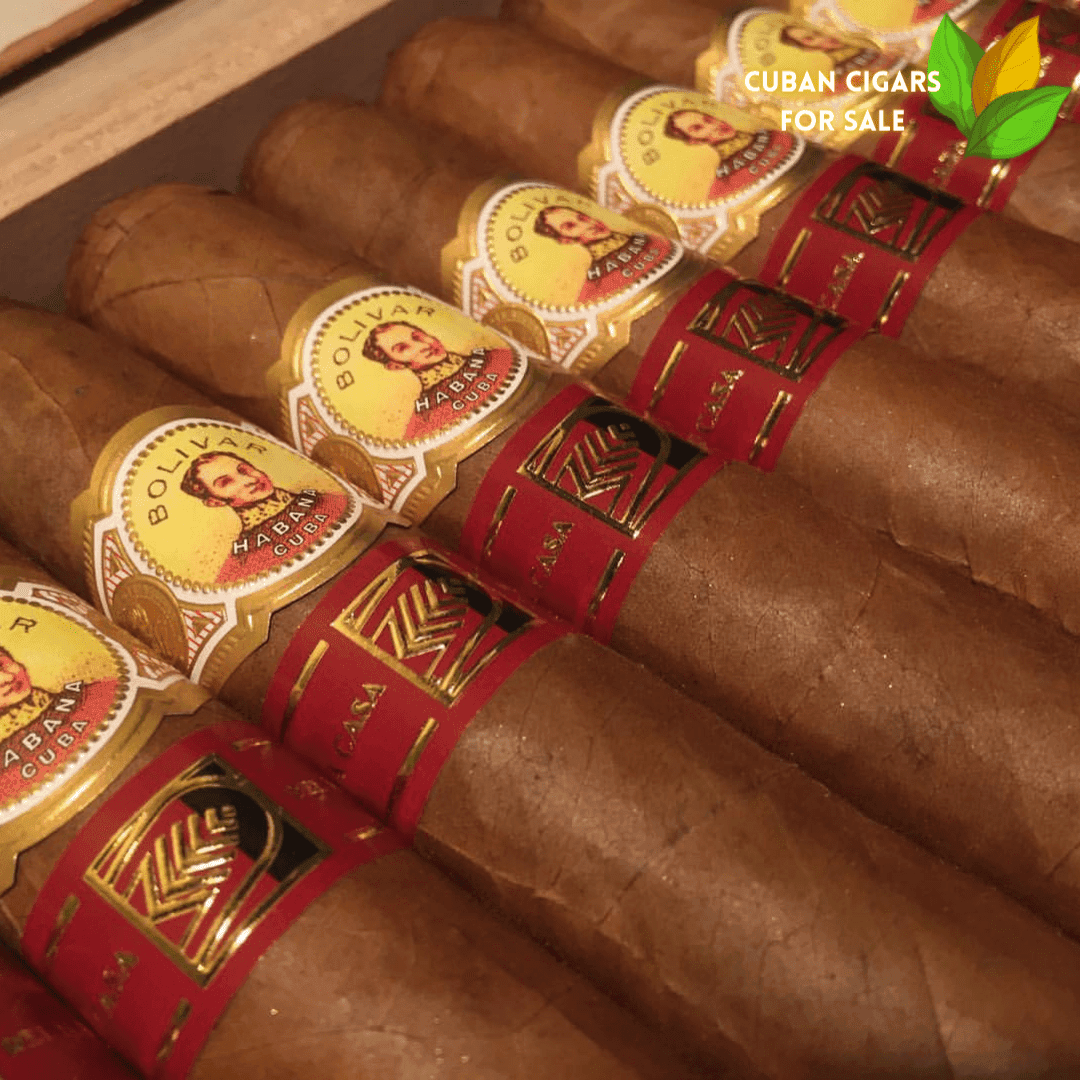
Modern Bolivar cigars are characterized by their full-bodied strength. They utilize tobacco from the Vuelta Abajo region, widely considered the finest tobacco-growing region in the world. The flavor profile is distinct: notes of earth, leather, cedar, and spice dominate the palate, often developing a rich sweetness as the cigar burns down.
Key Vitolas to Explore
The brand offers a range of sizes, or vitolas, but a few stand out as essential smokes for any humidor:
- Bolivar Royal Coronas: Often cited as the benchmark for the brand, this robusto delivers a potent yet balanced flavor profile that ages gracefully.
- Bolivar Belicosos Finos: A beautifully shaped torpedo that concentrates the smoke, intensifying the spice and earth notes.
- Bolivar Petit Coronas: A shorter smoke that does not compromise on the brand's signature power, perfect for a shorter break.
Legacy and Collectibility
For collectors and serious smokers, the history of Bolivar cigars - from Simon Bolivar to modern day is a narrative of consistency and power. While other brands have shifted their blends to suit mass-market tastes, Bolivar has largely remained true to its roots as a strong, flavorful smoke.
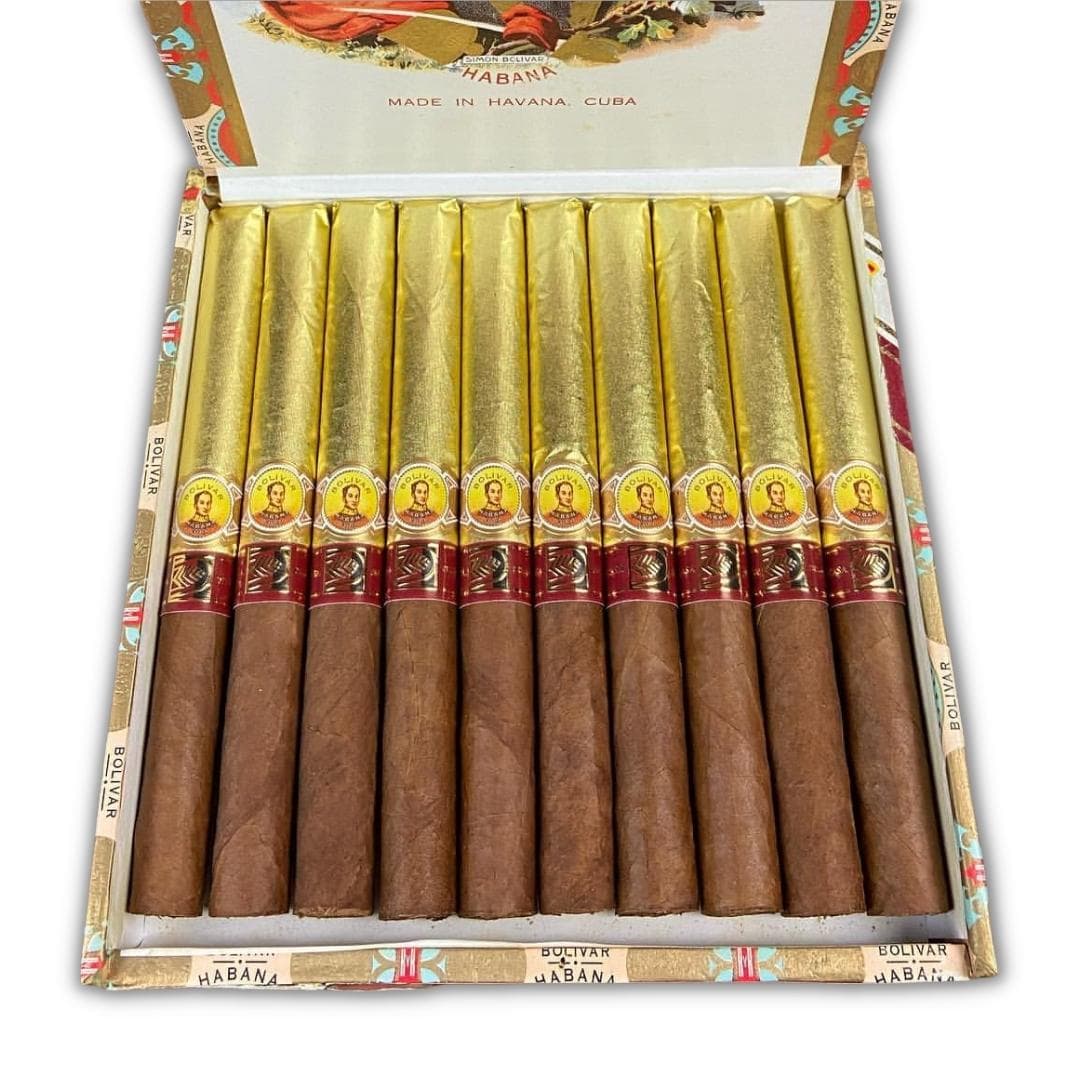
The brand has also seen success with its "Regional Editions" and "Reserva" releases, which utilize aged tobaccos to create complex, limited-edition experiences. These releases are highly sought after and often sell out rapidly, proving that the demand for high-quality, full-bodied Cuban cigars remains as strong as ever.
Whether you are a history buff drawn to the revolutionary name or a palate-driven smoker seeking the ultimate full-bodied experience, Bolivar offers a journey through time in every draw. It remains a testament to the enduring allure of Cuban craftsmanship.