Montecristo is arguably the most recognizable name in the premium cigar world, a brand synonymous with luxury, history, and impeccable taste. However, a cloud of confusion often surrounds this iconic marque due to the existence of two distinct production lines: the original Cuban Montecristo and its non-Cuban counterpart. For enthusiasts looking to expand their palate, understanding the nuances between these two is essential. While they share a name and a logo, they offer vastly different smoking experiences rooted in geography, regulation, and tobacco traditions. In this guide, we are comparing Cuban and non-Cuban Montecristo cigars - what's the difference? and why it matters to your humidor.
The Tale of Two Brands: History and Ownership
To understand the divergence, one must look back at the history. The original Montecristo was born in Cuba in 1935. It quickly rose to prominence, becoming one of the most sought-after habanos globally. However, following the Cuban nationalization of private businesses after the revolution, the trademark owners fled the country. This led to a split: the Cuban brand, managed by Habanos S.A., and the non-Cuban brand, which is currently owned by Imperial Brands and produced in the Dominican Republic for the American market.
While the Cuban version retains the heritage of the original Havana factory, the non-Cuban version was developed to cater to the massive US market during the trade embargo. Consequently, while you may find a "Montecristo White" or "Montecristo Classic" in a US cigar shop, these are distinct from the Cuban Montecristo found in the rest of the world.
Terroir and Tobacco: The Flavor Divide
The most significant difference lies in the raw materials. Cuban cigars are crafted exclusively from tobacco grown in the Vuelta Abajo region of Cuba. This specific microclimate produces tobacco with a distinct mineral richness and a natural sweetness often described as the "Cuban twang."
The Cuban Montecristo Profile
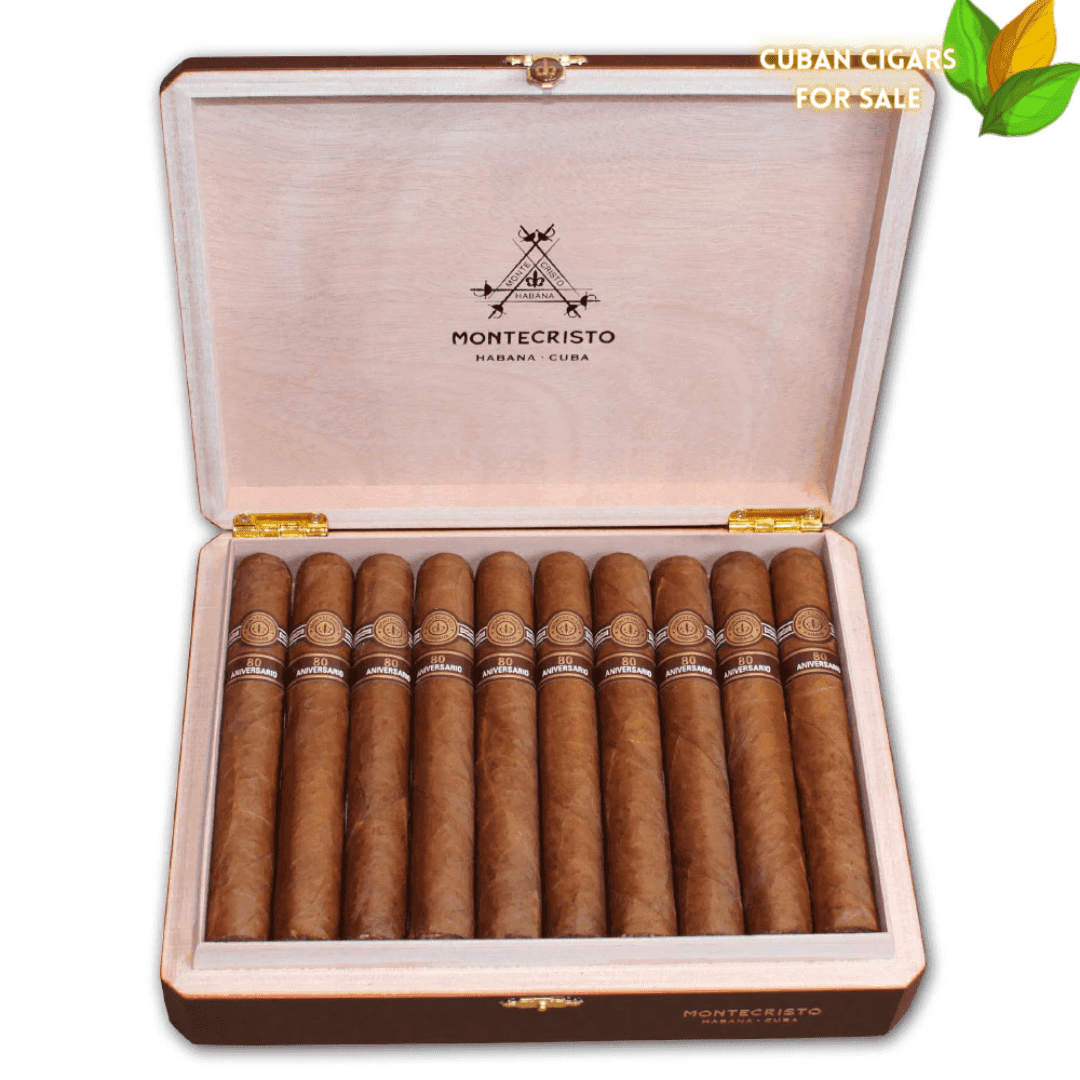
When smoking a genuine Cuban Montecristo, such as the Montecristo No. 4, you are tasting a legacy of Cuban soil. The flavor profile is characterized by:
- Earthiness: A rich, loamy base note.
- Spice: Hints of white pepper and cinnamon.
- Sweetness: Notes of cocoa, coffee bean, and dried fruit.
- Balance: A medium-to-full body that evolves throughout the smoke.
The Non-Cuban Counterpart
Conversely, non-Cuban Montecristos are typically blended with Dominican, Nicaraguan, and Ecuadorian tobaccos. These cigars are often designed to appeal to a broader range of palates, sometimes prioritizing consistency and smoothness over the complex, sometimes aggressive flavor development of a Cuban. They tend to be milder, with notes of cedar, nuts, and cream, lacking the signature grassy and mineral notes inherent to Cuban tobacco.
Construction and Craftsmanship
Construction quality is a frequent point of debate. Non-Cuban cigars, particularly those from major Dominican factories, are renowned for flawless construction and perfect draws. This is often attributed to rigorous quality control standards in modern facilities.
However, Cuban cigars have their own charm. While they have historically suffered from reputation issues regarding tight draws, modern habanos have seen significant improvements in quality control. A well-constructed Cuban Montecristo offers a draw resistance that many aficionados prefer—a slight resistance that cools the smoke—and an ash structure that holds firm. The "tripa larga" (long filler) method used in Cuba ensures a complexity that machine-like consistency cannot always replicate.
Vitolas and Availability
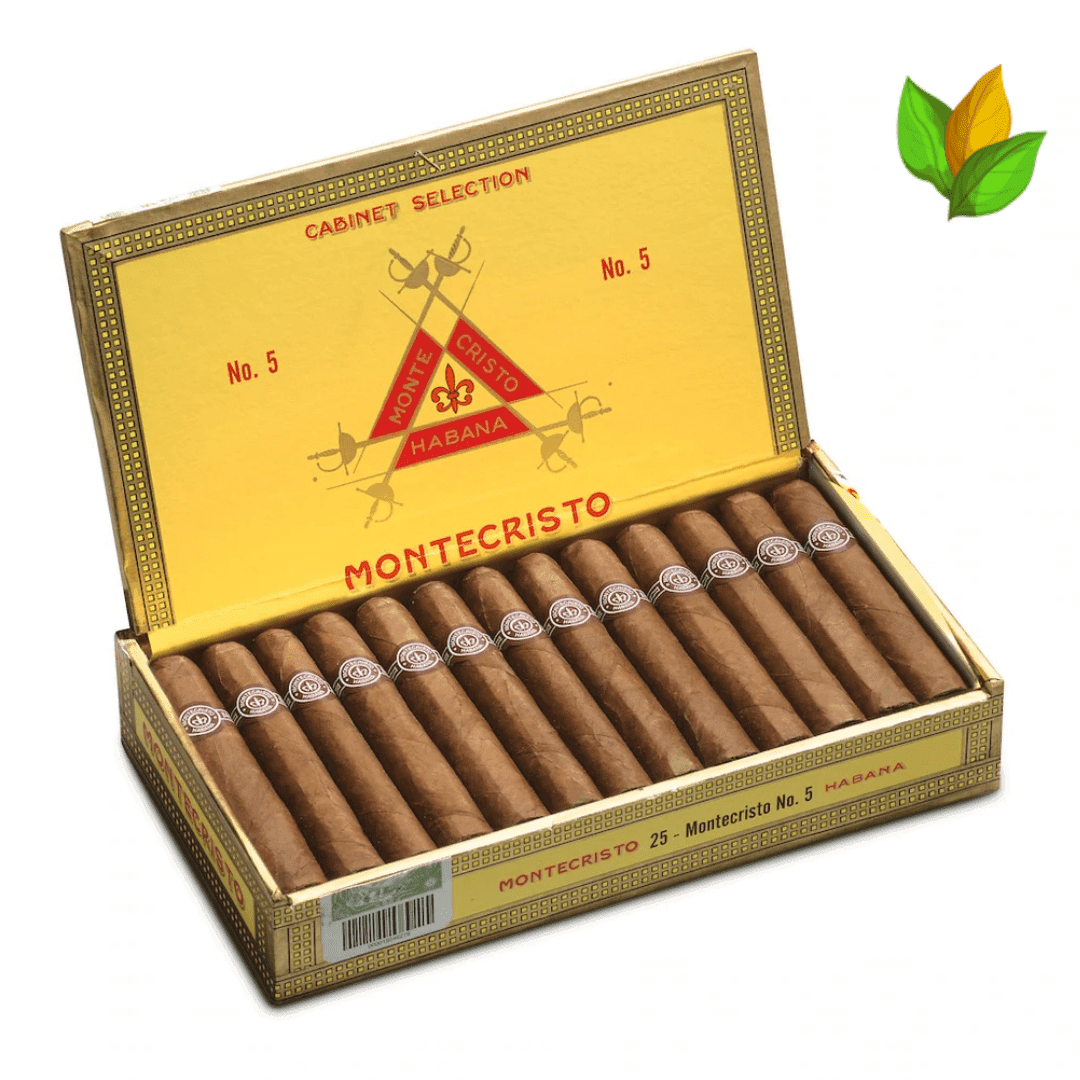
The vitola names are another area of divergence. In Cuba, Montecristo is famous for numbered sizes like the No. 2 (Torpedo), No. 4 (Mareva), and the massive No. 2 (Julieta). The non-Cuban line has introduced a plethora of new names and sizes, such as the White Series and Platinum Series, often with different ring gauges.
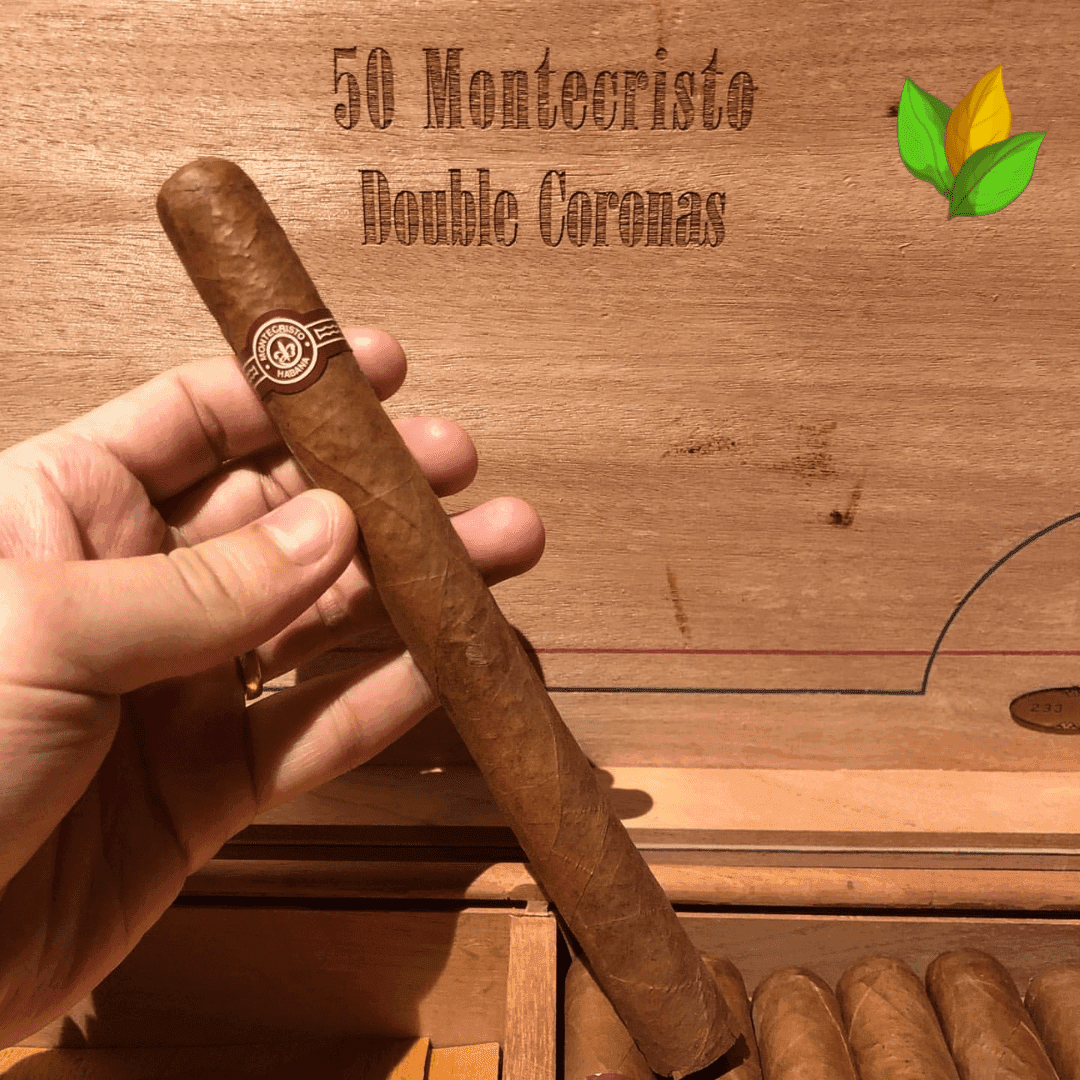
For the true connoisseur, the Montecristo No. 2 remains the gold standard for torpedo-shaped cigars globally. Its availability outside the US is a testament to its enduring popularity, whereas the non-Cuban lines dominate the American domestic market.
Buying Advice: Which Should You Choose?
If you are seeking the classic, storied experience that defined the cigar world for decades, the Cuban Montecristo is the definitive choice. It offers a depth of flavor and a connection to cigar history that non-Cuban counterparts cannot replicate due to the unique properties of Cuban tobacco.
When purchasing, ensure you are buying from a reputable source to avoid counterfeits. Authentic Cuban cigars will feature the Habanos S.A. warranty seal and the correct EMS (English Market Selection) codes. Whether you choose the iconic No. 4 or the majestic Montecristo Esplendidos, you are securing a piece of cigar royalty.
Ultimately, the choice comes down to preference for terroir. The non-Cuban versions are excellent cigars in their own right, but they are different products. For the aficionado asking comparing Cuban and non-Cuban Montecristo cigars - what's the difference?, the answer is simple: one is a tribute to consistency, while the other is a masterpiece of Cuban terroir.