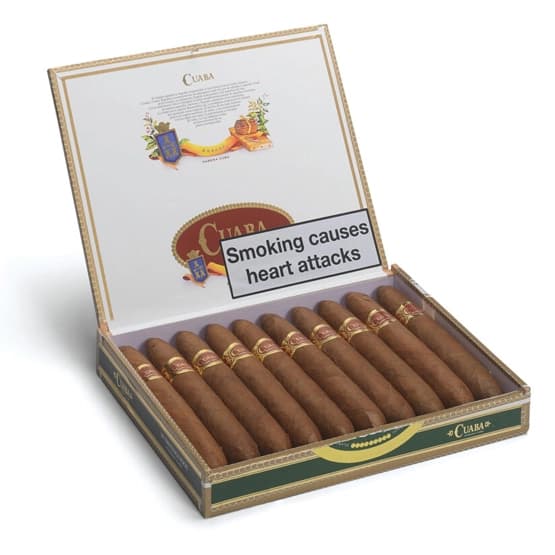
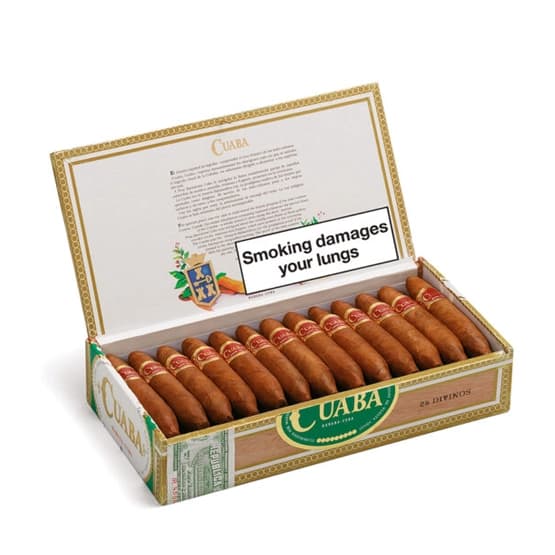
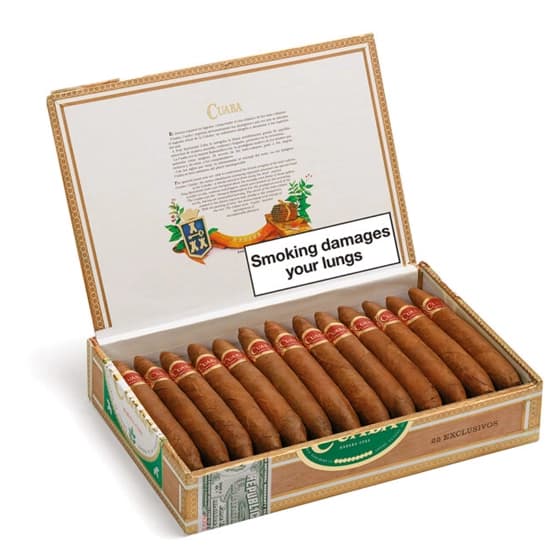
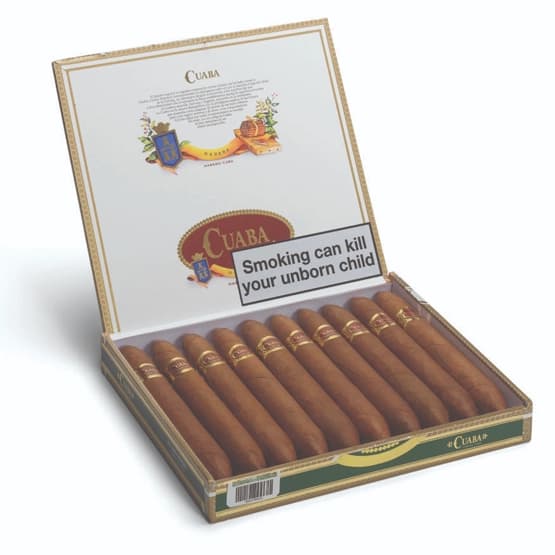
In the exclusive world of premium Habanos, few shapes are as revered or as difficult to master as the figurado. Among the various brands under the Habanos S.A. umbrella, Cuaba has long championed this tapered style, but one specific release stands out for its sheer ambition and limited lifespan. The Cuaba Diadema, a cigar that enjoyed a production run of exactly one decade, remains a hauntingly beautiful artifact for the serious collector. Introduced to the market in the early years of the new millennium, this cigar is no longer rolling off the factory floors, making every surviving specimen a tangible piece of Cuban history that captures a specific era of tobacco artistry.

An Imposing Physical Presence
When one examines the Diadema, the first characteristic that commands attention is its sheer scale. This is not a cigar for the hurried smoker; it is a commitment. Measuring an impressive 233 mm (or 9 1/8 inches) in length, it towers over standard formats. The vitola, known technically as "Diademas" in the factory, features a ring gauge of 55, providing a substantial girth that tapers elegantly at both ends. This double figurado shape is notoriously difficult to roll, requiring a high level of dexterity from the torcedor to ensure a consistent draw throughout such a lengthy smoke. Weighing in at over 21 grams, the construction was strictly handmade, a testament to the rigorous standards of the era. The visual impact is immediate: a long, graceful column of tobacco that promises a smoking time well beyond the ordinary.
A Ten-Year Journey: 2003 to 2013
The timeline of the Diadema tells a story of a specific window in Cuban cigar production. It made its debut on the first day of January in 2003. This launch period was significant, arriving as a special release that signaled Cuaba's intent to push boundaries within its portfolio. However, unlike the flagship brands that maintain core lines for decades, the Diadema had a finite existence. Habanos S.A. ceased production of this specific vitola in 2013.
This ten-year window has elevated the cigar's status considerably. Because it is no longer produced, the Diadema has transitioned from a retail staple to a collector's item. Enthusiasts tracking the evolution of the Cuaba brand view this cigar as a marker of a dynamic period in the industry. Finding a well-preserved box from this era is now a challenge, as the supply has dwindled into the hands of private collectors and specialty auctions.
Packaging and Preservation
Habanos designed the presentation of the Diadema to reflect its premium status. The cigars were originally housed in dress boxes, with each container holding a sparse arrangement of just five units. This limited count per box underscored the exclusivity and the physical size of the cigars themselves.
A distinctive feature of the Diadema’s presentation was the use of plain foil wrapping. Each individual cigar was encased in aluminum foil, a traditional method that serves a dual purpose. Practically, this foil acts as a protective barrier, shielding the delicate wrapper leaf from potential damage and helping to maintain the cigar's humidity. Aesthetically, it provides a classic, old-world feel that differentiates it from modern banded presentations. Collectors should also be aware that these cigars were available in individual slide lid boxes for a time, though this format met the same fate as the cigar itself, disappearing from shelves when production halted in 2013.
The Italian Connection and Regional Exclusivity
Beyond the standard production run, the Diadema gained further mystique through a special regional release. The Italian market was chosen to receive a unique iteration known as the Cuaba Diademas Selección Limitada. This release added another layer of rarity to an already distinct vitola. Regional editions are highly prized in the cigar world, often featuring unique bands or slight variations in blend that cater to specific market preferences. The existence of this Italian exclusive confirms that the Diadema was viewed as a "masterpiece" figure within the Cuaba stable, worthy of special treatment for discerning international markets.