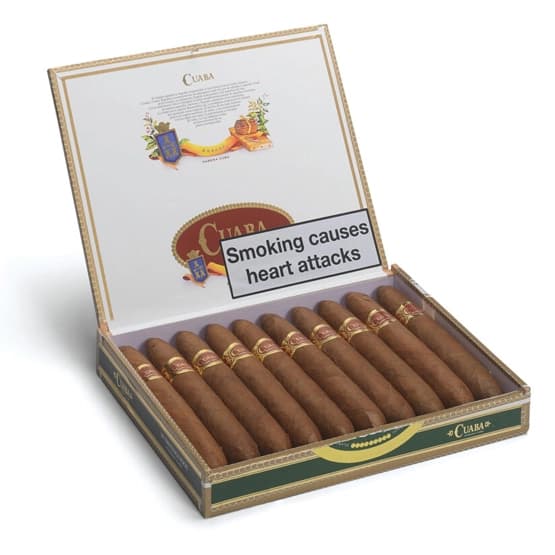
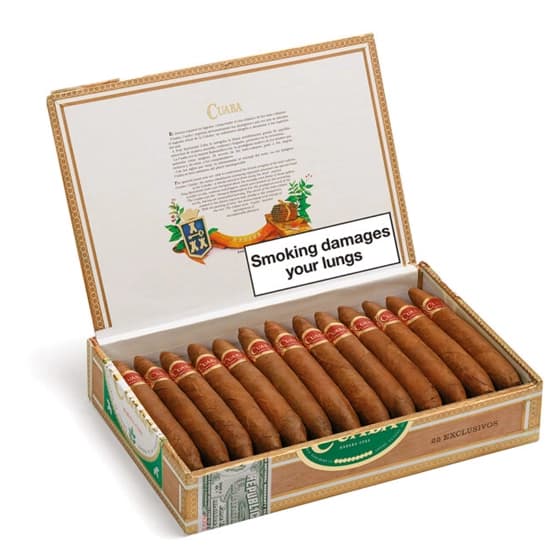
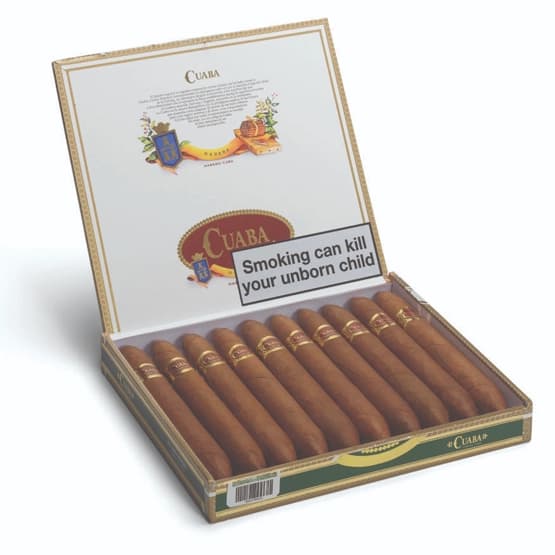
In the rich and storied landscape of Cuban tobacco, few brands have managed to bridge the gap between the Victorian era and the modern age as elegantly as Cuaba. Established in 1996, this marque stands apart from its peers not through centuries of aging, but through a deliberate and artistic resurrection of the past. While many competitors focused on standardizing their offerings, Cuaba was conceived as a homage to the intricate cigar shapes that dominated the 19th century, offering contemporary enthusiasts a chance to experience the architectural complexity of a bygone era.
The Resurrection of the Figurado
The defining characteristic of the Cuaba brand lies in its unwavering commitment to the figurado format. In the world of premium cigars, the standard is typically the parejo—a straight-sided, cylindrical shape with a flat cap. However, Cuaba defied convention from its inception by embracing the tapered, irregular forms that were once the hallmark of Cuban craftsmanship over a hundred years ago. This decision was a bold move by Habanos S.A. to preserve a dying art. Creating a figurado requires a higher level of skill from the torcedor (cigar roller), as the irregular shape demands a precise manipulation of the binder and filler to ensure an even draw. By centering its portfolio around these challenging shapes, Cuaba serves as a guardian of traditional rolling techniques.
Historical Roots and Nomenclature
The brand’s identity is deeply rooted in Cuban lore, extending beyond the tobacco leaf itself. The name "Cuaba" is derived from a specific tree native to the Cuban archipelago. Historically, the wood of the Cuaba tree was highly prized for its combustibility; it was frequently used to light pipes and cigars during the colonial period. By choosing this name, the brand pays tribute to the very act of lighting up, linking the smoker to a time when the ritual of fire was just as important as the smoke itself. This focus on heritage serves to remind aficionados that the cigar is not merely a product, but a cultural artifact steeped in island history.
Visual Identity and Band Evolution
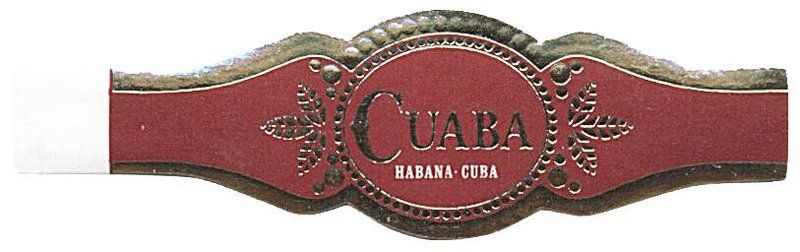
Since its introduction to the market, the visual presentation of Cuaba has maintained a dignified consistency. The brand has utilized what is known in the industry as Band A since 1996. This standard band is distinct for its use of embossing, a textural detail that elevates the perceived value of the cigar and provides a tactile sense of luxury. While the core design has remained stable, the brand has also distinguished itself through limited, commemorative bands that have become highly sought after by collectors worldwide.
Notable Special Releases
For the discerning collector, the standard band is only part of the story. Cuaba has issued specific bands for momentous occasions, creating a timeline of history within its packaging:
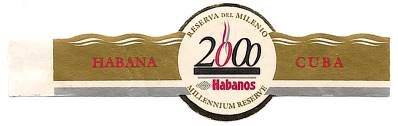
- The Millennium Reserve: To celebrate the turning of the millennium, a special band was created featuring subtle embossing. This release remains one of the most desirable items in the secondary market, capturing the optimism of the year 2000.
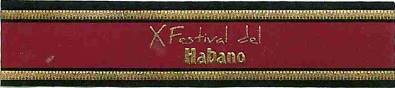
- X Festival del Habano: A decade into the brand's life, Cuaba released a commemorative band for the tenth Festival del Habano. This special edition marked the brand's participation in one of the global cigar industry's most prestigious annual events.
A Modern Niche in a Traditional Portfolio
When compared to titans of the industry like Romeo y Julieta or Partagás, Cuaba is considered a relatively young entity. Yet, its youth is compensated for by its distinct purpose. It has carved out a specific niche for smokers who value the aesthetic and structural artistry of the figurado. The brand acts as a crucial link, ensuring that the complex rolling methods of the 19th century do not vanish in the face of modern mass production. For the modern smoker, lighting a Cuaba is not just about flavor; it is an engagement with a piece of living history, preserved through contemporary craftsmanship.