Description
The Trinidad Vigia: An Underrated Gem That Deserves Your Attention
Look, I’m just going to say it – the Trinidad Vigia doesn’t get nearly enough love in the cigar world, and honestly, I don’t get it. This vitola has been in my regular rotation since I first tried it about five years ago, and every time I light one up, I’m reminded why it’s stuck around. Here’s the thing: Trinidad as a marca has always been shrouded in this mystique – originally exclusive to diplomats and high-ranking officials, blah blah blah – but the Vigia? It’s like the sleeper hit of the lineup that nobody talks about at the cigar lounge. I’m going to walk you through exactly what makes this cigar special, from that first cold draw to the final inch, and why it might just become your new favorite medium-bodied smoke from Cuba.
What Makes the Trinidad Vigia Special?
Trinidad’s history is the stuff of legend. And I know this sounds dramatic, but the brand genuinely represents some of the finest tobacco work coming out of Vuelta Abajo. Initially crafted exclusively for Fidel Castro to give as diplomatic gifts in the 1960s, Trinidad didn’t become commercially available until 1998. The Vigia joined the regular production lineup in 2003 – or was it 2004? Doesn’t matter. What matters is that this particular vitola occupies this sweet spot in the Trinidad range.
The Vigia is essentially a petit corona format, but don’t let the size fool you. This is a cigar that punches way above its weight class. The blend showcases everything Trinidad does well – that signature creamy smoothness, the complexity you expect from premium Habanos, but in a format that doesn’t demand two hours of your time. It’s the cigar I reach for when I want something substantial but I’m not planning to camp out at the lounge all afternoon. Between you and me, I think it’s actually got better flavor concentration than some of the longer vitolas in the line.
Who’s this cigar for? I’d say intermediate to advanced smokers who appreciate subtlety. If you’re the type who needs a full-throttle Nicaraguan puro to feel satisfied, this might not be your speed. But if you’re someone who can appreciate nuance, who actually pays attention to how flavors evolve – yeah, you’re going to love this.
| Specification | Details |
|---|---|
| Vitola | Vigia (Petit Corona) |
| Length | 4.3 inches / 110 mm |
| Ring Gauge | 42 |
| Wrapper | Cuban (Vuelta Abajo) |
| Binder | Cuban |
| Filler | Cuban long filler blend |
| Strength | Mild to Medium |
| Smoking Time | 45-60 minutes |
The Smoking Experience – What You’re Actually Getting
Okay, so let me walk you through what happens when you actually light one of these up. I smoked one last Tuesday evening – around 7 PM, perfect timing after dinner – and the experience reminded me exactly why I keep coming back to this vitola.
The cold draw hits you first with this beautiful cedar note. Not generic “cigar store” cedar, but that specific sweetness you get from quality Cuban tobacco. There’s a hint of cocoa in there too, almost like dark chocolate that hasn’t been sweetened much. The construction on these is typically flawless – I’ve gone through maybe twenty of these over the years and I can count bad draws on one hand. The wrapper has this silky feel, slightly oily but not greasy, with a gorgeous colorado claro shade that catches the light.
First third? Real talk: this is where the Vigia establishes its character. You get immediate creaminess – that signature Trinidad smoothness that made the marca famous. The cedar from the cold draw translates perfectly, but now it’s joined by this subtle coffee note. Not espresso, more like a well-made café con leche. The pepper is there but it’s playing backup, just a gentle tingle on the retrohale. The burn line stays razor-sharp without any touchups, and the ash holds solid for almost an inch before dropping. That light-gray ash with those fine layers? That’s telling you the tobacco was aged properly.
The second third is where things get interesting – and this is what separates a good cigar from a great one. The cream develops more complexity, picking up these earthy undertones. There’s leather in there, and something I can only describe as… hmm, how do I put this… it’s like dried fruit? Figs, maybe. The coffee note deepens a bit, gets richer. The strength creeps up from mild toward medium, but it’s gradual, nothing jarring. What I love here is how balanced everything stays. Some cigars fall apart in the middle, lose the plot – not the Vigia. The pepper increases slightly on the retrohale but never dominates. The aroma at this point is fantastic – my wife actually tolerates this cigar better than most because it’s got this naturally sweet quality to the smoke.
Final third gets a bit bolder. The cedar comes roaring back but now it’s joined by more pronounced cocoa. Actually, scratch that – it’s more like roasted nuts with cocoa. The leather note becomes more prominent. The strength plateaus at a comfortable medium – never aggressive, never demanding you slow down. Some people complain that Trinidads can get too delicate toward the end, but the Vigia maintains its character right down to the nub. I usually smoke it until it’s almost too hot to hold because that final inch is just too good to waste. The finish is long and pleasant, leaving this sweet cedar taste that lingers for a good twenty minutes.
How Does It Stack Up? The Honest Comparison
| Cigar | Strength | Smoking Time | Best For |
|---|---|---|---|
| Trinidad Vigia | Mild-Medium | 45-60 minutes | Afternoon smoke, refined palates |
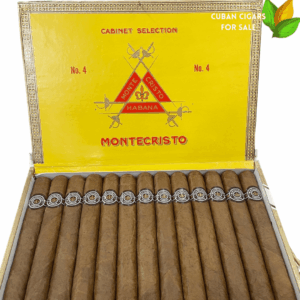
| Montecristo No. 4 | Medium | 40-50 minutes | Classic Cuban experience, beginners |
| Partagás Short | Medium-Full | 30-40 minutes | Bold flavors, quick smoke |
| Romeo y Julieta Petit Coronas | Mild-Medium | 35-45 minutes | Morning smoke, everyday cigar |
Thing is, comparing the Vigia to other petit coronas is tricky because it really does occupy its own space. The Montecristo No. 4 is the obvious comparison – both are iconic, both deliver classic Cuban flavor. But here’s what gets me: the Monte is more straightforward, more “in your face” with its flavors. The Vigia is more elegant, more subtle. If the No. 4 is wearing a leather jacket, the Vigia is wearing a well-tailored suit. Both work, just different vibes.
The Partagás Short is fuller-bodied and quicker – great cigar, don’t get me wrong, but it’s a different animal entirely. That’s your power hitter. The Romeo is probably the closest in terms of strength profile, but I find it less complex, more one-dimensional. Not bad, just simpler.
What to Drink With This Beauty
I’ll be honest with you: I’m probably biased here, but I think the Vigia pairs better with coffee than almost any other Cuban cigar I’ve tried. A good Cuban coffee in the morning or early afternoon? Perfect. The natural coffee notes in the cigar just amplify what’s in your cup. I’m talking real Cuban coffee though, not Starbucks.
For spirits, I lean toward lighter aged rums. A nice añejo rum – something like a well-aged Havana Club Selección de Maestros – complements that cedar and cocoa beautifully without overwhelming the cigar’s subtlety. Cognac works too, particularly a VS or VSOP rather than anything too old or complex. You want something that’ll dance with the cigar, not wrestle it.
Whisky? Hear me out: go with a lighter Scottish single malt. Something from Speyside, maybe Glenlivet 12 or Balvenie DoubleWood. Skip the Islay peat bombs – they’ll just steamroll the Vigia’s delicate flavors.
Occasion-wise? This is my ideal late afternoon cigar. Around 4 or 5 PM, when the day’s winding down but you’re not quite ready for dinner. It’s also fantastic after a light lunch. I’ve smoked it in the morning with coffee, but honestly, I prefer saving it for when I can really focus on it without rushing.
Everything You’re Wondering About the Trinidad Vigia
Is the Trinidad Vigia suitable for beginners?
Look, I’d say yes and no. The strength is definitely beginner-friendly – it’s mild to medium, so you’re not going to get knocked on your butt. But here’s the thing: the flavor profile is subtle enough that a complete beginner might not fully appreciate what’s happening. If you’ve smoked maybe a dozen Cubans and you’re ready to explore beyond the obvious choices, this is perfect. If you’re on your third cigar ever? Maybe try a Montecristo or Romeo first, then come back to this.
How long should I age Trinidad Vigias before smoking?
These actually smoke pretty well fresh, but – and I know some aficionados will disagree with me here – I think they really hit their stride after six months to a year of proper storage. The cream develops more complexity, the cedar mellows out beautifully. I’ve got some with three years on them right now and they’re phenomenal. That said, if you get a box and can’t wait? They’re still excellent young. Just make sure they’re properly humidified at 65-70% RH.
What’s the difference between the Vigia and other Trinidad vitolas?
The Vigia is the petit corona in the lineup – shorter and thinner than vitolas like the Reyes or Coloniales. What this means practically is a more concentrated flavor experience in a shorter smoking time. Some people say the smaller ring gauge delivers more intensity because you’re getting more wrapper-to-filler ratio. I think that’s partially true. The Vigia definitely feels more focused than, say, a Fundadores. It’s got all the Trinidad DNA but in a tighter, more punchy package. No joke, I actually prefer it to some of the larger formats.
Why isn’t the Trinidad Vigia more popular compared to other brands?
Real talk: I think Trinidad as a marca suffers from being too elegant for casual smokers and too expensive for experimenters. It sits in this weird middle ground where serious aficionados know it’s excellent but newcomers go for more famous names like Cohiba or Montecristo. The Vigia specifically doesn’t have the name recognition of a No. 4 or a Lancero format. Also, Trinidad’s marketing has always been more understated. They’re not flashy. But honestly? That’s part of the appeal for me. It’s like knowing a great restaurant that doesn’t have a line out the door.
Can I smoke a Trinidad Vigia right after a meal?
Depends on the meal, honestly. After a heavy steak dinner? Probably not – you might want something fuller-bodied to stand up to those flavors. But after a lighter meal – grilled fish, chicken, even pasta – the Vigia works beautifully. I had one after a seafood lunch in Miami last month and it was perfect. The cigar’s natural sweetness and medium body complemented rather than competed. Best bet? Wait 30-45 minutes after eating, let your palate reset a bit, then light up.
How do I know if my Trinidad Vigia is authentic?
Always buy from authorized Habanos dealers – that’s rule number one. Check for the holographic seal on the box, the proper Habanos warranty seal, and the barcode that can be verified on the Habanos website. The Vigia should have a triple cap, silky wrapper with minimal veins, and firm, even construction. The bands should be perfectly applied with sharp printing. Between you and me, if the deal seems too good to be true, it probably is. Fakes are everywhere, especially online. Stick with reputable sources and you’ll be fine.
What humidity level is best for storing Trinidad Vigias?
I keep mine at 65% RH and 65°F. Some people go higher – 69-70% – but I find that Trinidads in particular do better at slightly lower humidity. They burn more evenly, the draw is perfect, and the flavors seem more defined. Too humid and they can get spongy, the burn gets wonky. Too dry and you lose that creamy texture that makes Trinidad special. Invest in a good hygrometer, check it regularly, and don’t obsess over tiny fluctuations. Consistency matters more than hitting an exact number.
My Final Take on the Trinidad Vigia
So here’s where I land on this cigar. The Trinidad Vigia is one of those vitolas that rewards patience and attention. It’s not going to grab you by the collar and demand you pay attention – it’s more refined than that. But if you slow down, if you actually focus on what’s happening as you smoke it, you’ll discover layers of complexity that keep revealing themselves.
Is it perfect? No cigar is. Occasionally you’ll get one with a slightly tight draw, and yeah, they’re not cheap. But what you’re getting is consistently excellent construction, a sophisticated flavor profile that evolves beautifully from start to finish, and that unmistakable Trinidad quality that made the marca legendary in the first place.
If you’re ready to step beyond the usual suspects, if you appreciate subtlety and elegance in your smokes, if you want something that delivers premium Cuban character without demanding two hours of your time – add a box of these to your humidor. You can thank me later.