Description
The Vigia—Trinidad’s Hidden Powerhouse That Almost Disappeared
I still remember the first time I saw a Trinidad Vigia in someone’s humidor back in 2007. My buddy Raul had just gotten back from Havana and he was showing off like a kid with new baseball cards. Thing is, I’d been collecting Cubans for years and I’d never even heard of this vitola. That’s because—and I didn’t know this at the time—the Vigia was relatively new to the Trinidad line, and the entire brand itself was one of Cuba’s best-kept secrets until the early 2000s. This cigar started as basically a diplomatic gift, something you couldn’t just walk into a store and buy. Now? It’s one of my go-to smokes when I want something substantial but not overwhelming. The Vigia sits in that perfect middle ground—big enough for a proper smoking experience, complex enough to keep you interested, but it won’t knock you on your backside like some of those full-throttle Bolivars.
What Makes This Cigar Worth Your Time
Trinidad as a brand has this interesting backstory that I always find myself explaining to newer cigar enthusiasts. Until 1998, these properly stored premium cigars were essentially off-limits to regular folks like you and me. They were made exclusively for diplomatic purposes—gifts from Castro to foreign dignitaries, that sort of thing. When they finally went commercial, Trinidad entered the market with just one vitola: the Fundadores. The line has grown since then, but it’s still one of the smaller portfolios coming out of Cuba.
The Vigia specifically? It was introduced as part of the expansion, and I’ll be honest—I think it’s underrated compared to its siblings. Maybe it’s because the Fundadores gets all the attention, or maybe people just gravitate toward the bigger ring gauges these days. But the Vigia offers something special: it’s a proper Laguito No. 1 format, which means you’re getting that classic authentic Cuban tobacco pyramid experience with Trinidad’s distinctive tobacco blend. The wrapper comes from Vuelta Abajo, which is basically the Napa Valley of Cuban tobacco—the San Luis region specifically produces some of the finest leaves on the island. Trinidad uses tobacco from the top two leaves of the plant, and you can taste the difference. This isn’t a beginner’s cigar, but it’s not going to intimidate an intermediate smoker either. It’s refined without being delicate, complex without being confusing.
| Specification | Details |
|---|---|
| Vitola | Vigia (Laguito No. 1) |
| Length | 6.1 inches / 155 mm |
| Ring Gauge | 54 |
| Wrapper | Cuban (Vuelta Abajo) |
| Binder | Cuban |
| Filler | Cuban Blend |
| Strength | Medium to Medium-Full |
| Smoking Time | 75-90 minutes |
Lighting Up—What Actually Happens
The cold draw on a properly stored Vigia gives you this preview of what’s coming—a slight earthiness mixed with something almost floral. Not like roses or anything, but more like dried flowers you’d find in a tobacco barn. The foot has that distinct authentic Cuban tobacco aroma that’s hard to describe unless you’ve spent time around these properly stored premium cigars. Hay, maybe? Mixed with sweet tobacco and just a hint of that ammonia tang that tells you the aging process is still doing its thing.
First third comes in stronger than I expected the first time I smoked one. Not harsh—Trinidad doesn’t really do harsh—but there’s an immediate presence of leather and espresso bean. The draw is typically excellent if you’re buying from a reliable location with proper stock conditions. I’ve noticed the burn line can wander a bit in the first inch, but it usually corrects itself without needing a touch-up. The ash holds on for a solid inch and a half, which tells you the construction is on point.
Around the second third—and this is where it gets interesting—the profile shifts. That initial leather mellows out and you start getting these waves of cedar and something nutty. Almond, maybe cashew? I’m probably not sophisticated enough to pinpoint it exactly, but it’s there. The retrohale at this stage is creamy with white pepper accents. Not the aggressive black pepper you get from some Nicaraguan puros, but a gentler spice that complements rather than dominates. The smoke output is generous, which I appreciate. I genuinely don’t understand why some people prefer cigars that barely produce any smoke—half the experience is visual, in my opinion.
Final third is where the Vigia shows its breeding. Some cigars fall apart in the last stretch, getting bitter or hot. The Vigia maintains its composure. The strength picks up—you’ll definitely feel it if you’re smoking on an empty stomach—but it stays smooth. There’s this honey-sweetness that appears, balanced against earthier notes of coffee grounds and cocoa. I usually smoke these down to the nub because the experience stays consistent. The flavor complexity right at the end reminds me why I keep coming back to this vitola specifically.
How It Stacks Up Against Similar Smokes
| Cigar | Strength | Smoking Time | Best For |
|---|---|---|---|
| Trinidad Vigia | Medium-Full | 75-90 min | Afternoon sessions, refined complexity |
| Cohiba Siglo VI | Medium | 90-100 min | Special occasions, smoother profile |
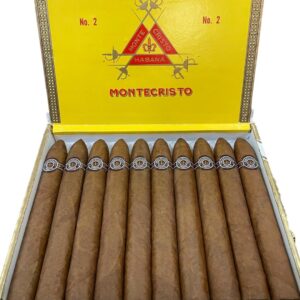
| Montecristo No. 2 | Medium-Full | 60-75 min | Classic Cuban experience, earthier |
I’ve had people ask me how the Vigia compares to a Cohiba’s refined Siglo VI, since both brands have that premium reputation. The Cohiba’s refined Siglo VI—especially something like a Siglo VI—is smoother and more approachable. The Trinidad has more character, more edges to it. It’s less refined in a way that I personally prefer. The Montecristo No. 2 is probably the closest comparison point since it’s also a torpedo format, but the Montecristo leans earthier and the ring gauge is smaller. The Vigia feels more modern somehow, if that makes sense. Actually, scratch that—what I mean is the flavor profile feels less traditional than what you’d expect from classic Cuban marcas.
What To Drink With It
I’ve paired the Vigia with everything from coffee to bourbon over the years. My favorite? A good aged rum. Something like Flor de Caña 18 or Ron Zacapa 23. The sweetness in the rum plays beautifully with that honey note in the final third, and the complexity of aged rum matches the cigar’s sophistication without competing with it. If you’re a whiskey person, go for a lighter Scotch—Highland Park 12 works well—or a rye with some spice to it.
For non-alcoholic options, espresso is your friend here. The coffee notes in the cigar create this interesting mirror effect with actual coffee. I’ve also enjoyed these with a really strong black tea—something like a Assam or Ceylon that can stand up to the tobacco.
Time of day matters with the Vigia. I wouldn’t reach for this first thing in the morning—it’s got too much going on for that. Late afternoon is perfect, or after dinner if you’re not going too heavy on the meal. The smoking time means you need a solid hour and a half without interruptions, so plan accordingly. These are great for poker nights, golf course sessions, or just sitting on the patio watching the sun go down.
How does the Trinidad Vigia compare to other Trinidad vitolas?
The Vigia is bigger and bolder than the Fundadores, which is the original Trinidad size. I’d say it’s the most full-bodied option in the regular production lineup. If you’ve tried the Reyes and found it too mild, the Vigia will be more your speed. The larger ring gauge gives you more filler tobacco, which translates to more complexity and a longer smoking experience.
Is this a good cigar for someone new to factory-aged Cuban cigars?
Depends on your experience with cigars in general, honestly. If you’ve smoked plenty of Nicaraguan or Dominican cigars and you’re just new to Cubans specifically, then yes—the Vigia is a solid introduction to what Trinidad offers. But if you’re brand new to premium cigars altogether, maybe start with something milder like a Montecristo No. 4 or H. H. Upmann’s medium-bodied Half Corona Half Corona. The Vigia won’t hurt you, but you might not appreciate all the nuances yet.
What’s the best way to store Trinidad Vigias?
Same as any Cuban—keep them at 65-68% humidity and around 65-70°F if you can. I’ve noticed Trinidad in general does well with slightly lower humidity than some other marcas. At 70% they can get a bit spongy. If you’re buying a bundle or a box, let them rest in your humidor for at least a month before smoking. These cigars benefit from some downtime to marry the flavors and settle down after shipping.
How can I tell if I’m getting authentic Trinidad Vigias?
Buy from reputable sources—that’s rule number one. Check the band carefully; Trinidad bands are pretty distinctive with that yellowish-gold color scheme. The box should have the standard Cuban warranty seal and factory codes. If you’re shopping online at places like EGM Cigars or SoloCigars, you’re generally in good hands since they source directly. Be wary of deals that seem too good to be true, because they usually are. Fake Trinidads exist, though they’re less common than fake Cohibas since Trinidad isn’t quite as famous.
Do these cigars need aging, or are they ready to smoke?
That’s a “both” answer, which I know is annoying. They’re ready to smoke when you get them—factory-aged Cuban cigars are aged at the factory before release. But will they improve with more time in your humidor? Absolutely. I’ve had Vigias that were amazing fresh and even better after two years of additional rest. The rough edges smooth out, the flavors integrate more, and that honey sweetness becomes more pronounced. If you have the patience and the stock, buy a bundle and smoke one every six months to track the evolution.
Why isn’t Trinidad as well-known as Cohiba or Montecristo?
Production volume, mainly. Trinidad makes way fewer cigars than the major marcas. They were literally a secret brand until 1998, so they missed out on decades of market presence and reputation building. Even now, the Trinidad factory allocations are smaller. You’ll see Cohibas everywhere, but Trinidads? Less common. That scarcity actually works in your favor if you’re looking for something special that not everyone at the cigar lounge is smoking. I kind of like that Trinidad flies under the radar—keeps the hype reasonable and the quality consistent.
What does “Vigia” mean and why is it called that?
Vigia means “lookout” or “watchman” in Spanish—like someone keeping guard. I think it was 2004 when they introduced this vitola? Maybe 2003. Anyway, each Trinidad vitola is named after Spanish colonial architectural terms. Fundadores means “founders,” Coloniales is obvious, and so on. Why a lookout tower for this particular size? No idea, honestly. Maybe because it’s a bigger cigar that “stands watch” over the lineup? I’m probably reading too much into it. The names sound cool and very Cuban, which is probably the main reason.
Final Thoughts From the Humidor
The Trinidad Vigia deserves more attention than it gets. It’s not going to replace your favorite Cohiba if you’re a Cohiba person, and it’s not trying to. What it offers is a distinct Cuban experience with enough complexity to keep you interested from start to finish, wrapped up in a format that’s substantial enough for a proper evening smoke. The construction is reliable, the flavor profile walks that perfect line between approachable and challenging, and the brand history gives you something interesting to talk about the brand’s fascinating story while you’re smoking it.
If you’re expanding your Cuban collection beyond the usual suspects, grab a bundle of these and let them rest for a month or two. Then fire one up on a relaxed afternoon with something good to drink nearby and no place you need to be. That’s when the Vigia really shows you what it’s got. And trust me—you’ll understand why some of us consider this one of Trinidad’s best-kept secrets, even if it’s not really a secret anymore. Check your local stock or browse online retailers like EGM or SoloCigars for current availability, and don’t sleep on this one just because it doesn’t get the same review attention as the big-name vitolas.