Description
Ever Try a Cigar That Was Never Meant for You?
Back in the day – I’m talking late 90s – Trinidad cigars weren’t even on the market. They made them exclusively for Fidel Castro to hand out as diplomatic gifts. That’s it. You couldn’t buy one if you tried. I remember seeing my first box in 2003, maybe 2004, when they finally released them to the public, and thinking: “Well, this better be worth the hype.”
The Trinidad Reyes is the baby of that legendary lineup – and don’t let the size fool you. This isn’t some lightweight petit corona you smoke between meetings. It’s a concentrated punch of everything that makes Trinidad special, packed into 40 minutes of pure enjoyment. Thing is, a lot of aficionados sleep on the Reyes because they’re chasing the bigger vitolas in the line. Their loss, honestly.
If you’re the type who thinks small cigars can’t deliver complexity, the Reyes is about to change your mind. I’m going to walk you through exactly what makes this little powerhouse worth your attention – from that first cold draw through to the nub you’ll inevitably burn your fingers trying to finish.
What Makes Trinidad Reyes Special
Trinidad came from nothing and became everything. The brand stayed under the radar for decades because it wasn’t for us – it was Castro’s personal gift stash. When they finally went commercial in 1998, they only made one vitola: the Fundadores. The Reyes came later, around 2007 if memory serves, when they expanded the line.
What sets Trinidad apart from the pack – and I mean really sets it apart – is the tobacco selection. They use only the top two leaves from the shade-grown plants in Vuelta Abajo. Not the good leaves. The absolute best. And you taste it. That’s not marketing speak; that’s what your palate tells you about ten minutes into the smoke.
The Reyes specifically appeals to smokers who don’t have 90 minutes to dedicate to a Churchill but still want that premium Trinidad experience. You know who you are – lunchtime smokers, guys who sneak one in after dinner, people with demanding jobs or kids who interrupt everything. This cigar respects your time while delivering flavors that rival anything in a robusto format. It’s medium-bodied, sophisticated without being pretentious, and built so well you’ll wonder why other manufacturers can’t get their construction this consistent.
I’m probably biased here, but I genuinely believe the Reyes is the most underrated cigar in the entire Habanos portfolio. Fight me on that.
| Specification | Details |
|---|---|
| Vitola | Reyes (Petit Corona) |
| Length | 4.3 inches / 110 mm |
| Ring Gauge | 40 |
| Wrapper | Cuban (Vuelta Abajo) |
| Binder | Cuban |
| Filler | Cuban long filler blend |
| Strength | Medium |
| Smoking Time | 35-45 minutes |
The Smoking Experience – Third by Third
Right off the bat, the cold draw gives you honey and light cedar. It’s not aggressive – actually, it’s surprisingly delicate for a Cuban. Sometimes you get that ammonia bite on fresh Cubans, but Trinidad tends to come properly aged from the factory. At least that’s been my experience with probably a dozen boxes over the years.
Light it up, and the first third opens with this creamy sweetness that reminds me of coffee with actual cream in it – not that artificial stuff. There’s earth underneath, but it’s subtle. The burn line stays razor-sharp if you don’t puff like a freight train, and the ash holds for a solid inch before it drops. That white-gray ash color tells you everything about the tobacco quality. Within the first ten minutes, you’re getting hints of white pepper on the retrohale – not enough to clear your sinuses, just enough to know it’s there.
The middle section is where it gets interesting. And the wrapper – oh man – it develops this leather quality that pairs beautifully with the increasing cedar notes. Some people taste cocoa here; I get more of a nutty character, like toasted almonds. The strength creeps up just a notch – it stays firmly medium, but there’s more body to it. The construction remains flawless. I’ve smoked maybe fifty of these over the years, and I can count on one hand the times I’ve needed a touch-up. That’s remarkable consistency for any Cuban cigar, let alone one this small.
Final third is where you decide if you’re a true fan or not. The flavors concentrate – that’s what happens when you’re down to the nub. The sweetness fades and you get more earth, more tobacco essence, a bit of spice that wasn’t there before. Some guys put it down at this point. I smoke it until my fingers hurt. The smoke stays cool right to the end if you pace yourself, and there’s this lingering finish on your palate that stays with you for an hour afterward.
No joke, I once smoked a Reyes before dinner at a steakhouse, and I could still taste it through the appetizer. My wife wasn’t thrilled, but I thought it was great.
How It Stacks Up Against the Competition
| Cigar | Strength | Smoking Time | Best For |
|---|---|---|---|
| Trinidad Reyes | Medium | 35-45 minutes | Refined short smoke, lunch breaks |
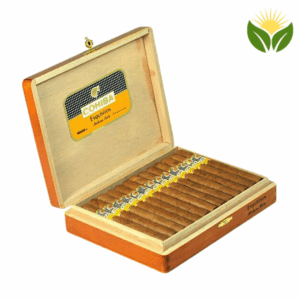
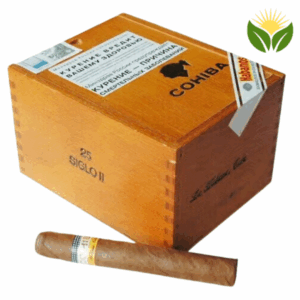
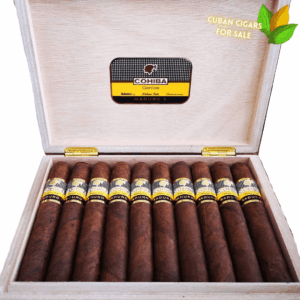
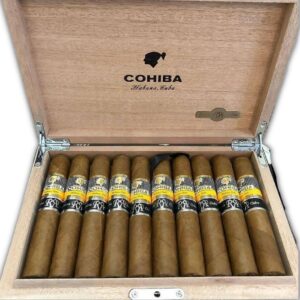
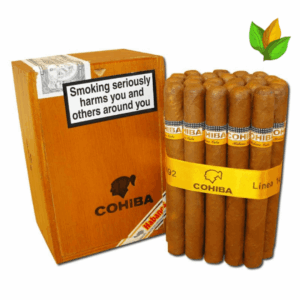
| Cohiba Siglo II | Medium-Plus | 40-50 minutes | Special occasions, showing off |
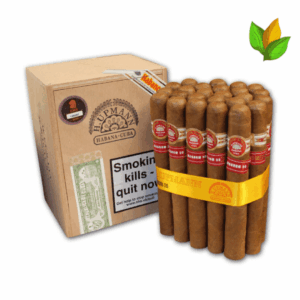
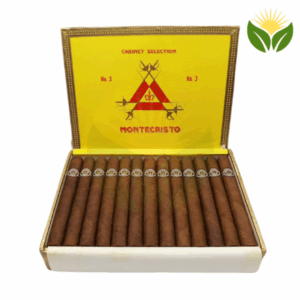
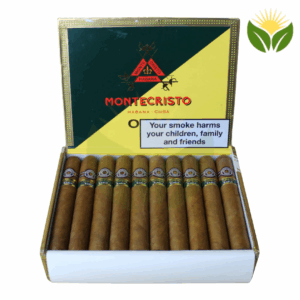
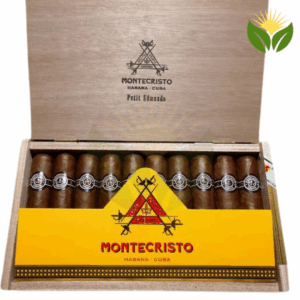
| Montecristo No. 4 | Medium | 45-55 minutes | Classic experience, reliable daily smoke |
People always want to compare the Reyes to the Cohiba Siglo II since they’re similar sizes. I get it – they’re both petit coronas from premium brands. But they’re completely different animals. The Cohiba has more oomph, more in-your-face flavor, whereas the Trinidad is more refined and subtle. It’s like comparing bourbon to a single malt scotch. Both great, totally different experiences.
The Montecristo No. 4 comparison is more apt since they’re closer in strength profile. The Monte is earthier, more straightforward – which isn’t a criticism, that’s its charm. The Reyes has more complexity and evolution. If the No. 4 is a fantastic blues song, the Reyes is jazz. You follow me?
What to Drink With It
Coffee. I’m serious – a good espresso or Cuban coffee if you can get it. The Reyes was basically designed for morning or early afternoon smoking, and coffee amplifies those creamy, nutty flavors in the first half. I’ve tried it with a cortadito probably twenty times, and it’s never disappointed.
If you’re drinking alcohol, go light. A good rum – I like Havana Club Añejo Especial or even the 7 Year – works beautifully. The sweetness complements without overwhelming. I know some guys swear by cognac with their Trinidads, but honestly, I find it covers up too much of the cigar’s subtlety. Save the Hennessy for your Partagás.
Champagne, if you’re feeling fancy. Real champagne, not prosecco. The acidity cuts through the creaminess and resets your palate between thirds. I had this pairing at a wedding once – actually, scratch that – what I mean is, someone handed me champagne while I was smoking a Reyes outside the reception, and it was one of those accidental perfect moments.
Timing-wise, this is your lunch cigar, your mid-afternoon break, your “the kids are finally asleep” reward. It’s not a heavy breakfast smoke and it’s not quite substantial enough for after a big dinner. It lives in that sweet spot of “I have 45 minutes and I want to enjoy them properly.”
How does the Trinidad Reyes compare to other vitolas in the Trinidad line?
The Reyes is the shortest and quickest smoke in the lineup, but it doesn’t sacrifice complexity for size. If you love the Trinidad character but don’t have time for a Fundadores or Vigia, this is your go-to. I actually think the Reyes showcases the tobacco blend more clearly than some of the bigger vitolas because nothing gets muddied by extended smoking time. It’s concentrated excellence.
Can beginners smoke Trinidad Reyes, or is it too advanced?
Honestly? It’s perfect for someone graduating from mild cigars. The medium strength won’t knock you on your butt like a Partagás Serie D, but it’s got enough going on to keep experienced smokers interested. I’d say if you’ve enjoyed a few Montecristos or Hoyo de Monterreys and want to level up, the Reyes is an ideal next step. Just make sure you’re smoking it slowly – beginners tend to puff too fast and miss the nuances.
Should I age Trinidad Reyes, or are they ready to smoke?
They’re usually good to go when you buy them, but a year of rest never hurt anything. I’ve smoked them fresh and with five years on them – the aged ones develop more honey sweetness and lose any rough edges, but the fresh ones are totally enjoyable. If you buy a box, smoke a couple now and forget about the rest for a year. Future you will thank present you.
What’s the best way to cut a Trinidad Reyes with that smaller ring gauge?
Straight cut, no question. The 40 ring gauge doesn’t leave much room for a V-cut, and I’ve never been a punch guy anyway. Use a sharp cutter – a dull one will crush the cap on smaller cigars like this. I learned that the hard way when I tried using a cheap cutter from a gas station and basically destroyed a perfectly good cigar. Take a clean cut, not too deep, and you’re golden.
Is Trinidad Reyes a good gift for a cigar enthusiast?
Absolutely, especially if they appreciate the refined side of Cuban cigars. A box of Reyes shows you know your stuff – it’s not the obvious choice like Cohiba, but it’s every bit as prestigious. Actually, I’d argue it’s a better gift than Cohiba because it doesn’t come with the same “look at me” baggage. It’s for people who care more about the smoke than the label. Plus, the presentation on Trinidad products is gorgeous – that classic yellow band and elegant box make it feel special.
How should I store Trinidad Reyes – any special considerations?
Same as any premium Cuban – 65-70% humidity, around 65-68 degrees if you can manage it. The smaller ring gauge means they’ll actually respond faster to humidity changes than thick cigars, so keep them stable. I keep mine in a separate section of my humidor away from stronger cigars like Bolivars because the Reyes can pick up flavors if you’re not careful. Oh, and don’t store them near cedar blocks that are too fresh – I think the Trinidad character is subtle enough that overpowering cedar smell can interfere with it.
What time of year is best for smoking a Trinidad Reyes?
Spring and fall are perfect – those mild evenings when it’s not too hot or cold. Summer works great too if you’re smoking in the morning before it gets brutal outside. Winter is fine indoors, obviously. Real talk though: the Reyes is versatile enough that season doesn’t matter as much as having the right 45 minutes to dedicate to it. I’ve enjoyed these in every season, and they’ve never felt out of place.
Final Thoughts
The Trinidad Reyes isn’t trying to be the biggest or strongest cigar in your humidor. It’s not competing with Cohiba for name recognition. What it does is deliver an exceptional smoking experience in a format that fits real life – where not every cigar session is a two-hour marathon.
If you appreciate nuanced flavors, impeccable construction, and the heritage of a brand that used to be reserved for heads of state, grab yourself a box. Or start with a five-pack if you’re cautious. But I’m betting you’ll be back for more. This is one of those cigars that quietly becomes a staple in your rotation without you even realizing it happened.
Your humidor has room for one more box, right? Of course it does.