Description
Why the Trinidad Coloniales Deserves More Attention
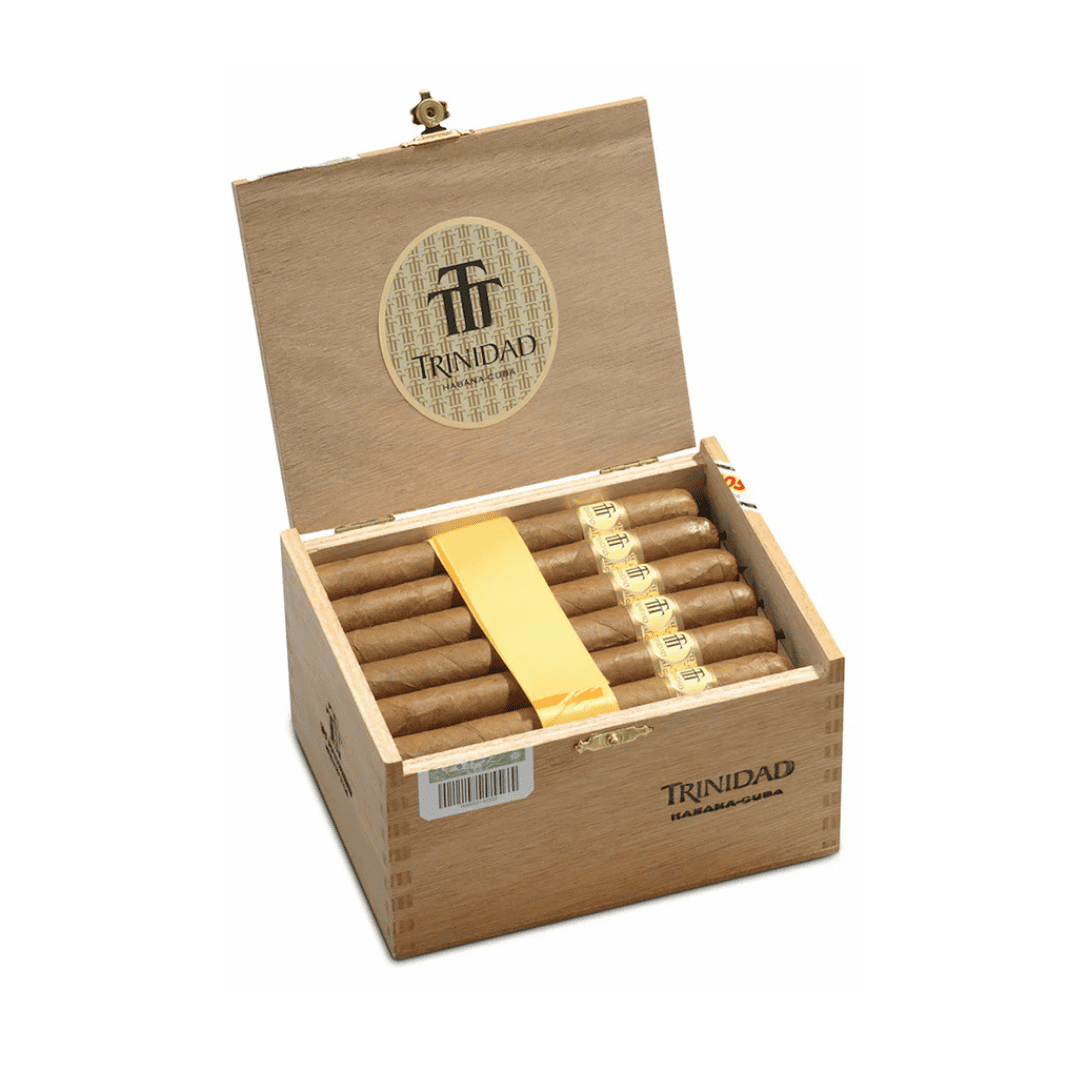
Look, I’m just going to say it – the Trinidad Coloniales is one of the most underappreciated cigars in the entire Habanos portfolio. And I genuinely don’t understand why more aficionados aren’t talking about this gem. Maybe it’s because Trinidad still carries that mystique of being the “diplomat’s cigar” from back when you couldn’t even buy them commercially, or maybe it’s just overshadowed by flashier limited edition releases. Thing is, this robusto delivers an experience that punches way above what most smokers expect from a mild-to-medium Cuban stick. If you’re someone who appreciates nuance over power – and let me be honest with you, that’s where the real artistry lives – then the Coloniales might just become your everyday smoke. I’m going to walk you through exactly why this cigar has earned a permanent spot in my humidor, what you can expect from the flavor journey, and how it stacks up against other cigars in this category.
The Trinidad Story and What Makes Coloniales Special
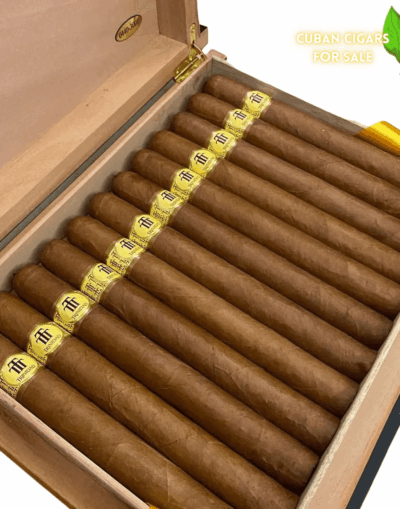
Trinidad has always been the mysterious one in the Habanos family. Created in 1969 exclusively for diplomatic gifts – yeah, you couldn’t just walk into a shop and buy these – the brand didn’t become commercially available until 1998. Even then, they only made one vitola: the Fundadores. The Coloniales came later, introduced in 2004 during that period when Trinidad was expanding its lineup beyond that single, legendary size.
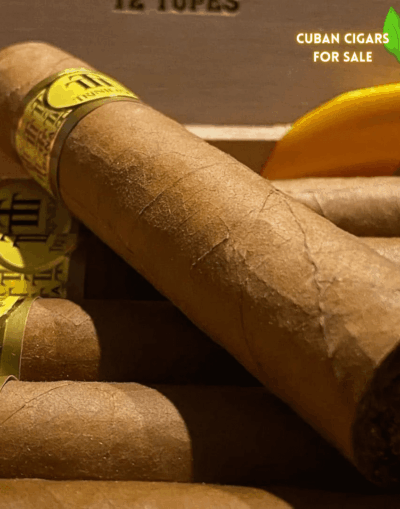
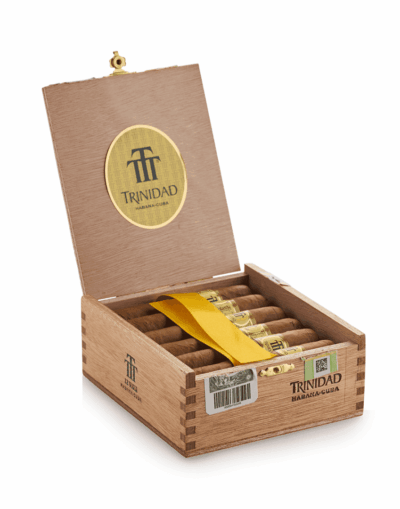
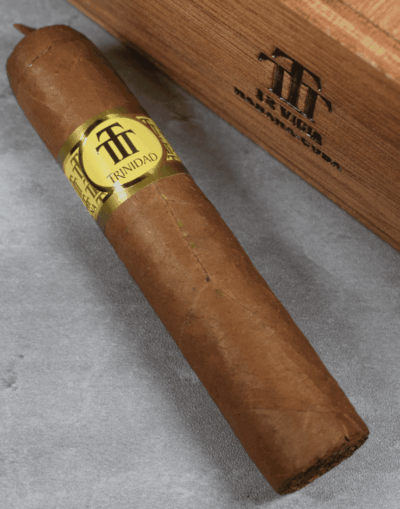
Here’s the thing about this particular vitola – it’s a robusto, but it doesn’t smoke like your typical robusto. The blend uses tobacco from the Vuelta Abajo region (because of course it does, that’s where the magic happens), and the construction is… how do I put this… it’s meticulous without being pretentious. The wrapper has this beautiful, light-brown color with just enough oil to catch the light. When I hold one, it feels dense but not hard. That slight give when you squeeze it gently? That’s what you want.
Who’s this cigar for? Honestly, I think it’s perfect for the smoker who’s moved past needing every cigar to knock them over with strength. If you’re still at that stage where only full-bodied smokes impress you, come back to this in a year or two. But if you’ve reached that point where you appreciate subtlety and complexity – where you can pick out individual flavors instead of just “strong tobacco taste” – then you’re ready for what the Coloniales offers. It’s a mid-morning cigar. A contemplative smoke. Not the cigar you light up at a loud party, but the one you reach for when you’ve got an hour to yourself and actually want to pay attention.
Technical Specifications
| Specification | Details |
|---|---|
| Vitola | Robusto |
| Length | 5.2 inches / 132 mm |
| Ring Gauge | 44 |
| Wrapper | Cuban (Vuelta Abajo) |
| Binder | Cuban |
| Filler | Cuban blend (Vuelta Abajo) |
| Strength | Mild to Medium |
| Smoking Time | 60-75 minutes |
The Smoking Experience: What Actually Happens When You Light It
Okay, so let me walk you through what happens from first light to final puff, because this is where the Coloniales really shows its personality.
The cold draw – before you even toast the foot – gives you this preview of cedar and something slightly sweet. Not sugary sweet, but like… imagine the smell of a quality wooden box that’s been storing vanilla beans. That’s the closest I can get. The pre-light aroma from the wrapper is clean tobacco with a hint of barnyard funk, but the good kind that tells you the leaf has been properly aged.
First third: Right after you light it up and get past those first few slightly harsh puffs (which, real talk, happens with most cigars), the Coloniales settles into this incredibly creamy profile. The dominant note is cedar – and I’m probably biased here since I’m a sucker for cedar notes – but it’s accompanied by this gentle coffee flavor. Not espresso. More like a well-made latte where the milk softens everything. The strength starts mild, bordering on delicate, which threw me off the first time I smoked one because I was expecting more punch. The draw is effortless. The burn line stays razor-sharp without any correction needed, and the ash builds up in this light-gray stack that holds for nearly two inches before dropping into my ashtray.
Second third: Here’s where it gets interesting – and this is what separates a good cigar from a memorable one. The cedar backs off slightly, and you start picking up cocoa notes. Not chocolate exactly, but raw cocoa powder with a slight bitterness that plays beautifully against the creaminess. There’s a whisper of white pepper on the retrohale if you’re paying attention. The spicy element never dominates; it just adds this little zing that keeps your palate engaged. The strength nudges up to a solid medium, which for a Trinidad is about right. The smoke output increases too – thick, luxurious clouds that hang in the air. And the wrapper? Still burning perfectly. No relights, no touch-ups. This is what proper construction looks like.
Final third: Some cigars fall apart in the last act. Not this one. Actually, scratch that – what I mean is, the final third might be my favorite part. The flavors concentrate without becoming harsh or bitter. That cocoa note deepens, the cedar comes back but now it’s mixed with leather undertones, and there’s this lingering coffee finish that stays on your palate between puffs. The spicy element picks up just a touch through the nose. I can smoke it down to about an inch before the heat becomes noticeable, which for a 44-ring gauge is pretty damn impressive. The nub stays firm and cool longer than you’d expect.
Throughout the entire smoke, the construction performs flawlessly. The ash is that light gray color that indicates good combustion and quality tobacco. The burn line self-corrects on the rare occasion it starts to wander. And the flavor transitions are gradual, not jarring – it’s like watching a sunrise instead of flipping a light switch.
How It Compares to Similar Cigars
| Cigar | Strength | Smoking Time | Best For |
|---|---|---|---|
| Trinidad Coloniales | Mild-Medium | 60-75 minutes | Refined palates seeking complexity without overwhelming strength |
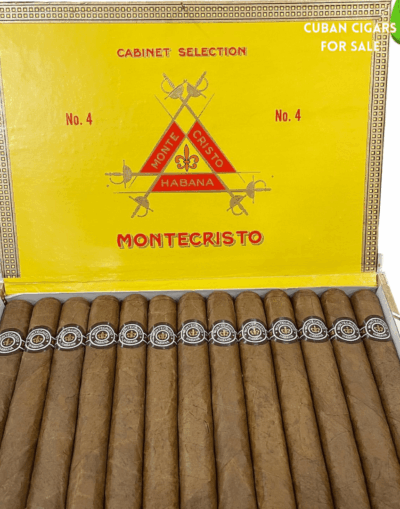
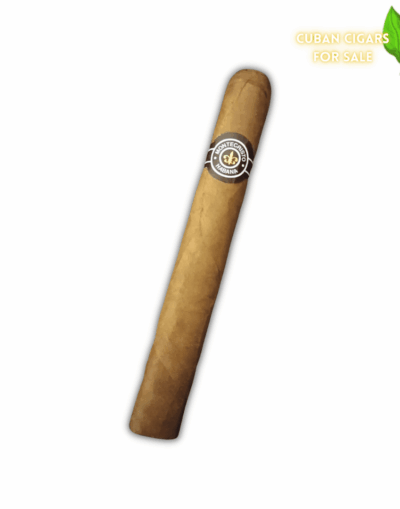
| Montecristo No. 4 | Medium | 45-60 minutes | Classic Cuban experience, slightly more accessible for beginners |
| Romeo y Julieta Short Churchill | Medium | 50-65 minutes | Traditional flavors, less nuanced but very consistent |
| H. Upmann Magnum 46 | Mild-Medium | 55-70 minutes | Similar elegance, slightly earthier profile |
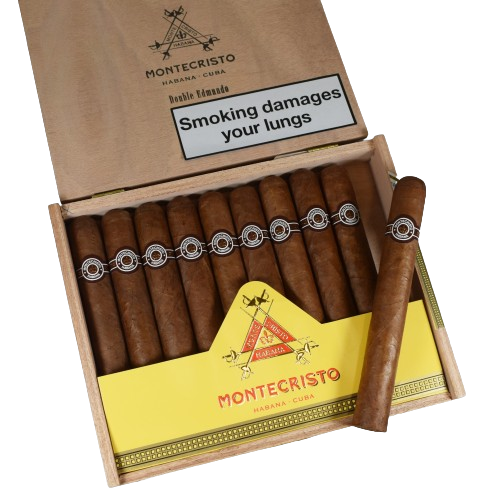
Between you and me, the Montecristo No. 4 gets way more love than it deserves while the Coloniales flies under the radar. Don’t get me wrong – the Monte 4 is a solid smoke, a classic for good reason – but it lacks the refinement you get with Trinidad’s blend. The Short Churchill from Romeo is reliable, maybe even boring if I’m being brutally honest, but it doesn’t have those cocoa notes or that creamy texture. The H. Upmann Magnum 46 is probably the closest comparison in terms of sophistication and strength level, though it leans earthier where the Coloniales goes for elegance.
What to Pair With Your Trinidad Coloniales
Here’s where I get a bit opinionated – and I know some aficionados will disagree with me on this – but I think pairing cigars with the wrong beverage is one of the most common mistakes I see at lounges.
For the Coloniales, you want something that won’t overpower its subtle flavor profile. A rich, peaty scotch? Save it for a Bolivar or Partagás. With this cigar, I reach for a light rum – something like Havana Club 7 Year or a quality aged agricole. The slight sweetness and vanilla notes complement that creamy texture perfectly. Coffee works beautifully too, especially a light roast with nutty characteristics. I had one with a Colombian pour-over once and it was… chef’s kiss. If you’re not a rum or coffee person, try a light lager or even a crisp pilsner. The carbonation cleanses your palate between puffs without competing with the flavors.
Timing-wise, this is my go-to mid-morning smoke. You know those Saturday mornings when you’ve got nowhere to be? That’s Coloniales time. It’s too refined for a rushed after-work smoke, and it doesn’t have the strength for a post-dinner finale. Mid-afternoon with a book, late morning on the golf course, or during a lazy Sunday brunch – that’s when this cigar shines. The mild-to-medium strength means you won’t get that nicotine buzz that ruins the rest of your day.
Frequently Asked Questions
How long should I age Trinidad Coloniales before smoking?
Look, Trinidad cigars come from the factory with decent age already, but I’d give them at least 6-12 months of rest in your humidor if you can wait. The flavors really marry together beautifully after some downtime. I’ve smoked them fresh and I’ve smoked them with three years on them – the difference is noticeable. That cedar-cocoa interplay becomes more pronounced with age, and any rough edges smooth out completely. That said, if you can’t wait, they’re still excellent right out of the box.
What’s the ideal humidity level for storing Coloniales?
I keep mine at 65% relative humidity, which is slightly lower than the traditional 70% most people use. Here’s the thing – at 65%, the cigar burns more evenly and the flavors are cleaner. At 70%, I find they can get a bit mushy and the draw becomes too loose. Trinidad’s construction is excellent, but they’re not packed as tightly as some other marcas, so the lower humidity works better in my experience. Temperature should stay around 65-68°F if possible.
Is the Trinidad Coloniales too mild for experienced smokers?
No joke, this is a misconception that drives me crazy. Mild doesn’t mean boring or lacking complexity – it refers to nicotine strength, not flavor intensity. The Coloniales delivers incredible complexity and nuance; it just won’t knock you on your ass with nicotine. If you’ve reached the point in your cigar journey where you can appreciate subtlety and don’t need every smoke to be a full-throttle powerhouse, you’ll love this. Some of the most experienced aficionados I know prefer cigars in this strength range because you can actually taste what’s happening instead of just getting pummeled by ligero.
How does the Coloniales compare to the Trinidad Fundadores?
The Fundadores is the original Trinidad vitola and it’s longer with a 40 ring gauge versus the Coloniales’ 44. Both share similar DNA in terms of flavor profile – that signature Trinidad elegance with cedar and cocoa – but the Fundadores is more delicate and takes longer to smoke (you’re looking at 90+ minutes). I think the Coloniales is actually more approachable and versatile. The slightly larger ring gauge gives you more filler tobacco, which translates to a bit more complexity and a touch more strength. If you only have time for an hour-long smoke, Coloniales is your move. Got a free afternoon? Then break out the Fundadores.
What makes Trinidad different from other Habanos brands?
Trinidad uses a specific selection of wrapper leaves and filler tobacco that creates this distinctively refined, elegant character. The brand was originally crafted for Fidel Castro to give as diplomatic gifts, so the blenders weren’t constrained by commercial production pressures – they could focus purely on quality and sophistication. The result is a marca that prioritizes finesse over power. You’ll notice Trinidad cigars generally sit in the mild-to-medium range and showcase these beautiful cedar, cocoa, and creamy coffee notes. They’re also known for exceptional construction quality. Compared to bolder brands like Bolivar or Partagás, Trinidad is like comparing a classical guitar solo to heavy metal – both can be excellent, but they’re aiming for completely different experiences.
Can beginners enjoy the Trinidad Coloniales?
Absolutely, and I’d actually recommend it for someone making the transition from Dominican or Nicaraguan cigars to Cubans. The mild-to-medium strength means you won’t get overwhelmed or nauseous, which can happen to newer smokers with stronger Habanos. The flavor profile is refined but approachable – those cedar and coffee notes are familiar and easy to identify. And honestly, starting with a well-constructed, high-quality cigar like this sets the right expectations. My only caveat is that beginners might not fully appreciate the subtlety and complexity until they’ve developed their palate a bit. But will they enjoy it? Yeah, definitely. Just smoke it slowly and pay attention.
What’s the best way to cut and light a Coloniales?
I use a straight cut with a sharp guillotine cutter – just clip right at the cap line, maybe taking off slightly less than you think you need. The 44 ring gauge is forgiving, so you don’t need to overthink it. For lighting, I’m a butane torch guy, but keep the flame a couple inches away and toast the foot evenly until you see that orange glow all the way around. Then take your first gentle puffs to establish the burn. Don’t rush this part. A properly lit cigar makes all the difference, and with a Trinidad, you want to treat it with respect. Avoid soft flame lighters if you can – they can add unwanted flavors and take too long, which can lead to uneven lighting.
Final Thoughts on the Trinidad Coloniales
Real talk: if you’re building a serious Cuban cigar collection and the Trinidad Coloniales isn’t in your rotation, you’re missing out on one of the most refined smoking experiences Habanos S.A. produces. This isn’t the cigar that’s going to impress your buddies who measure quality by how much nicotine they can handle. It’s not going to show up on those “Top 10 Strongest Cubans” lists. And that’s exactly why I love it.
The Coloniales represents what Cuban cigars do better than anyone else – creating complexity and elegance through tobacco selection and blending artistry rather than just cranking up the strength. That cedar-cocoa-coffee profile with creamy texture and subtle spice? That’s the sweet spot for daily smoking. The flawless construction means you’re not gambling every time you light one up. And the mild-to-medium strength means you can enjoy one without writing off the rest of your day.
Whether you’re new to Habanos or you’ve been smoking Cubans since before the internet existed, give the Trinidad Coloniales the time and attention it deserves. Pair it with something light, smoke it slowly, and actually pay attention to what’s happening. I think you’ll understand why this unassuming robusto has earned its place as one of the most underrated cigars in the entire Habanos lineup. And hey, if you try it and disagree with me – well, that just means more for the rest of us.