
Description
Why the Sancho Panza Non Plus Deserves More Attention Than It Gets
I’m probably biased here, but I genuinely don’t understand why more people don’t talk about the Sancho Panza Non Plus. This cigar has been quietly sitting in humidors across the world, doing its thing without much fanfare – and maybe that’s exactly what makes it special. During a trip to Havana back in… I think it was 2007? Maybe 2008. Doesn’t matter. What matters is that this was the cigar that taught me that “mild” doesn’t mean “boring.” The Non Plus is one of those cigars that sneaks up on you. You light it expecting a gentle smoke, and by the second third, you’re reaching for your tasting journal because the complexity catches you completely off guard.
The thing about Sancho Panza as a brand is that it’s always played second fiddle to the heavy hitters – your Cohibas, your Montecristos. But that’s what I love about it. No pretense, no hype, just solid Cuban tobacco crafted the way it’s been done for generations in the Vuelta Abajo region.
What Makes This Cuban Classic Stand Out
Sancho Panza has been around since 1848 – yeah, you read that right. While other brands were busy reinventing themselves every few decades, Sancho Panza stuck to what it knows: delivering smooth, elegant smokes that don’t assault your palate. Named after the faithful companion of Don Quixote, the brand has always been about understated excellence rather than flashy marketing.
The Non Plus vitola specifically represents everything the marca does well. This is a cigar for someone who appreciates subtlety, who doesn’t need every smoke to be a full-bodied punch in the face. I remember introducing my buddy Carlos to this cigar at our local lounge – he’s a guy who usually reaches for Partagás Serie D No. 4s – and watching his face when he realized that a mild-to-medium smoke could hold his attention for the full hour.
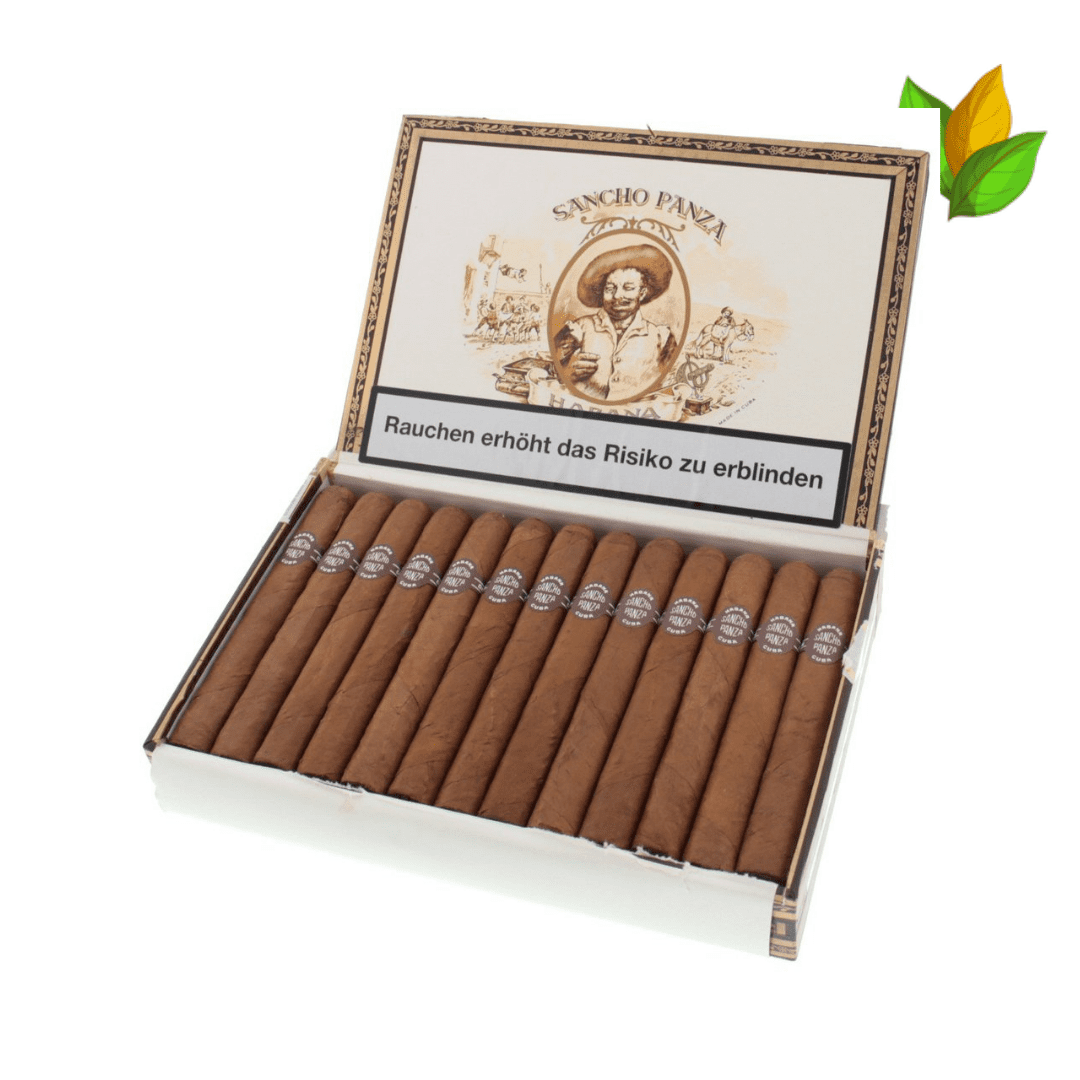
Who’s this cigar for? If you’re new to Cubans, honestly, this is where you should start. Not with those overhyped limited editions that everyone raves about. And if you’re a seasoned smoker who occasionally wants something refined for a morning coffee or an afternoon on the golf course, the Non Plus is calling your name. The wrapper leaf from Vuelta Abajo has this beautiful colorado claro color – that light brown with subtle reddish tones that tells you the aging was done right.
| Specification | Details |
|---|---|
| Vitola | Non Plus |
| Length | 5.2 inches / 132 mm |
| Ring Gauge | 42 |
| Wrapper | Cuban (Vuelta Abajo) |
| Binder | Cuban |
| Filler | Cuban blend (Vuelta Abajo) |
| Strength | Mild to Medium |
| Smoking Time | 45-60 minutes |
The Smoking Experience – Third by Third
The cold draw on the Non Plus is something else. Cedar hits you immediately – and I mean that good cedar, like walking into a proper humidor, not that artificial smell you get from cheap cigar boxes. There’s a hint of sweetness too, almost like honey, but subtle. The draw resistance is perfect, maybe 7 out of 10 if we’re getting technical about it.
Once you toast the foot and take those first few puffs, the smoke production is generous without being overwhelming. The initial flavors? Cream, cedar, and this earthy undertone that reminds me why I fell in love with Cuban tobacco in the first place. The wrapper on mine – I’m pulling from memory of the last box I had – was silky smooth with barely visible veins. Construction was spot-on, which is what you expect from the factory, though I’ll be honest, I’ve had the occasional dud. Comes with the territory of hand-rolled cigars.
The ash holds firm for about an inch before you need to tap it. It’s that light gray color that tells you the tobacco was properly fermented and aged. Not too white, not too dark – just right in that Goldilocks zone.
Second third is where things get interesting – actually, scratch that – what I mean is, this is where the Non Plus shows you it’s not just another mild Cuban. The flavor profile evolves into something more complex. You start picking up these spicy notes, nothing aggressive, but enough to wake up your palate. There’s still that smooth, creamy base, but now you’ve got hints of roasted nuts and maybe – and I might be projecting here – a touch of white pepper on the retrohale. The burn line stays razor-sharp if you’re not puffing too fast. I learned the hard way that this cigar rewards patience.
By the final third, some mild cigars start to fade or get bitter. Not the Non Plus. The earth notes become more pronounced, which I love. That cedar from the first third comes back around, but now it’s mixed with leather and this pleasant woodiness. The strength picks up just slightly – you’re probably at a solid medium now – but it never crosses into harsh territory. I’ve smoked these down to the nub more times than I can count, and that smooth character stays consistent right to the end. The retrohale in this final stretch? Chef’s kiss. Spicy, smooth, with just enough complexity to keep you engaged.
How Does It Stack Up Against Similar Smokes?
| Cigar | Strength | Smoking Time | Best For |
|---|---|---|---|
| Sancho Panza Non Plus | Mild to Medium | 45-60 minutes | Morning smoke, newcomers to Cubans, golf outings |
| H. Upmann Half Corona | Mild to Medium | 25-35 minutes | Quick smoke, lunch breaks |
| Romeo y Julieta Petit Coronas | Mild to Medium | 30-40 minutes | Everyday smoking, budget-friendly option |
| Hoyo de Monterrey Epicure No. 2 | Medium | 45-55 minutes | Aficionados wanting more complexity |
I know some aficionados will disagree with me, but I’ll be blunt: the Non Plus offers better complexity than the Romeo y Julieta Petit Coronas, and it’s less intimidating than jumping straight to an Epicure No. 2. The H. Upmann is great if you’re short on time, but you’re missing out on that flavor evolution you get with the extra length of the Non Plus.
What to Drink With It (And When to Smoke It)
Coffee. That’s my go-to pairing with the Non Plus, and I’m talking about a proper Cuban coffee if you can get it – strong, sweet, served in those tiny cups. The bitterness of the coffee plays beautifully against the smooth, creamy smoke. If coffee’s not your thing, try a light rum. I’ve had great experiences with Havana Club 3 Year – nothing too aged or complex that would overpower the cigar.
For the whiskey drinkers out there, go with something gentle. A Highland Scotch works – think Glenmorangie or Dalwhinnie. Avoid the peaty Islays unless you want the cigar to completely disappear. And speaking of which – anyway, I’ve also paired this with a good Champagne during a wedding reception once. Worked surprisingly well, though my wife thought I was showing off.
Timing-wise, this is a morning or early afternoon cigar. Too mild for after a heavy dinner, but perfect with breakfast on a Saturday or during a round of golf. I keep a few in my travel humidor specifically for situations where I want to enjoy a smoke but don’t want to commit to a two-hour session with a Churchill.
What’s the difference between Non Plus and other Sancho Panza vitolas?
The Non Plus sits right in the middle of the Sancho Panza lineup in terms of size and strength. It’s longer than the Sanchos (which can be a bit short for my taste) but not as hefty as the Molinos. The flavor profile is classic Sancho Panza – smooth and elegant – but the Non Plus gives you enough smoking time to really appreciate the complexity as it develops. I haven’t tried every vitola in the line, so grain of salt, but this one’s my personal favorite for everyday smoking.
How should I store the Non Plus, and does it need aging?
Keep it in your humidor at 65-70% humidity and around 65-70°F, same as any Cuban. As for aging? This cigar smokes beautifully young, but if you can stash a box away for a year or two, the flavors really integrate and smooth out even more. That said, I’ve smoked them fresh from the factory and they’re still excellent. The cedar notes become more refined with age, and that spicy kick mellows into something even smoother.
Is this cigar good for beginners?
Absolutely – actually, I’d argue it’s one of THE best cigars for someone new to Cubans. The mild-to-medium strength means you’re not going to get knocked on your butt with nicotine, but there’s enough flavor complexity to teach you what Cuban tobacco is all about. The construction is usually solid, so you’re not dealing with burn issues that might frustrate a newcomer. Start here before you jump to the full-bodied stuff.
What flavors should I expect from the Non Plus?
Cedar dominates – that classic Cuban cedar note that reminds you of opening a quality humidor. You’ll get cream, earth, and as it progresses, some roasted nuts and gentle spice. The final third brings in leather and wood notes. It’s not going to give you chocolate or coffee like some heavier cigars, but that’s not what Sancho Panza is about. Think elegance and refinement rather than bold, in-your-face flavors.
How does the wrapper quality affect the smoke?
The Vuelta Abajo wrapper on these is usually gorgeous – smooth, oily, with that colorado claro coloring. When the wrapper’s good, and it usually is, you get that silky smooth draw and even burn. I’ve noticed that boxes with slightly darker wrappers tend to have a bit more spice, while the lighter ones lean more toward that creamy, cedar profile. Either way, the wrapper’s doing its job of protecting that beautiful Cuban filler inside.
Can I smoke this in cold weather or is it better for warm days?
Real talk: I’ve smoked these in all kinds of weather. The mild-to-medium body actually makes it pretty versatile. In cold weather, it won’t leave you overwhelmed when your palate is already working overtime. In hot weather, it’s not so heavy that you feel like you’re suffocating. That said, I personally prefer it on mild spring or fall afternoons when I’m not fighting the elements to enjoy the smoke. But who am I to judge? Smoke what you want, when you want.
How long should I let it rest after receiving a shipment?
Give them at least two weeks in your humidor to recover from shipping and acclimate to your humidity levels. A month is even better if you’ve got the patience. I know it’s tempting to light one up right away – trust me, I’ve been there – but the cigar will smoke so much better after it’s had time to rest and stabilize. The flavors integrate, the burn improves, and you’ll actually taste what the cigar’s supposed to deliver.
Final Thoughts on the Non Plus
This is the cigar that made me appreciate what “mild” can actually mean when it’s done right. Too many people chase the full-bodied limited editions and miss out on cigars like the Sancho Panza Non Plus that deliver sophistication without the strength. It’s refined, it’s consistent, and it’s the kind of smoke that reminds you why Cuban cigars earned their reputation in the first place.
Whether you’re new to the world of Habanos or you’re a seasoned aficionado looking for something elegant for a morning smoke, give the Non Plus a chance. Stock your humidor with a few, let them rest, and discover what you’ve been missing. You can thank me later.