Description
The Perfect Evening for a Regios
Picture this: it’s just past eight on a Friday evening, and you’ve finally settled into that weathered leather chair on your back porch. The day’s heat has given way to a gentle breeze, and there’s something satisfying about having earned this moment. This is when I reach for a Saint Luis Rey Regios – not because it’s the most famous Cuban cigar, but because it offers something that even premium Cuban cigars rarely deliver: honest complexity without pretension.
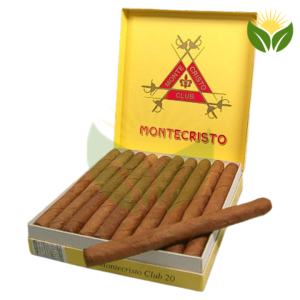
I’ve smoked my share of Montecristo and other legendary brands, but the Regios represents a nice change of pace. It’s a discontinued cigar that was re-released, and honestly, I’m glad it made its way back into production. Where some Cuban cigars demand your full attention from the first draw, this one builds its story gradually.
Construction and Appearance
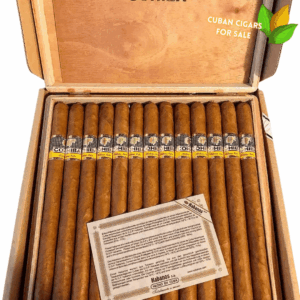
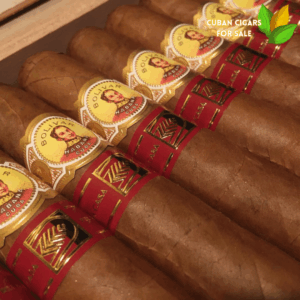
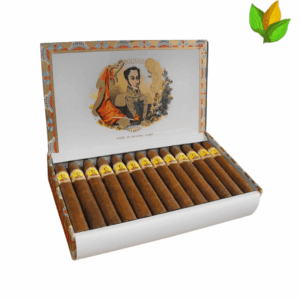
The moment you pick up a Saint Luis Rey Regios, you’ll notice the oily, dark wrapper that speaks to its Cuban heritage. These smooth wrappers have a lustrous quality – not quite mirror-like, but with enough sheen to catch the light beautifully. It’s a dark cigar that’s immediately appealing, with that rustic Cuban Claro coloration that ranges from medium to rich brown.
The construction feels rock solid in your hands. At 10.86 grams, it has the substantial feel you’d expect from quality Cuban production, yet it’s not heavy. The wrapper shows minimal veins and has that distinctive tooth texture that Cuban tobacco enthusiasts know well. When I run my fingers along the length, I can feel the consistent firmness that indicates proper rolling – no soft spots or overpacked areas that would cause draw issues.
The triple cap is cleanly applied, another hallmark of authentic Habanos S.A. craftsmanship. Before lighting, I always take a moment to appreciate the pre-light aroma – there’s nice roasted tobacco right away, with hints of dark honey and subtle leather notes that promise good things ahead.
Flavor Journey Through the Thirds
Here’s where the Regios are quickly turned from good to exceptional in my experience. The flavor development is what makes this cigar special – it’s not just about one dominant note, but how the profile evolves as you smoke.
Opening Third: Setting the Stage
The first few draws deliver a powerful aroma that fills your palate with coffee and cedar notes. I’ve found there’s an immediate complexity here – cinnamon and nutmeg dance alongside darker fruit flavors like plum and cherry. It’s not overwhelming, but you know you’re smoking something serious. The gingerbread and nut flavors add a sweetness that balances the initial spiciness perfectly.
What strikes me most is how controlled everything feels. Some Cuban cigars hit you hard right away, but the Regios builds gradually. The leather notes are present but subtle, letting the sweeter elements shine through.
Middle Third: The Sweet Spot
This is where the cigar really finds its rhythm. The intensity mellows into a medium-bodied smoke that’s incredibly rich and creamy. Sweet tobacco becomes more prominent, joined by toasted nuts and dark chocolate that make your mouth water. The cedar from the opening third remains but takes a supporting role to these richer flavors.
I particularly enjoy how the leather notes evolve here – they’re more refined now, less raw than in the opening. It’s during this section that the cigar earns its reputation for being approachable yet sophisticated.
Final Third: Building to a Crescendo
The final portion is where the Regios shows its full-bodied character. Sweet honey and coffee return with renewed intensity, but now there’s an earthiness that wasn’t present earlier. The strength builds noticeably – this isn’t a mild finish by any means.
The complexity reaches its peak here. All those earlier flavor notes are still present, but they’re deeper, richer, and more integrated. It’s the kind of finish that makes you slow down your smoking pace because you don’t want it to end.
Technical Specifications
| Length | 127mm (5 inches) |
| Ring Gauge | 48 (19.05mm diameter) |
| Vitola | Hermoso No. 4 (Robusto/Corona Extra) |
| Strength | Medium-Full to Strong |
| Smoking Time | 60-80 minutes |
| Wrapper | Cuban Claro (Medium-Brown) |
Perfect Pairings
Given the coffee-dominant flavors in this cigar, the most natural pairing is with a quality espresso or rich Cuban coffee. The cream and honey notes in the Regios complement coffee beautifully – it’s like they were made for each other.
For spirits, I’ve had excellent experiences pairing this with aged rum, particularly Havana Club 15-year or Ron Zacapa 23. The sweet, complex flavors in these rums echo the honey and dark fruit notes in the cigar without competing. If you prefer whiskey, try it with a Highland single malt like Macallan 18 – the sherry cask influence works wonderfully with the cigar’s nutty, chocolatey middle third.
Wine enthusiasts shouldn’t overlook this pairing either. A full-bodied Cabernet Sauvignon or aged Rioja brings out the earthier notes in the final third, while the tannins don’t overpower the cigar’s more delicate flavors. Port is exceptional with the final third – the sweetness and fortified wine strength match the cigar’s building intensity perfectly.
Cutting and Lighting Technique
With that beautiful triple cap, you’ll want to make a clean, precise cut about 1/16 inch from the head. I prefer a sharp guillotine cutter over a V-cut for this particular vitola – it gives you the best draw while preserving the wrapper integrity.
For lighting, take your time. The oily wrapper needs even heat to ignite properly. I use cedar strips when available, but a quality butane torch works perfectly. Toast the foot gently, rotating the cigar to ensure even ignition. Don’t rush this process – uneven lighting will affect the entire smoking experience.
Once lit, take slow, measured draws. This isn’t a cigar you want to puff aggressively. The complex flavor development I described earlier only emerges when you give it proper respect. Proper smoking technique is crucial for getting the full experience from any Cuban cigar, but especially one with this level of complexity.
Who Should Smoke This Cigar
The Saint Luis Rey Regios occupies an interesting space in the Cuban cigar world. It’s sophisticated enough for experienced smokers who appreciate complex flavor development, but approachable enough that intermediate enthusiasts won’t be overwhelmed.
If you’re someone who typically reaches for milder cigars, this might be the perfect step up. The gradual strength build means you’re not thrown into the deep end immediately. Conversely, if you usually smoke full-strength cigars, you’ll appreciate the nuanced flavor journey here – it’s not just about power.
Occasion-wise, this is perfect for those moments when you have time to really focus. It’s not a quick smoke or something you’d light up during conversation. This is for quiet evenings, solo contemplation, or intimate gatherings where the cigar is part of the experience, not background to it.
Authenticity and What to Look For
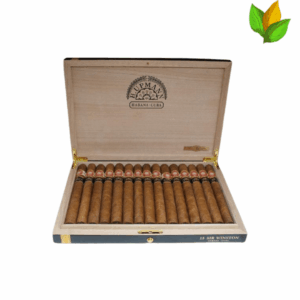
With Cuban cigars, authenticity is everything. Genuine Saint Luis Rey Regios come with specific Habanos S.A. markings you should know. The packing code for 50-cigar cabinets is SLB-UW-GPSR-M-n-50, while boxes of 25 have their own authentication codes.
The band should be crisp with clear red and gold coloring – no blurred text or faded colors. The wooden box must have proper brand logos and Habanos seals. If you’re buying online, stick to authorized retailers who can guarantee authenticity.
Fakes often reveal themselves through poor construction – loose caps, inconsistent firmness, or wrapper issues. The aroma should be clean and appealing; fake Cuban cigars often have off-putting or chemical smells. When you light an authentic Regios, it should burn evenly with a clean, white ash. Poor burn characteristics are immediate red flags.
Weight is another indicator – at 10.86 grams, authentic Regios have a substantial feel. Fakes are often lighter due to inferior tobacco or poor packing.
Storage and Aging Potential
Like all premium Cuban stock, the Saint Luis Rey Regios requires proper storage to maintain its quality. Store them at 70% relative humidity and 21°C (70°F) in a quality humidor. These conditions are critical – too much humidity and you risk mold, too little and the cigars dry out and lose their complexity.
Here’s something interesting about aging these particular cigars: they benefit significantly from 2-3 years of proper storage. Young Regios can sometimes show sharper edges in their flavor profile, but time mellows them beautifully. The coffee and chocolate notes become more integrated, and the strength feels more balanced throughout the smoking experience.
I’ve smoked Regios with five years of age, and the difference is remarkable. The honey sweetness becomes more pronounced, and there’s a creamy smoothness that younger examples don’t quite achieve. If you have the patience and proper humidor setup, buying a box and aging half of them is a rewarding experiment.
Frequently Asked Questions
How does the Saint Luis Rey Regios compare to other Cuban robustos?
The Regios offers more complexity than many robustos in its price range, with a distinctive flavor journey that builds gradually. While it doesn’t have the immediate recognition of a Montecristo or Romeo y Julieta, it provides excellent value for the quality. The coffee and honey notes are more pronounced than in most Cuban robustos, making it quite distinctive.
Is this too strong for someone new to Cuban cigars?
It depends on your tolerance, but I’d generally recommend starting with something milder. While the Regios begins gently, it builds to full strength by the final third. If you’re comfortable with medium-bodied cigars and want to explore stronger options, this could work, but smoke it on a full stomach and have some food nearby.
Why was this cigar discontinued and then brought back?
Cuban cigar production decisions aren’t always publicly explained, but discontinuations often relate to tobacco availability or factory capacity. The fact that it was re-released suggests there was continued demand from retailers and consumers. Many discontinued Cuban cigars that return have been refined or improved during their absence.
What’s the best way to store these if I don’t have a humidor?
Short-term, you can use a sealed plastic container with a humidification device, but this isn’t ideal for extended storage. Cuban cigars from the Vuelta Abajo region are too valuable to risk with improvised storage. If you’re serious about enjoying these cigars at their best, invest in a proper humidor – it’s worth it for the improved smoking experience.
How can I tell if my Regios has been stored properly before purchase?
Well-stored cigars should have slight give when gently squeezed, with no hard or soft spots. The wrapper should have a slight oily sheen and shouldn’t feel dry or brittle. Cracks in the wrapper are a clear sign of poor storage. Reputable retailers will store their Cuban cigars properly, but always inspect before purchasing when possible.