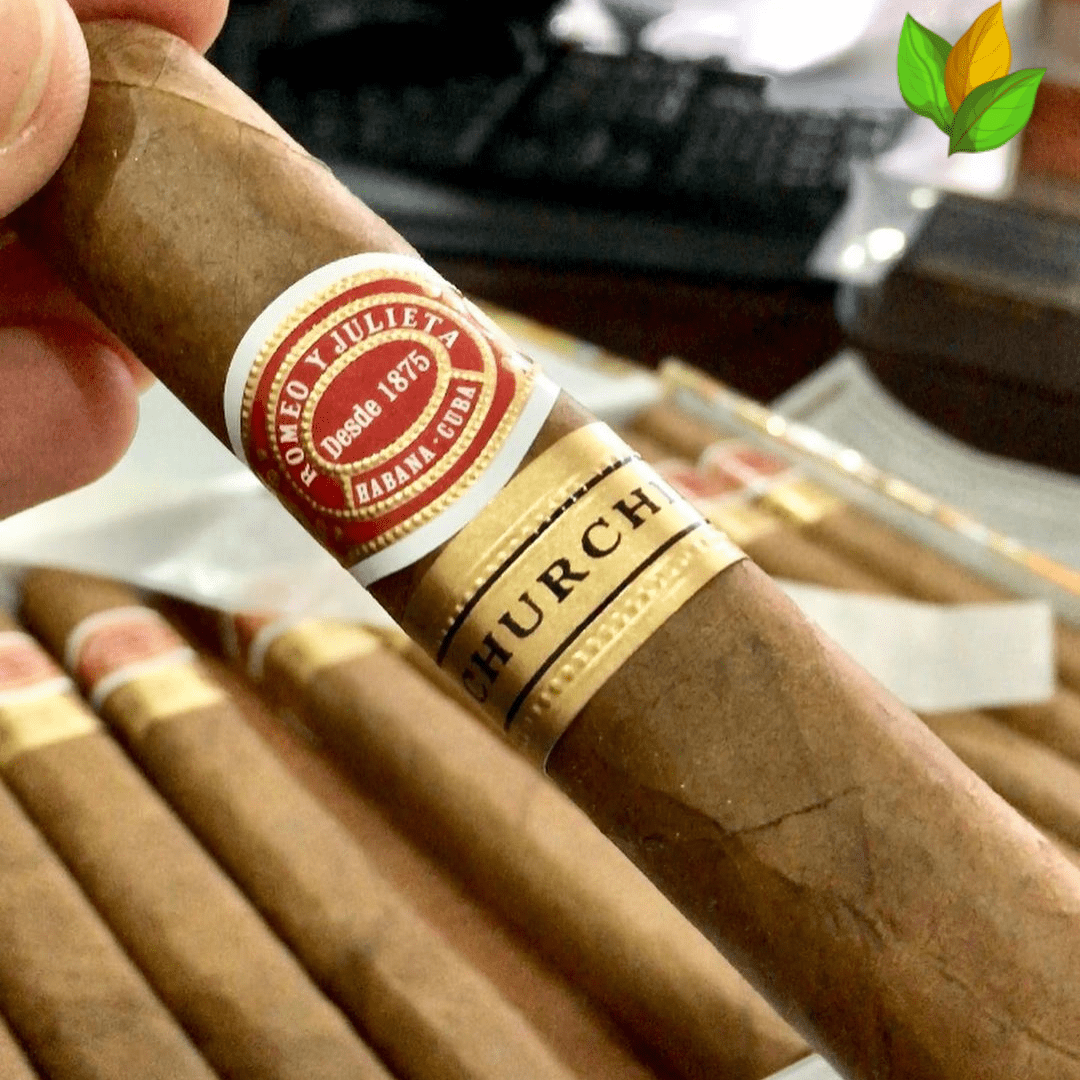

Description
I was out in the garden last Tuesday, and I’m telling you, I had this weird, buzzing energy. You ever get that? I’d just finished pruning the hydrangeas and hauling about six bags of mulch, but instead of wanting to crash on the porch, I felt like I could run a marathon. The sun was dipping low, the air was dead still, and the birds were finally shutting up for the night. It was one of those quiet, silver-blue evenings. I was pacing a bit, still wired from the day’s work, when my old man walks out. He doesn’t say much, just reaches into his pocket and hands me a silver aluminum tube. “For the job well done,” he says. I looked at it, felt the weight, and realized my plans for the next hour and a half were officially set. I wasn’t going anywhere.
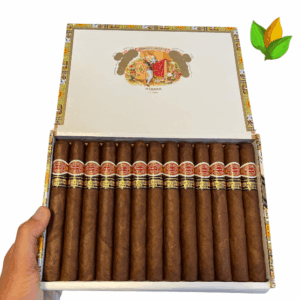
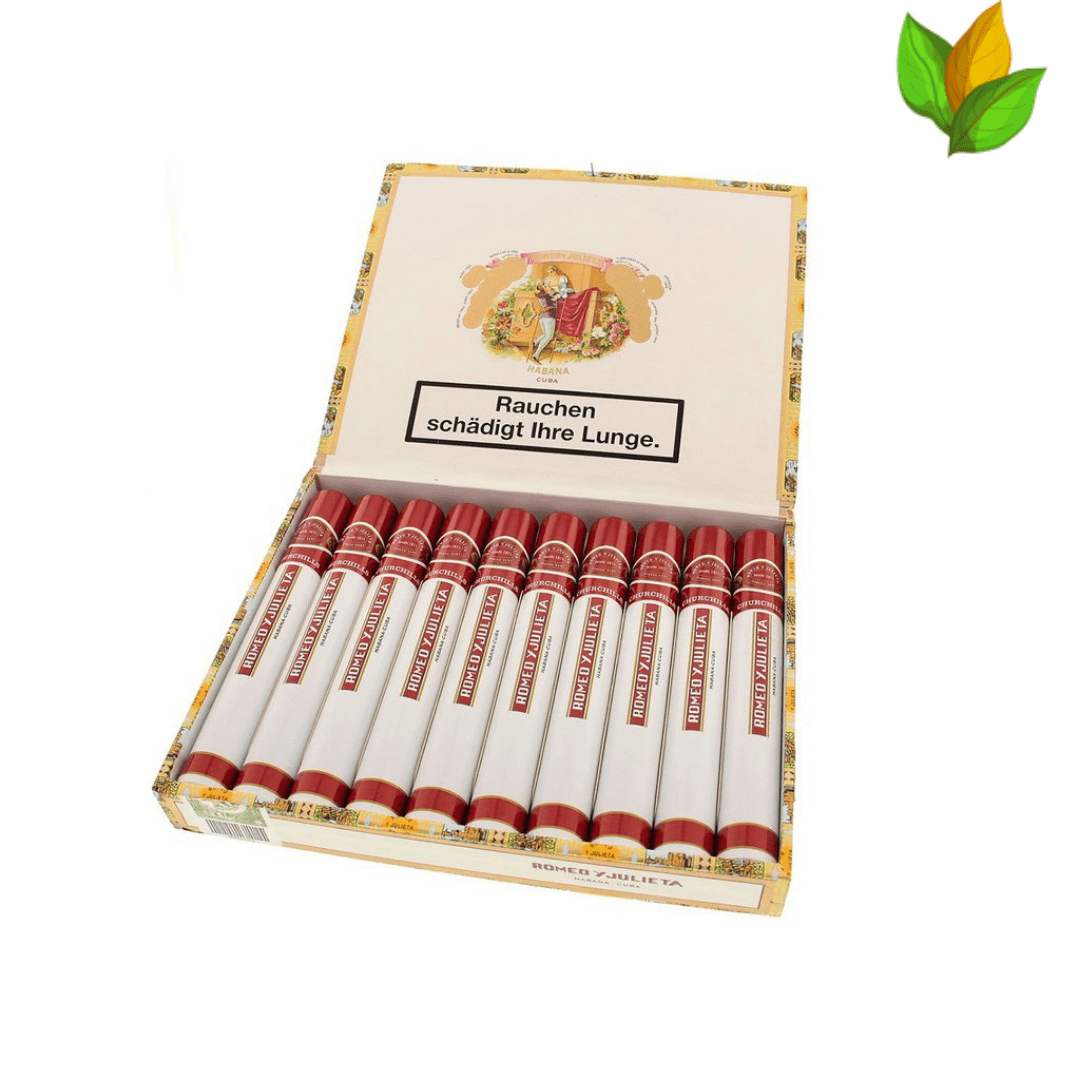
That smoke? The Romeo y Julieta Churchill. Not the Dominican version you see in every corner shop, but the real-deal Cuban flagship. I’ve had my fair share of sticks, but there’s something about holding a Churchill—a proper Julieta No. 2—that makes you feel like you should be deciding the fate of a nation rather than just deciding which lawn chair is the most comfortable. I grabbed my cutter, a heavy pour of something dark, and sat back to see if this thing lived up to the name it’s been carrying since the 1940s.
The Specs
| Vitola | Julieta No. 2 (Churchill) |
| Length | 178 mm (7 inches) |
| Ring Gauge | 47 |
| Origin | Cuba |
| Factory | Briones Montoto |
| Wrapper/Binder/Filler | Vuelta Abajo, Cuba |
| Body/Strength | Medium to Full |
Construction: The Feel in the Hand
I gotta say, the first thing you notice when you pull this out of the tube is the scale. A 47 ring gauge isn’t a “fat” cigar by today’s standards—everyone seems to want those 60-gauge logs these days—but at seven inches long, it has this elegant, commanding presence. It felt solid. Not hard like a rock, but dense. I did a quick weigh-in later out of curiosity, and these things usually sit right around 15 grams. It’s got some heft.
The wrapper was a classic Colorado shade—a sort of reddish-brown that reminds me of old leather bound books. There were a few veins, sure, but that’s Cuban tobacco for you. It isn’t always pretty, but it’s authentic. I ran my thumb down the length and didn’t find a single soft spot. The cap was applied with that typical three-seam precision you expect from the Briones Montoto factory. Before I even lit it, I took a cold draw. I got a hit of dry hay and a weirdly specific floral note, almost like dried rose petals. The draw was firm—just the way I like it—offering enough resistance that I knew I wasn’t going to burn through this thing in twenty minutes.
The First Third: Flowers and Fruit
I toasted the foot slowly. You don’t rush a Churchill. Once I got a steady cherry going, the first few puffs were surprisingly light. I was expecting a punch to the gut, but instead, I got hit with this refined, aromatic profile. I’m talking anise and what I can only describe as Turkish delight. It’s got that rosewater and berry vibe that Romeo y Julieta is famous for. It’s not a “sweet” cigar in the sugary sense, but the aroma is definitely perfume-heavy.
The smoke output was decent, though not cloud-chasing levels. It was thin, blue, and smelled like high-quality tobacco and toasted bread. About an inch in, a little bit of a cherry note started to peek through the floral stuff. It reminded me of those tart dried cherries you get in trail mix. The burn was straight as a razor, which I appreciated because there’s nothing that ruins a quiet garden moment like having to fix a canoeing wrapper every five minutes. The ash was a light grey, holding on for a good inch and a half before I decided to tap it off.
The Second Third: The Meat of the Matter
As I moved into the middle of the stick, the flavors started to ground themselves. That flighty, floral energy from the start began to settle into something more substantial. I started getting cocoa—not milk chocolate, but more like a dry cocoa powder—and a lot more of that toasted bread flavor. This is where the medium-to-full body really started to show its face. The strength was creeping up, but it wasn’t aggressive. It was just… present.
I noticed a distinct “charcoal” or woody note around the halfway mark. It wasn’t bitter, just smoky and deep, like the smell of a campfire the morning after. The anise note stayed in the background, keeping things interesting. I’ve smoked plenty of cigars that turn one-dimensional in the middle, but this Churchill kept shifting. One puff would be creamy and nutty, the next would have a little zing of citrus or baking spice. It’s a complex beast, and you have to pay attention to catch the nuances. If you’re just puffing away while talking, you might miss the subtle rhubarb or nutmeg notes that pop up and vanish.
The Final Third: The Big Finish
By the time I got down to the final couple of inches, the garden was dark and the energy I’d started with had finally mellowed out into a nice, relaxed hum. The cigar, however, was ramping up. The floral notes were long gone, replaced by heavy leather, oak, and a bit of black licorice. The heat started to build, but because of the length of the Julieta No. 2, the smoke stayed relatively cool until the very end.
There was a bit of cinnamon and earthiness that took over the palate. It got a bit more “raw” in terms of tobacco flavor, which is typical for a Cuban Churchill. It finishes strong. I didn’t get any of that harsh ammonia you sometimes find in younger sticks; this one felt like it had been sitting in that tube for a while, letting the oils marry. I smoked it right down to the point where I was burning my fingertips, simply because I didn’t want the experience to end. It’s a commitment, sure, but the payoff in the final third is a solid, punchy reward for your patience.
Pairing Recommendations
I went with a glass of aged rum—something with a bit of molasses sweetness to balance out the cedar and floral notes of the Romeo. If you’re not a rum person, a stout cup of black coffee is a classic move here. The bitterness of the coffee plays well with the cocoa and cherry notes in the second third. I wouldn’t go with anything too delicate, like a light beer or a gin and tonic; the Churchill is too big and too complex for that. You need a drink that can stand up to it without trying to take center stage.
The Legacy of the Julieta No. 2
You can’t talk about this cigar without mentioning the history. Jose ‘Pepin’ Rodriguez Fernandez, the guy who really put Romeo y Julieta on the map back in 1903, was a marketing genius. He knew that if you get the right people smoking your product, the rest will follow. And who was more “right” than Winston Churchill? The man reportedly smoked thousands of these. While the brand has been split since the Revolution—with a Dominican version serving the American market—the Habanos S.A. version remains the benchmark. They even released an Añejados version in 2022, aged for ten years, but for my money, the standard Churchill Tubos is the core experience you need to try at least once.
The Verdict
Is the Romeo y Julieta Churchill for everyone? Probably not. If you’re looking for a quick 20-minute smoke while you walk the dog, this isn’t it. This is a cigar for when you have time to kill and a story to tell. It’s for those moments when you’re feeling energetic and want something that can keep pace with your mood, or when you need something to help you wind down after a long day of manual labor in the garden.
The construction is reliable, the flavor profile is deep without being overwhelming, and it carries a bit of that “old world” charm that’s hard to find in modern blends. It’s not the flashiest cigar in the humidor, and it doesn’t use any “rare” or “limited” gimmicks to get your attention. It’s just a solid, well-made piece of history. If you get one as a gift—or if you’re looking to treat yourself after a productive day—sit down, find a quiet spot, and give it the time it deserves. You won’t regret it.
Solid.