Description
When a Pyramid Gets It Just Right
I remember the first time I held a Romeo y Julieta No. 2. It was at a lounge in Tampa, and my buddy handed it to me with this knowing grin. “Trust me,” he said. And you know what? He was right to be smug about it. This torpedo-shaped beauty isn’t just another Cuban cigar wearing the Romeo y Julieta band – it’s proof that sometimes the classic brands nail a vitola so perfectly that you wonder why anyone bothers making other sizes.
The No. 2 sits in that sweet spot between approachable and sophisticated. It’s not trying to be the boldest smoke in your humidor, but it’s got more character than your average mid-range Cuban. If you’re new to Romeo y Julieta or just looking for a reliable torpedo that won’t disappoint, stick around. I’m going to walk you through everything this cigar brings to the table – the good, the great, and the occasional quirk that reminds you it’s a handmade product from Cuba, not some factory-perfect machine roll.
What Makes This Torpedo Worth Your Time
Romeo y Julieta has been around since 1875, which means they’ve had plenty of time to figure out what works. The brand built its reputation on consistency and elegance rather than power – they’re the gentleman’s choice, if you will. And the No. 2? It’s one of their torpedo vitolas that showcases exactly why this marca has stayed relevant for nearly 150 years.
This cigar features a classic pyramid shape with tobacco from Cuba’s legendary Vuelta Abajo region. That wrapper is gorgeous when you get a fresh box – smooth, oily in the right light, with that distinctive Cuban sheen. The construction is generally solid, though I’ll be honest and say I’ve had the occasional soft spot. Comes with the territory when you’re dealing with Cuban cigars.
Who’s this for? I’d say intermediate smokers who want something refined without being knocked on their ass. It’s also perfect for experienced aficionados who appreciate the subtlety of a well-balanced medium-bodied smoke. Not really a beginner’s cigar – not because it’s too strong, but because newcomers might miss the nuances that make it special. You need a bit of a palate to really appreciate what’s happening here.
| Specification | Details |
|---|---|
| Vitola | Torpedo (Pirámide) |
| Length | 6.1 inches / 156 mm |
| Ring Gauge | 52 |
| Wrapper | Cuban (Vuelta Abajo) |
| Binder | Cuban |
| Filler | Cuban blend |
| Strength | Medium |
| Smoking Time | 60-90 minutes |
The Smoke: From Light to Nub
The cold draw on a properly stored No. 2 gives you hints of what’s coming – light cedar, maybe some hay, a touch of sweetness that’s hard to pin down. Not overwhelming, just inviting. I usually cut mine with a straight cut rather than a V-cut, even though it’s a torpedo. Personal preference, but I find it opens up better that way.
First third comes at you with creamy smoke and a gentle spice that tingles the tongue without being aggressive. There’s this woody core – cedar, definitely, maybe a bit of oak – wrapped in lighter notes of grass and nuts. The burn is usually even if you’re not rushing it, and the ash holds for a solid inch before dropping. Some cigars in this line can be a bit tight on the draw, but when you get a good one, the smoke output is generous and smooth.
Middle section is where this cigar shows its class. The flavors deepen – I start picking up leather, some earth, occasionally a hint of cocoa or coffee that weaves in and out. The spice mellows but doesn’t disappear completely. What I love about this part is the balance. Nothing dominates. It’s like a well-rehearsed band where everyone knows their part. The construction really matters here – a well-made No. 2 will develop complexity without becoming harsh or bitter.
Final third can go one of two ways. When it’s good, you get richer tobacco flavors, maybe some sweetness returning, and a satisfying finish that makes you want to smoke it down as far as possible. When it’s not quite right – and I’ll be blunt, this happens maybe one in five cigars – it can get a bit tannic and sharp. That’s when I’ll set it down with an inch left rather than pushing through. No shame in that. A retrohale in this section, assuming the cigar is performing well, gives you this lovely pepper-and-wood combination that lingers pleasantly.
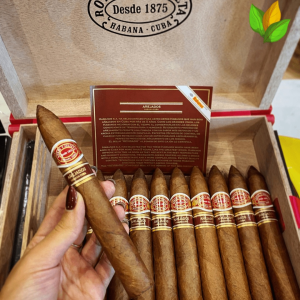
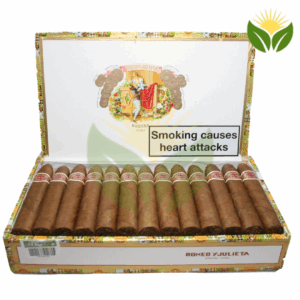
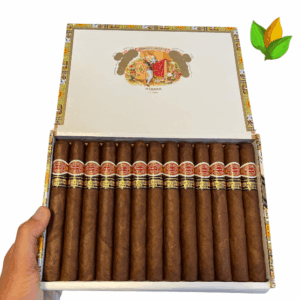
The band, by the way, is classic Romeo y Julieta – ornate, gold and red, impossible to mistake for anything else. I usually remove it about halfway through once the heat loosens the glue. Some people leave it on for the Instagram shot, which – hey, I get it. It’s a photogenic cigar.
| Cigar | Strength | Smoking Time | Best For |
|---|---|---|---|
| Romeo y Julieta No. 2 | Medium | 60-90 min | Refined everyday smoke |
| Montecristo No. 2 | Medium-Full | 60-75 min | Special occasions |
| H. Upmann No. 2 | Medium | 70-90 min | Morning or afternoon |
What to Drink With It
This cigar plays well with others, beverage-wise. My go-to pairing is actually a good aged rum – something like Flor de Caña 12 or Ron Zacapa 23. The sweetness and vanilla notes complement the cigar’s natural flavors without fighting them. If you’re a whisky person, go for something smoother like a Speyside single malt. Balvenie DoubleWood is a winner here.
Coffee works beautifully in the morning or early afternoon – I’m talking a proper Cuban coffee or a quality espresso, not some watery drip brew. The roasted notes echo what’s in the cigar. And if you’re feeling sophisticated, try it with a nice tawny port. The nutty, slightly oxidized character of the port creates this interesting conversation with the tobacco.
Timing-wise, this is an after-lunch or early evening cigar for me. It’s substantial enough to be satisfying but not so heavy that it ruins your palate for the rest of the day. Perfect for a weekend afternoon on the patio or an evening with friends who actually appreciate a good Cuban rather than just wanting to say they smoked one.
How does the Romeo y Julieta No. 2 compare to the Montecristo No. 2?
Honestly? The Montecristo is more powerful and assertive – it’s got that earthy punch that Romeo doesn’t try to match. The Romeo y Julieta No. 2 is smoother, creamier, and more about finesse than strength. If Montecristo is a bold statement, Romeo is a well-crafted conversation. I reach for the Romeo when I want to relax without being overwhelmed, and the Montecristo when I want something that demands my full attention.
Are Romeo y Julieta cigars available in tubos?
Yes, and I actually prefer buying them in tubos when I can. The aluminum tube provides extra protection during shipping and storage, which matters with Cubans. Plus, tubos are great for travel – throw a couple in your bag without worrying about damage. The No. 2 does come in tubos, though they’re less common than boxes of 25. Worth seeking out if you’re buying samplers or want individual cigars for gifting.
What’s a good smoking time for this vitola?
Plan on at least an hour, maybe closer to 90 minutes if you’re taking your time. I know some reviews say you can smoke it faster, but why rush it? This isn’t a cigar you want to puff quickly – it’ll get hot and bitter. Set aside a good chunk of time, slow down, and let the flavors develop properly. If you only have 30 minutes, smoke something smaller.
How should I store Romeo y Julieta cigars?
Standard Cuban storage rules apply – 65-70% humidity, around 65-68°F if you can manage it. I keep mine at 65% because I find they smoke better slightly drier than wetter. If you get a fresh box, let them rest for at least a month before smoking. I know that’s torture, but trust me, it’s worth the wait. The flavors marry and settle in ways that make a real difference.
Is the construction quality consistent with Cuban cigars?
Let me be real with you – it’s Cuban, so there’s variability. Most of the time, construction is very good. Occasionally you’ll get one with a tight draw or a soft spot. That’s just the reality of handmade Cuban products. The quality control has improved over the years, but it’s not Dominican-level consistency. I’ve had boxes where every cigar was perfect and boxes where two or three had issues. It’s part of the Cuban cigar experience, for better or worse.
What makes this vitola special compared to other Romeo y Julieta sizes?
The torpedo shape concentrates the flavors in a way that robusto or Churchill vitolas don’t quite achieve. You get this focused, intense experience, especially in the first half when you’re smoking through the narrower cap. It’s also got enough tobacco and length to develop real complexity over the smoking time. Some people prefer the Churchill for a longer smoke or the Short Churchill for convenience, but the No. 2 hits the sweet spot between size and flavor delivery.
Can beginners enjoy this cigar or is it too complex?
They can smoke it, sure, but they might not fully appreciate what they’re getting. It’s like giving someone who’s only had beer a glass of fine wine – they’ll taste that it’s good, but the subtleties will be lost. I’d recommend beginners start with something more straightforward and affordable, build up their palate, then come back to this. You’ll get so much more out of it with some experience under your belt. That said, if a beginner wants to try a premium Cuban and understands they’re still learning, this isn’t a bad choice.
Final Thoughts on the No. 2
The Romeo y Julieta No. 2 is what I call a “grown-up” cigar. It doesn’t shout for attention with bold strength or exotic flavors, but it delivers a refined, balanced experience that keeps you coming back. The torpedo shape adds just enough complexity to keep things interesting without being demanding. Yes, you’ll occasionally get construction issues because it’s Cuban, and yes, there are flashier options out there if you want to impress people who don’t really know cigars.
But if you appreciate what a well-made medium-bodied Cuban can do – that elegant balance, those subtle shifts in flavor, that creamy smoke – this one deserves a spot in your rotation. Buy a box, let them rest, and discover why this vitola has earned its place in the Romeo y Julieta lineup. You won’t regret it.