Description
When Tradition Meets Perfection in a Torpedo
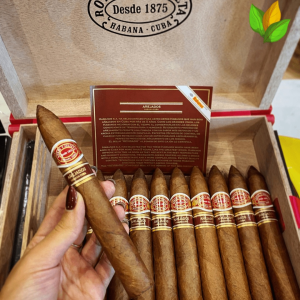
Look, I’ve been chasing the perfect Cuban torpedo for about three decades now, and the Romeo y Julieta No. 2 keeps pulling me back. Here’s the thing – this isn’t just another cigar from the Romeo lineup. This is the vitola that convinced me back in ’97 that torpedo shapes could deliver complexity that even robustos sometimes miss. I remember lighting one up at a café in Varadero, and that first draw… man, it was like the tobacco was telling me a story I’d been waiting to hear. Between you and me, if someone says they’re serious about Habanos but haven’t spent time with this particular gem, I question their commitment. What makes the No. 2 special isn’t just the pedigree – though Romeo y Julieta’s got that in spades – it’s how this cigar manages to be approachable for newer smokers while still keeping veterans like me coming back for more.
The Romeo Legacy Lives Here
Romeo y Julieta’s been crafting cigars since 1875, but don’t let that long history fool you into thinking they’re stuck in the past. The No. 2, classified as a Torpedo vitola, represents everything that makes this brand legendary in the cigar world. We’re talking about tobacco grown in the Vuelta Abajo region – and if you know anything about Cuban terroir, you know that’s the gold standard. The wrapper leaf alone gets more attention than most cigars receive in their entire production process.
This particular smoke targets the aficionado who appreciates balance. Not gonna lie, I’ve seen complete beginners fall in love with this cigar, and I’ve watched seasoned collectors light one up during special occasions. The beauty is in its versatility. The smooth, mild-to-medium strength profile doesn’t assault your palate, but it’s not boring either – there’s genuine complexity here that reveals itself slowly, deliberately. Thing is, Romeo y Julieta built their reputation on consistency and elegance, and the No. 2 embodies both qualities. When you hold one, you feel the care that went into rolling it. The craftsmanship is evident before you even reach for your cutter.
Technical Specifications
| Specification | Details |
|---|---|
| Vitola | Torpedo (Piramide) |
| Length | 6.1 inches / 156 mm |
| Ring Gauge | 52 |
| Wrapper | Cuban (Vuelta Abajo) |
| Binder | Cuban |
| Filler | Cuban blend |
| Strength | Mild to Medium |
| Smoking Time | 60-90 minutes |
The Journey Through Each Third – What Actually Happens
Okay, so let me walk you through what happens when you light this beauty up, because the experience shifts in ways that surprised even me the first time.
The cold draw gives you hints of what’s coming – there’s this subtle cedar aroma mixed with something slightly sweet. Not honey-sweet, more like… hmm, how do I put this… like aged tobacco that’s been resting in Spanish cedar for years. You know that smell when you open a well-maintained humidor? That exact thing. Once you toast the foot and take that first puff, the smoke is immediately creamy. The wrapper quality shows itself right away – smooth, almost silky smoke production. Those initial flavors lean toward mild cedar and a gentle earthiness. There’s a leather note hiding in the background, but it’s not aggressive. Actually, scratch that – what I mean is, it’s there but it doesn’t dominate. Some light coffee undertones start appearing around ten minutes in, and that’s when I usually settle into my chair and commit to the full experience.
The second third? This is where the No. 2 earns its reputation. The strength builds slightly – we’re still nowhere near full-bodied territory, but there’s more presence now. The coffee notes I mentioned earlier become more pronounced, mixing with this beautiful cedar character that never really leaves. And then – oh man – you start getting these spicy hints on the retrohale. Not pepper-bomb spicy like some Nicaraguan powerhouses, but this elegant, refined spice that complements rather than competes. My buddy Carlos from the cigar club calls this the “sweet spot” of the cigar, and honestly? He’s right. The construction remains flawless – even burn, firm ash that holds for a solid inch before dropping. The draw stays perfect throughout, which isn’t always a given even with premium Habanos.
Final third is where commitment pays off. Some aficionados abandon cigars in the last stretch, but not this one. The flavors intensify without becoming harsh – that’s the mark of quality filler tobacco. The leather notes that were playing subtle in the first two thirds now step forward, joining the cedar and coffee in this complex dance. There’s an herbal quality that emerges, almost tea-like, and the aroma becomes richer, fuller. If you’re paying attention – really paying attention – there’s a slight cocoa finish that appears right near the end. No joke, the first time I noticed it, I thought I was imagining things. Smoked another one the next week specifically to check, and yep, it’s there. The cigar never gets hot, never turns bitter. It just gradually reaches its natural conclusion, leaving you wishing you’d bought a box instead of just one.
How Does It Stack Up?
| Cigar | Strength | Smoking Time | Best For |
|---|---|---|---|
| Romeo y Julieta No. 2 | Mild-Medium | 60-90 minutes | Everyday elegance, afternoon smoke |
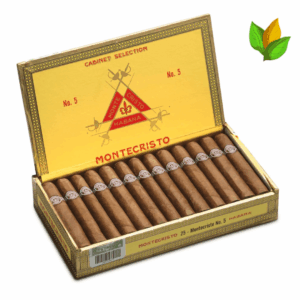
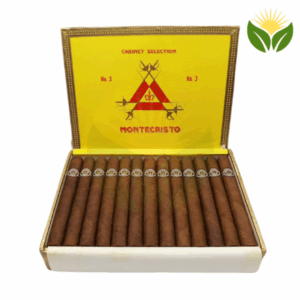
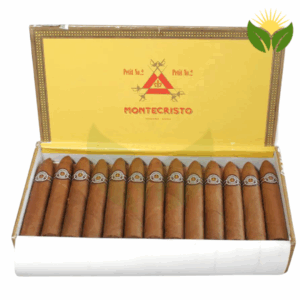
| Montecristo No. 2 | Medium | 75-100 minutes | Special occasions, experienced palates |
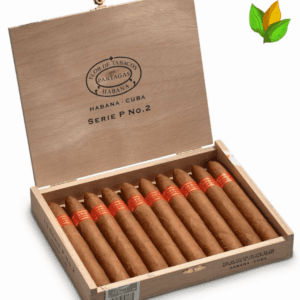
| Partagás Serie P No. 2 | Medium-Full | 60-80 minutes | After dinner, full-bodied enthusiasts |
What to Drink With It – My Tested Pairings
Real talk: pairing matters more than most people think. I’ve ruined perfectly good cigars with the wrong beverage choice, and I’ve elevated decent smokes into memorable experiences with the right one. With the Romeo y Julieta No. 2, you’ve got options.
Coffee works beautifully, especially in the morning or early afternoon – go for a medium roast, nothing too dark or bitter. I’m partial to a Cuban coffee, naturally, but a good Colombian brew does the job. For spirits, a smooth añejo rum is my go-to pairing. The sweetness and oak from the barrel aging complement those cedar notes perfectly. Whisky drinkers – and I know you’re out there – should reach for a lighter Scotch or a quality bourbon. Nothing too peaty or it’ll overpower the cigar’s subtle complexity. Here’s what gets me though: champagne or prosecco with this cigar during celebratory moments. Sounds weird, I know, but the bubbles cleanse your palate between puffs, and the light fruit notes play surprisingly well with the tobacco.
Time of day? This is a versatile smoke. I’ve enjoyed it mid-afternoon on a Saturday, during evening poker games, even as a celebratory stick after closing a business deal. It’s not so strong that it’ll knock you sideways before lunch, but it’s complex enough for a contemplative evening smoke.
What Everyone Asks About This Cigar
Is the Romeo y Julieta No. 2 suitable for beginners?
Absolutely, and I’ll be honest – this is one of the cigars I recommend when someone asks me where to start with Habanos. The mild-to-medium strength won’t overwhelm a developing palate, but there’s enough complexity to keep things interesting. The smooth smoke and excellent construction mean you’re not fighting the cigar, which matters when you’re still learning proper lighting and drawing techniques. That said, even after thirty years of smoking, I still reach for these regularly. It’s approachable, not simplistic.
How does this compare to the Montecristo No. 2?
Look, both are legendary torpedos, but they’re different animals. The Montecristo No. 2 is stronger, more intense, with bolder flavors and a fuller body. It demands your attention and rewards experience. The Romeo No. 2 is more elegant, more refined, with subtler flavor transitions. Think of it this way – the Montecristo is like a bold red wine, while the Romeo is more like a well-crafted single malt. Both excellent, different occasions. I keep both in my humidor for this exact reason.
What’s the ideal humidity level for storing these?
I keep mine between 65-68% relative humidity at around 65-68°F. Thing is, Cuban cigars generally perform better at slightly lower humidity than some smokers maintain. Too high, and you risk a tight draw and potential wrapper issues. Too low, and the cigar can burn too hot and lose those subtle flavors you’re paying for. I learned this the hard way with an entire box years ago – kept them at 72%, and they smoked wet and uneven. Drop them to 65%, give them a month to acclimate, and they’re perfect.
Should I age Romeo y Julieta No. 2 cigars before smoking?
Here’s my take – these smoke well fresh, but they genuinely benefit from rest. At minimum, let them acclimate in your humidor for a month after purchase, especially if they’ve been traveling. For the full experience? Six months to a year of aging mellows any sharp edges and allows the flavors to marry. I’ve smoked five-year-old No. 2s that were absolutely phenomenal – the cedar becomes more pronounced, the coffee notes deepen, and everything just… integrates. That said, I’m probably biased because I tend to buy boxes and forget about them for a while. Not everyone has that patience, and honestly, they’re still excellent young.
What’s the best way to cut a torpedo like this?
With torpedos, you’ve got options, but here’s what works for me – use a sharp guillotine cutter and make a straight cut about a quarter-inch from the tip. This gives you a good opening without cutting too much and losing the shape’s benefits. Some people prefer a v-cut or punch, and while those work, I find a straight cut gives the best draw and most consistent smoke production on the No. 2 specifically. Whatever you do, use a sharp cutter – a ragged cut will unravel that beautiful wrapper, and that’s just heartbreaking to watch. Ask me how I know.
Are there any limited edition versions of the Romeo y Julieta No. 2?
The regular production No. 2 is what you’ll typically find, and honestly, it doesn’t need a limited edition designation to be special. Romeo y Julieta does release limited edition cigars periodically – different vitolas, special blends – but the No. 2 itself remains a core production cigar. That’s actually good news because it means consistent availability and quality. I’ve seen too many limited edition releases that were more marketing than substance. The No. 2 has been proving itself for decades without needing special packaging or inflated hype.
Why does the aroma differ from the taste?
Great question, and it confused me when I was starting out too. The aroma you smell – that rich, cedary, almost sweet scent – comes primarily from the wrapper burning and the smoke itself. What you taste involves your entire palate, the retrohale through your nose, and how the smoke interacts with your taste buds. With the No. 2, the aroma tends to be cedar-forward and inviting, while the taste brings in those coffee, leather, and subtle spice notes. Both are important parts of the experience. Actually, the room note on these is exceptional – even non-smokers have commented positively on how it smells, which isn’t always the case with stronger cigars.
My Final Thoughts After Three Decades
I’ll be blunt: the Romeo y Julieta No. 2 deserves every bit of its reputation. This isn’t a cigar trying to be something it’s not – it’s not chasing full-bodied trends or competing in strength wars. It’s just excellently crafted tobacco showcasing what Cuban tradition does best. The balance between cedar, coffee, and leather notes, combined with that smooth medium strength, creates something both accessible and sophisticated. Hear me out – I’ve probably smoked a few hundred of these over the years, maybe more, and I genuinely don’t remember a bad one. That consistency alone is worth celebrating.
Whether you’re building your first humidor or you’ve got a collection that rivals a Casa del Habano, the No. 2 deserves space in your rotation. It’s the cigar I reach for when I want quality without aggression, complexity without homework, and satisfaction without regret. If you’ve been curious about Romeo y Julieta’s offerings, or if you’re looking to understand what makes Cuban torpedos special, this is where you start. Stock your humidor, give them proper rest, and experience what keeps bringing me back year after year.