Description
A French Legend That Most People Sleep On
I’ll be straight with you – the Quai d’Orsay No. 50 is probably the most underrated cigar coming out of Cuba right now. And I think I know why. The brand got this reputation as being “too mild” for serious smokers, which is ridiculous when you actually sit down with one. Thing is, people confuse elegance with weakness, and that’s not what’s happening here at all.
I picked up my first No. 50 back in – hmm, must’ve been 2018? Maybe 2019. I was at this little shop in Miami Beach, and the owner practically shoved one in my hand. “Trust me,” he said. I’m glad he did because this robusto changed how I think about the whole “mild Cuban” category. It’s got this creamy, sophisticated profile that sneaks up on you. By the middle third, you realize there’s way more going on than you initially thought.
What makes the Quai d’Orsay line special – and the No. 50 in particular – is that these cigars were originally created for the French market back in the 1970s. The French wanted something smooth and refined, not a powerhouse that would knock you sideways. But smooth doesn’t mean boring, and refined doesn’t mean bland. That’s the lesson here.
What You’re Getting Into With This Robusto
The Quai d’Orsay brand has this interesting history tied to French diplomacy and sophistication. Named after the famous quai along the Seine in Paris where the French Foreign Ministry sits, these cigars were meant to embody elegance. And actually, that comes through in every puff.
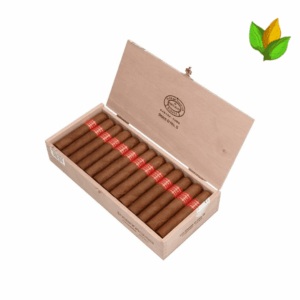
The No. 50 is their robusto offering, and it’s the sweet spot in the lineup if you ask me. It’s got enough length and ring gauge to develop complexity, but you’re not committed to a two-hour smoke. The wrapper on these – oh man – it’s classic Cuban tobacco from the Vuelta Abajo region, and it’s always been silky smooth in my experience. Not oily like a Partagás, but with this beautiful golden-brown color that just looks right.
Who’s this cigar for? Honestly, I think it’s perfect for someone who’s moved past the “stronger must be better” phase. If you’re still chasing nicotine punches, maybe come back to this one later. But if you appreciate nuance and you want something you can smoke in the afternoon without getting your head spun around, this is it. I’ve also handed these to friends who are newer to Cubans, and they love them because the flavor profile isn’t intimidating.
The construction is typically solid – we’re talking Cuban craftsmanship here, rollers who’ve been doing this their whole lives. The draw tends to be effortless, and that’s crucial for experiencing all the subtle flavors this cigar has to offer.
| Specification | Details |
|---|---|
| Vitola | Robusto |
| Length | 5 inches / 127 mm |
| Ring Gauge | 50 |
| Wrapper | Cuban (Vuelta Abajo) |
| Binder | Cuban |
| Filler | Cuban longfiller blend |
| Strength | Mild to Medium |
| Smoking Time | 45-60 minutes |
How This Smoke Actually Unfolds
The cold draw gives you hints of what’s coming – I usually get a little sweetness, some hay notes, maybe a touch of almond. It’s inviting without being loud about it. Once you toast the foot and get going, that first third opens up with this creamy texture that coats your palate. There’s cedar there for sure, but it’s not aggressive. It’s more like… you know that smell when you open a humidor that’s been properly seasoned for years? That.
What I love about the initial third is how smooth everything feels. The draw is typically effortless – not too loose, not too tight. You get some light earth notes mixing with that cream, and there’s this subtle sweetness underneath it all. Some people pick up hints of white pepper on the retrohale, though it’s never spicy enough to make your eyes water. The ash forms up nice and tight, usually holding for a good inch before you need to tap it.
Middle third is where things get interesting – actually, scratch that – it’s where you realize this cigar has been interesting all along, you just weren’t paying close enough attention. The cream is still there, but now you’re getting more leather coming through. Not that harsh, tannic leather you find in some full-bodied cigars, but more like the smell of a well-worn jacket. The earth notes become more pronounced too, grounding everything. If you’re retrohaling at this point (and you should be), you’ll catch these fleeting moments of nuttiness, maybe some light spice that wasn’t there before.
The burn line on these has been consistently even in my experience. I’ve smoked probably a dozen No. 50s over the years, and I think I’ve only had to touch up once? Maybe twice. The ash is light gray, almost white, which tells you the tobacco quality is there. It doesn’t flake off prematurely either – it’s got structure.
Final third is where the strength picks up just a notch. We’re still firmly in the medium territory – don’t worry, this isn’t going to suddenly turn into a Bolivar. But there’s more body to the smoke now, more presence. The leather notes intensify, you might get some cocoa coming through, and there’s this pleasant earthiness that reminds me of walking through tobacco fields after a light rain. The finish is clean and relatively long. Not one of those cigars where the flavors disappear the second you exhale.
I genuinely don’t understand why more people don’t talk about the complexity here. Yeah, it’s a mild-to-medium cigar, but complexity and strength are two different things. This has got layers.
How Does It Stack Up?
| Cigar | Strength | Smoking Time | Best For |
|---|---|---|---|
| Quai d’Orsay No. 50 | Mild to Medium | 45-60 minutes | Afternoon smoke, nuanced flavor seekers |
| H. Upmann Half Corona | Mild to Medium | 25-35 minutes | Quick elegant smoke, similar profile but shorter |
| Montecristo No. 4 | Medium | 40-50 minutes | Classic Cuban experience, slightly stronger |
| Romeo y Julieta Exhibición No. 4 | Medium | 50-60 minutes | Balanced smoke, more traditional Cuban spice |
What to Pair This With (And When to Light It Up)
I’ve found this cigar plays really well with lighter spirits. A nice aged rum – something like Diplomático Reserva Exclusiva – complements that creamy profile without overpowering it. The sweetness in the rum echoes those subtle sweet notes in the tobacco. If you’re a whisky person, go for something smooth and not too peaty. A Speyside single malt works beautifully. I had one with Balvenie DoubleWood once and it was damn near perfect.
Coffee works too, actually. Not espresso – that’ll bulldoze right over the delicate flavors – but a medium roast with some cream. Morning or afternoon, doesn’t matter. I’ve also paired these with champagne at a wedding once (the bride was a cigar smoker, which was awesome), and the bubbles cut through the cream in an interesting way.
Time of day? This is an afternoon cigar all the way. Maybe late morning if you’re on vacation and feeling indulgent. It’s not heavy enough for after a huge dinner, honestly – I’d reach for something with more body in that situation. But sitting on a patio at 3 PM with a good book? Perfect scenario for the No. 50.
Occasions: business golf outings, casual get-togethers, when you want to introduce someone to quality Cubans without overwhelming them, or just when you want something refined but not demanding. I keep a few in my humidor specifically for afternoons when I need to think through something complex – the cigar keeps my hands busy without distracting my brain.
What’s the actual strength level on the Quai d’Orsay No. 50?
It starts solidly mild and creeps into medium territory by the final third. If you’re coming from something like a Cohiba Robusto, this will feel noticeably lighter. But it’s not a weakling either – there’s enough body to keep things interesting. I’d say it’s perfect for daytime smoking when you don’t want nicotine overload.
How long should I age these before smoking?
They’re pretty good right out of the box, honestly. But if you’ve got patience – and a properly maintained humidor – give them six months to a year. The flavors marry together even more, and that creamy texture becomes almost buttery. I’ve smoked some with three years on them, and they were exceptional, though I’m not sure I had the willpower to wait that long again.
Is the Quai d’Orsay No. 50 similar to other Cuban robustos?
It’s definitely on the milder end compared to heavy hitters like Partagás Serie D No. 4 or Bolivar Royal Corona. It’s closer to an H. Upmann in terms of profile – elegant, refined, not trying to punch you in the face. The ring gauge gives it enough surface area to develop complexity, but the blend is what sets it apart with that signature French-market smoothness.
What kind of wrapper leaf am I looking at here?
Classic Cuban wrapper from Vuelta Abajo, which is the premium growing region. It’s typically a smooth, silky Colorado shade – that golden-brown color that just looks right. Not as dark as a maduro, not as light as a Connecticut. The wrapper contributes a lot to that creamy, slightly sweet character. Construction is usually flawless in my experience – minimal veins, even color throughout.
Can beginners handle this cigar, or is it for experienced smokers only?
Actually, this is a great cigar for someone stepping up from mild Dominican or Connecticut-wrapped cigars into the Cuban world. The strength won’t overwhelm them, and the flavor profile is complex enough to be interesting without being confusing. I’ve used these to introduce friends to Cubans, and the feedback is always positive. That said, experienced smokers appreciate the nuance here too – it’s not just a “beginner cigar.”
How should I store Quai d’Orsay cigars in my humidor?
Same as any other Cuban – 65-70% humidity, around 65-68 degrees Fahrenheit if you can manage it. These aren’t particularly finicky. I keep mine in the middle section of my humidor where the humidity stays most consistent. Just make sure you’re not storing them next to something really strong like a Nicaraguan pepper bomb, or you might get some flavor transfer over time.
What’s the best way to cut and light the No. 50?
I use a straight cut about 2mm from the cap – enough to open it up but not so much that the wrapper unravels. Some people prefer a V-cut on robustos, and that works fine too. For lighting, take your time toasting the foot evenly with a torch lighter or cedar spills if you’re feeling fancy. Don’t char it. The goal is an even burn from the start, and these cigars reward patience. Once it’s lit, don’t puff too aggressively – let it breathe and develop at its own pace.
Final Thoughts From Someone Who Keeps Coming Back
The Quai d’Orsay No. 50 isn’t going to make anyone’s “most powerful Cuban cigars” list, and that’s exactly why I love it. In a market that sometimes feels obsessed with strength and intensity, this robusto just does its own elegant thing. The creamy, smooth profile with those leather and earth notes sneaking in during the middle third – it’s refined without being boring, mild without being weak.
If your humidor is missing something in the mild-to-medium range that’s actually worth smoking, grab some of these. They age beautifully, they smoke consistently well, and they’re sophisticated enough for special occasions but approachable enough for a random Tuesday afternoon. This is the cigar that proves you don’t need overwhelming strength to create a memorable smoking experience.
Stock your humidor with a few. You’ll thank yourself later when you want something refined and you don’t have to reach for the same old standby. Trust me on this one.