
Description
Sitting in a leather chair that’s seen better decades, tucked away in a corner of a dimly lit lounge in Miami, you start to notice things. The way the humidity outside tries to claw its way through the glass door, the rhythmic clack of dominoes from the sidewalk, and the slow, swirling dance of blue smoke under a lazy ceiling fan. I was in one of those moods—contemplative, maybe a little bit nostalgic—just watching the world move at half-speed.
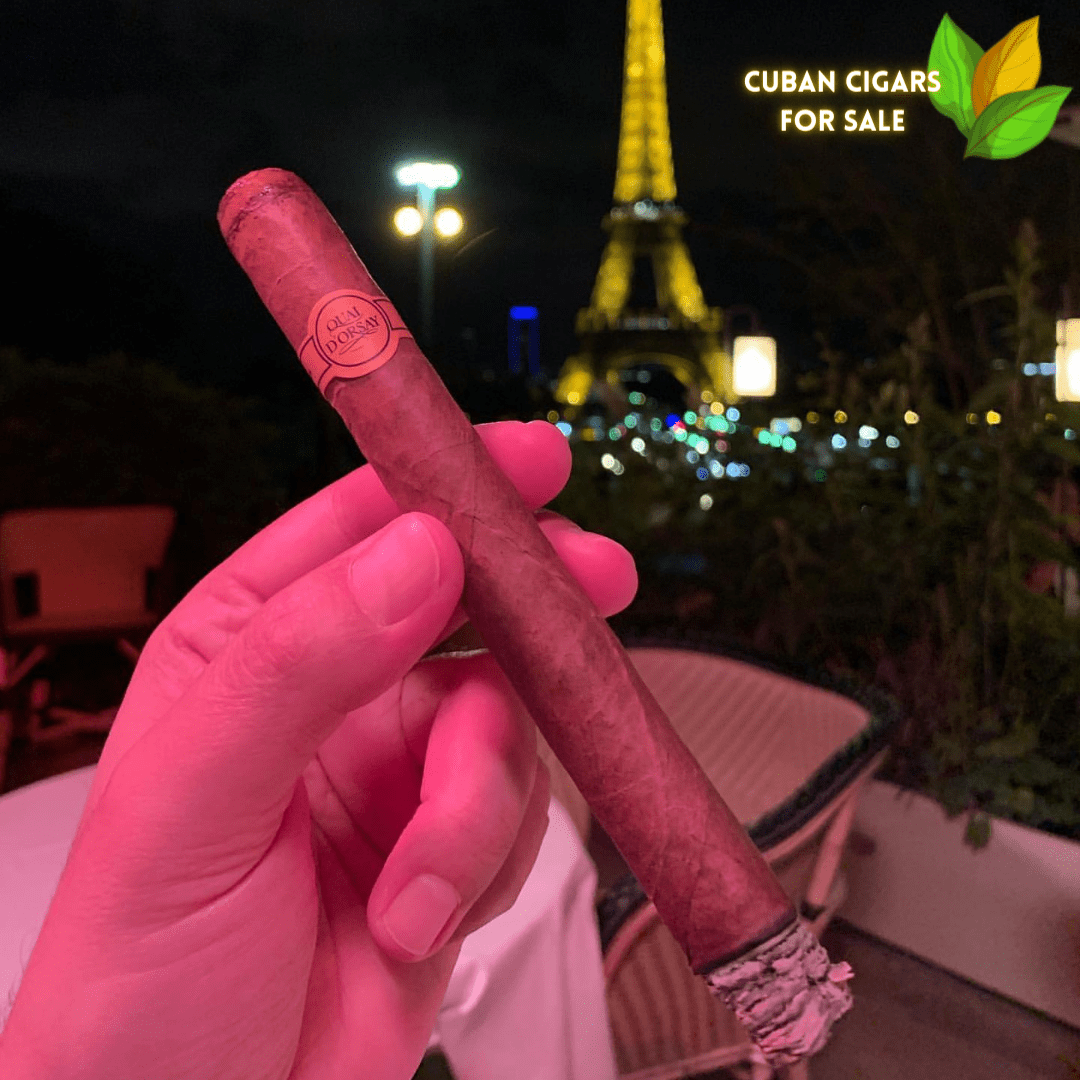
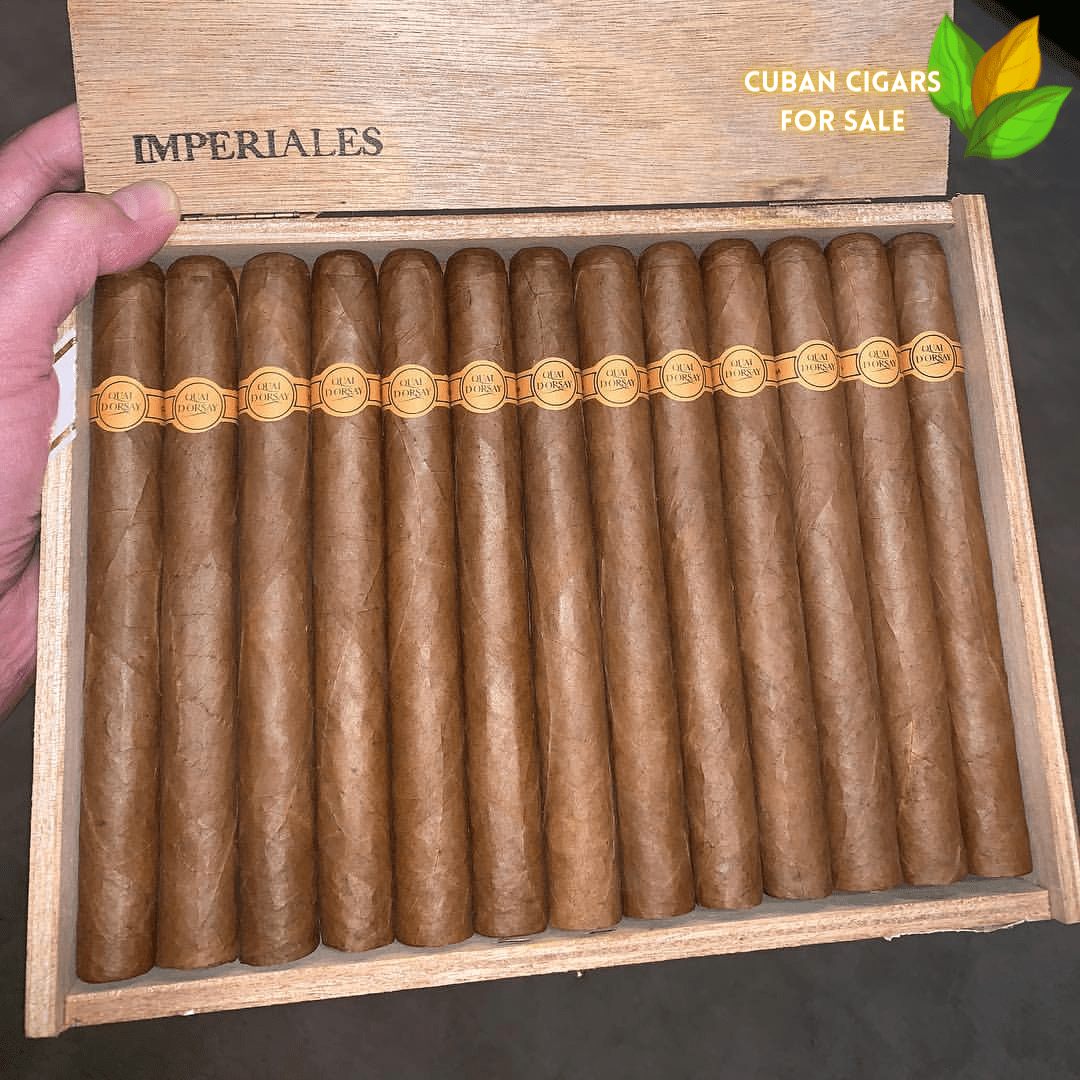
A buddy of mine, a guy who’s been scouting rare boxes since before I could legally buy a pack of matches, sat down across from me. He didn’t say much. He just reached into his coat pocket and handed me a long, elegant cigar. No flashy band, no modern marketing gimmicks. Just that classic, understated Quai d’Orsay look.
“I thought they stopped making these,” I said, rotating the Churchill in my fingers.
“They did,” he replied, lighting a cedar spill. “And then they didn’t. Enjoy the ghost, my friend.”
That smoke? The Quai d’Orsay Imperiales. It’s a cigar with a history as long as its vitola, and sitting there in the Miami heat, I realized I was holding a piece of Franco-Cuban diplomacy in my hand. It’s not every day you get gifted a discontinued legend that decided to make a comeback tour.
The Specs
Before I get into how this thing actually smoked, let’s look at the hard numbers. This isn’t some stubby Robusto you can finish between meetings. This is a commitment.
| Feature | Details |
|---|---|
| Product Type | Cigar (Hand-rolled) |
| Brand | Quai d’Orsay |
| Vitola | Churchill (Julieta No. 2) |
| Length | 178 mm (7 inches) |
| Ring Gauge | 47 |
| Weight | 15.07 grams |
| Origin | Cuba (Habanos S.A.) |
| Wrapper/Binder/Filler | Vuelta Abajo, Cuba |
| Strength | Light to Medium |
Construction: The Feel of the Julieta No. 2
When I first held the Imperiales, the first thing I noticed was the weight. At over 15 grams, it feels substantial but not heavy. It’s got that “Julieta No. 2” factory name, which most of us just call a Churchill. It’s a classic size, the kind of cigar that makes you want to sit on a porch and contemplate your life choices for two hours.
The wrapper was a light, golden-brown—what the old-timers call claro. It’s smooth, almost silky to the touch, which is a hallmark of the Quai d’Orsay brand. You won’t find those dark, oily, toothy wrappers here. This is refined. I gave it a gentle squeeze; it was firm but had just enough give to let me know the draw wouldn’t be like sucking through a clogged straw.
The pre-light draw gave me a hint of what was coming. It wasn’t that heavy earth or pepper you get with a Partagas. It was airy—hints of dry hay and a little bit of sweetness, like dried flowers. I clipped the cap with a straight cut, toasted the foot slowly, and let the first puff settle.
Flavor Profile: A Three-Act Play
I’ve smoked a lot of Cubans, and many of them try to punch you in the throat with spice in the first five minutes. The Imperiales isn’t like that. It’s polite. It knocks on the door and asks if it can come in.
The First Third: Floral and Woody
The opening was incredibly smooth. I’m talking “velvet on the tongue” smooth. The primary note was wood—specifically a light, aromatic cedar—but it was backed up by this delicate floral undertone. You ever walk through a garden right after it rains? It had that kind of freshness. It’s light-bodied, for sure. If you’re looking for a nicotine kick that’ll make your head spin, you’re looking at the wrong stick. This is about finesse. There was a slight dryness on the palate, which I actually enjoyed; it made me want to take another sip of my drink to balance it out.
The Second Third: The Fruit Emerges
As I moved into the middle of the Churchill, the flavors started to knit together. The woodiness stayed, but that floral note transitioned into something a bit fruitier. It wasn’t like a bowl of cherries, more like a hint of dried apricot or maybe orange peel. It’s subtle. You gotta pay attention to find it. The texture of the smoke remained solid—thick enough to feel present, but never overwhelming. The burn was remarkably straight, which is a testament to the rollers at the factory. For a cigar this long, you often expect a “canoe” or some wonky burn lines, but this one behaved itself.
The Final Third: Refined Intensity
By the time I got down to the last couple of inches, the strength ticked up just a notch—maybe reaching a true medium. The flavors got a bit deeper, more aromatic. The wood notes turned a bit darker, and that fruitiness faded into a more general “toasted” flavor. Even at the very end, it never got bitter. I’ve had plenty of Churchills turn into a hot, acrid mess in the final third, but the Imperiales stayed cool. I smoked it right down to the nub, mostly because I didn’t want the experience to end.
History: The French Connection
I gotta tell you, the story behind this brand is half the fun of smoking it. Back in 1974, the French tobacco monopoly (SEITA) decided they wanted a cigar that suited the French palate. They wanted something light, elegant, and sophisticated—something that would pair well with champagne or a light cognac. So, Habanos S.A. created Quai d’Orsay, named after the wharf in Paris where the tobacco office was located.
The Imperiales was the flagship. But, as things go in the cigar world, tastes changed. People started wanting shorter, fatter, stronger smokes. Around 2014 or 2015, Habanos pulled the plug on the Imperiales. It was a sad day for fans of the “light and long” style.
But then, 2023 rolls around, and they announce it’s coming back—strictly as a travel humidor exclusive for duty-free shops. It’s like a band coming out of retirement for one last stadium tour. Smoking this in Miami felt like a tribute to that history. It’s a cigar that shouldn’t exist in a world obsessed with “bold” and “intense,” yet here it is, being as classy as ever.
Pairing: What to Drink?
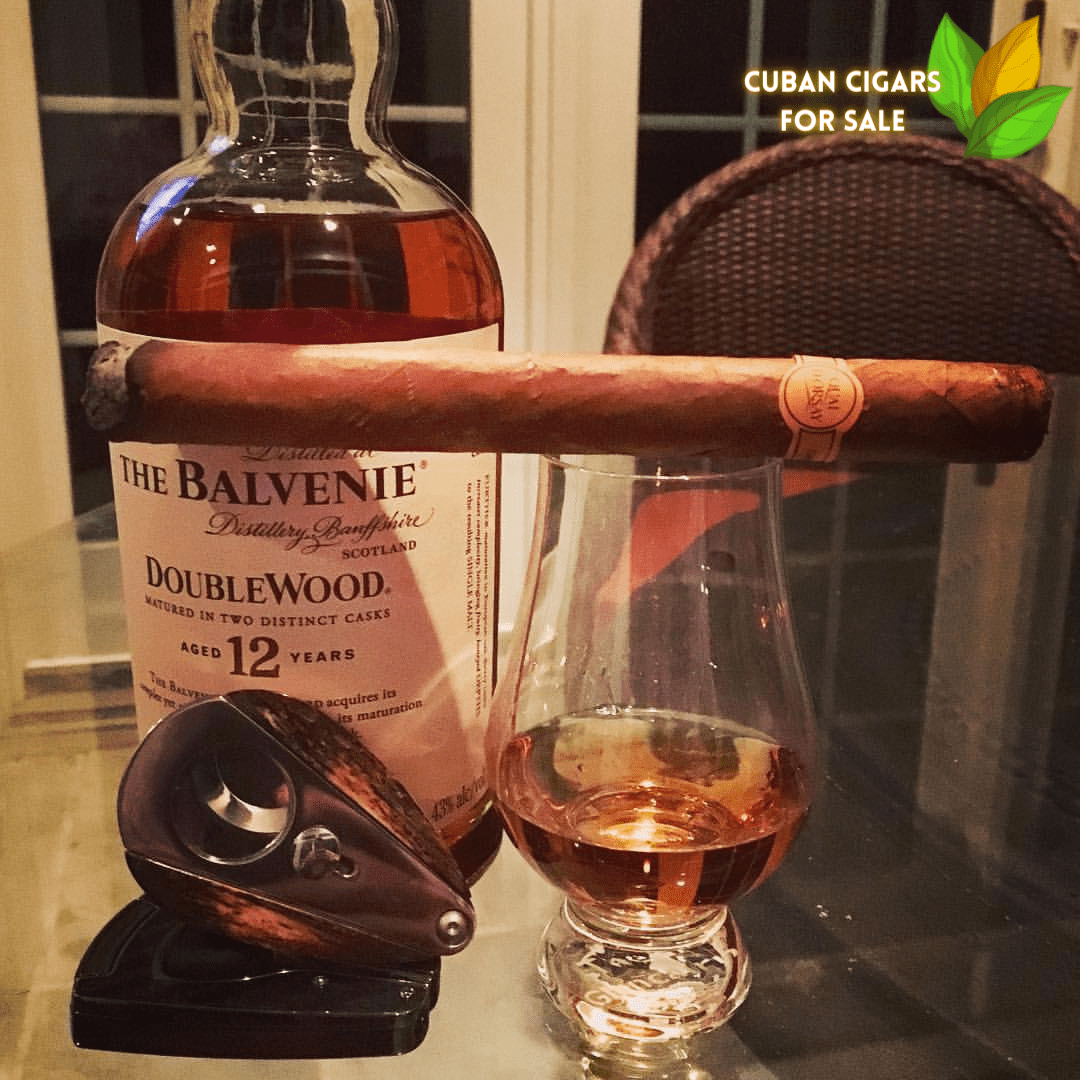
You have to be careful here. If you pair this with a peaty Scotch or a heavy Stout, you’re going to drown out everything the cigar is trying to tell you.
I’d go with a light rum, maybe something with a bit of age but not too much spice. A classic Cuban coffee (Cafecito) is also a solid choice—the bitterness of the coffee plays well against the floral sweetness of the tobacco. If you’re feeling fancy, a glass of vintage Champagne or a crisp white wine would actually work. The French knew what they were doing when they commissioned this blend.
Value and Usage: Who is this for?
Look, the Imperiales isn’t a “daily driver.” It’s too long, too hard to find, and frankly, it requires too much attention. This is for the guy who has two hours to kill and actually wants to taste his tobacco. It’s for the collector who appreciates the history of the Vuelta Abajo region and wants to see what a “light” Cuban is supposed to taste like.
If you’re a beginner, this might be a bit much just because of the length, but the flavor profile is very approachable. If you’re a seasoned vet who usually smokes Bolivar or Ligero-heavy blends, you might find this too “thin” at first. But give it time. Let it open up. It’s a different kind of satisfaction.
Conclusion: The Verdict
So, what’s the word? The Quai d’Orsay Imperiales is a masterclass in balance. It doesn’t rely on strength to make an impression; it relies on complexity and refinement.
In that Miami lounge, as the sun finally started to dip and the neon lights flickered to life outside, I realized why my buddy gave me this stick. It wasn’t just about the rarity. It was about taking a moment to appreciate a slower, more deliberate style of smoking.
The construction is top-notch, the flavors are subtle but rewarding, and the history is baked into every puff. It’s a solid, well-constructed Churchill that reminds us that “light” doesn’t have to mean “boring.” If you happen to find yourself in a duty-free shop and see that travel humidor, don’t think twice. Just grab it. You don’t get many chances to smoke a ghost.
Final Thought: It’s a refined, aromatic journey that takes its time. Not for the hurried, but definitely for the soul. Solid.