
Description
The afternoon light filtered through the humidor’s glass as I reached for what looked like a small torpedo wrapped in golden leather. The weight surprised me—substantial, dense, like holding a piece of aged hardwood. I brought it close and caught that unmistakable sweetness of Cuban tobacco mixed with something deeper, earthier. This wasn’t going to be just another smoke.
That first encounter with the Partagas Serie E No. 2 happened three years ago, but I can still recall the anticipation as I rolled it between my fingers. The wrapper gave just slightly under pressure—perfectly humidified, oily to the touch. It’s funny how certain cigars leave such vivid impressions, especially when you’re not expecting much from a relatively new release in such an established line.
Construction and Appearance
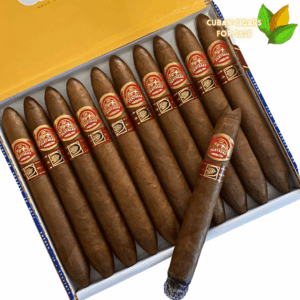
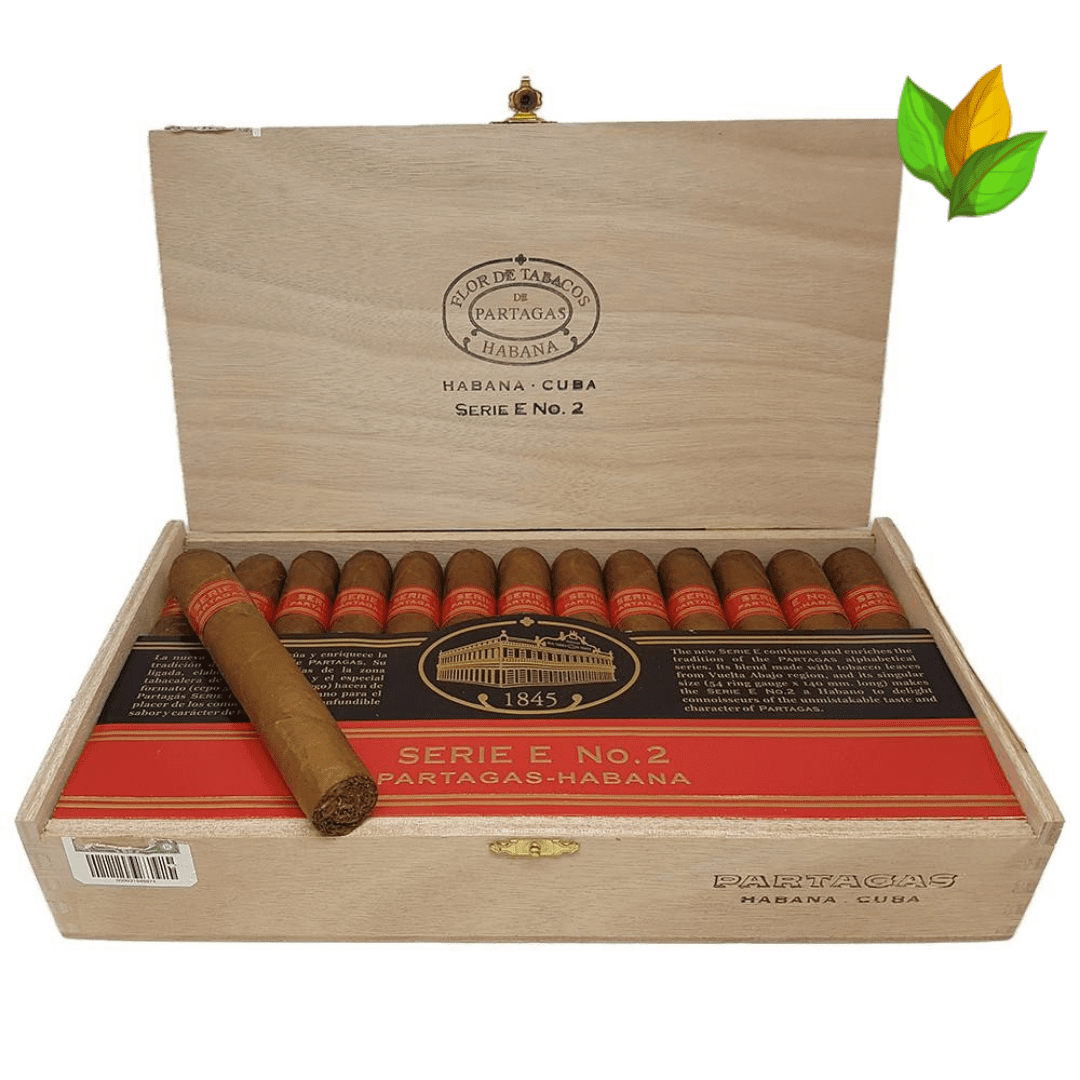
The Serie E No. 2 arrives dressed in a Colorado wrapper that catches light like burnished copper. Honestly, it’s one of the more photogenic cigars in the Partagas lineup. The leaf shows minimal veining, with an oily sheen that speaks to proper fermentation and aging. When I examine the construction, I’m looking for that perfect triple cap—and this delivers every time.
What strikes me most is the density. At 14.21 grams, it feels substantial without being unwieldy. The 54 ring gauge gives your fingers something to work with, while the 5.5-inch length keeps the smoking time reasonable. I’ve found the draw to be consistently excellent, with just enough resistance to slow you down and savor each puff.
The foot reveals a beautiful blend of darker and lighter tobaccos, all sourced from Cuba’s famous Vuelta Abajo region. You can actually see the different leaf colors before lighting, which always gets me excited about the complexity to come.
Flavor Profile by Thirds
Opening Third: Setting the Foundation
The first draws deliver cedar and leather in equal measure, with an underlying creaminess that coats the palate. I pick up distinct tobacco earthiness—not harsh barnyard notes, but more like rich soil after rain. There’s a subtle mocha sweetness that weaves through everything, occasionally punctuated by hints of cashew and the faintest whisper of clove.
What I appreciate most in this opening section is the restraint. The spice stays minimal, letting those foundational flavors establish themselves. It’s medium-bodied from the start, but never aggressive.
Middle Third: Building Complexity
This is where the Serie E No. 2 really starts to shine. The earthiness deepens into coffee territory—not bright espresso, but more like dark roast with cream. Walnuts and hazelnuts emerge, adding textural richness to each draw. The leather notes persist but become more supple, like a well-worn jacket.
I’ve noticed the creaminess actually intensifies here, which isn’t always the case with Cuban cigars. Usually they start creamy and then build pepper or spice. This one seems to double down on that smooth, luxurious mouthfeel while adding layers underneath.
Final Third: The Crescendo
Here’s where things get interesting. A honey sweetness appears seemingly from nowhere, balanced by delicate spices that finally make their presence known. The wood and coffee notes remain, but now they’re joined by hay and dark chocolate. The strength builds to medium-full, but never overwhelms the flavor development.
What impresses me most is how smokable it remains right to the nub. Many cigars turn harsh or bitter in the final inch, but the Serie E No. 2 maintains its complexity without becoming difficult. The creaminess does fade somewhat, but it’s replaced by such nuanced flavors that you hardly miss it.
Specifications
| Length | 140mm (5.5 inches) |
| Ring Gauge | 54 |
| Vitola | Robusto Extra |
| Strength | Medium to Medium-Full |
| Smoking Time | 45-60 minutes |
| Wrapper | Colorado Cuban |
| Release Year | 2011 |
Perfect Pairings
I’ve experimented with various pairings over the years, and some combinations work better than others with this particular blend. For rum, I lean toward aged expressions—something like a 15-year Zacapa or Diplomático Reserva Exclusiva. The honeyed notes in the final third create beautiful harmony with well-aged molasses spirits.
When it comes to whiskey, single malts from Speyside work beautifully. The creamy, nutty character of something like a Glenfiddich 18 or Macallan 15 complements the cigar’s middle third perfectly. I’ve also had success with bourbon, particularly wheated expressions that won’t compete with the cigar’s more delicate flavors.
Coffee pairings deserve special mention. A well-pulled espresso with crema enhances those mocha notes in the opening third, while a Cuban cortado provides enough sweetness to bridge the transition into the nuttier middle section. Avoid anything too acidic—this cigar prefers darker, richer coffee preparations.
For wine enthusiasts, I’d suggest a medium-bodied red with some age. A good Rioja reserva or aged Tempranillo provides earthy complexity without overpowering the tobacco. The leather and cedar notes find natural companions in properly aged Spanish wines.
Cutting and Lighting Technique
The Serie E No. 2’s construction demands respect when it comes to preparation. I always use a sharp guillotine cutter, taking just enough off the cap to expose the filler without damaging the wrapper. The 54 ring gauge gives you room to work, but don’t get greedy with the cut—less is definitely more here.
For lighting, I prefer a butane torch over matches or cedar strips. The density of the filler requires even heat distribution, and a good torch allows you to toast the foot properly before taking your first draw. Take your time with this step—rushing the light will affect the burn line throughout the entire smoke.
I usually toast the foot for 30-45 seconds, rotating slowly to ensure even coverage. Once you see the oils beginning to bubble slightly, you’re ready for those first gentle draws. The initial puffs should come easily but with slight resistance—exactly what you want from a properly constructed Cuban cigar.
Who Should Smoke This Cigar
The Serie E No. 2 occupies an interesting space in the Partagas lineup. It’s approachable enough for intermediate smokers but complex enough to satisfy experienced aficionados. I wouldn’t recommend it as someone’s first Cuban cigar—there are milder options for that—but it’s perfect for someone ready to explore medium-strength complexity.
Occasion-wise, this works beautifully as an after-dinner smoke or weekend afternoon cigar. The 45-60 minute smoking time makes it ideal for those moments when you want something substantial but don’t have two hours to commit. I’ve enjoyed these during business dinners, special celebrations, and quiet Sunday afternoons with equal satisfaction.
If you typically enjoy brands like Cohiba or other premium Cuban marques, the Serie E No. 2 offers excellent value while maintaining the quality you expect. It’s definitely a step up from everyday smokes but won’t break the bank like some limited release options.
The flavor profile appeals particularly to smokers who appreciate creamy, nutty characteristics over heavy spice or pepper. If you find yourself drawn to cigars with coffee, chocolate, or honey notes, this should definitely be on your stock list.
Authenticity Guide
With Cuban cigars commanding premium prices, knowing how to spot authentic Serie E No. 2s becomes crucial. Genuine examples always feature a perfect triple cap—three distinct layers that create a smooth, rounded head. Fakes often show sloppy cap work or obvious glue lines.
The wrapper should feel oily but not wet, with minimal veining and a consistent Colorado coloration. When you squeeze gently, authentic cigars give slightly but spring back. Any soft spots or overly firm areas suggest construction issues common in counterfeit products.
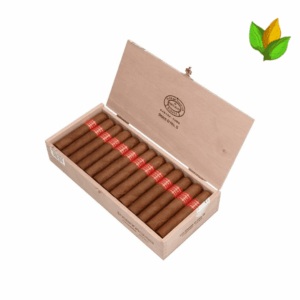
Packaging provides important clues too. Look for proper Habanos coding on the box—for tubos versions, you might see something like “D-C-C/P-3-A/T-15” stamped clearly. The Serie E No. 2 band should be perfectly aligned with crisp printing and proper holograms where applicable.
The smoking experience itself offers the final authentication. Genuine examples burn evenly with light grey ash and produce dense, chewy smoke. Fakes often burn poorly, taste harsh, or fall apart during smoking. When in doubt, purchase from authorized Habanos distributors who can verify authenticity.
Storage and Aging
Proper storage makes all the difference with Cuban cigars, and the Serie E No. 2 responds particularly well to careful humidification. I maintain mine at exactly 70% relative humidity and 70°F temperature—the classic 70/70 rule that works beautifully for most premium cigars.
These cigars benefit from some aging time. Fresh from the distributor, they’re certainly smokable, but six months to a year of proper storage allows the flavors to marry and develop additional complexity. I’ve noticed the honey notes become more pronounced with age, while the overall profile smooths out beautifully.
In terms of aging potential, Serie E No. 2s can improve for several years under proper conditions. The oily Colorado wrapper protects the filler well, and the dense construction prevents drying or cracking. For long-term storage, consider keeping them in their original boxes within your humidor to maintain consistent conditions.
Avoid temperature fluctuations, which can cause the wrapper to crack or the oils to separate. If you notice any wrapper damage, smoke those cigars first rather than continuing to age them. The Serie E No. 2’s construction is generally robust, but even the best cigars can suffer from poor storage conditions.
Frequently Asked Questions
How does the Serie E No. 2 compare to other Partagas cigars?
In my experience, the Serie E No. 2 sits comfortably in the middle of the Partagas strength spectrum. It’s fuller than the Serie D No. 4 but not as intense as the Lusitania. The flavor profile focuses more on cream and nuts compared to the earthier, spicier character of traditional Partagas blends. It’s definitely the most approachable of the Serie E releases.
What’s the difference between Serie E No. 1 and No. 2?
The main differences come down to size and smoking time. The Serie E No. 1 measures 6.75 inches with a 54 ring gauge, making it significantly longer than the No. 2’s 5.5 inches. Both share similar flavor profiles, but the No. 1’s extended length allows for more flavor development over a longer smoking session—usually 75-90 minutes versus the No. 2’s 45-60 minutes.
Are these cigars available year-round or limited release?
The Serie E No. 2 is part of Partagas’ regular production lineup, not a limited release. However, like most Cuban cigars, availability can be inconsistent depending on your location and distributor. I’ve found them easier to source than some other Cuban brands, but it’s worth checking with multiple retailers if you’re having trouble finding them in stock.
What’s the best way to break in a new smoker with this cigar?
I’d recommend having someone try a few milder Cuban cigars first—maybe a Montecristo No. 4 or H. Upmann Half Corona. The Serie E No. 2’s medium strength and complexity can be overwhelming for true beginners. Once they’re comfortable with Cuban tobacco characteristics, this makes an excellent step-up cigar that showcases the quality and craftsmanship of the Partagas marca.
How long should I age these before smoking?
While they’re perfectly smokable fresh, I’ve found the Serie E No. 2 really hits its stride after 6-12 months of proper storage. The flavors integrate better, the strength smooths out, and those honey notes in the final third become more pronounced. If you can resist smoking them immediately, the patience pays off with a noticeably improved experience. That said, don’t feel like you have to wait—they’re enjoyable right away if you can’t resist.