
Description
Why the Serie D No. 2 Changed My Mind About Robusto Vitolas
Look, I’ll be honest with you: I used to think Robustos were overrated. Too short for a proper evolution, too thick to develop the elegance you get from a Lancero. That was before I spent an evening with the Partagas Serie D No. 2 at a lounge in Miami back in – I think it was 2007? Maybe 2008. Doesn’t matter. What matters is that this cigar completely changed how I think about what a Robusto can achieve.
Here’s the thing – the Serie D No. 2 isn’t just another premium Cuban cigar trying to impress you with complexity for complexity’s sake. It’s a masterclass in balance, aging potential, and that signature Partagas earthiness that hits different than anything else coming out of Cuba. If you’ve only experienced mild Habanos or you’re stepping up from Dominican blends, this is going to recalibrate your expectations. And if you’re already deep into the Cuban cigar world, you probably already know why this vitola has such a cult following.
We’re going to break down everything that makes this cigar special – from the Vuelta Abajo tobacco in that oily wrapper to the surprisingly nuanced flavor journey you’ll experience across those 50 minutes of smoking time. Between you and me, this is one of those cigars I always keep at least a box of in my humidor. Always.
The Partagas Legacy in Your Hand
Partagas has been making cigars since 1845, which means they were rolling tobacco before the Cuban War of Independence, before the Spanish-American War – basically, they’ve seen some stuff. The factory on Calle Industria in Havana is one of those places that just feels like history when you walk in. I had the chance to visit once, and the smell alone – that combination of aged tobacco, cedar aging rooms, and decades of cigar production – it stays with you.
But enough nostalgia. What makes the Serie D No. 2 special in the current Partagas lineup? It’s become the benchmark Robusto for serious collectors and everyday smokers alike. The Serie D line was introduced to give aficionados a shorter, thicker format that could deliver the full Partagas experience without requiring the 90-minute commitment of a Lusitania. And no joke, they nailed it on the first try. The Serie D No. 2 has been in production since 2003 – wait, actually, I think it might have been earlier. Let me not spread misinformation here – regardless of the exact year, it quickly became one of the most sought-after regular production Habanos.
This is a cigar for the smoker who appreciates strength with refinement. Not the person chasing nicotine hits, but someone who wants that full-bodied Cuban earth, leather, and spice delivered with the kind of construction quality that only comes from master torcedores working with premium Vuelta Abajo tobacco. Thing is, you need some experience under your belt to really appreciate what’s happening here. Your first Cuban? Maybe start with something milder. But if you’ve been around the block, this is required smoking.
| Specification | Details |
|---|---|
| Vitola | Robusto |
| Length | 4.9 inches / 124 mm |
| Ring Gauge | 50 |
| Wrapper | Cuban (Vuelta Abajo) |
| Binder | Cuban |
| Filler | Cuban long-filler blend |
| Strength | Full |
| Smoking Time | 50-70 minutes |
What Happens When You Actually Light This Thing Up
Okay, so let’s talk about the experience, because that’s what you’re really here for, right? I’m going to walk you through this the way it actually unfolds, not some sanitized tasting note nonsense.
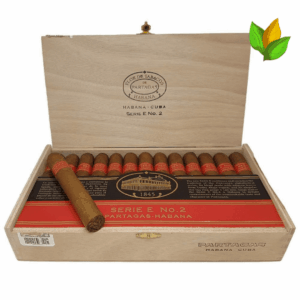
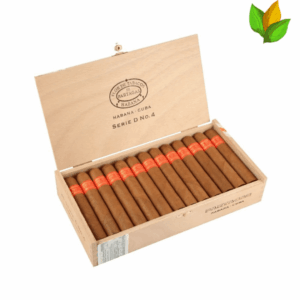
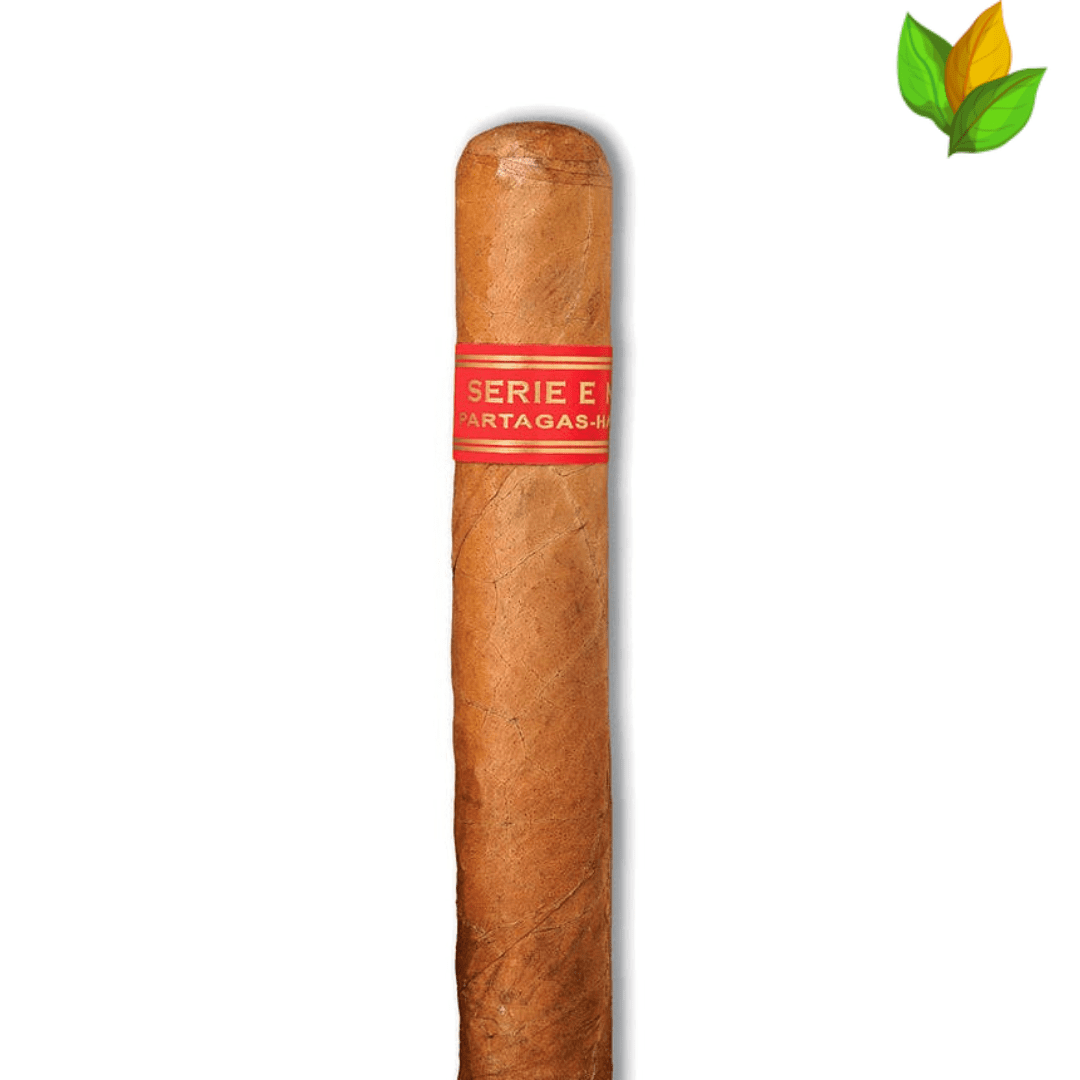
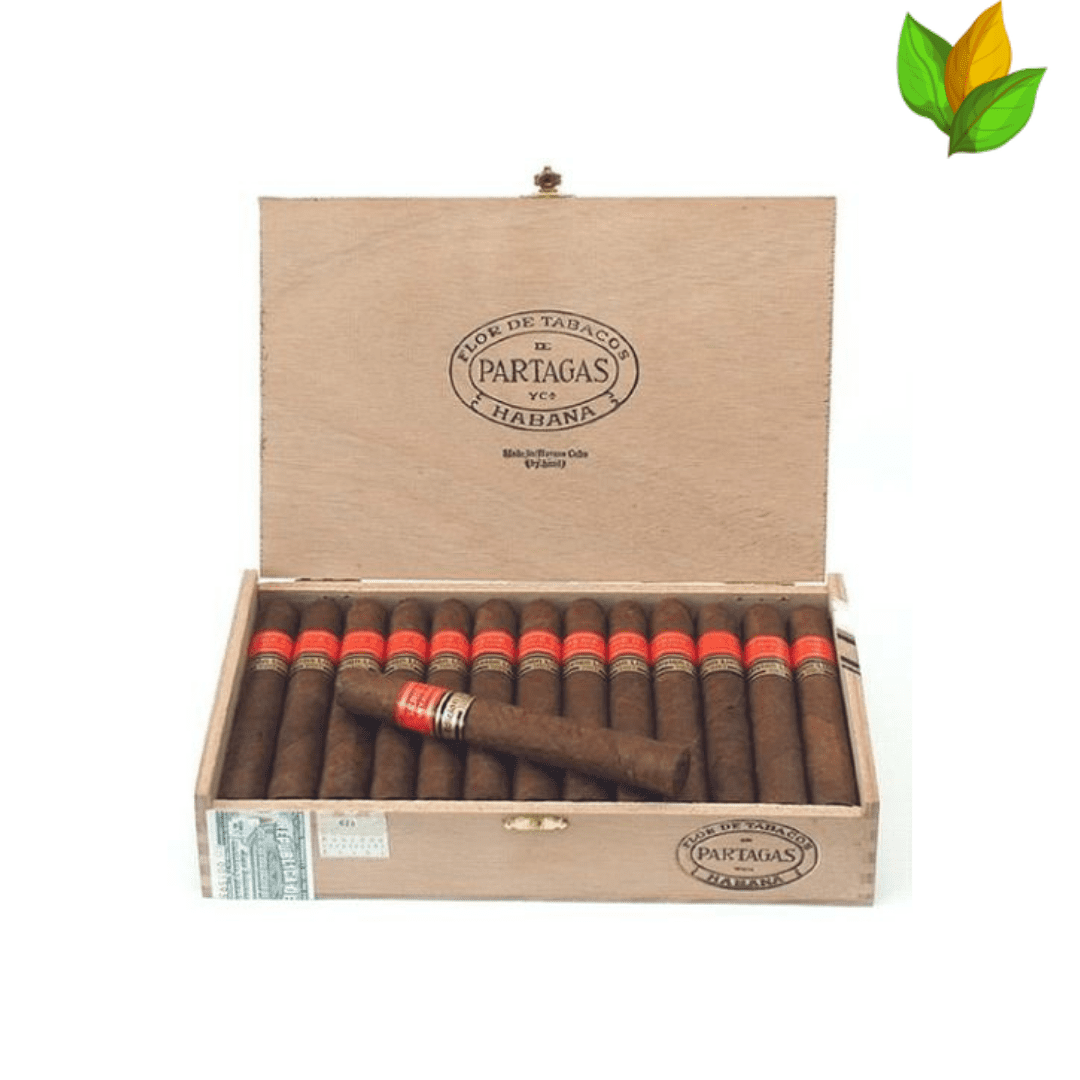
The cold draw gives you a preview – and oh man, it’s promising. You get this cedar note immediately, almost like opening a fresh box of Habanos, mixed with a leathery undertone and just a hint of that barnyard earthiness that tells you this is Cuban tobacco through and through. The wrapper on a well-aged example has this gorgeous oily sheen, dark colorado maduro color, and if you’re lucky enough to have a box with some age on it, you might catch some subtle vanilla in that pre-light aroma. The construction is typically excellent – these are box-pressed cigars that come out of the factory with sharp edges and consistent density. I’ve smoked probably 50 of these over the years, and I can count on one hand the number that had draw issues.
First third hits you right away with pepper. Not aggressive, but it lets you know what you’re dealing with. There’s this creamy coffee note underneath – think espresso with just a touch of cream, not the sugary stuff – and that cedar from the cold draw develops into something more complex. Some people get cocoa here. I don’t, really, but I’m probably missing it because I’m focused on that earthy, almost mossy quality that Partagas does better than anyone else. The smoke production is generous without being obnoxious. The burn line typically stays pretty even if you’re not smoking in heavy wind.
Here’s where it gets interesting – the second third is where this cigar earns its reputation. The pepper mellows out but doesn’t disappear, and you start getting these waves of flavor that are tough to pin down exactly. Leather becomes more prominent. There’s a nutty quality that appears – I want to say almonds? And the coffee note shifts from creamy to something darker, more espresso-forward. If you retrohale (and you should, at least once or twice), you get hit with spicy complexity that adds a whole other dimension. The aroma at this point, if you’re smoking in a lounge, is going to make people ask what you’re smoking. That’s just how it is with this vitola.
The final third – and I know some people tap out early on full-bodied cigars, but hear me out – this is where the Partagas character really shows itself. The strength builds. You’re definitely in full-bodied territory now, but it’s not harsh or bitter if the cigar has been properly stored and isn’t too young. That earthiness I mentioned earlier becomes the dominant note, supported by lingering coffee, a touch of black pepper on the finish, and sometimes this interesting vegetal quality that sounds weird when I describe it but works perfectly in context. The ash, by the way, holds surprisingly well for a Cuban – I’ve gotten two-inch ash several times, though I usually tap it earlier because I’m paranoid.
Real talk: if you’re smoking a fresh one right out of the factory, it might be a bit harsh. These improve dramatically with aging. Give them a year minimum, and if you can sit on a box for three to five years? You’re in for something special. The pepper smooths out, the coffee and creamy notes become more integrated, and that cedar develops into something almost sweet.
How Does It Stack Up Against the Competition?
| Cigar | Strength | Smoking Time | Best For |
|---|---|---|---|
| Partagas Serie D No. 2 | Full | 50-70 min | Experienced smokers who want earth, pepper, and complexity in a compact format |
| Bolivar Royal Corona | Full | 45-60 min | Those seeking even more strength with a sharper, more aggressive spice profile |
| Ramon Allones Specially Selected | Medium-Full | 50-65 min | Smokers wanting similar length with a sweeter, more approachable flavor profile |
I get asked constantly how the Serie D No. 2 compares to other premium Robustos in the Habanos catalog. Thing is, it occupies this interesting middle ground. It’s not as aggressive as the Bolivar Royal Corona – that cigar will knock you sideways if you’re not ready for it – but it’s definitely more intense than something like a Hoyo de Monterrey Epicure No. 2. The Ramon Allones Specially Selected is probably the closest comparison, and honestly, I keep both in my rotation because they scratch slightly different itches. The Partagas has more earth and leather, while the Ramon Allones leans sweeter with more chocolate and dried fruit notes.
But here’s what gets me: the Serie D No. 2 has this aging potential that puts it in a different category entirely. I’ve smoked examples with 10+ years on them, and the transformation is remarkable. Those sharp edges completely round out, the coffee becomes this rich, creamy centerpiece, and the cedar evolves into something almost incense-like. Not every cigar improves that dramatically with time. Most plateau after a few years. This one keeps developing.
What to Drink With It (And When to Smoke It)
Not gonna lie, I’m pretty opinionated about pairings. The strength and flavor profile of the Serie D No. 2 means you need something that can stand up to it without fighting it.
My go-to pairing is a rich, aged rum. I’m talking Zacapa 23, Diplomatico Reserva Exclusiva, or if you really want to do it right, a vintage Havana Club from the 90s if you can find it. The sweetness and complexity of a premium rum complements that coffee and earth without overwhelming the tobacco. Alternatively, a strong espresso works brilliantly – the bitter coffee notes in both create this synergy that’s greater than the sum of its parts. Some people swear by single malt scotch, particularly Islay malts with that peaty, smoky character. I respect it, though personally, I find the smoke-on-smoke can be a bit much.
For non-alcoholic options? A dark-roasted coffee, no sugar, maybe a touch of cream. Or honestly, just ice water to cleanse your palate between thirds and let the cigar speak for itself.
As for timing – this is an after-dinner cigar all day long. The strength and richness make it a poor choice for morning smoking unless you’ve got a serious tolerance. I love it after a heavy meal, maybe with friends at a lounge, or during those long summer evenings when you’ve got time to sit and think. It’s become my poker night cigar of choice – that 50-70 minute smoking time aligns perfectly with a few hands of Texas Hold’em.
Everything You’re Probably Wondering About
How strong is the Partagas Serie D No. 2 really? Can a beginner handle it?
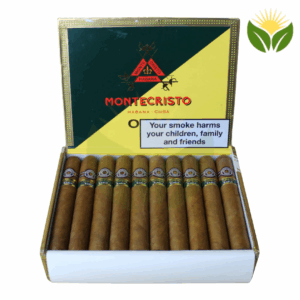
I’ll be blunt: this is a full-bodied cigar that will overwhelm someone new to Cuban tobacco. If you’re just starting out with Habanos, you want to work your way up through milder options first – maybe a Montecristo No. 4 or a Romeo y Julieta Churchill. The Serie D No. 2 has legitimate strength, especially in the final third, and the flavor complexity requires some experience to really appreciate. That said, if you’ve been smoking cigars for a while and you’re ready to step up, this is an excellent graduation cigar. Just make sure you’ve eaten something substantial first and have a sugary drink nearby in case the nicotine hits harder than expected.
Should I age these cigars or smoke them fresh?
Age them. Seriously, age them. Fresh Serie D No. 2s can be harsh and one-dimensional – all pepper and strength without the nuance that makes this cigar legendary. At minimum, give them a year of rest in your humidor at proper humidity (65-70% RH). Better yet, if you can exercise some patience, lay down a box for three to five years. The transformation is dramatic. The pepper integrates, the coffee and creamy notes come forward, the cedar becomes more refined, and the overall smoking experience smooths out considerably. I know waiting is tough, but trust me on this one. Buy two boxes if you need to – smoke one now, age one for later.
What’s the difference between the regular Serie D No. 2 and the limited edition versions?
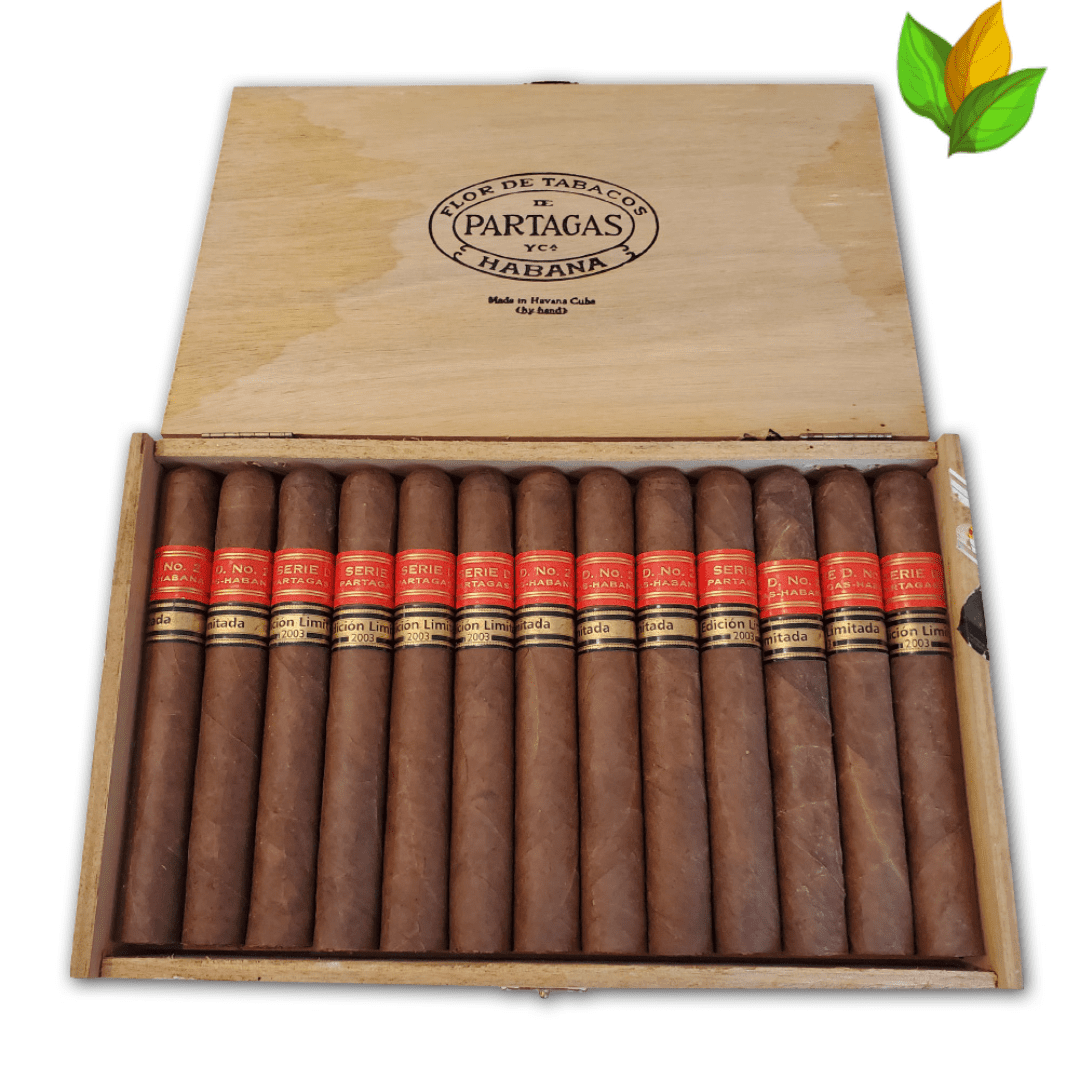
Okay, so here’s where it gets a bit confusing. The regular production Serie D No. 2 that we’re talking about here is consistent year to year – same blend, same size, same Partagas character. Occasionally, Habanos S.A. releases special editions or limited edition variations with different aging, special wrapper selections, or unique packaging. These limited edition releases typically command higher prices and can offer slightly different flavor profiles, often with more refinement or unique characteristics. However, and I know some collectors will disagree with me here, I genuinely think the regular production version offers incredible quality and the core Partagas experience. Are the limited editions interesting? Sure. Are they necessary? Not really, unless you’re a serious collector or you’ve got money to burn.
How do I know if my Serie D No. 2 is authentic and not counterfeit?
Real talk: Cuban cigar counterfeits are a massive problem, and the Serie D No. 2 is popular enough to be frequently faked. Here’s what to look for – authentic boxes should have the Habanos hologram seal that reflects light and has intricate detail that’s hard to replicate. The box code on the bottom should be legible and correspond to a real factory and date. The cigars themselves should have consistent construction, the Partagas band should have sharp printing (not blurry), and the tobacco should smell like quality Cuban leaf, not like chemicals or nothing at all. Box-pressed Robustos should have that characteristic square shape with rounded edges. But honestly, the best protection is buying from authorized dealers and established retailers with solid reputations. If the deal seems too good to be true – someone selling “genuine” Cubans for half the normal rate – walk away. You’re either getting fakes or you’re dealing with stolen goods.
What humidity level should I store these at, and do they need special care?
I keep my Partagas cigars at 65% RH and around 65-68°F, which is slightly lower than the old-school Cuban recommendation of 70/70. Here’s why – at lower humidity, the cigars burn better, draw easier, and in my experience, develop flavors more cleanly. At 70% humidity, especially if you’re in a humid climate, you risk burn issues and that wet, spongy feel that makes the smoking experience frustrating. The Serie D No. 2 specifically benefits from proper humidity control because of that thick ring gauge – too much moisture and the center won’t burn properly. Use cedar in your humidor, keep them in their original box if possible, and resist the urge to constantly handle them. These aren’t delicate, but stable conditions produce the best results. And for the love of everything holy, don’t store them in the refrigerator or freezer. I’ve seen people do this. Don’t be that person.
Is the Serie D No. 2 a good everyday cigar or special occasion only?
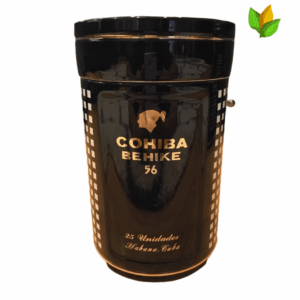
This depends entirely on your budget and smoking frequency, but I’ll give you my take. The Serie D No. 2 sits in this interesting space where it’s premium enough to feel special but consistent enough in availability and quality to be an everyday smoke if you can afford it. I personally keep it in regular rotation – not necessarily daily, but multiple times a week when I want something substantial. It’s reliable, it delivers every time, and it doesn’t require the ceremony and stress of smoking a truly rare vintage or limited edition cigar where you’re worried about “wasting” it. That said, it’s absolutely worthy of special occasions too. I’ve celebrated promotions, birthdays, and significant life events with this cigar. It scales to the occasion. Compare that to something like a Cohiba Behike, which I’d never smoke casually, or a basic Romeo y Julieta that’s fine for everyday but doesn’t feel special. The Serie D No. 2 does both.
Can I buy these in vintage years, and does the year matter?
Yes, you can find vintage Serie D No. 2s from various years, and yeah, the year absolutely matters – though maybe not in the way you’d think. Cuban tobacco varies year to year based on weather, harvest conditions, and fermentation processes. Some years produce exceptional tobacco (I’ve heard great things about certain harvests from the early 2000s and mid-2010s), while other years might be more average. However, and this is important, proper aging often matters more than the specific vintage year. A well-aged cigar from an “average” year can smoke better than a poorly-stored example from a legendary year. If you’re getting into vintage Serie D No. 2s, you’re looking at significantly aged cigars that require verification of authenticity and proper storage history. It’s a rabbit hole you can go deep into, collecting specific box codes and years. I know guys who have entire cabinets organized by factory code and date. I’m not quite that obsessive, but I respect it.
Why This Cigar Deserves Space in Your Humidor
After all this, you might be wondering if I’m overselling the Serie D No. 2. And I know this sounds dramatic, but I genuinely don’t think so. Look, there are flashier cigars out there – limited editions with fancy bands, rare vitolas that cost three times as much, vintage releases that collectors fight over at auctions. But for a cigar that consistently delivers the authentic Cuban experience with complexity, aging potential, and that unmistakable Partagas character? This is it.
The Serie D No. 2 represents what Cuban cigars are supposed to be about – exceptional tobacco from the Vuelta Abajo region, expert construction from skilled torcedores, and a flavor profile that rewards experience and patience. Whether you’re exploring full-bodied Habanos for the first time or you’re a seasoned aficionado looking for a reliable staple, this Robusto format delivers. Just remember: give it some age if you can, pair it thoughtfully, and smoke it when you’ve got time to appreciate what’s happening.
If you’re ready to experience one of Cuba’s most celebrated vitolas, grab a box and lay it down for a year. Your future self will thank you. And if you can’t wait that long? I get it. Light one up tonight after dinner with a good rum and see what all the fuss is about. You’ll understand pretty quickly why this cigar has maintained its reputation for decades.