
Description
markdown
There is a certain kind of silence that you don’t get anywhere, except perhaps in a garage at five-thirty in the morning. It’s not the silent open of a desert; it is an oppressive, mechanical silence. The air’s redolent of cold concrete, old Pennzoil and the tangy, just perceptible whiff of sawdust from a shelving unit I’d promised to stain last October. I’d been sitting out there on that stool of mine, an old metal thing with a seat of cracked vinyl that digs into your leg if you sit the wrong way, watching the fog roll off the driveway.
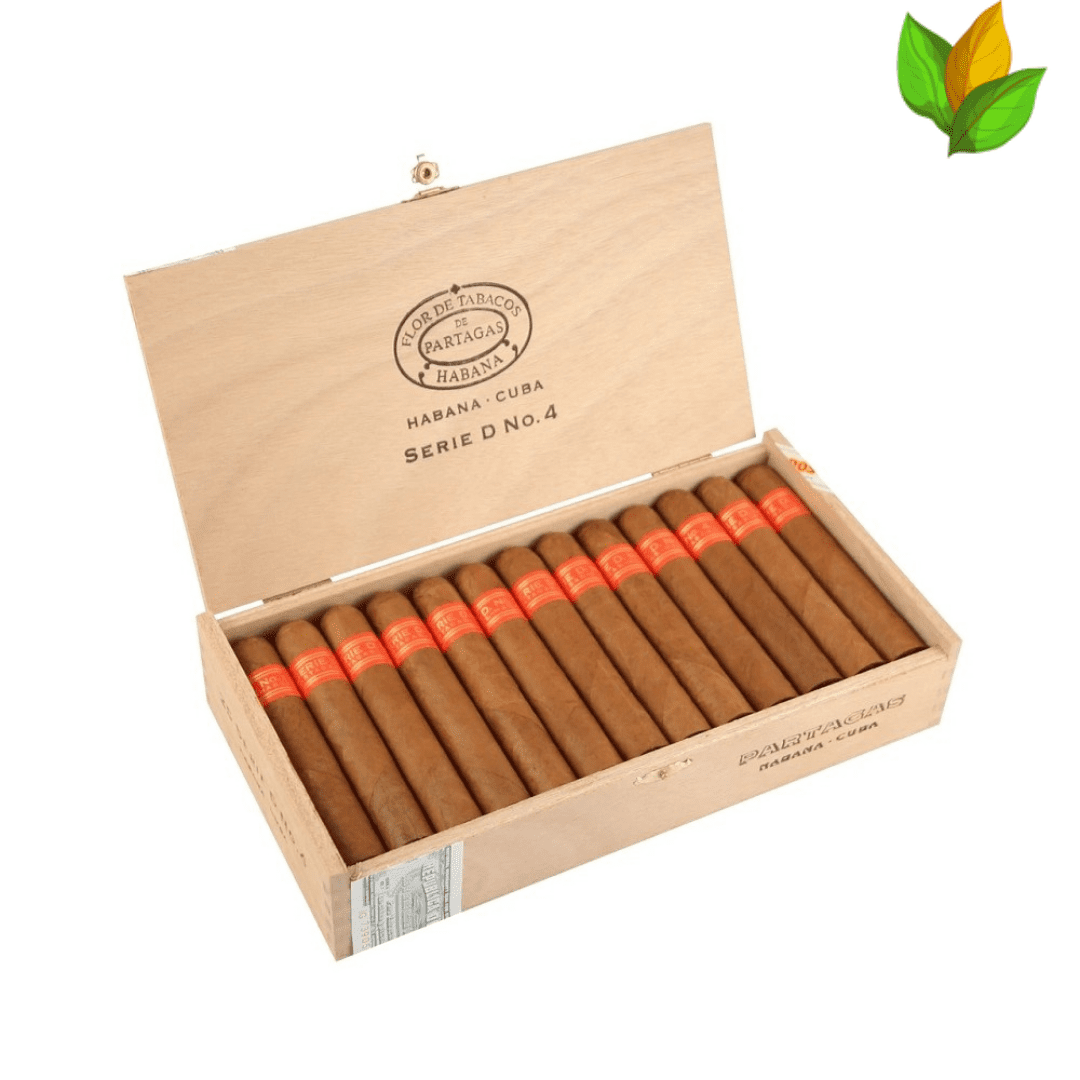
Product Specifications
| Attribute | Detail |
|---|---|
| Product Name | Partagas Serie D No. 4 |
| Origin | Cuba |
| Factory | Partagás |
| Vitola | Robusto |
| Length | 124mm (4 7/8″) |
| Ring Gauge | 50 |
| Wrapper | Cuba (Vuelta Abajo) |
| Binder | Cuba (Vuelta Abajo) |
| Filler | Cuba (Vuelta Abajo) |
| Strength | full |
I was holding a mug of coffee — black, hot enough to strip paint and served in one of those ceramic cups I’ve held onto since my first apartment. No cream — no sugar, and no distractions. I got to thinking about things that endure. In a world where everything is plastic (and designed to die once the warranty expires), I get drawn toward things that stick around.
My old workbench and my grandfather’s ball-peen hammer, my humidor. I have a lot of mornings like this, where it’s just me and my thoughts before the rest of my house wakes up and the demands of the day start clawing at the door. I wanted something that lived up to the gravity of the morning.” I didn’t want one of those “breakfast smokes” that tastes like hay and air. I was looking for something with a little more heft.
I was in the mood for something that had been through some stuff, like that old hammer lying around on the work bench. That smoke? The
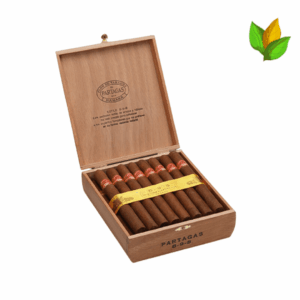
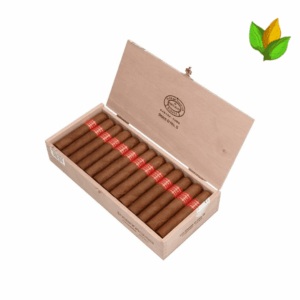
Partagás Serie D No. 4
. Or, as most people call it when they’re not trying to impress anyone, the D4.
The Specs
Before I dive into the nitty gritty of how this thing actually smokes, let’s get some vitals laid out.
If you’re going to spar — sorry, talk shop — you need the proper measurements. Feature
Specification
Product Name
Partagás Serie D No. 4
Vitola de Galera
Robusto
Region
Vuelta Abajo
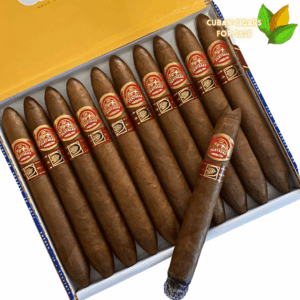
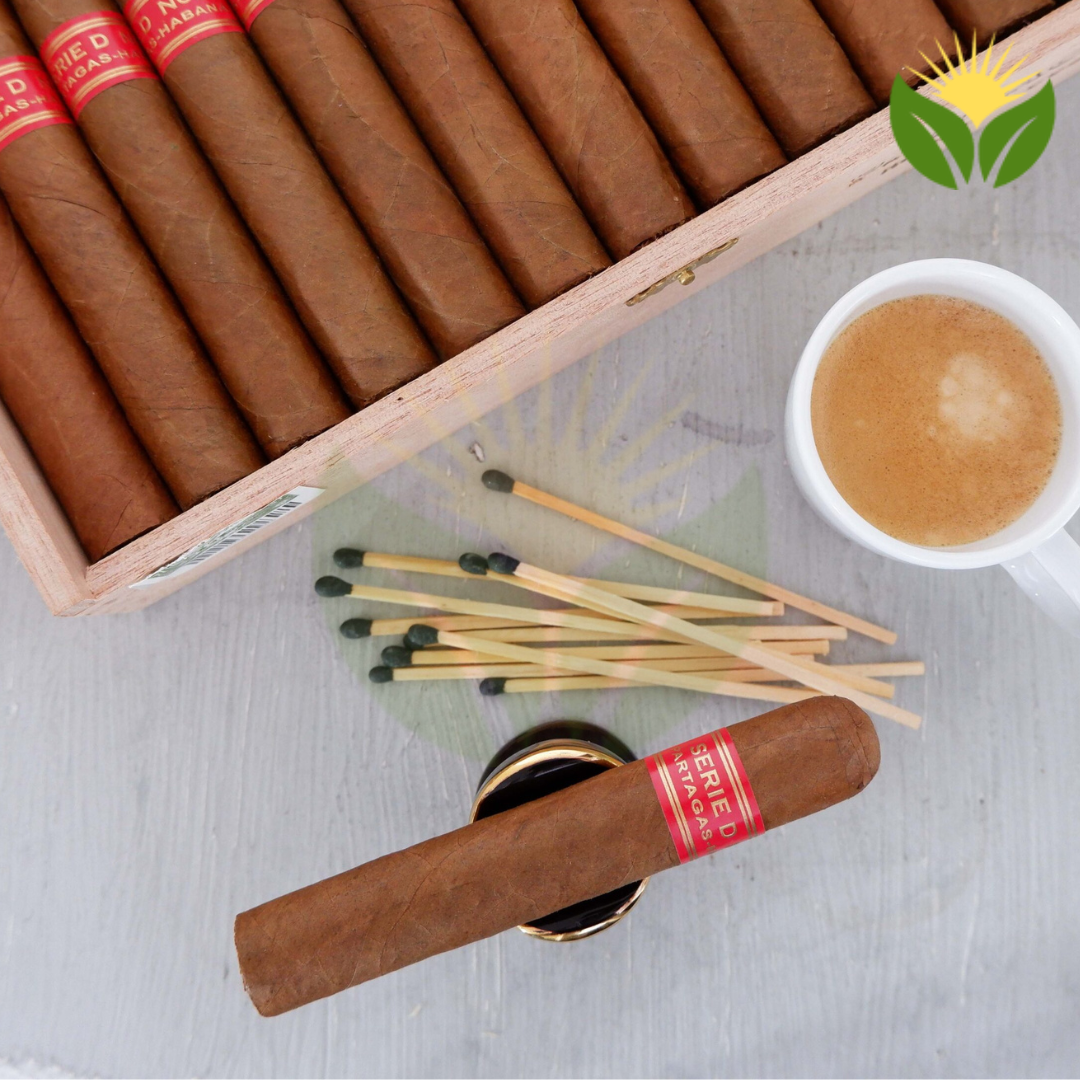
The Transition: Why the Red Band? I pulled out the D4 from my trekking humidor. That iconic red and gold band just really pops.
It doesn’t have the flash of some of the more modern stuff coming out of Nicaragua these days; no embossed foil or holographic logos. The Partagás band is a warning label, in fact. It tells you that you’re not about to smoke a mild, creamy Connecticut. You are damn sure about to fight a dude with heavyweight Cuban tobacco.
I’ve been smoking these for years, and every time I reach for one, I think of the Partagás factory in Havana. I think of standing outside those old gates once, years ago, and feeling the heat of the city and smelling the fermenting leaves from a block away. This whole thing was started by Don Jaime Partagás in 1845, and even though the world has turned once around the sun a thousand times since then, this cigar’s soul feels somehow anchored to that history. It’s a luxury for the “working man,” if it makes sense.
It’s a good-quality, but it doesn’t feel fragile. Construction and Pre-Light Ritual
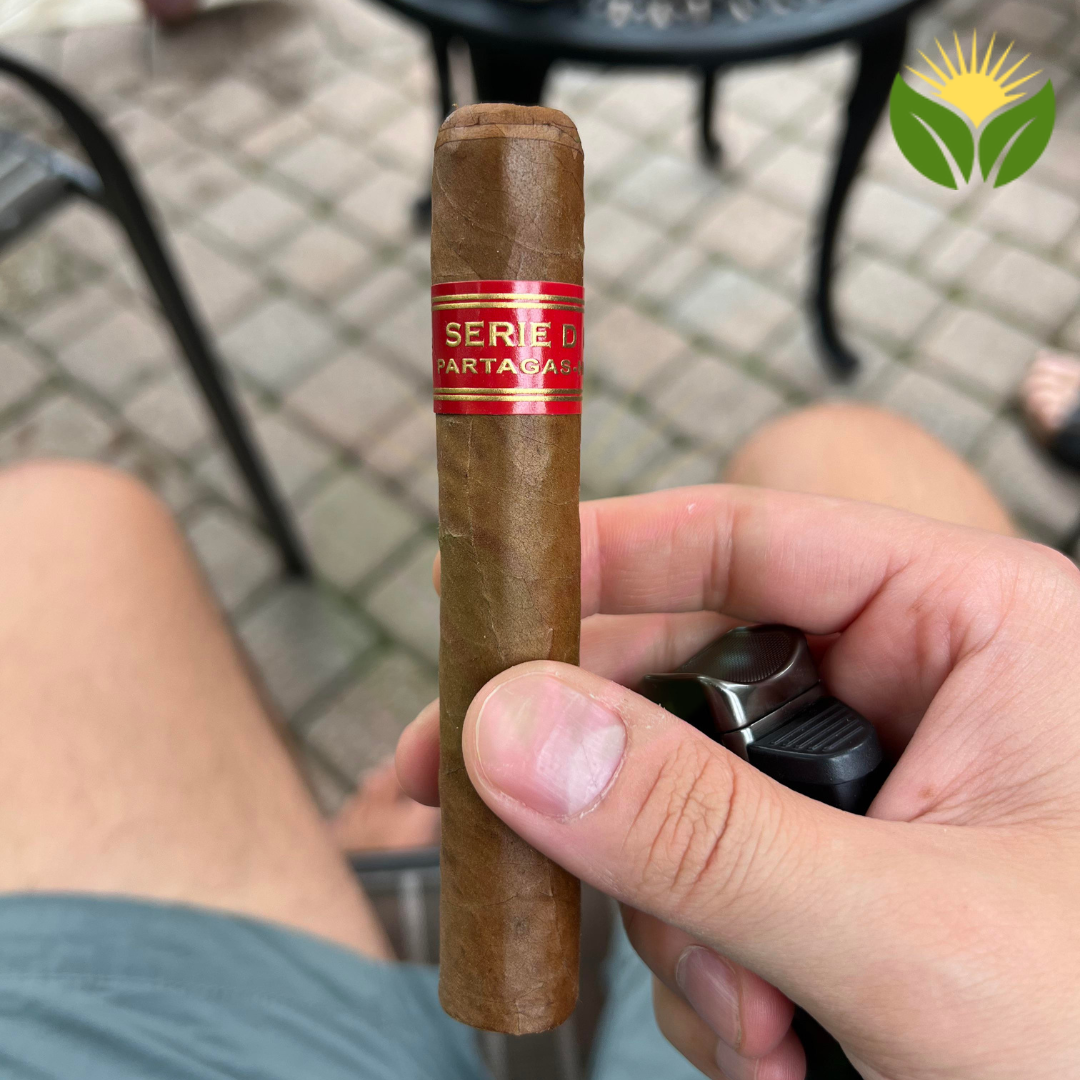
I fidgeted with the D4 in my hand as I kicked a shoe across the garage in the faint light.
It was wrapped in a beautiful Colorado shade—a luxurious, reddish-brown veneer that shined like polished mahogany. It wasn’t perfect. It had a few visible veins and a slightly toothy texture, but that’s what I look for in a Cuban. I want a cigar that doesn’t look 3D-printed.
I want to look at the work and see the hand of a torcedor in there. It was firm, no soft spots in site… always good with Habanos. You occasionally get a “plugged” one, but this felt sound. I used my guillotine and clipped the triple cap.
The pre-light was exactly what I have come to expect, which is a mix of wet earth and the unmistakable “Cuban twang”—a kind of sourdough-meets-barnyard smell that is just not found anywhere else. I took a cold draw and picked up cedar with a general hint of dried fruit. I fired up my torch and toasted the foot to an incredible glow like a coal in a furnace, then puffed away. The First Third to The Wake Up Call
The first handful of pulls on a D4 are like a bear hug
. “It’s not aggressive,” he says, “but it lets you know that it’s there.
Suddenly, the garage was filled with thick blue smoke that made everything smell like old leather and woodsmoke. Black pepper and cedar were the predominant flavors out of the gate. It’s a spicy soup to be sure, but not the “sting your nose” kind of spice. It’s more than that — more like a warm glow at the back of your throat.
I took a sip of my coffee. The bitterness from the black roast sliced right through the pepper of the cigar and it was this damn heavy, savory baseline. About 10 minutes in, you could begin to taste a bit of cocoa through the spice. It wasn’t sweet, the way milk chocolate is; it was like raw cacao nibs.
It is earthy, gritty and deeply satisfying. The burn was a bit wavy — again, so very Cuba — but I left it alone. I’ve learned to just give a D4 some space and it usually solves its own problems. The Second Third: Groove Immersion
By the middle third, I had noticed that sunlight was beginning to force its way through the garage windows, highlighting all of the dust motes dancing in the beams.
This is where the D4 comes into its own. The first pepper toned down slightly to make room for a robust, oaky wood tone. The texture became creamier, and that’s a good foil against the tobacco strength. I also detected an increase in leather.
It made me think of the Buttery Leather Days Gone By of a battered baseball glove or a veteran truck’s bench seat. A Partagás has not just something, but it’s very masculine, it’s grounded in its flavor profile.
It does not pretend to be “pretty.” It’s not yet floral or citrusy at this point; it’s just pure, unadulterated tobacco from the Vuelta Abajo. The body was certainly creeping toward full-medium at this point. I could feel it in my chest—this solid, pleasant warmth that made the cold concrete of the garage a lot cozier all of a sudden. Though I have to say, the construction on this stick was acting right.
It was a salt-and-pepper gray, hanging on there for a good inch until I tapped it off into my heavy glass ashtray. The draw was perfect — enough resistance to make you work but not so much that it felt like a chore. The Final Third: The Crescendo
Arriving at the last third, D4 said it’s time to light things up.
This is where the “Full” strength rating really shines. It got more intense: the flavors deepened and concentrated. There were those baking spices other guys had talked about — notes of cinnamon, nutmeg and whatnot— but they came buried under a wool blanket’s weight of earth and charred oak. There was an unexpected floral-ness that came out right at the end, which surprised me.
It was enough, too much and just right; or as an Australian friend once put it after a trip to Cape Cod, like catching the scent of wildflowers from far off in the forest. The finish was long and oily, coating the palate with leather and spice that lasted well beyond smoke expulsion. It started to get hot right at the end, as robustos often do, but I wasn’t prepared to put it down. I smoked it to the point where my fingers were burning from the heat of the cherry.
I stood there for a few minutes after it had finished the last puff, watching the smoke disappear. By then the coffee was cold but I could not have cared less. The D4 had done what I wanted it to do. It gave me an hour of focus.
It offered me a link to something old-school and well-made. Pairing Recommendations
So, I had this with black coffee just ’cause it was six in the morning and responsibilities.
But if I were sparking this up one Friday night after some steak with friends, what then? Coffee:
A dark roast, black. You want something that can match the earthiness of the Partagás. A wimpy café mocha will be steamrolled by this cigar altogether.
Spirit:
It’s a classic for good reason, after all. It is the spice and pepper in the D4 that pairs it perfectly with the rum’s sweetness. Whisk(e)y:
If you are a scotch drinker, opt for a peaty sipper from Islay. The scotch, with its smokiness, and the cigar are like two old friends kibitzing over a backyard fence.
If you’re a bourbon fan, seek out high rye expression to complement the cigar’s spice. The Verdict
The Partagás Serie D No. 4 isn’t a cigar that’s meant for everyone.
If you are new to things and your taste buds acclimated to mild and creamy smokes, this thing will take out the training wheels beneath you. It’s brash, it’s punchy, and it makes you sit up and listen. It’s not “smooth” in the way a vanilla milkshake is smooth; it’s smooth as in the way of a well-tuned engine. Is it perfect?
No. You’ll have the odd issue with a burn or some here and there patience required to get through a tight draw. But that’s the bargain you strike with Cuban tobacco. You’re making some sacrifices in consistency, but you can’t get this flavor profile anywhere else on the planet.
For me, the D4 is a staple. It’s the cigar I grab when I’m not in the mood to be surprised, but I need something to impress me. It’s dependable, it is sturdy and it has a soul. Whether you are relaxing in the high-backed leather armchair of a lounge or the sun-faded plastic seat of a cold garage, every pour from the D4 feels genuine and real.
I rose to my feet, stretched my legs — and chucked the nub in the bin. The garage didn’t seem so cold now and out of the silence I heard my neighbors car start up. It was just the start of the day and I’d already had the best of it. Final Thought:
If you haven’t had one, you are missing out on one of the classic experiences for cigar thanes.
Just be sure to have a good dinner first. This red-banded beauty doesn’t mince words.