
Description
The amber light filtering through the mahogany shutters painted everything in golden hues that evening. I’d been saving something special in my humidor for just this moment – the perfect end to a long week, with nowhere to be and nothing but time ahead of me. The Montecristo Petit Edmundo sitting before me promised exactly what I needed: a compact Cuban masterpiece that wouldn’t demand my entire evening but would deliver the full complexity I was craving.
There’s something deeply satisfying about choosing the right cigar for the moment. This petit robusto has earned its reputation among Cuban cigars not through flashy marketing, but through consistent delivery of rich complex flavours in a perfectly sized package. At 110mm long with a 52 ring gauge, it’s what I call a great shorter smoke – substantial enough to develop real character, compact enough to fit into your evening without taking it over completely.
A Journey Through Rich Complexity
The beauty of any quality Cuban smoke lies in its evolution, and this petit robusto delivers that progression beautifully across its three acts. From the moment you light it, you’re experiencing tobacco crafted in Cuba with generations of expertise behind every leaf.
Opening Notes: Bold Foundation
Those first few draws hit you with bold earthy and leathery notes that immediately announce this cigar’s Cuban heritage. There’s a subtle spice dancing underneath – not aggressive, but present enough to keep things interesting. I’ve consistently found toasted wood characteristics emerging early, wrapped in surprisingly creamy smoke that sets the stage for what’s coming. The construction is top notch from these opening moments, delivering even burn and perfect draw resistance.
Middle Development: Where Magic Happens
This is where the Petit Edmundo truly shines. The middle third brings forward roasted coffee notes that blend seamlessly with emerging cocoa flavors. I’ve smoked plenty of petit robustos, and few deliver such pleasant floral notes alongside the rich cocoa bean earthiness. Sweet earth undertones provide a grounding foundation while the coffee notes build complexity without overwhelming the palate. It’s during this phase that you really appreciate why Montecristo has maintained its reputation for decades.
Final Third: Memorable Finish
The conclusion brings nutty characteristics forward, often accompanied by enhanced creaminess and those distinctive floral notes that separate quality Cuban tobacco from everything else. Some sessions end with lingering sweetness, others with a woody bitterness that’s never harsh – just substantive. The caramel and chocolate undertones that developed through the middle third often persist, sometimes joined by hints of creamy coffee on the retrohale.
Construction and Appearance
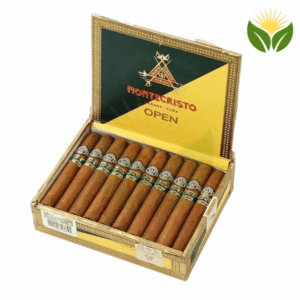
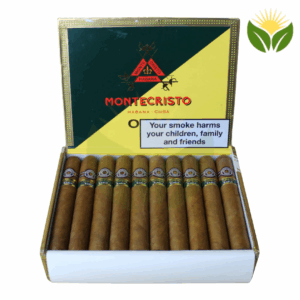
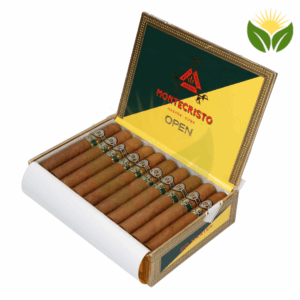
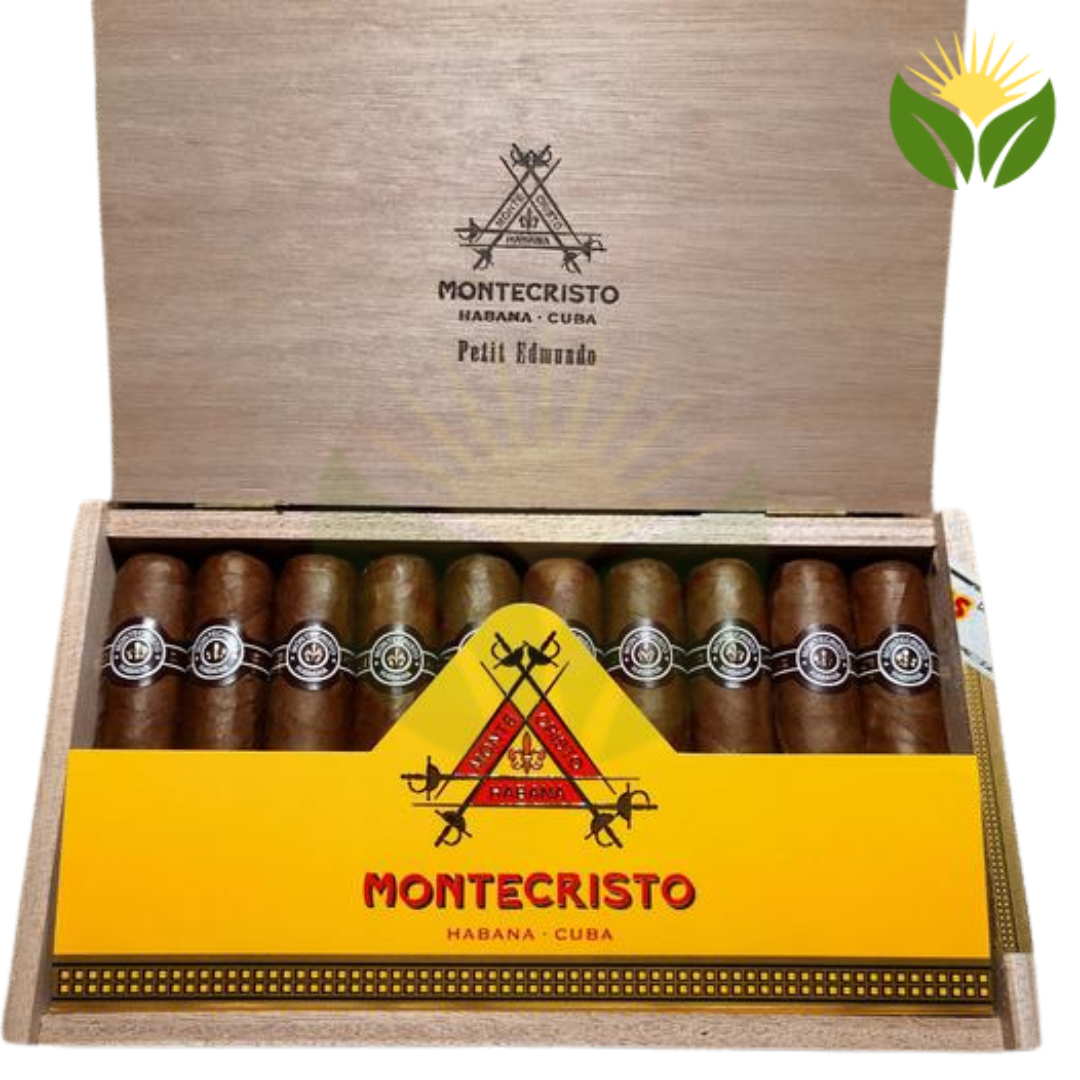
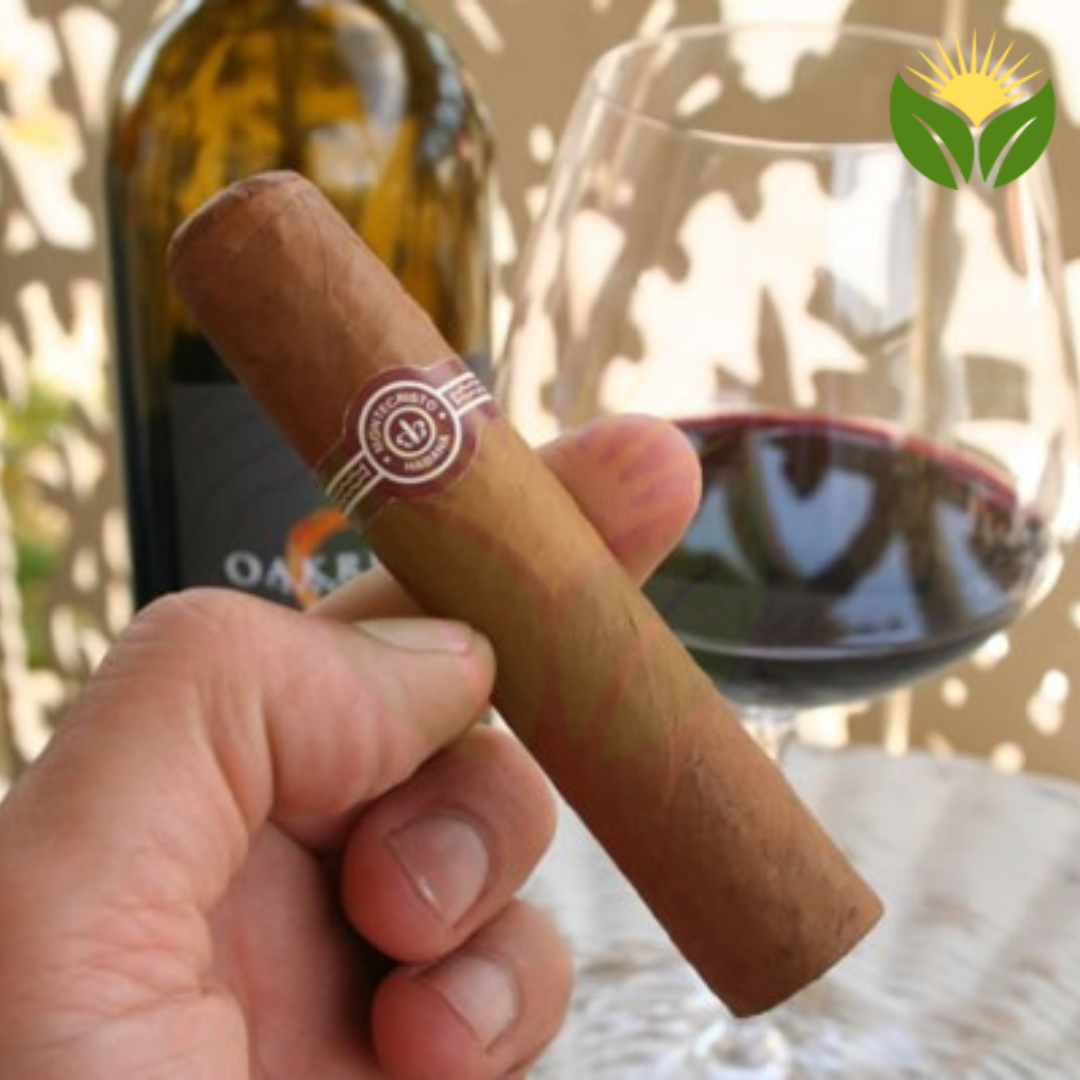
Authentic examples showcase the smooth, oily brownish wrapper that Cuban tobacco is famous for. The construction quality reflects the handmade precision you’d expect from one of Cuba’s premier manufacturers. The wrapper feels substantial without being thick, and the pre-light examination usually reveals excellent cap construction and consistent firmness along the body.
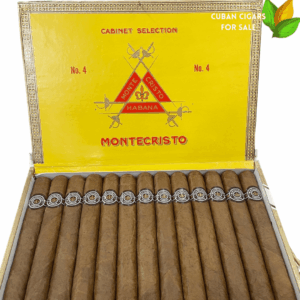
The standard Montecristo bands – both the primary and secondary – should be perfectly aligned with crisp printing. Each cigar should feel balanced in hand, with that characteristic weight distribution that comes from proper bunching and rolling techniques. The official weight of 10.76 grams might seem like a technical detail, but it’s actually useful for identifying authentic products.
Technical Specifications
| Length | 110mm (4⅜ inches) |
| Ring Gauge | 52 (20.64mm diameter) |
| Strength | Medium to Full Body (4/5) |
| Smoking Time | 20-30 minutes |
| Wrapper Origin | Cuban (Vuelta Abajo region) |
Who Should Smoke This Cigar
The Montecristo Petit Edmundo works beautifully for intermediate to experienced smokers who appreciate complexity without wanting to commit to a two-hour smoking session. If you’re familiar with other medium-bodied Cuban cigars – or even quality non-Cuban options like those from Rocky Patel – you’ll find this an excellent step up in complexity and refinement.
It’s particularly suited for evening relaxation when you want something substantial but not overwhelming. Business professionals often gravitate toward this size for after-dinner occasions or weekend unwinding. The medium to full body strength builds gradually, making it approachable for those stepping up from milder cigars while still satisfying experienced palates.
New smokers should probably gain some experience with milder options first, as this cigar’s complexity and strength can overwhelm less developed palates. However, anyone comfortable with medium-bodied smokes will find plenty to appreciate here.
Perfect Pairing Companions
The complexity of this petit robusto opens up excellent pairing opportunities. Single malt Scotch whisky creates perhaps the most complementary match – the whisky’s complexity mirrors the cigar’s development while neither overwhelms the other. I’ve found that Highland or Speyside expressions work particularly well, with their balanced sweetness and subtle smoke characteristics.
Strong coffee provides another excellent companion, especially darker roasts that can stand up to the cigar’s robust middle and final thirds. The coffee’s acidity cuts through the creamy smoke while the roasted notes complement rather than compete.
For those preferring cocktails, creamy drinks work surprisingly well. A well-made White Russian or even an aged rum cocktail can complement the sugary tobacco characteristics that emerge throughout the smoke. The sweetness and creaminess create a harmonious pairing that enhances both elements.
Wine enthusiasts will find that full-bodied reds – particularly those with earthy undertones – create interesting combinations. However, the cigar’s strength means choosing wines carefully to avoid one overwhelming the other.
Proper Storage and Aging
Like all Cuban cigars, proper storage at 70% relative humidity and 21°C (70°F) temperature maintains the wrapper’s oily characteristics and preserves flavor development. I recommend using Boveda packs for consistent humidity control, as fluctuations can damage the wrapper and affect burn characteristics. You can find detailed storage techniques in our comprehensive guide to preserving cigars fresh.
These cigars benefit from proper aging when stored correctly. Six months to a year of humidor time often smooths any rough edges while allowing the complex flavors to marry more completely. However, they’re perfectly enjoyable fresh if you can’t wait – the Cuban tobacco’s natural aging process ensures quality even in younger examples.
For long-term storage, consider proper humidor setup with stable temperature control and regular monitoring. The investment in proper storage pays dividends in maintained flavor and burn characteristics over time.
Cutting and Lighting Technique
The 52 ring gauge accommodates most cutting preferences, though I favor a straight cut about 2mm from the cap’s edge. This preserves the cap structure while providing adequate draw. Some prefer a V-cut for the increased surface area, which can enhance flavor delivery with this particular blend.
For lighting, take time to toast the foot evenly before drawing flame to tobacco. The handmade construction means rushing this process can create burn issues that persist throughout the smoke. Use a butane lighter or cedar spills, avoiding sulfur matches that can interfere with the delicate opening flavors.
Once lit, allow the cigar to establish its burn pattern before drawing too frequently. The quality construction usually creates an even burn line, but patience during the first few minutes ensures optimal performance throughout the session. You can find more detailed techniques in our complete smoking guide.
Identifying Authentic Products
Given global sales and popularity, counterfeit versions unfortunately exist in the market. Authentic examples feature properly aligned Montecristo bands with crisp, clear printing and appropriate holographic elements. The box should include proper Habanos hologram seals and correct labeling.
The wrapper should feel oily and substantial – never dry or papery. Authentic cigars display consistent construction with properly applied caps and even color distribution. The weight should feel substantial for the size, and pre-light draw should offer slight resistance without being tight or loose.
Purchase from authorized Habanos dealers whenever possible. While prices might be higher than questionable sources, authentic Cuban cigars represent a significant investment in both time and money – counterfeits waste both. Our commitment to authenticity ensures you receive genuine products that deliver the expected experience.
Be particularly wary of deals that seem too good to be true. Quality Cuban tobacco commands premium prices for good reasons, and authentic Montecristo cigars reflect that reality in their pricing.
Understanding the Cuban Legacy
The tobacco used in these cigars comes from Cuba’s legendary Vuelta Abajo region, where unique soil and climate conditions create tobacco unlike anywhere else in the world. This geographical advantage, combined with generations of cultivation and processing expertise, explains why Cuban cigars maintain their reputation despite increased global competition.
Understanding this heritage helps appreciate what you’re experiencing when smoking a genuine Cuban cigar. The complex fermentation and aging processes, the specific seed varieties, and the traditional rolling techniques all contribute to flavors and characteristics that can’t be replicated elsewhere. Learning more about Cuban cigar production enhances appreciation for every session.
Frequently Asked Questions
How does this compare to other Montecristo sizes?
The Petit Edmundo offers the classic Montecristo flavor profile in a more concentrated format than larger vitolas like the Edmundo or Double Corona. You get the same complex tobacco blend and construction quality, but the shorter smoking time means flavors develop more quickly and intensely. It’s ideal when you want the Montecristo experience without committing to a 60-90 minute session.
What makes this different from non-Cuban petit robustos?
Cuban tobacco’s unique terroir creates flavor characteristics that can’t be replicated elsewhere. The earthy, leathery base notes combined with the specific floral undertones come from Cuba’s soil and climate conditions. Additionally, traditional Cuban fermentation and aging processes contribute to the complexity that develops throughout each third of the cigar.
Can beginners enjoy this cigar?
While not impossible, beginners might find the medium to full body strength and complex flavor development overwhelming. New smokers often benefit from starting with milder Cuban options or quality medium-bodied non-Cuban cigars before progressing to this level of intensity. However, experienced pipe smokers or those comfortable with full-bodied coffee and spirits might adapt quickly.
How should I store a partially smoked cigar?
Honestly, the 20-30 minute smoking time makes this less of an issue than with larger cigars, but if necessary, you can store a partially smoked cigar for a few hours in your humidor. Remove about half an inch of ash, ensure it’s completely extinguished, and place it separately from unsmoked cigars. The flavor will change upon relighting, but it’s salvageable if stored properly and relit within a few hours.
What’s the best time of day for this cigar?
The medium to full body strength makes it excellent for evening enjoyment, particularly after dinner when your palate can handle the complexity. Many smokers find it perfect for weekend afternoon relaxation as well. The robust flavor profile might overwhelm morning coffee pairings, but it works beautifully with after-work unwinding or social smoking occasions.