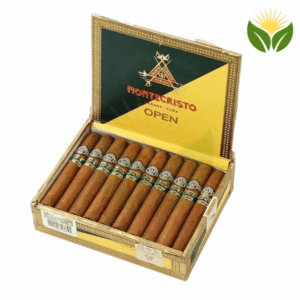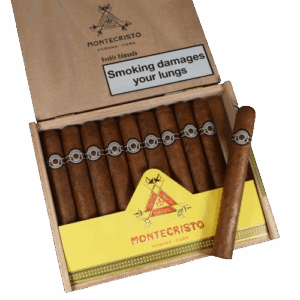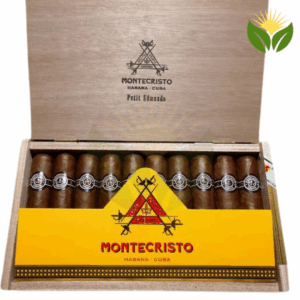

Description
The summer evening breeze off Havana’s Malecón carried the scent of salt and tobacco as I settled into a weathered rattan chair at the Hotel Nacional’s terrace. I’d been walking the city all day, and honestly, I couldn’t think of a better way to end it than with something I’d been curious about for months. The waiter brought over my selection along with a glass of aged rum, and as I examined the familiar Montecristo bands, I knew this was going to be special.
What struck me first wasn’t the cigar itself, but the moment. Sometimes you remember where you were when you experienced something memorable. This was one of those times.
Specifications
| Specification | Details |
|---|---|
| Length | 124mm (4 7/8 inches) |
| Ring Gauge | 50 |
| Vitola | Robusto |
| Strength | Light to Medium |
| Smoking Time | Approximately 1 hour |
| Origin | Cuba (Vuelta Abajo tobacco) |
The measurement puts this right in that sweet spot for a robusto – substantial enough for a proper smoke, but not so large that it becomes an all-evening commitment. I’ve found this size works perfectly when you want something satisfying without the two-hour dedication that some of the larger vitolas demand.
Flavor Journey Through Each Third
Opening Third: The Welcome
Right from the first draw, I was greeted with something that reminded me why I appreciate Cuban cigars so much. The initial flavors were creamy and woody, with rich cedar notes that seemed to dance on my palate. There’s this fresh herb quality that comes through – not overpowering, just present enough to add complexity.
What impressed me was how the combustion is slow and even from the start. Some light almond and toast flavors began emerging after about ten minutes, creating what I can only describe as a toasty, nutty impression that set the foundation for everything that followed.
Middle Third: The Development
This is where the Montecristo master open series delivers on its reputation. The spiciness from those initial draws mellowed beautifully, giving way to more subtle and sophisticated notes. I started picking up cocoa and coffee undertones, balanced with a slight bitterness that wasn’t harsh – more like dark chocolate with a touch of fresh cream.
The butternut sweetness surprised me. It’s not something you expect, but it works perfectly with the cedar base that continues throughout. There were moments where I caught citrus tones, bright and clean, cutting through the richer flavors without overwhelming them.
Final Third: The Conclusion
As I reached the final portion, the smoke developed these beautiful undertones of roasted nuts and light spices. The sweetness became more subtle, more refined. The finish brought something almost chocolate-like with this tangy undertone that lingered pleasantly after each draw.
Even as I approached the band, there was no harshness, no bitterness that sometimes creeps in. It’s a silky medium-bodied smoke that maintains its character right to the end. Honestly, it’s what you want from a great stick – consistency and elegance throughout.
Construction and Appearance
The wrapper on this Cuban beauty has that classic Colorado shade that immediately tells you you’re dealing with quality tobacco from the Vuelta Abajo region. It’s smooth to the touch, with just enough texture to indicate proper fermentation and aging. The construction is solid – no soft spots, even density throughout.
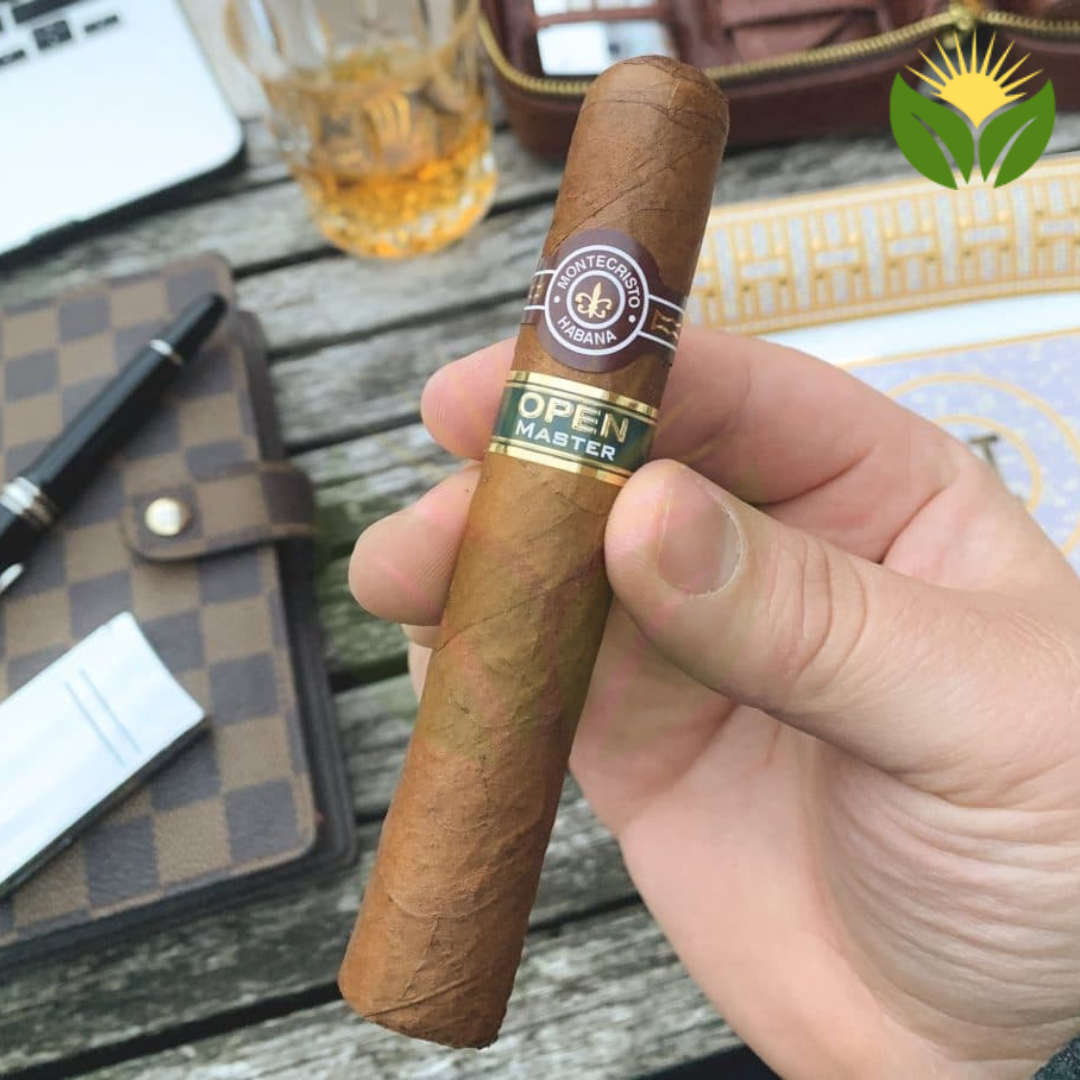
What caught my attention was the special Montecristo Open Master double band introduced for this series. It’s distinctive without being flashy, and it comes housed in an aluminum tubo that keeps it fresh until you’re ready to enjoy it. The pre-light aroma through the foot gives you hints of what’s coming – cedar, earth, and just a touch of sweetness.
The draw wasn’t tight at all, which can sometimes be an issue with Cuban cigars. This one offered just the right resistance, allowing for good smoke production without having to work too hard for it.
Who This Cigar Is For
In my experience, this is an ideal choice for newcomers to Cuban cigars or casual smokers who want something refined without being overwhelming. The light to medium strength makes it accessible, while the complexity keeps it interesting for more experienced smokers.
If you’re like me and enjoy Rocky Patel or similar medium-bodied cigars, you’ll appreciate how this compares. It’s got that Cuban character – earthy, complex, refined – but it won’t knock you over with strength. Perfect for afternoon smoking or when you want something special but approachable.
I’d also recommend it for special occasions when you want to share something memorable with friends who might not be regular cigar smokers. It’s sophisticated enough to impress, gentle enough not to intimidate.
Proper Storage and Aging
Like all premium Cuban cigars, proper storage is crucial for maintaining the quality that makes this smoke special. You’ll want to keep these at 65-68% humidity and between 65-70°F temperature. I’ve learned from experience that proper humidor setup makes all the difference in preserving these cigars’ character.
The aluminum tubos they come in provide excellent protection during transport, but for long-term storage, I’d recommend removing them and placing the cigars directly in your humidor. The tubes can sometimes retain too much moisture and affect the wrapper over time.
These cigars have decent aging potential. I’ve had some that were several years old, and they develop even more complexity – the flavors integrate beautifully, and that slight spiciness in the first third becomes even more refined. For detailed guidance on setting up proper storage, Cigar Aficionado’s humidor guide is an excellent resource.
Perfect Pairings
That evening in Havana, I paired mine with a Havana Club 7-year rum, and it was phenomenal. The rum’s sweetness complemented those butternut and chocolate notes beautifully. But I’ve since discovered this cigar works wonderfully with various beverages.
For whisky lovers, try it with a Highland single malt like Macallan 12 or Glenlivet 15. The honey and vanilla notes in these whiskies play perfectly with the cedar and cream flavors in the cigar. I’ve also had great success pairing it with bourbon – something like Buffalo Trace or Woodford Reserve works excellently.
Coffee enthusiasts will find that a medium roast Colombian or Guatemalan coffee creates a beautiful harmony with the cocoa and nut flavors. For wine, I’d suggest a aged Rioja or a smooth Merlot – something with enough body to stand up to the cigar without overwhelming its subtlety.
Even a quality dark beer like a porter or stout can work, though I’d lean toward the spirits for the best experience.
Authentication and What to Look For
When you order authentic Montecristo Open Masters, there are specific features to verify. The double band should have crisp, clear printing with the distinctive Montecristo sword logo. The outer band features the “Open Master” designation in gold lettering on a red background.
Genuine cigars come in aluminum tubes with the Montecristo logo embossed clearly on the cap. The tubes should feel substantial – not flimsy like counterfeits often are. Inside the tube, you’ll find the cigar wrapped in tissue paper.
The wrapper should be consistent in color with minimal veins, and the construction should feel firm and even. Cuban cigars have a distinctive aroma even before lighting – earthy, slightly sweet, with hints of cedar and tobacco. If something seems off about the smell, construction, or bands, trust your instincts.
When purchasing from reputable sources, you’ll also receive proper documentation and packaging that reflects the quality standards Cuba maintains for its finestcigars exports.
Cutting and Lighting Technique
For this particular vitola, I recommend a straight cut about 2mm from the cap. The 50 ring gauge gives you plenty of surface area for a good draw without needing a punch or V-cut. I’ve found that a sharp guillotine cutter works best – it gives a clean cut that won’t damage the wrapper.
When lighting, take your time. Proper lighting technique is especially important with Cuban cigars because you want to preserve all those subtle flavors. Use a butane lighter or cedar spills – avoid sulfur matches which can affect the taste.
Toast the foot evenly first, rotating the cigar slowly. Then take gentle draws while continuing to apply flame around the foot’s perimeter. Don’t rush this process. A properly lit cigar will reward you with that slow, even combustion that makes the smoking experience so enjoyable.
Once lit, let it rest for a moment before your first real draw. This allows the tobacco to settle and ensures you get the full flavor profile from the very beginning.
Frequently Asked Questions
How does this compare to other Montecristo lines?
The Open Master sits in the milder range of the Montecristo family. It’s gentler than the No. 2 or Edmundo but more complex than the No. 4. If you enjoy the classic Montecristo character but want something less intense, this is perfect. The Open series was specifically designed to be more accessible while maintaining that distinctive Montecristo quality.
Can beginners smoke this cigar comfortably?
Absolutely. The light to medium strength makes it very approachable for newcomers to cigars. I’ve recommended it to several friends who were just starting their cigar journey, and they all appreciated its smoothness and lack of overwhelming nicotine. It’s complex enough to be interesting but gentle enough not to be intimidating.
What’s the best time of day to enjoy this cigar?
I’ve found it works beautifully as an afternoon or early evening smoke. It’s substantial enough for a post-meal cigar but not so strong that it’ll interfere with your day. The one-hour smoking time makes it perfect when you have time to relax but don’t want a two-hour commitment. Weekend afternoons on the patio are ideal.
How long can these cigars be stored properly?
With proper humidification and temperature control, these can age beautifully for years. I’ve smoked some that were five years old, and they were exceptional – the flavors had integrated and mellowed even further. The key is consistent storage conditions. In a well-maintained humidor, they’ll continue improving for at least a decade.
Is the aluminum tube necessary for storage?
The tube is excellent for protection and short-term storage, especially if you’re traveling or don’t have immediate access to a humidor. However, for long-term aging, I recommend removing the cigars from the tubes and storing them directly in your humidor. This allows for better air circulation and more consistent humidity levels. The tubes are great for keeping a few ready to travel with, though.
For those serious about their cigar collection, working with knowledgeable suppliers who understand proper storage and handling makes all the difference in getting cigars that have been maintained at their peak quality from factory to your humidor.