
Description
A September Evening That Changed My Perspective
I’ll never forget the first time I encountered a Montecristo Open Master. It was a humid September evening in 2011, two years after this particular vitola had made its debut. I was sitting on the terrace of a small cigar lounge in Miami Beach with my mentor Carlos, a Cuban exile who’d been smoking cigars longer than I’d been alive. The salt air mixed with the aroma of cedar and tobacco as he handed me this perfectly crafted robusto, nestled in its aluminum tubo like a precious artifact.
“This one’s different,” he said, his weathered fingers turning the cigar slowly. “Montecristo made this for people like you—the ones who think they need a full-strength hammer to enjoy Cuban tobacco.” He was right, of course. At the time, I was convinced that stronger meant better, that complexity required power. The Open Master proved me wrong in the most elegant way possible.
What struck me first wasn’t the strength—it was the balance. Here was a cuban cigar that delivered everything I loved about Montecristo’s craftsmanship without overwhelming my palate. The silky medium-bodied smoke danced between my taste buds, revealing layers I’d never noticed before. That evening taught me something crucial: sometimes the most sophisticated cigars are the ones that know when to whisper instead of shout.
Construction and Cuban Craftsmanship
The Montecristo Open Master showcases the exceptional quality you’d expect from Cuba’s most famous cigar brand. Each stick measures 124mm (approximately 4 7/8 inches) with a perfectly executed 50 ring gauge, making it a classic robusto format that feels substantial without being cumbersome.
The wrapper leaf, sourced from Cuba’s legendary Vuelta Abajo region, displays a gorgeous colorado shade—not too light, not too dark. It’s silky to the touch with minimal veins and an oily sheen that promises good things ahead. The construction is impeccable, as you’d expect from Cuban artisans who’ve been perfecting their craft for generations.
What I particularly appreciate about this cigar’s build quality is the consistency. Whether you’re smoking one from a fresh box or one that’s been aging in your humidor for years, the draw remains excellent after an initial period that might feel slightly tight. Don’t worry if the first few puffs require a bit more effort—this is completely normal and actually indicates proper construction. The combustion is slow and even, creating that perfect white ash that holds for nearly an inch before gently falling away.
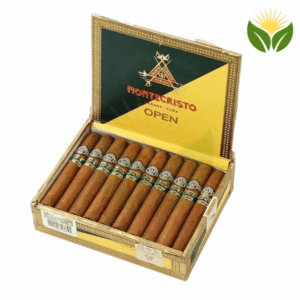
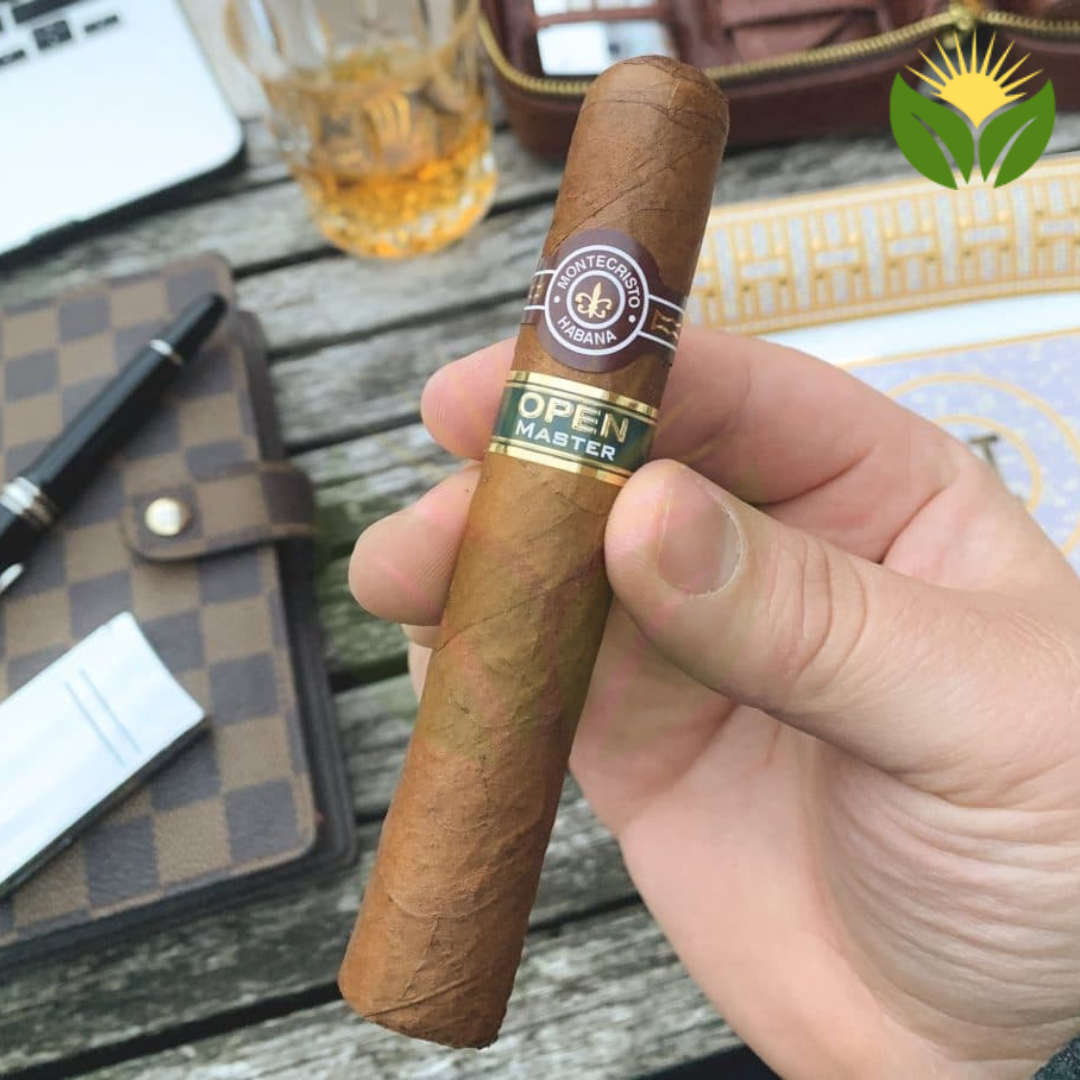
The special Montecristo Open Master double band introduced with this vitola deserves mention too. The traditional Montecristo emblem sits proudly alongside a gold stamp indicating this cigar’s membership in the Open series—a visual reminder that you’re holding something special.
Flavor Profile: A Journey in Three Acts
Opening Third: Gentle Introductions
The first third of the Open Master greets you with remarkable civility. I always tell people this is where Cuban tobacco shows its good manners. The initial draw delivers creamy notes that immediately put you at ease, followed by subtle cedar undertones that remind you of a well-appointed humidor.
Fresh herbs dance on the palate—nothing aggressive, just clean, green notes that suggest spring mornings. There’s a lovely nuttiness here too, primarily almond, accompanied by hints of toast that make you think of a Continental breakfast. The white pepper appears early but behaves itself, providing just enough tingle to keep things interesting without overwhelming the more delicate flavors.
What surprises many smokers during this opening phase is how the initial spiciness gradually softens into cocoa notes. It’s like watching a sunrise—the transformation happens slowly, almost imperceptibly, until suddenly you realize everything has changed.
Middle Third: The Heart of the Matter
Here’s where the Master Open series delivers on its promise of complexity. The body builds to a true medium strength, and suddenly you’re experiencing the full range of what Cuban tobacco can offer. Espresso notes emerge—not harsh coffee, but the smooth, rich flavor of perfectly extracted beans.
Citrus brightens the profile just when you think it might become too earthy. I’ve detected everything from orange zest to lemon peel, depending on the specific cigar and how it’s been aged. Floral notes weave through the smoke, adding an almost perfumed quality that elevates the entire experience.
The roasted nuts become more prominent here, shifting from the earlier almond sweetness to something deeper and more complex. Light spices join the party—think baking spices rather than hot peppers. There’s a subtle bitterness that provides counterpoint to the sweetness, creating the kind of balance that makes you slow down and really pay attention.
The butternut sweetness that appears in this section is particularly noteworthy. It’s not cloying or artificial—just a natural sweetness that reminds you why tobacco was once considered a luxury worth its weight in gold.
Final Third: The Lasting Impression
The final third of the Open Master maintains remarkable harmony. While some cigars fall apart in their closing act, this one stays composed right to the end. The persistent almond notes that first appeared in the opening third return, but now they’re deeper, more mature.
The spice builds slightly here, but never overwhelms. There’s an aromatic, oily finish that coats your palate in the most pleasant way. The cedar remains constant throughout—not overpowering, just providing a steady foundation for all the other flavors to build upon.
What impresses me most about this final section is how all the flavors hold without any single note taking over. You can smoke this cigar down to the very last inch without experiencing the harshness or heat that sometimes plague other vitolas.
Technical Specifications
| Length | 124mm (4 7/8 inches) |
| Ring Gauge | 50 |
| Strength | Light to Medium |
| Smoking Time | Approximately 60 minutes |
| Wrapper | Cuban Vuelta Abajo |
| Packaging | Aluminum tubos (single or 3-pack) |
Perfect Pairings for Every Palate
The beauty of the Open Master lies in its versatility when it comes to drink pairings. Its creamy, nutty profile plays well with a wide range of beverages, making it an excellent choice for different occasions and times of day.
For whisky lovers, I’d recommend a smooth single malt like Glenlivet 18 or Macallan 15. The whisky’s honeyed sweetness complements the cigar’s almond and butternut notes beautifully. If you prefer bourbon, try it with Maker’s Mark or Woodford Reserve—both have enough vanilla and caramel character to enhance the tobacco’s natural sweetness without overwhelming it.
Coffee enthusiasts will find this to be a great stick for afternoon smoking. A well-prepared Cuban coffee or a smooth Brazilian blend brings out the espresso notes that emerge in the middle third. For something special, try pairing it with a café con leche—the milk’s creaminess echoes the cigar’s smooth character perfectly.
Wine pairings work surprisingly well too. A good aged rum like Ron Zacapa 23 or Diplomatico Reserva Exclusiva creates an almost magical combination. The rum’s sugarcane sweetness and oak aging complement every aspect of this cigar’s flavor profile.
For those who prefer lighter options, don’t overlook cream-based cocktails. A well-made White Russian or Brandy Alexander provides the perfect counterpoint to the tobacco’s earthier notes while enhancing its creamy characteristics.
The Art of Preparation
Cutting the Open Master requires a bit of finesse. The aluminum tubo keeps the cap in perfect condition, so you’ll want to preserve that integrity when making your cut. I prefer a sharp guillotine cutter, taking off just enough to create a clean opening—about 2-3mm from the cap’s edge.
The tight draw I mentioned earlier is completely normal for this vitola. Don’t be tempted to cut more or use a draw tool immediately. Light it gently with a cedar spill or quality butane lighter, toasting the foot evenly before taking your first few draws. The tobacco will open up naturally as it warms, and within the first half-inch, you’ll have that perfect draw you’re looking for.
Take your time with the lighting process. Cuban tobacco deserves respect, and rushing this step can affect the entire smoking experience. Proper lighting technique makes all the difference between a good cigar and a transcendent one.
Who Should Smoke This Cigar?
The Open Master occupies a sweet spot that makes it accessible to a remarkably wide range of smokers. If you’re new to Cuban cigars but have some experience with premium tobacco, this is an excellent introduction to what Cuba can offer. The light to medium strength won’t overwhelm novice palates, while the complexity keeps experienced smokers engaged.
I particularly recommend this cigar for golfers and tennis players—the “Open” series was designed with outdoor sports in mind, and the 60-minute smoking time aligns perfectly with post-game relaxation. The aluminum tubo makes it travel-friendly too, so you can easily pack one for your next golf trip or weekend getaway.
Business professionals will appreciate this cigar’s sophisticated character during client meetings or networking events. It’s approachable enough that you won’t offend someone new to cigars, yet refined enough to impress even the most discerning aficionado.
For special occasions, the Open Master strikes the right balance between celebration and restraint. It’s festive without being ostentatious, complex without being challenging.
Authentication: Protecting Your Investment
Given the popularity of Montecristo cigars, counterfeits unfortunately exist in the marketplace. Here’s what to look for when purchasing Open Masters to ensure you’re getting authentic Cuban tobacco.
First, examine the bands carefully. Authentic Open Masters feature two bands: the classic Montecristo emblem with its crossed swords and the secondary gold band indicating the Open series. The printing should be crisp and clear, with no smudging or misalignment.
Check the aluminum tubo as well. Genuine tubos have a smooth, consistent finish with proper Habanos S.A. markings. The cap should fit snugly but not require excessive force to remove.
Construction tells a story too. Authentic Cuban cigars have consistent appearance and feel. The wrapper should be smooth and oily, without any obvious flaws or irregularities. When you order from reputable dealers, you’re much more likely to receive genuine products.
Most importantly, purchase from authorized retailers who can provide provenance documentation. Established dealers stake their reputation on authenticity and typically offer guarantees on their Cuban inventory.
Storage and Aging Potential
Proper storage is crucial for maintaining the Open Master’s exceptional qualities. These cigars perform best when kept at 70% relative humidity and 70°F (21°C). The aluminum tubos provide excellent protection for travel, but for long-term storage, I recommend removing them and placing the cigars directly in your humidor.
The Open Master has excellent aging potential. I’ve smoked specimens with five years of aging that showed remarkable development—the creamy notes became richer, the spice more integrated, and the overall complexity increased significantly. If you’re patient enough to let them rest, buy a box and try one every six months to track their evolution.
For optimal aging, ensure consistent temperature and humidity levels. Proper humidor setup makes the difference between cigars that improve with time and those that simply get older.
The tubos make these cigars particularly suitable for gifting. They arrive in perfect condition and can be stored easily until the right moment presents itself.
Final Thoughts
The Montecristo Open Master represents everything I love about Cuban cigar making. It’s sophisticated without being pretentious, complex without being overwhelming, and accessible without sacrificing quality. Whether you’re looking to expand your palate or share Cuban tobacco with someone new to the experience, this is a very good solid cigar that delivers exactly what it promises.
In my review, this vitola stands as one of the most successful releases in the Open series. It captures the essence of what makes Montecristo special while offering a more approachable strength profile than some of the brand’s more powerful offerings.
For anyone seeking to understand why Cuban cigars maintain their legendary status, the Open Master provides an excellent education. It embodies the balance, craftsmanship, and attention to detail that have made Cuban tobacco the gold standard for premium cigars worldwide.
This is a cigar that rewards attention and patience. Take your time with it, savor each third, and appreciate the artistry that goes into creating something this refined. From plantation to perfection, every step of this cigar’s journey reflects the dedication and expertise that make Cuban tobacco truly special.
Frequently Asked Questions
How does the Open Master compare to other Montecristo vitolas?
The Open Master offers a milder, more approachable experience compared to traditional Montecristo cigars like the No. 2 or Edmundo. While maintaining the brand’s characteristic complexity and build quality, it delivers a lighter strength that makes it suitable for daytime smoking or those who prefer less intensity without sacrificing flavor.
Why is my Open Master drawing tightly at first?
This is completely normal and actually indicates proper construction. Cuban cigars, particularly those stored in aluminum tubos, often have a tighter draw initially. The tobacco will open up naturally as it warms during the first half-inch of smoking. Resist the urge to cut more off the cap—patience will be rewarded with perfect draw characteristics.
What’s the significance of the “Open” series name?
The Open series was designed with outdoor sports enthusiasts in mind—think tennis and golf tournaments. The name reflects the outdoor, active lifestyle these cigars were meant to complement. The strength and smoking time were specifically chosen to suit post-game relaxation and social settings.
How long can I age Open Masters, and will they improve?
Open Masters age beautifully and can improve significantly over 5-7 years with proper storage. The creamy notes develop more richness, the spices integrate better, and the overall complexity increases. I’ve found the sweet spot to be around 3-5 years, though personal preference varies.
Should I remove the cigar from the aluminum tubo for storage?
For short-term storage or travel, the tubo is perfect and provides excellent protection. For long-term aging in your humidor, I recommend removing the cigars from their tubes to allow better air circulation and more consistent humidity exposure. The tubes can interfere with proper aging if left on for extended periods.