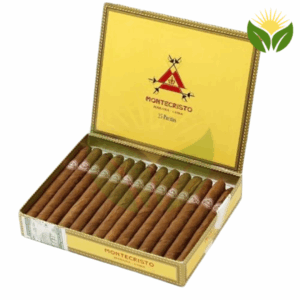

Description
The Cigar That Defined a Generation
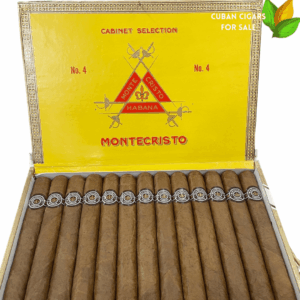
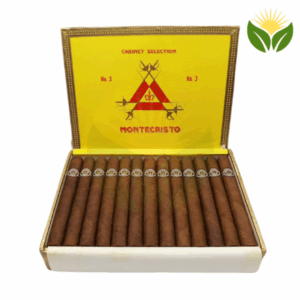
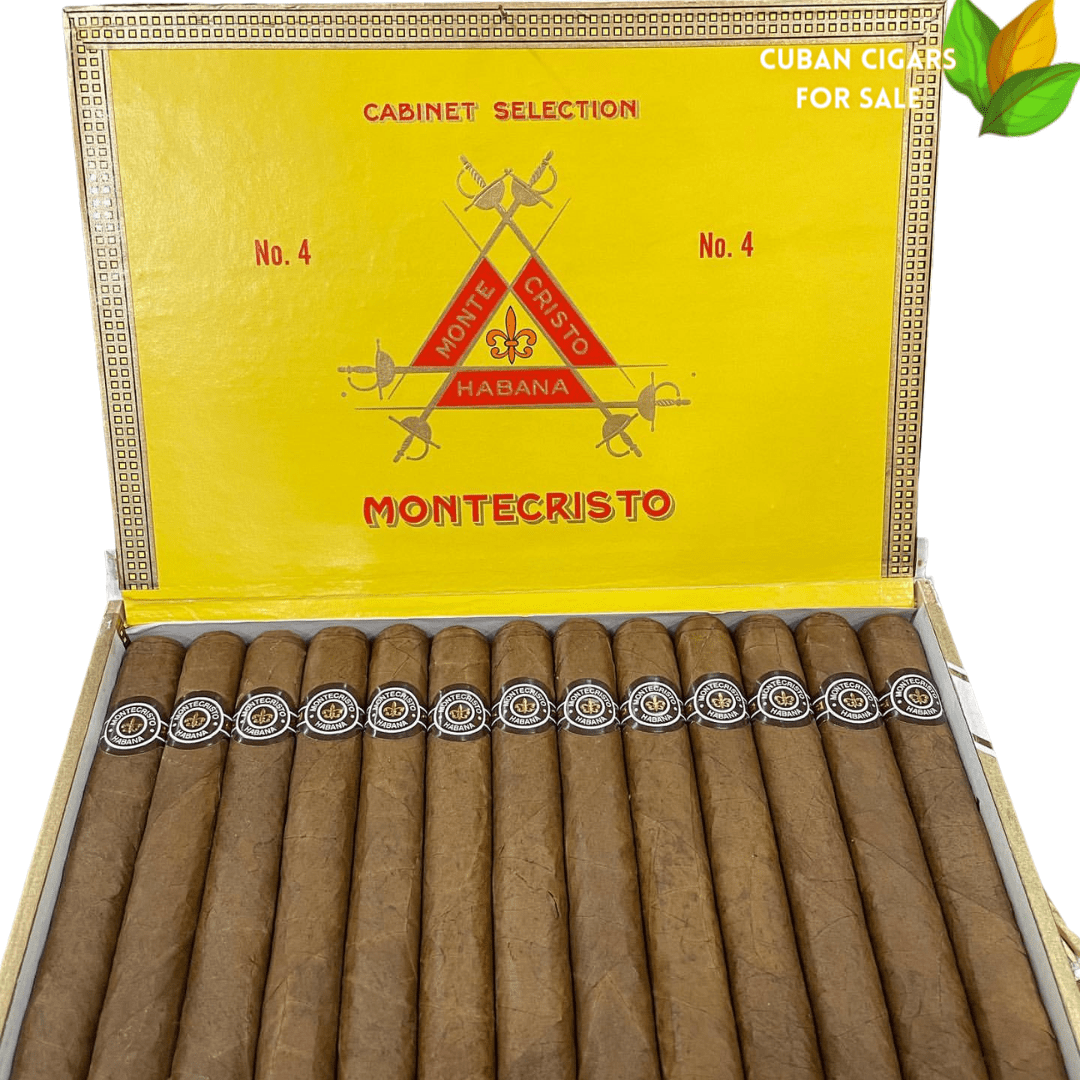
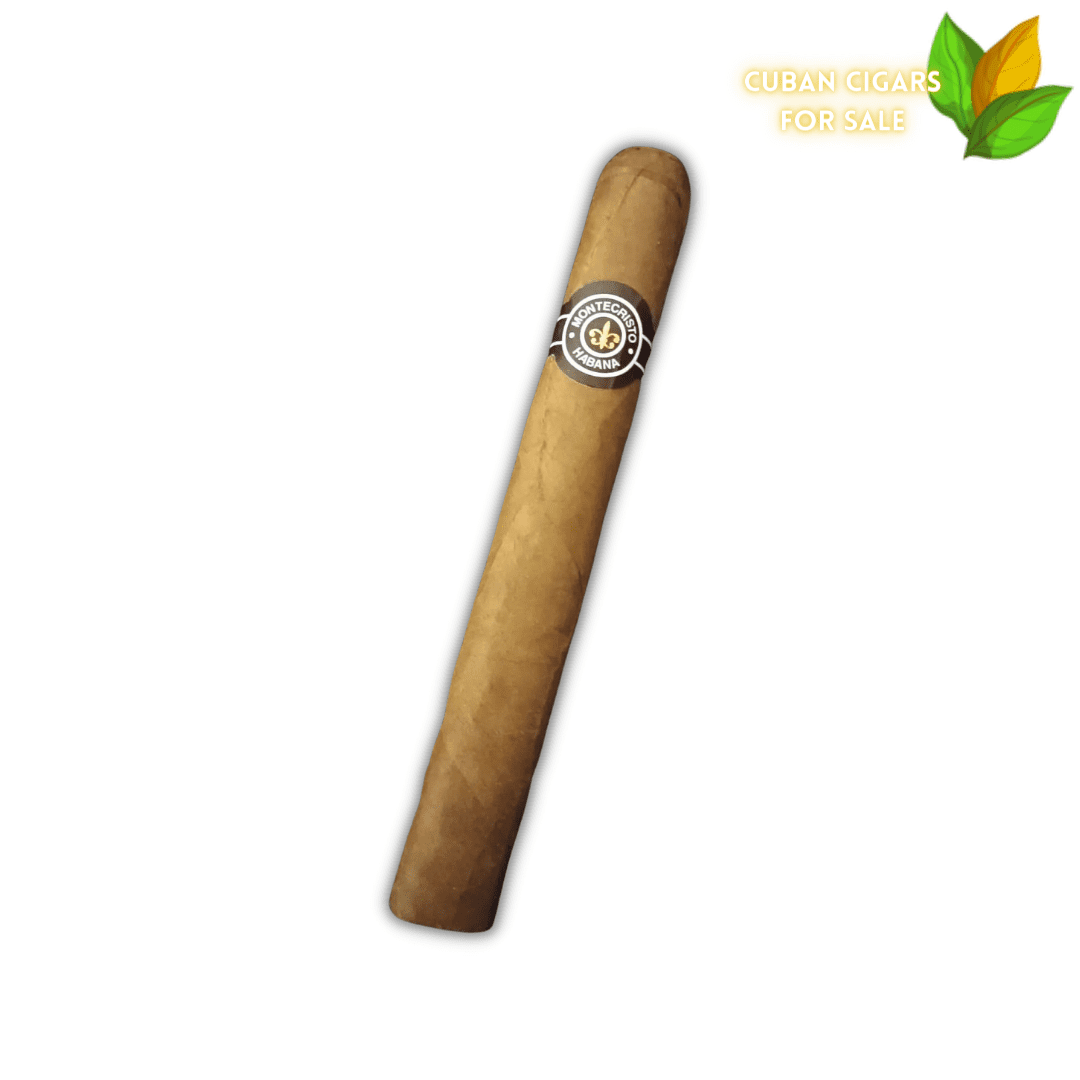
Here’s the thing – when most people think of Cuban cigars, they’re probably picturing a Montecristo No. 4. And honestly? There’s a damn good reason for that. This isn’t just another premium smoke that got lucky with marketing. This is the cigar that’s been tucked into humidors from London to Tokyo for the better part of a century, the one that’s converted more skeptics into habanos devotees than probably any other vitola out there.
I smoked my first Monte 4 in 1997 at a little shop in Old Havana – paid for it with rum money I should’ve saved for the trip home. No joke, that single smoke changed how I thought about cigars forever. We’re going to walk through everything that makes this petit corona special, from the Vuelta Abajo tobacco that goes into every stick to that final puff that you’ll wish could last just a bit longer. Whether you’re completely new to Cubans or you’ve been at this as long as I have, stick around.
What Makes the Montecristo No. 4 Different
Look, Montecristo as a brand needs almost no introduction. Founded in 1935 at the old H. Upmann factory in Havana, it took its name from the Alexandre Dumas novel that readers would recite to factory workers during rolling sessions. Romantic stuff. But the No. 4 specifically? Thing is, this vitola became the flagship of the entire brand for a reason.
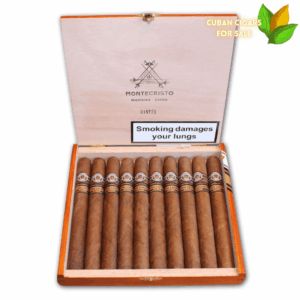
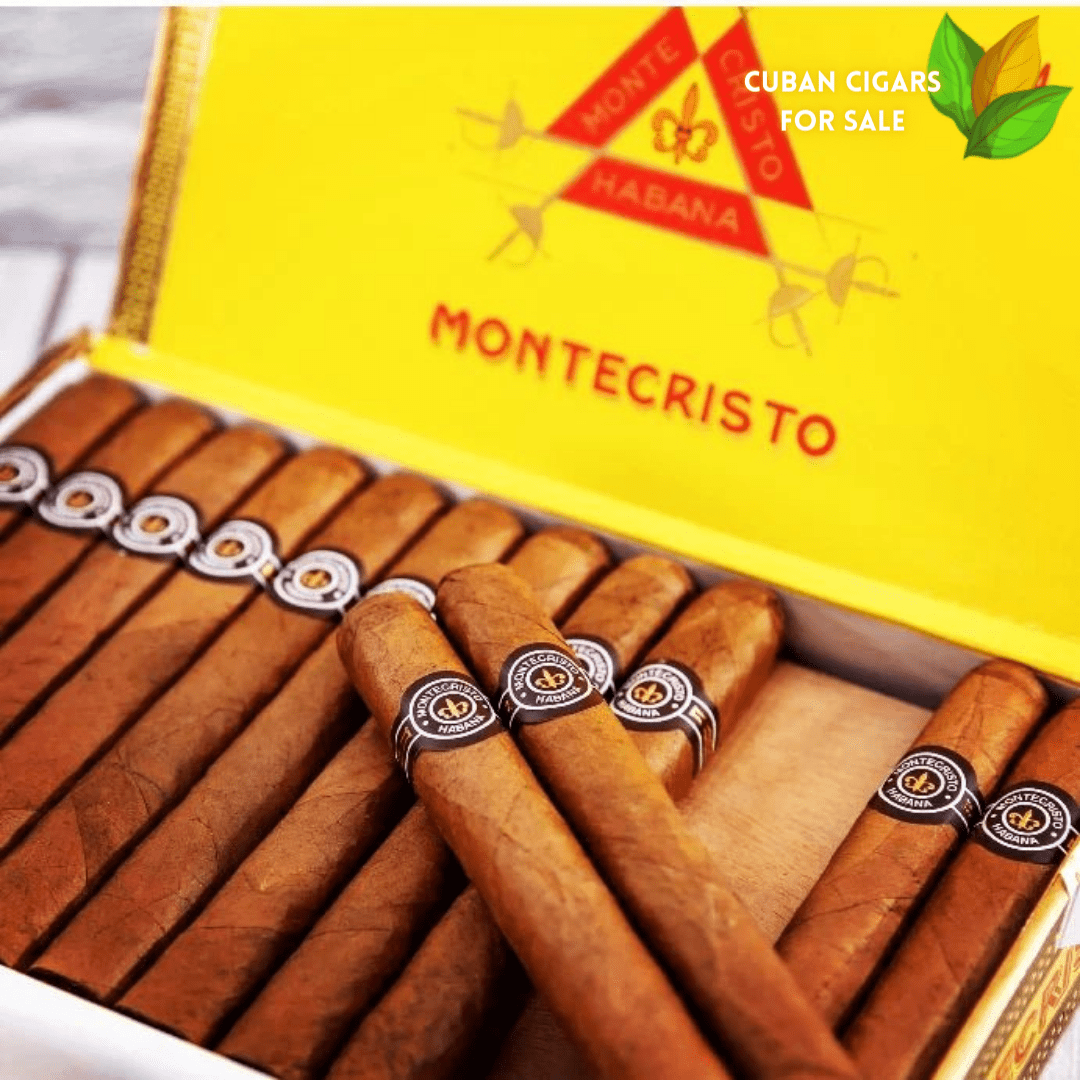
The No. 4 sits in that perfect sweet spot – it’s a petit corona that gives you the full Montecristo experience in about 40 to 50 minutes. Not a quick smoke that rushes through the flavor profile, but not a two-hour commitment either. The blend uses premium tobacco from Cuba’s legendary Vuelta Abajo region, aged a minimum of two years before rolling. Every leaf – the wrapper, binder, and filler – comes from Cuban soil. That’s what Habanos S.A. means when they stamp “Totalmente a Mano” on the box.
This is a medium-strength cigar that doesn’t apologize for having character. It’s built for the aficionado who wants complexity without getting punched in the face, the business lunch that deserves something special, the evening wind-down that becomes a small ceremony. I’ve watched complete beginners fall in love with cigars through a Monte 4, and I’ve watched thirty-year veterans reach for one when they want reliability.
| Specification | Details |
|---|---|
| Vitola | Petit Corona (Montecristo No. 4) |
| Length | 5.1 inches / 129 mm |
| Ring Gauge | 42 |
| Wrapper | Cuban (Vuelta Abajo) |
| Binder | Cuban (Vuelta Abajo) |
| Filler | Cuban (Vuelta Abajo) – Ligero, Seco, Volado blend |
| Strength | Medium |
| Smoking Time | 40-50 minutes |
The Experience: From Light to Final Ash
Okay, so let me walk you through what actually happens when you light one of these up. And I’m not going to give you some flowery wine-taster nonsense here – this is what you’re actually going to taste.
The cold draw on a properly kept Monte 4 gives you this preview of cedar and leather. Not overwhelming, just present. The wrapper itself – when it’s got some age on it – develops this slightly oily sheen that catches light beautifully. Construction is typically flawless on these. Habanos quality control might slip on some of their budget lines, but the No. 4 consistently shows up with a firm, even pack and a cap that cuts clean.
Light it up, and that first third comes at you with authority. You get an immediate hit of that classic Montecristo flavor – creamy smoke with distinct notes of cedar that remind me of walking into a proper humidor room. There’s a subtle coffee undertone that builds as you go, nothing bitter, just this roasted bean character. The retrohale – if you’re into that – brings out white pepper that adds dimension without dominating. The burn line stays razor-straight if you’re not puffing like a chimney, and the ash holds solid grey for a good inch, maybe more.
Second third is where things get interesting. The creaminess smooths out even more, and you start picking up earth notes, maybe some cocoa if you’re paying attention. This is the section where the complexity really shows itself. The strength builds slightly but never crosses into full-bodied territory. I’ve smoked these at 9 AM with just coffee in my stomach and never felt overwhelmed. The smoke production stays consistent – thick, white clouds that hang in still air like they’re posing for a photograph.
Final third – and here’s where you separate the good sticks from the great ones – the Monte 4 doesn’t turn harsh or bitter the way some smaller ring gauges do. You get more leather, the pepper kicks up just a touch, and there’s this nutty character that appears. Some vintage boxes develop a honey-like sweetness in this final stretch that’s genuinely remarkable. Not gonna lie, I’ve nubbed these down to the point where I’m burning my fingers because I don’t want it to end.
The aroma – and this matters if you’re smoking around others – stays pleasant throughout. Clean tobacco smell, no ammonia, no sourness. My wife, who doesn’t smoke, will actually sit outside with me when I’m having a Monte 4. That’s saying something.
How Does It Stack Up?
Real talk: the No. 4 lives in competitive territory. There are other Cuban petit coronas fighting for the same space in your humidor. Here’s how I see the landscape.
| Cigar | Strength | Smoking Time | Best For |
|---|---|---|---|
| Montecristo No. 4 | Medium | 40-50 minutes | All-purpose excellence, reliable complexity |
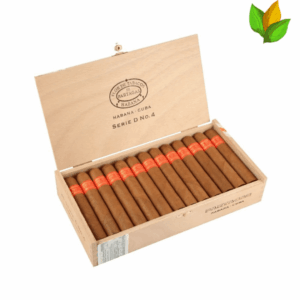
| Partagás Serie D No. 4 | Medium-Full | 50-60 minutes | When you want more power, earthier profile |
| H. Upmann Half Corona | Mild-Medium | 25-35 minutes | Quicker smoke, morning sessions, subtle elegance |
| Romeo y Julieta Short Churchill | Medium | 45-55 minutes | Slightly milder, more floral notes, easier on beginners |
Between you and me, if someone put a gun to my head and said I could only smoke one Cuban vitola for the rest of my life, the Monte 4 would be in my final three. Maybe my final two. The Partagás D4 hits harder and has its place, but the Montecristo just works in more situations. The H. Upmann Half Corona is lovely but sometimes feels incomplete – like watching the first half of a good movie and then having to leave. And the Romeo Short Churchill? Great stick, but it doesn’t have the same presence, the same gravitas.
What to Drink With It
I’ll be honest with you: I’ve paired this cigar with everything from morning espresso to aged rum, and it’s hard to make a bad call. But here’s what genuinely elevates the experience.
Coffee works brilliantly, especially if you’re smoking in the morning or early afternoon. A proper Cuban coffee if you can get it, or a dark roast espresso. The roasted bean notes in the cigar mirror what’s in your cup, and that cedar character cuts through beautifully. I remember smoking one at a café in Little Havana with a cortadito – perfect morning.
For spirits, you want something that won’t bulldoze the cigar’s subtlety. A good añejo rum like Havana Club 7 Year or Flor de Caña 12 Year brings out the sweeter notes in the tobacco. Single malt scotch works too – nothing too peaty, maybe a Speyside like Glenfiddich 15 or Balvenie DoubleWood. The honeyed notes in those whiskies play nicely with the cigar’s creaminess.
Wine? Hear me out on this one – a nice cognac or an aged port does wonderful things with a Monte 4. The fruit-forward sweetness provides contrast while the alcohol content stands up to the smoke. It’s not traditional Cuban pairing territory, but it works.
Time of day? Late afternoon through early evening hits the sweet spot. After lunch when you’ve got time to sit and think, or early evening before dinner. I wouldn’t smoke this after a huge meal – it’s refined enough that you want to taste it properly, not fight through a food coma.
Age Matters More Than You’d Think
Okay, so here’s something a lot of newer smokers don’t realize – these cigars transform with proper aging. A fresh box of Monte 4s is good. A box with five years on it? That’s a completely different animal. I’ve got a few sticks from a 2015 box sitting in my aging humidor right now, and they’ve developed this incredible mellowness, this depth that young cigars just can’t touch.
Fresh Monte 4s sometimes show a bit of youth – sharper edges, less integration between the flavor components. Give them two or three years, and everything starts harmonizing. Cedar becomes more pronounced, that honey-like sweetness I mentioned earlier starts appearing more consistently. The wrapper darkens slightly, oils come to the surface, and the whole smoking experience smooths out.
Now, I know some aficionados will tell you to age everything for a decade. That’s excessive with these. Five to seven years is the sweet spot in my experience. Beyond that, you start losing some of the vibrant character that makes a Monte a Monte. The limited edition releases from various years – when you can find them – show how well this blend responds to time. Vintage boxes from the 2000s still smoke beautifully today.
Storage matters too, obviously. Keep these at 65-68% humidity and around 65-70°F. Any higher and you risk beetles or mold issues. Any lower and they’ll dry out, smoke hot, and you’ll wonder why you wasted the money. Cedar aging trays help, though they’re not essential. What IS essential – and I can’t stress this enough – is buying from reputable sources. The fake market for Monte 4s is enormous, and spotting counterfeits has become its own skill.
What makes the Montecristo No. 4 so popular compared to other Montecristo vitolas?
The No. 4 hits a perfect balance of size, smoking time, and flavor delivery. At just over 5 inches with a 42 ring gauge, it provides the full Montecristo experience in 40-50 minutes – long enough to develop complexity but short enough for a lunch break or evening smoke. The petit corona format also concentrates the flavor profile more than larger vitolas, giving you that classic creamy, cedar-forward character in every puff. It’s essentially become the benchmark that other Cuban petit coronas are measured against, and Habanos has maintained remarkably consistent quality on this particular vitola for decades.
How should I store Montecristo No. 4 cigars, and do they need aging?
Store them at 65-68% relative humidity and 65-70°F for optimal conditions. They’re smokeable right from a fresh box, but honestly, these cigars really benefit from at least 6-12 months of rest after purchase to recover from shipping and settle down. The sweet spot for aging Monte 4s is around 3-7 years – that’s when the flavors fully integrate and that signature honey-like sweetness emerges. Keep them in a well-seasoned humidor with good air circulation, preferably in their original box or with cedar dividers. If you’re storing them long-term, check on them every few months to ensure humidity stays stable.
What’s the typical flavor profile of a Montecristo No. 4?
You’re looking at a medium-strength smoke with a creamy texture throughout. The dominant notes are cedar and leather in the first half, transitioning to coffee, earth, and cocoa in the middle section. The final third develops more nutty characteristics with increased white pepper on the retrohale. There’s a consistent underlying creaminess that makes the smoke smooth and approachable. Well-aged examples develop a subtle honey sweetness that weaves through the entire experience. The aroma is clean tobacco with cedar dominance – pleasant for everyone in the vicinity. The key characteristic is balance – nothing overwhelms, everything works together.
Is the Montecristo No. 4 good for beginners?
Absolutely – it’s actually one of the best entry points into Cuban cigars. The medium strength won’t overwhelm someone new to premium tobacco, and the smoking time is manageable without being too brief. The flavor profile is complex enough to be interesting but approachable enough that you don’t need a refined palate to enjoy it. That said, beginners should smoke it slowly – one puff per minute maximum – to avoid overheating it and developing harshness. I’ve personally introduced dozens of people to Cuban cigars with a Monte 4, and it’s rare that anyone doesn’t appreciate what they’re tasting. Just make sure you’ve got at least 45 minutes to dedicate to it, and pair it with something simple like coffee or water for your first time.
How can I tell if my Montecristo No. 4 is authentic?
Real Monte 4s have several tell-tale signs: the band should have sharp printing with clear details, including a guilloche pattern that’s crisp and well-defined. The box should have a Habanos warranty seal (updated to the new holographic version in recent years) with proper serial numbers. Check the construction – real ones have excellent triple-cap application and uniform color on the wrapper. The cigars should feel firm but not hard, with a slight give when gently pressed. Look for the box code stamp on the bottom of the box – it should be clear and match formatting standards for the production date. Honestly though, the best protection is buying from authorized Habanos dealers rather than trying to authenticate questionable sources yourself. The counterfeit market is sophisticated enough that even experienced smokers sometimes get fooled by box appearance alone.
What’s the best time of day to smoke a Montecristo No. 4?
Late morning through early evening works best. The medium strength makes it versatile – I’ve smoked them at 10 AM with coffee and at 6 PM with rum, both work fine. Avoid smoking it right after a heavy meal since you want your palate clear enough to appreciate the subtle flavors. Mid-afternoon (2-4 PM) might be the ideal window – you’ve digested lunch, you’ve got time to relax, and the cigar’s complexity gets your full attention. Some people love these as an after-dinner smoke, but I find they’re refined enough that you want to taste them properly rather than fighting through food satiation. Weather matters too – these shine on cool evenings or mild afternoons when you can sit outside and take your time.
How does the Montecristo No. 4 compare to the No. 2 and No. 5?
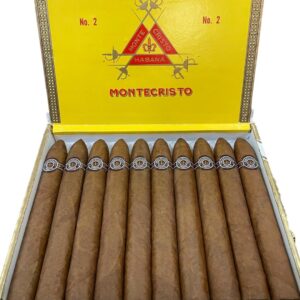
The No. 2 is a torpedo (6.1 inches, 52 ring gauge) that smokes for 60-90 minutes and develops more complexity due to the larger format – it’s the choice when you’ve got time and want the full journey. The No. 5 is a shorter petit corona (4 inches, 40 ring gauge) that’s more concentrated and finishes in 25-30 minutes – great for a quick smoke but doesn’t develop the same character arc. The No. 4 sits perfectly between them: longer than the No. 5 so it has time to evolve, but not as demanding as the No. 2 in terms of time commitment. Think of the No. 5 as the espresso shot, the No. 4 as the cappuccino, and the No. 2 as the full pour-over experience. Same base flavor profile, different presentations.
Why This Cigar Earned Its Reputation
So after all this – the specs, the tasting notes, the comparisons – why does the Monte 4 deserve a spot in your rotation? Thing is, consistency matters in this hobby. You can chase limited editions and rare releases all day long, but having a reliable go-to that performs every single time is invaluable.
I’ve smoked Monte 4s in probably a dozen countries. Hotel balconies in Amsterdam, cigar shops in Mexico City, my own back porch on random Tuesday evenings when work beat me down and I needed 45 minutes of peace. They’ve never let me down. Not once have I lit one up and thought “I should have grabbed something else.” That’s remarkable when you think about it – how many things in life deliver that kind of consistency?
The Vuelta Abajo tobacco that goes into these sticks represents some of the finest leaf Cuba produces. You’re getting the same terroir, the same expert blending, the same hand-rolling traditions that have defined Cuban cigars for generations. And yeah, there are fancier releases – Behikes and Cohiba limited editions and vintage this-and-thats. But the Monte 4 doesn’t need fancy packaging or collector’s appeal. It just shows up and does the job, every time.
Whether you’re building your first humidor or you’ve been at this for thirty years, whether you smoke daily or save cigars for special occasions, whether you geek out over flavor notes or just want something pleasant to pair with your whiskey – the Montecristo No. 4 fits. It’s the cigar I recommend without hesitation, the one I’m never embarrassed to light up regardless of the company, the box I make sure never runs empty.
Stock your humidor with a box. Let them rest for a few months if you can manage the patience. Then crack one open on an evening when you’ve got nowhere to be and nothing demanding your attention. Light it properly, smoke it slowly, and pay attention to what’s happening in your hand. You’ll understand why this particular cigar has remained the benchmark for nearly a century – and why it’s not going anywhere anytime soon.