
Description
Why the Montecristo No. 3 Is Still the Corona That Made Me a Habanos Convert
Look, I’m going to be honest with you – when someone asks me which Cuban cigar turned me from a casual smoker into a full-blown habanos obsessive, it’s this one. The Montecristo No. 3. Not the No. 2 that everyone obsesses over, not the No. 4 that beginners grab first. This corona. I smoked my first one at a lounge in Miami back in… I think it was 2001? Maybe 2002. Doesn’t matter. What matters is that cedar and coffee profile that hit me halfway through and made me think, “Okay, so THIS is what all the fuss is about.” Here’s the thing – this vitola doesn’t get the attention it deserves, and I genuinely don’t understand why more people don’t talk about it. If you’re looking for that classic Montecristo experience without committing to a two-hour smoke, you’ve found it. And I’m about to explain exactly why this might be the most underrated cigar in the entire lineup.
The Corona That Earned Montecristo Its Legendary Status
Montecristo needs no introduction, but I’ll give you the quick version anyway because context matters here. Founded in 1935 at the old H. Upmann factory in Havana, Montecristo became the brand that defined what premium Cuban cigars should be. The name supposedly came from the Count of Monte Cristo novel that factory workers loved to listen to during rolling sessions. Whether that story is 100% accurate or just great marketing – who knows? But what I do know is that by the 1970s, Montecristo was the most recognized Cuban cigar brand globally.
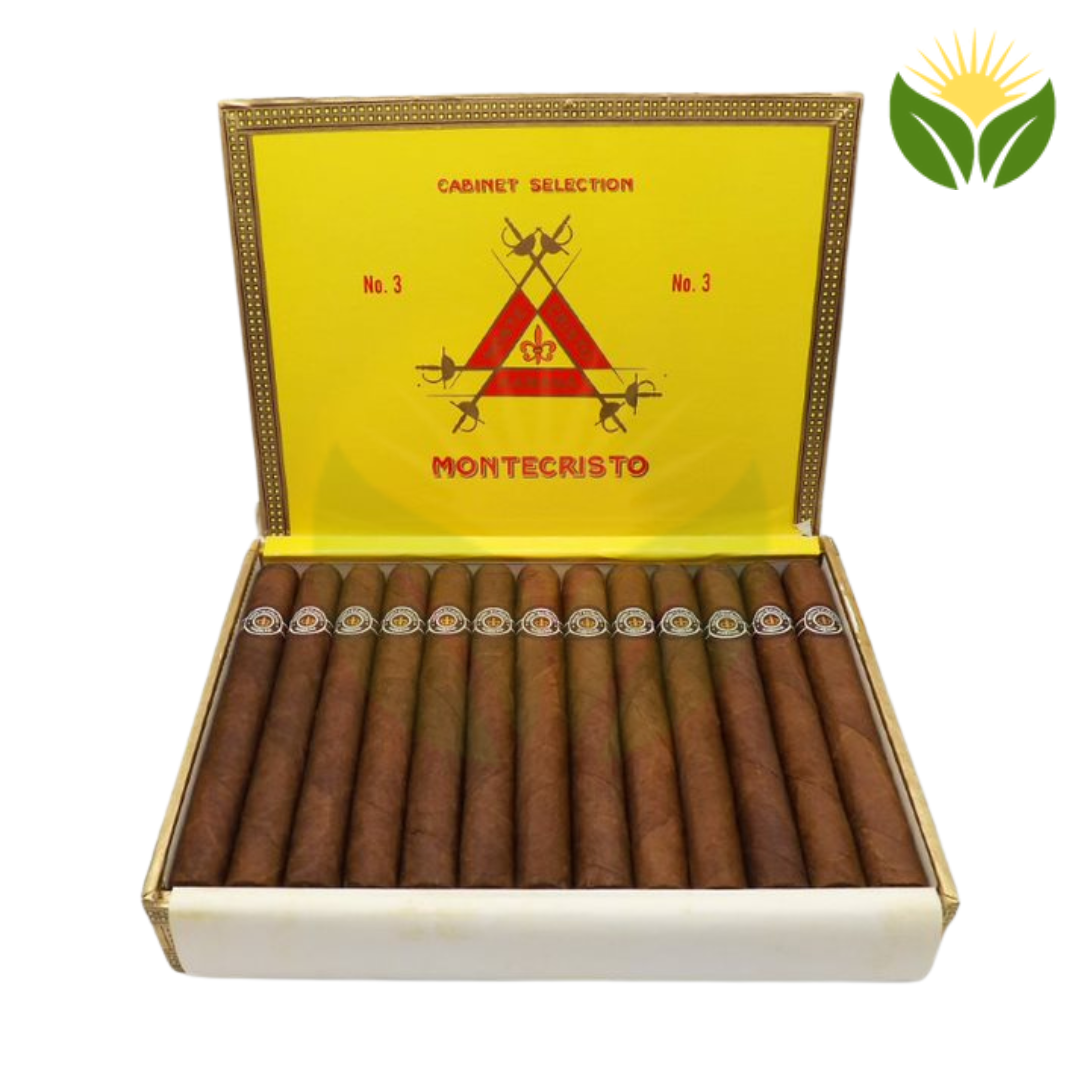
The No. 3 sits right in that sweet spot of the original numbered line. It’s a corona – 5.5 inches with a 42 ring gauge – which was actually one of the most popular sizes back when these vitolas were established. Thing is, modern smokers got obsessed with robustos and torpedos, so coronas like this got pushed to the side. Their loss, honestly. This vitola showcases what makes Montecristo special: that perfect Vuelta Abajo tobacco from Pinar del Río, rolled into a format that gives you complexity without overwhelming you. It’s medium in strength – occasionally creeping into medium-plus territory depending on the vintage – with that signature creamy smoke that made Montecristo the benchmark for Cuban quality.
Who’s this cigar for? I’ll be blunt: it’s for someone who appreciates restraint and elegance over power. If you want your face blown off by strength, grab a Bolivar. But if you want to actually taste the terroir of Cuban tobacco, experience the subtle shifts in flavor as you move through the cigar, and understand why aging matters – this is your education right here.
| Specification | Details |
|---|---|
| Vitola | Corona |
| Length | 5.5 inches / 142 mm |
| Ring Gauge | 42 |
| Wrapper | Cuban (Vuelta Abajo) |
| Binder | Cuban |
| Filler | Cuban blend (Vuelta Abajo region) |
| Strength | Medium (occasionally Medium-Plus) |
| Smoking Time | 40-55 minutes |
What Actually Happens When You Light This Thing Up
Okay, so let’s walk through what you’re going to experience. And I’m going to be specific here because generic tasting notes are useless.
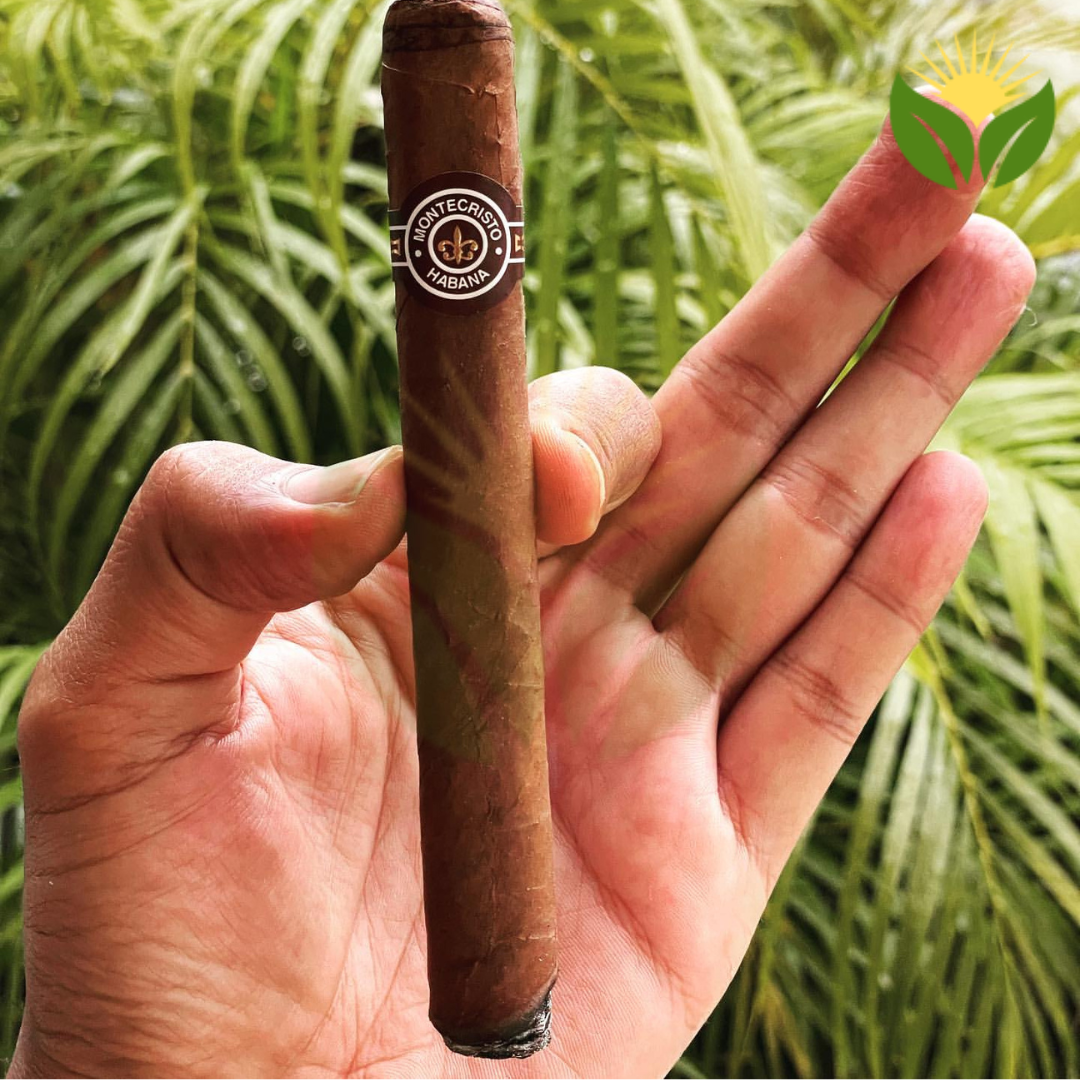
The cold draw – before you even toast the foot – gives you this subtle cedar and cream thing. Not overwhelming, just a preview. The wrapper on a well-stored No. 3 has this light colorado color, maybe some slight veining, but nothing distracting. The construction is typically excellent because, real talk, Montecristo’s quality control is among the best coming out of Cuba these days. I’ve had maybe one or two plugged examples in twenty years of smoking these, which is a better track record than most marcas can claim.
First third hits you with – and I know this sounds dramatic, but – this wave of creamy smoke that coats your palate. There’s cedar right up front, that classic Montecristo signature. Some light pepper on the retrohale, but nothing aggressive. What surprised me the first time I smoked one was how much coffee comes through early. Not espresso bitter, more like coffee with cream already mixed in. There’s also this subtle sweetness underneath everything, almost honeyed, that keeps the profile from being one-dimensional. The burn is typically razor-sharp if you’re not puffing too fast, and the ash holds for a solid inch, sometimes more.
Second third – and this is where it gets interesting – the flavors start layering. That cedar deepens and becomes almost toasty. The coffee notes shift darker, more pronounced. I’ve noticed that well-aged examples (we’re talking five years plus) develop this leather component here that younger cigars don’t have. The creaminess is still there but it’s more of a texture now than a dominant flavor. Sometimes you’ll get these little bursts of white pepper on the retrohale that wake up your palate. The smoke output is generous – this isn’t one of those tight-drawing coronas that makes you work for it. And the wrapper – oh man – if you’re smoking it slow enough, you can actually smell the cedar radiating off it between puffs.
Final third is where you separate the amateurs from the people who know how to smoke a corona properly. Don’t rush it here. The flavors concentrate – that’s just physics with the smaller ring gauge – and you get this beautiful finish where everything comes together. The cedar is still present but now there’s this earthiness underneath it. The coffee has a slight bitter edge that balances the sweetness from earlier. Some people get cocoa here; I usually get more of a roasted nut quality, like toasted almonds. The strength picks up a bit – not dramatically, but you’ll notice it. And if you’ve been doing retrohales throughout, this final third delivers probably the most complex version with pepper, cedar, and this aroma that reminds me of walking into a tobacco warehouse. Not the dried bay leaf thing – actually, scratch that, there IS some of that herb quality on the very end. Anyway, the nub stays cool, and if you’re stubborn like me, you can take it down until your fingers get warm.
How the No. 3 Stacks Up Against Its Siblings and Competitors
| Cigar | Strength | Smoking Time | Best For |
|---|---|---|---|
| Montecristo No. 3 | Medium | 40-55 minutes | Afternoon smoke, showcasing classic profile without time commitment |
| Montecristo No. 4 | Medium | 35-45 minutes | Shorter smoke, slightly more approachable for beginners |
| Partagás Serie D No. 5 | Medium-Full | 35-45 minutes | When you want more strength and earthiness in a petit format |
| Romeo y Julieta Exhibición No. 3 | Mild-Medium | 45-60 minutes | Lighter, more floral alternative with similar dimensions |
Here’s what gets me about the No. 3 versus the more famous No. 4: the extra half-inch and slightly larger ring gauge give you more complexity. The No. 4 is great, don’t get me wrong, but it’s almost too efficient. You get the Montecristo profile in a condensed format, which is perfect sometimes, but you miss some of that flavor evolution. The No. 3 lets the tobacco breathe a bit more, develop those layers I was talking about. Between you and me, I think the No. 3 is actually the better representation of what Montecristo is trying to achieve, but the No. 4 got all the marketing attention.
What You Should Drink With It (And When You Should Smoke It)
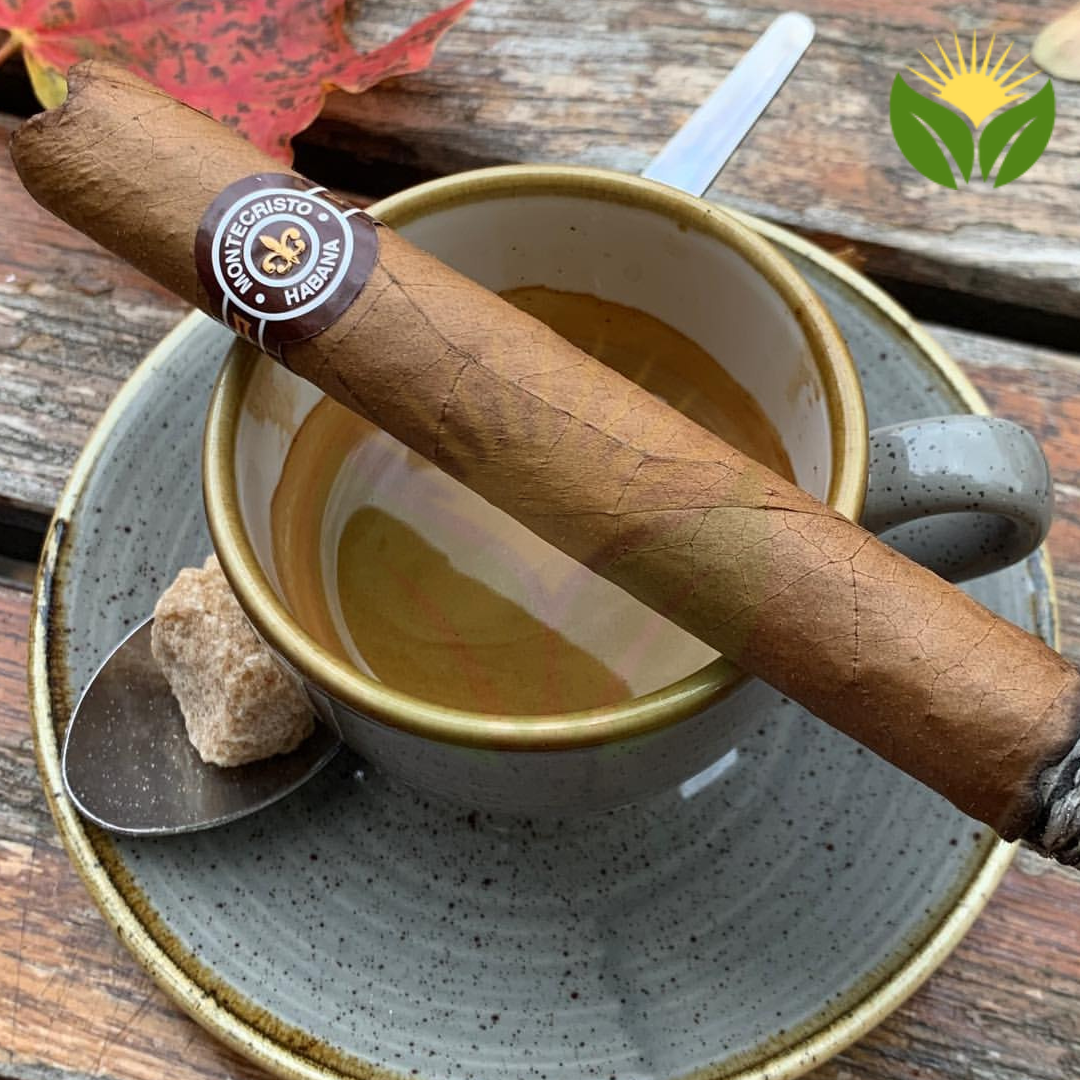
I’ll be honest with you – I’m not one of those guys who gets precious about pairings, but some combinations just work. The No. 3’s creamy, cedar-forward profile plays beautifully with coffee. Not Starbucks burnt stuff, but a good medium roast with some body to it. I’ve had this cigar with Cuban coffee in Havana (obviously the peak experience, but I’m probably biased here) and with a simple cappuccino at my local lounge, and both worked perfectly.
For spirits, you want something that’s not going to compete. A smooth aged rum – I’m talking Diplomático Reserva Exclusiva or a good añejo – complements that sweetness in the tobacco without overwhelming it. Cognac works if you’re going for elegance. I had a No. 3 with a VSOP Rémy Martin once during a poker night and… yeah, that was a good evening. Whisky is trickier – keep it light, maybe a Speyside single malt, nothing too peaty or you’ll lose the cigar’s subtlety.
As for when to smoke it? Look, this is a late morning or early afternoon cigar for me. It’s got enough complexity to be interesting, but it’s not so demanding that you need to be fully caffeinated and alert. Weekend brunch smoke? Perfect. After a round of golf? Absolutely. Evening smoke? Sure, but I’d probably reach for something with more oomph if I’m being honest. The 45-minute smoking time makes it ideal for when you want a proper Cuban experience but don’t have two hours to dedicate to it.
What People Always Ask Me About the No. 3
Is the Montecristo No. 3 good for beginners or is it too complex?
Real talk: this is actually a great cigar for someone moving beyond entry-level smokes. The strength is manageable at medium, the flavor profile isn’t overwhelming, and the smoking time isn’t intimidating. It’s complex enough to be interesting without being so nuanced that you need a PhD in tobacco to appreciate it. I’ve handed these to friends who were just getting into Cubans, and they got it immediately. That cedar and cream profile is accessible. Just make sure you’re smoking it slowly – that’s the only technique requirement here.
How much aging does the Montecristo No. 3 need before it’s ready to smoke?
Here’s the thing – you can smoke these fresh if you want, and they’ll be good. But give them at least a year in your humidor and they transform. The rough edges smooth out, that creamy texture becomes even more pronounced, and the flavors integrate better. I’ve got a box from 2018 right now that’s smoking absolutely phenomenally – that five-year mark seems to be the sweet spot where everything just clicks. The cedar becomes richer, you get more complexity in the second and third portions, and the overall experience is just more refined. But look, not everyone has the patience for five-year aging, and I get it. Even with six months of rest, you’ll notice improvement over factory-fresh.
How does the No. 3 compare to the No. 2 in terms of flavor profile?
The No. 2 – the torpedo everyone obsesses over – is definitely stronger and more intense. It’s got that figurado shape that concentrates the smoke, so you get more pepper, more punch, more everything really. The No. 3 is more refined, more subtle. Think of it this way: the No. 2 is making a statement, the No. 3 is having a conversation. Same basic DNA from the Vuelta Abajo filler, but completely different experiences. I reach for the No. 2 when I want something that demands my attention. I reach for the No. 3 when I want to actually relax and enjoy the nuances. And I know some aficionados will disagree, but I think the No. 3 better represents what classic Montecristo is supposed to taste like.
What’s the ideal humidity level for storing Montecristo No. 3 cigars?
I keep mine at 65% relative humidity, which is slightly lower than the traditional 70% you’ll hear people recommend. Thing is, that lower humidity helps these coronas burn better and prevents that wrapper from getting too oily. Cuban cigars in general – and Montecristos specifically – seem to perform better when stored a bit drier. Some guys go as low as 62%, which is fine too, but I’ve found 65% to be the sweet spot. Temperature matters just as much though – keep it between 65-68°F if you can. And for the love of everything holy, don’t store these in one of those cheap desktop humidors that can’t maintain consistent humidity. These cigars deserve better than that.
Can you smoke a Montecristo No. 3 right after a meal, or is it too mild?
Depends on the meal, honestly. After a light lunch – salad, sandwich, something like that – the No. 3 is perfect. After a heavy steak dinner with red wine? You might want something with more strength to cut through all that. The medium strength here is enough to stand up to moderate food, but it’s not going to compete with a rich meal the way a Partagás or Bolivar would. I’ve found it works great after brunch, which is when I smoke these most often anyway. The coffee and cream notes actually complement breakfast foods weirdly well. But if you just crushed a rack of ribs, maybe save this for another time and grab something fuller-bodied.
Why is the wrapper on my Montecristo No. 3 darker than others I’ve seen?
Cuban cigars have more wrapper color variation than people realize because – wait, let me back up – the wrapper leaves come from different parts of the tobacco plant and different sections of the field, so you get natural variation. A colorado wrapper can range from light tan to medium brown, and they’re all legit. I’ve had boxes where every cigar looked identical and boxes where there were three different shades. As long as you’re buying from legitimate sources (and you should be, because the counterfeit market is real), that color variation is just part of the authentic Cuban cigar experience. Now, if the wrapper is seriously dark – like maduro dark – then yeah, something might be off. But typical shade variation within the colorado range? Totally normal, and it doesn’t significantly affect the flavor anyway.
Are Montecristo No. 3 cigars ever released as limited editions or vintage offerings?
The No. 3 itself is a regular production cigar – it’s part of the core Línea 1935 numbered series – so it’s not released as a limited edition. Habanos S.A. does their limited edition releases with different vitolas and special bands. That said, you’ll sometimes find aged boxes of No. 3s from specific years that vendors market as vintage offerings, and those can be spectacular. I’m talking boxes with five, ten, even fifteen years of age on them. The tobacco quality and aging potential make these worthy of that vintage treatment, even if they’re not officially labeled as such. And honestly? A well-aged box of regular production No. 3s will smoke better than most limited editions anyway. There, I said it.
Why This Corona Deserves a Spot in Your Humidor
So look – I’ve been smoking Cuban cigars for over two decades now, tried hundreds of different vitolas and marcas, and the Montecristo No. 3 is still in my regular rotation. That should tell you something. It’s not the flashiest cigar, it’s not the strongest, it won’t impress your friends who only care about limited editions and fancy bands. But what it will do is deliver that classic Cuban cigar experience – the cedar, the cream, that Vuelta Abajo terroir – in a format that respects your time and your palate.
The medium strength means you can smoke it without planning your whole day around it. The 45-50 minute smoking time fits into actual life. The flavor profile is complex enough to stay interesting but accessible enough that you’re not working to decode it. And with some age on them? These things become absolutely stellar, developing layers that justify every year of patience.
If you’re building a humidor and trying to decide which Montecristo vitolas deserve space, the No. 3 should be on your short list. It’s the corona that made coronas relevant again for me. It’s the cigar I hand to people when they ask what a “real” Montecristo tastes like. And it’s probably one of the most underrated cigars in the entire Habanos portfolio. No joke. Add a box to your collection, let them rest for at least six months (a year if you can stand it), and thank me later. You’ve found your new afternoon smoke.