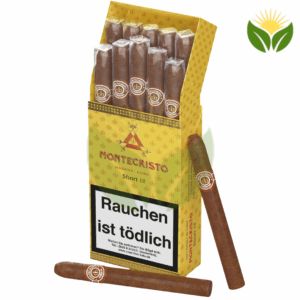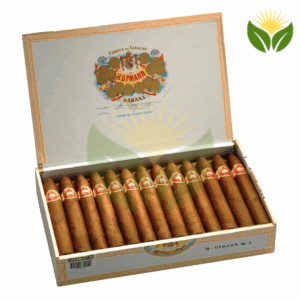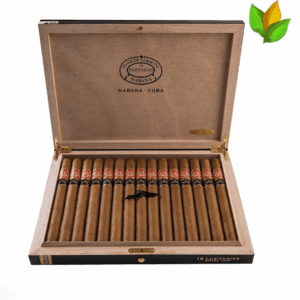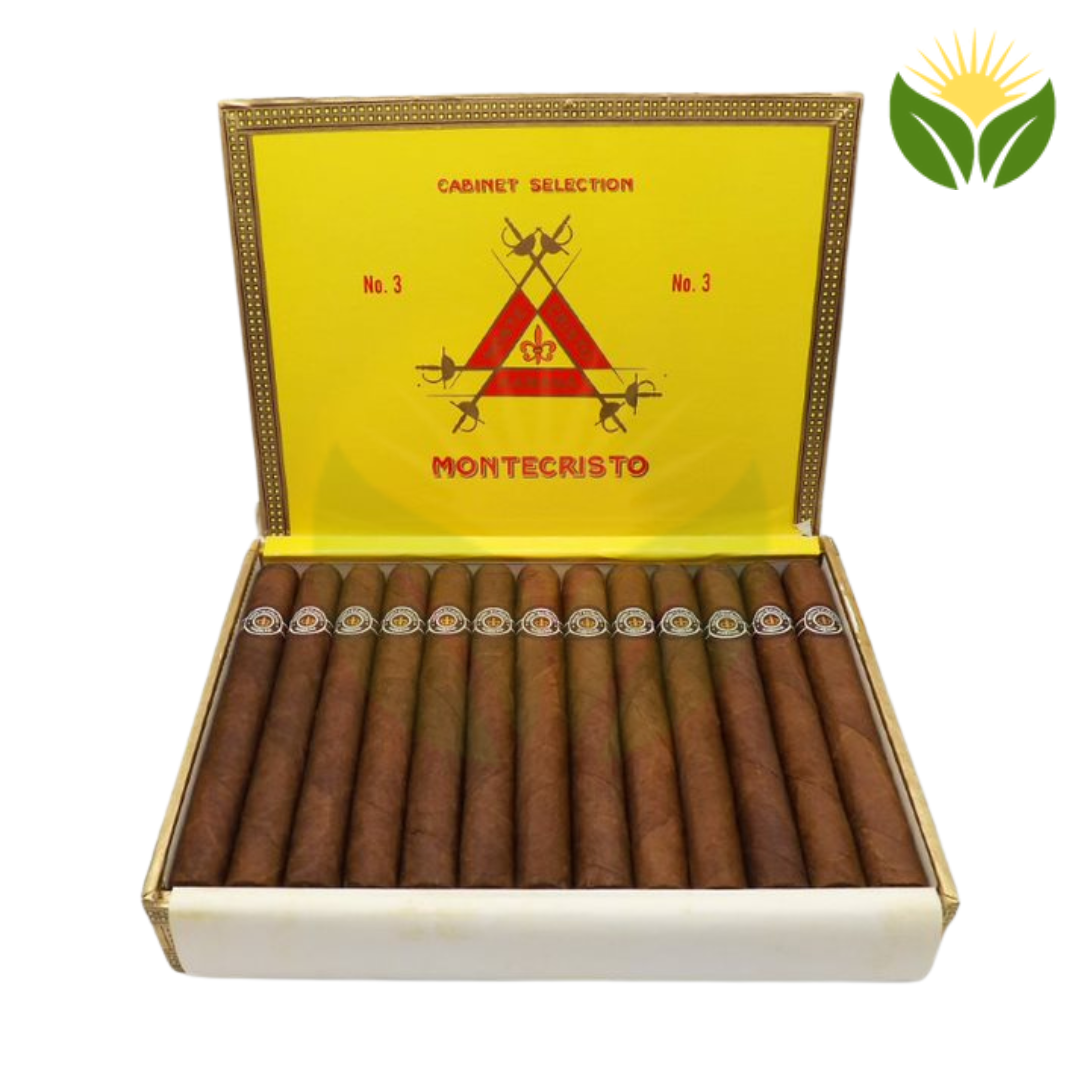

Description
The amber evening light filtered through the leather chairs of the Havana Club that Tuesday, casting shadows across weathered mahogany as I reached for the small corona resting in the cedar-lined box. Its weight surprised me—heavier than expected for such an elegant size, with that distinctive golden band catching the warm glow. The wrapper felt like silk between my fingers, releasing whispers of earth and honey that transported me instantly to those tobacco fields I’d visited in Pinar del Rio.
I’d been curious about this particular vitola for months. Everyone talks about the bigger Montecristo sizes, but there’s something intimate about a corona that demands respect. This wasn’t just another smoke—it was a conversation waiting to happen.
Construction and Appearance
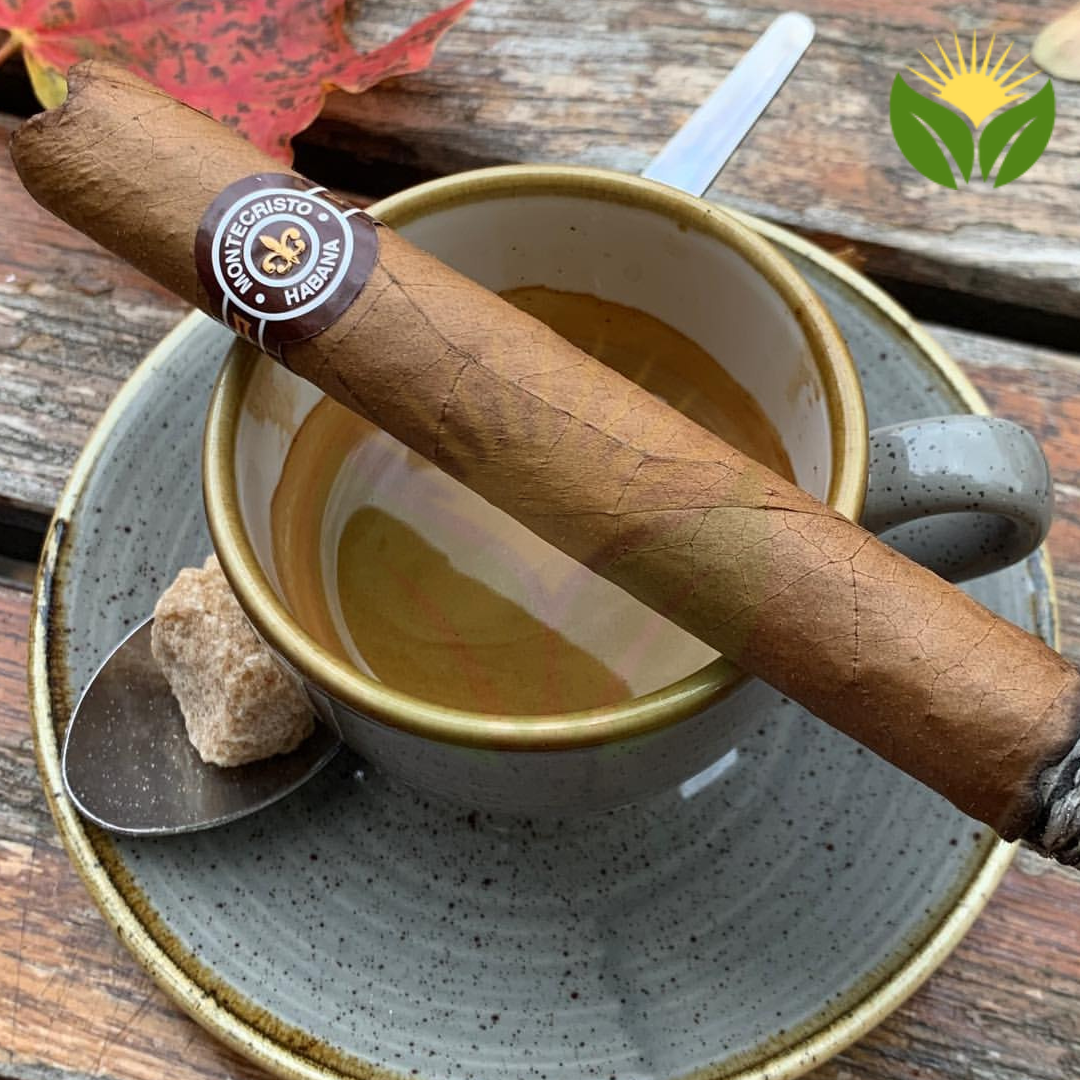
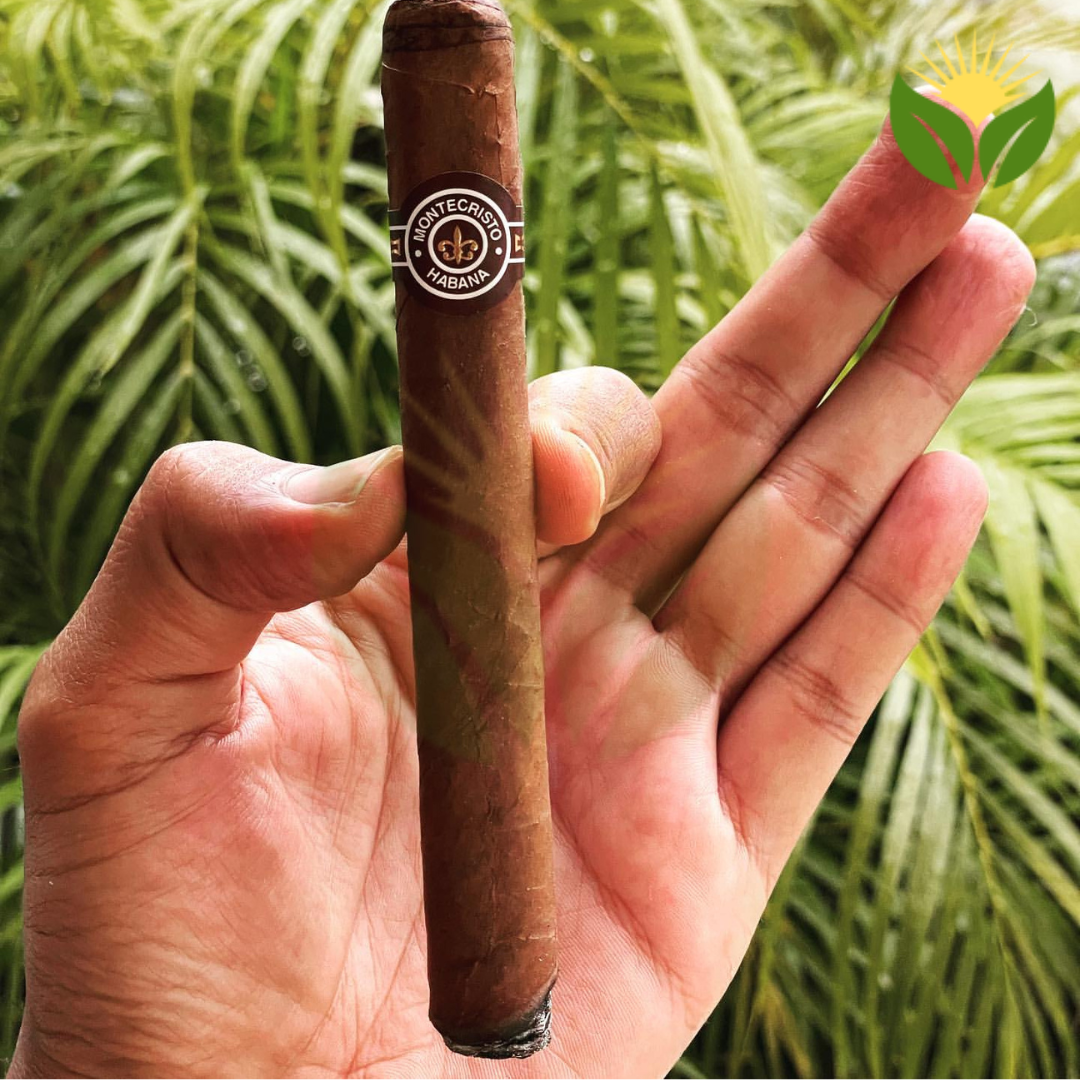
What strikes you first is the impeccable wrapper. Cuban tobacco from the Vuelta Abajo region has this unmistakable sheen, and this example showcased it perfectly. The leaf was seamless, practically glowing with oils that spoke of proper aging. No visible veins disrupted the surface, and the construction felt firm without being overpacked.
The cap was expertly applied—you can always tell when rollers take pride in their craft. Running my fingers along the length revealed consistent density throughout, no soft spots or hard lumps that would cause draw issues later. Flawlessly crafted by hand in Cuba, each piece represents two years of aging before it reaches your hands.
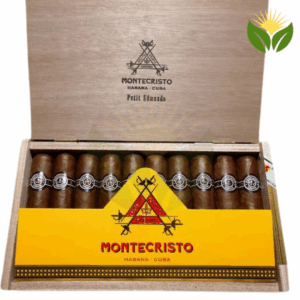
The band itself deserves mention. That classic Montecristo design with gold highlights immediately identifies this as post-2013 production, with crisp edges and proper alignment that fake versions rarely achieve. It’s these details that separate authentic Cuban cigars from inferior imitations flooding the market.
Flavor Profile: A Journey Through Three Acts
First Third: Gentle Awakening
The opening draw delivered exactly what I hoped for—sweet toasted tobacco with honey undertones that coated my palate like velvet. Cedar notes emerged immediately, likely influenced by the box aging, while subtle white pepper danced on the retrohale. The smoke production was generous from the start, creating thick, creamy clouds that hung in the still air.
What impressed me most was the balance. This wasn’t trying to overwhelm with strength or complexity—instead, it focused on delivering clean, classic notes that define the brand. Coffee hints appeared around the halfway point of this section, but restrained, like the aroma from a distant café rather than a bold espresso.
Middle Third: Building Character
This is where the cigar truly revealed its personality. The creaminess intensified, joined by cocoa richness that transformed each puff into something almost dessert-like. Bold coffee emerged now, no longer shy, accompanied by vanilla sweetness that kept everything in harmony.
A dash of spice appeared—black pepper that added just enough bite to prevent the experience from becoming too mellow. The construction remained flawless throughout, with an even burn line that required no corrections. Honestly, it’s rare to find such consistency in the mid-section where many cigars lose their way.
Final Third: Satisfying Conclusion
The last portion maintained the richness without becoming harsh or bitter—a common pitfall for lesser cigars. Mocha coffee tang dominated now, supported by smoked wood notes that added depth without overwhelming the core tobacco flavor. Medium-strength throughout, it never crossed into full-bodied territory that might alienate newer enthusiasts.
What struck me was how steady the profile remained. Many cigars undergo dramatic shifts between thirds, but this rich-tasting medium-bodied corona cigar stayed true to its character from start to finish. No harsh surprises, no disappointing fadeouts—just consistent quality that justified every dollar spent.
Technical Specifications
| Length | 142mm (5⅝ inches) |
| Ring Gauge | 42 |
| Vitola | Corona |
| Strength | Medium |
| Smoking Time | 60 minutes |
| Origin | Cuba (Pinar del Rio) |
| Aging | 2 years minimum |
Perfect Pairings
The medium-rich profile makes this incredibly versatile for pairings. My go-to combination is strong dark coffee with cream—the parallel coffee and chocolate notes in both create this beautiful harmony that enhances each element.
For spirits, I’ve found aged rum works magnificently. Something like Diplomatico Reserva Exclusiva brings out the vanilla and cocoa notes while adding tropical fruit complexity. The honey undertones in the cigar play beautifully with rum’s natural sweetness.
Wine enthusiasts shouldn’t overlook a good Port. The fortified wine’s richness matches the cigar’s intensity without competing for attention. I’ve also enjoyed it with single malt Scotch—particularly Highland expressions with honeyed characteristics that complement rather than clash.
Avoid anything too aggressive. Light beers or delicate wines get completely overwhelmed. This cigar deserves a partner that can hold its own while enhancing the overall experience.
Cutting and Lighting Technique
The 42 ring gauge demands careful attention during preparation. I prefer a straight cut about 2mm from the head—enough to open the draw without unraveling the cap. The construction is tight enough that you don’t want to cut too much initially; you can always take more if needed.
For lighting, cedar spills work best with this original Cuban blend. The cedar complements the natural wood notes without introducing foreign flavors like butane lighters might. Toast the foot evenly, rotating slowly until the entire surface glows orange.
Take your time with the first few puffs. Let the cigar establish its rhythm rather than forcing it. The draw should offer just enough resistance—like sipping a thick milkshake through a straw. If it feels tight, resist the urge to cut deeper immediately; sometimes these need a few minutes to open up naturally.
Check out our comprehensive guide on mastering Cuban cigar smoking techniques for more detailed preparation tips.
Who Should Smoke This Cigar
This is an excellent choice for intermediate smokers looking to explore Cuban quality without jumping into full-strength territory. The medium body provides enough character to satisfy experienced palates while remaining approachable for those transitioning from mild cigars.
Perfect for business occasions where you want something sophisticated but not overwhelming. The 60-minute smoking time fits perfectly into extended lunch meetings or evening networking events. It’s also ideal for introducing friends to quality Cubans—sophisticated enough to impress without intimidating.
Avoid this if you’re seeking bold, in-your-face strength. While it builds complexity throughout, it never becomes aggressive. Similarly, if you prefer dramatic flavor transitions, the steady profile might feel monotonous compared to more dynamic options.
The price point makes it accessible for regular enjoyment rather than just special occasions. It’s what I’d call a “daily luxury”—refined enough for celebration but affordable enough for regular rotation.
Authenticity Guide
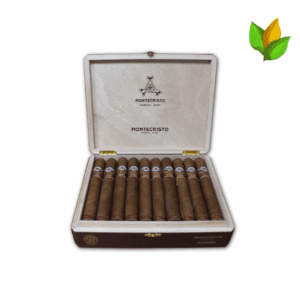
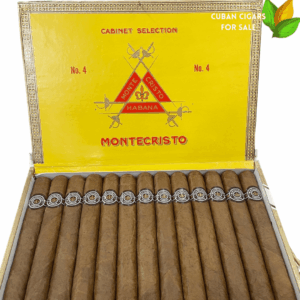
Cuban cigars face constant counterfeiting, making authentication crucial. Genuine examples arrive in dress boxes of 25 or display packs of 5, never in unusual packaging configurations. The official weight should be 9.29g—significantly different weights suggest fake tobacco blends.
Examine the band carefully. Post-2013 production features gold highlights and crisp printing that counterfeiters struggle to replicate. The adhesive should be minimal and clean, not sloppy or excessive. Fake bands often show poor color registration or slightly off typography.
The construction tells the real story. Authentic pieces maintain consistent density and burn evenly without constant corrections. Fakes typically exhibit uneven burning, harsh flavors, or poor draw characteristics that reveal inferior tobacco and rolling techniques.
Purchase only from authorized dealers who can provide provenance documentation. Learn more about our authentication process and sourcing at our about us page, where we detail our commitment to genuine Cuban tobacco products.
Storage Requirements
Proper storage preserves the two-year aging that makes this cigar special. Maintain **70% relative humidity and 70°F temperature** in a quality humidor to prevent the tobacco from drying or developing mold issues.
Cedar-lined humidors work particularly well with this blend, complementing the natural wood notes without overpowering the tobacco’s character. Avoid rapid temperature or humidity fluctuations that can crack the wrapper or affect the internal tobacco balance.
The aging potential extends well beyond purchase if stored correctly. I’ve kept examples for additional years in proper conditions, watching the flavors mellow and integrate further. The coffee and chocolate notes become more pronounced while the pepper softens into subtle complexity.
For detailed storage techniques and humidor setup, check our comprehensive guide on preserving cigars with proven techniques that ensure your investment maintains peak condition.
Frequently Asked Questions
How does this compare to other Montecristo sizes?
The No. 3’s corona size provides a more concentrated flavor experience than larger Montecristo vitolas. Where the No. 2 torpedo offers more complexity and the No. 4 delivers longer smoking time, this strikes a perfect balance between intensity and accessibility. It’s essentially the purest expression of the Montecristo blend without the dilution that longer formats sometimes experience.
What’s the difference between Cuban and Dominican Montecristo versions?
The Dominican versions use different tobacco and often feature Connecticut wrappers, creating milder profiles with less complexity. Cuban examples like this use tobacco exclusively from the Vuelta Abajo region, providing the rich, earthy character that defines authentic Montecristo. There’s no real **US equivalent** that matches the Cuban terroir and aging process.
Is this suitable for new cigar smokers?
Absolutely, but with caveats. The medium strength won’t overwhelm newcomers like full-bodied options might, and the consistent flavor profile helps develop palate appreciation. However, the price makes it expensive for experimentation. I’d recommend trying one to understand quality Cuban character, but perhaps start with milder options for regular smoking until your palate develops.
How long can these be aged further?
With proper storage conditions, these continue improving for 5-10 additional years beyond the factory aging. The coffee notes become smoother, the pepper integrates better, and overall balance increases. However, they’re perfectly enjoyable immediately—additional aging is preference, not necessity. Monitor them regularly if aging longer, as over-humidification can damage the wrapper.
What should I do if the draw feels too tight?
First, let it rest for 10-15 minutes after lighting—sometimes the tobacco needs time to expand naturally. If it remains tight, make a slightly deeper cut, removing another millimeter of cap. As a last resort, use a draw tool to create a small channel, but this risks damaging the construction. Prevention works best: ensure proper humidity levels and avoid temperature shock before smoking.
Understanding the journey from plantation to perfection helps appreciate why proper preparation and storage matter so much for optimal performance.