
Description
The Montecristo No 3 Isn’t What You Expect
I’ll be honest: when people talk about Montecristo, they usually go straight to the No. 2 or the Edmundo. The No. 3 gets overlooked. And that’s a damn shame, because this corona is one of the most balanced smokes in the entire lineup. I remember my first No. 3 – it was at a lounge in Little Havana, Miami, back in 2007. My buddy handed me one, said “trust me on this,” and after about twenty minutes, I understood why seasoned aficionados keep these tucked away in their humidors. This isn’t the cigar you smoke to show off. It’s the one you reach for when you actually want to enjoy yourself.
What makes the No. 3 special? It’s got all the classic Montecristo DNA – that unmistakable Cuban tobacco character from Vuelta Abajo – but in a format that’s approachable without being simple. The corona vitola gives you complexity without demanding two hours of your afternoon. And the flavor profile? It’s like the brand distilled everything they know about blending into 5.5 inches.
What You’re Actually Getting
Montecristo needs no introduction, but let’s set the stage anyway. Founded in 1935, this brand has become synonymous with Cuban cigars. The name comes from the Alexandre Dumas novel “The Count of Monte Cristo” – supposedly the workers in the factory loved having it read to them while they rolled. True story or marketing legend? Who knows. Doesn’t matter. What matters is that the brand has maintained incredibly consistent quality for decades.
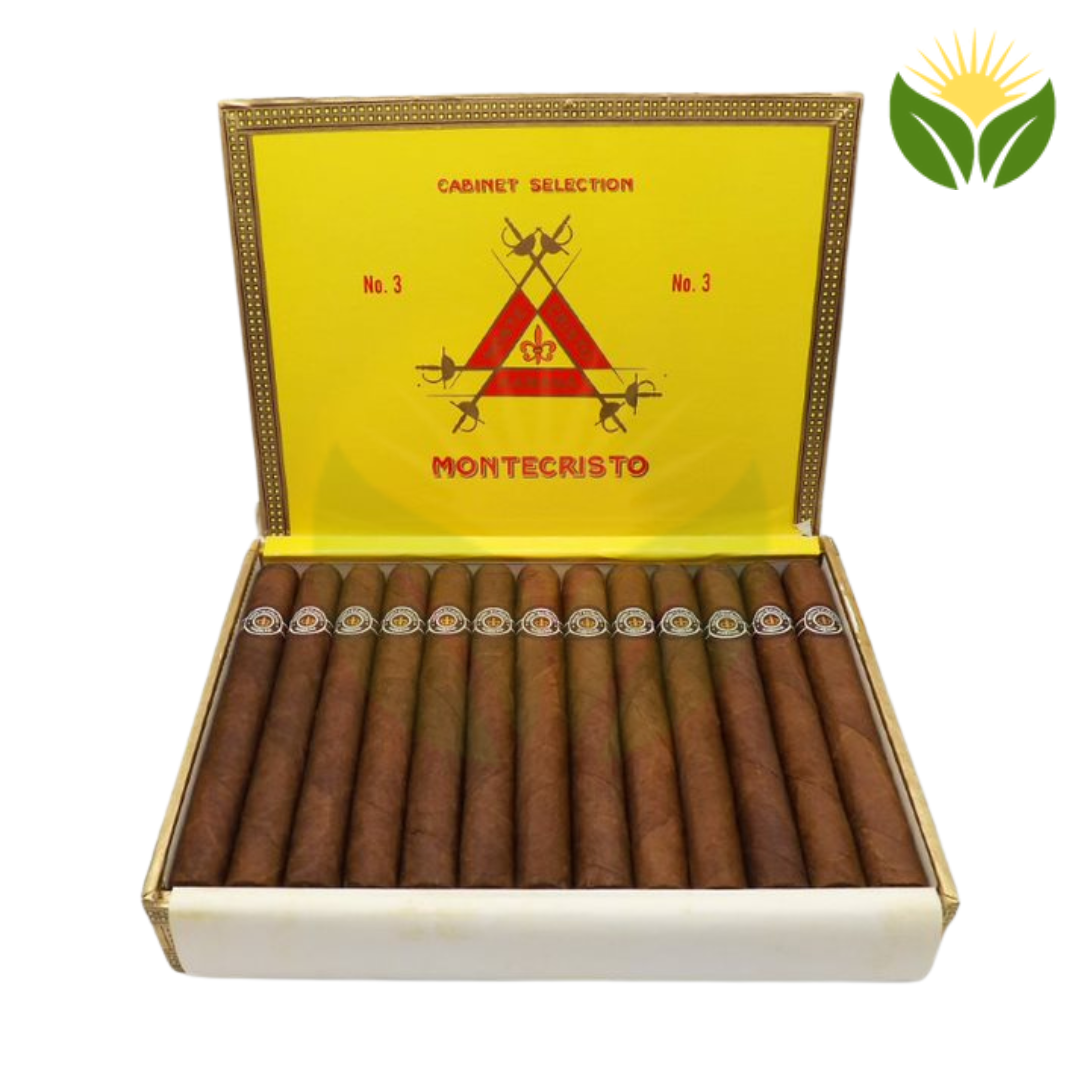
The No. 3 sits in an interesting spot in the Montecristo lineup. It’s a corona – 5.6 inches by 42 ring gauge – which puts it right in that sweet spot between a quick smoke and a meditation session. This size has been around since the beginning, and there’s a reason it hasn’t been discontinued like so many other vitolas over the years. It works.
Who is this for? I’d say intermediate to advanced smokers who appreciate nuance over power. If you’re the type who thinks bigger ring gauges automatically mean better cigars, this probably isn’t your speed. But if you’ve smoked enough to know that a well-constructed corona can deliver more complexity than a 60 ring gauge torpedo? Yeah, you’ll get it. The No. 3 is also perfect for someone transitioning from Dominican or Nicaraguan cigars into the Cuban world – it’s got that characteristic Cuban flavor profile but won’t overwhelm you.
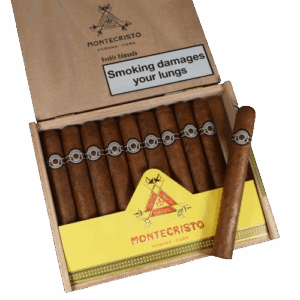
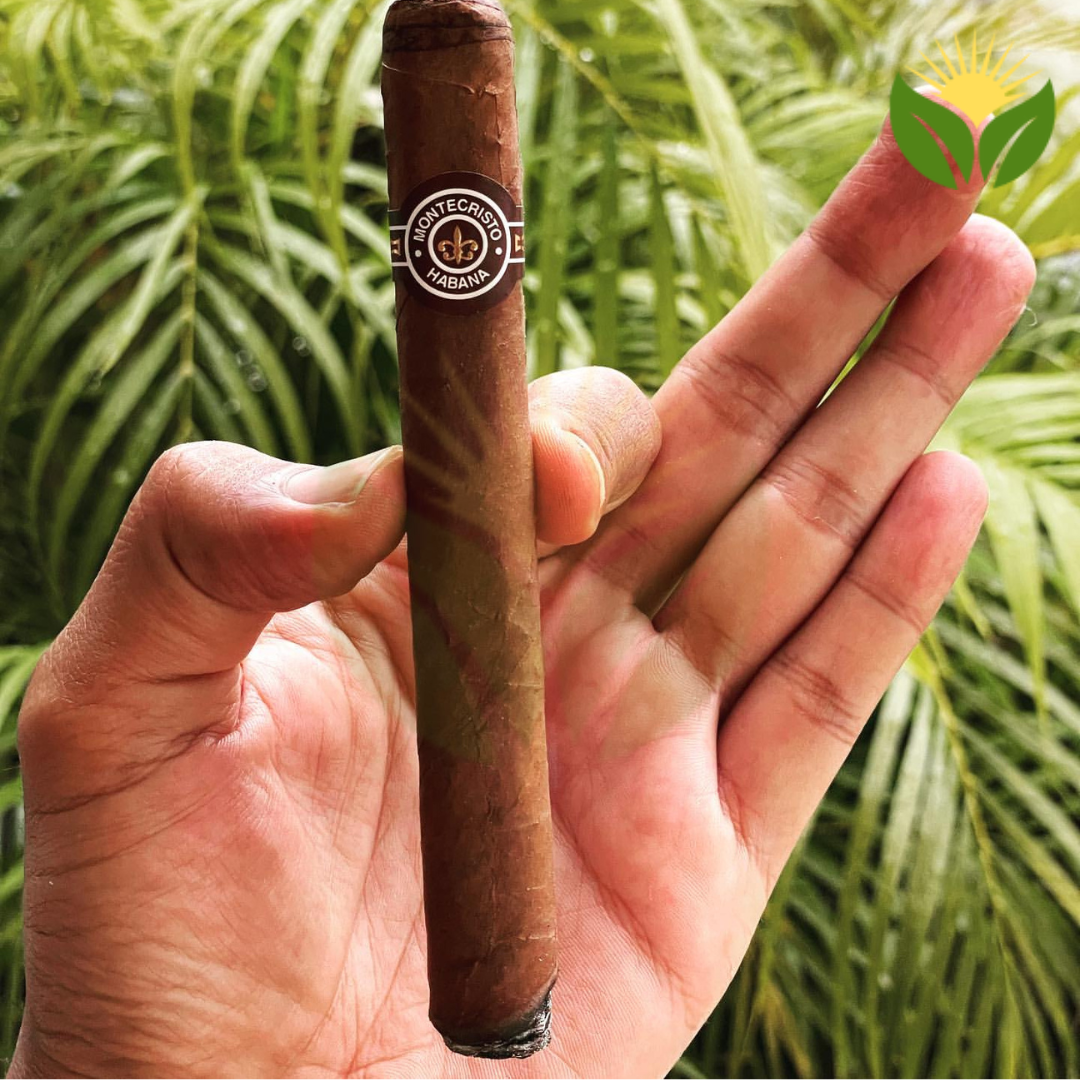
The wrapper on these is beautiful. That classic Colorado color with a slight sheen. When you hold one, there’s this subtle give that tells you the roller knew what they were doing. Not too firm, not spongy. Just right. The construction is what I’ve come to expect from Montecristo – which is to say, excellent about 95% of the time. Yeah, you get the occasional dud, but that’s true of any Cuban brand.
| Specification | Details |
|---|---|
| Vitola | Corona |
| Length | 5.6 inches / 142 mm |
| Ring Gauge | 42 |
| Wrapper | Cuban (Vuelta Abajo) |
| Binder | Cuban |
| Filler | Cuban blend |
| Strength | Medium |
| Smoking Time | 45-60 minutes |
How It Actually Smokes
The cold draw on a well-humidified No. 3 gives you hints of what’s coming – cedar, a touch of cocoa, maybe some barnyard earthiness. Not overpowering, just present. Light it up, and the first third starts mellow. I’m talking creamy smoke with toast and light pepper. There’s this subtle sweetness that sits underneath everything – not like you’re smoking a dessert cigar, more like… hmm, how do I put this… like there’s honey in the room while you’re eating wheat bread. That cedar note from the cold draw comes through stronger now, and there’s leather in there too.
Construction-wise, these burn pretty straight if you’re patient with the light. Take your time toasting the foot. Rush it, and you might get a wonky burn for the first inch. The ash holds solid – I usually get about an inch before it drops, sometimes more if I’m sitting still and not gesturing wildly while telling stories.
Second third is where things get interesting. The pepper picks up a bit – not enough to make you cough, but enough that you notice it on the retrohale. Speaking of which, if you’re not retrohaling this cigar, you’re missing half the show. That’s where you get these beautiful roasted coffee notes mixed with the leather and cedar. The smoke stays creamy throughout, which I love. Some cigars get harsh or thin in the middle section. Not this one. It maintains that smooth, medium-bodied character while the flavors evolve.
The draw is usually spot-on. Not too loose where you’re getting no smoke, not too tight where you’re turning red in the face trying to get a pull. Just right. I’ve smoked dozens of these over the years, and I can count on one hand the number of times I’ve had draw issues.
Final third – this is where you see the craftsmanship. Lesser cigars fall apart here, get bitter, turn harsh. The No. 3 gets richer but stays balanced. You pick up these darker notes – espresso, dark chocolate, earth. The pepper is more pronounced now, sure, but it’s integrated into the whole profile rather than dominating it. I usually smoke these down to the nub because the flavor stays good right to the end. That said, if you smoke too fast, you’ll get some heat in the last inch. Slow down, take your time, let it rest between puffs.
| Cigar | Strength | Smoking Time | Best For |
|---|---|---|---|
| Montecristo No. 3 | Medium | 45-60 min | Balanced daily smoke with complexity |
| Romeo y Julieta Cedros de Luxe No. 2 | Medium-Mild | 40-50 min | Milder alternative, morning smoke |
| Partagás Serie D No. 5 | Medium-Full | 40-50 min | Stronger option, bolder flavors |
What to Drink With It
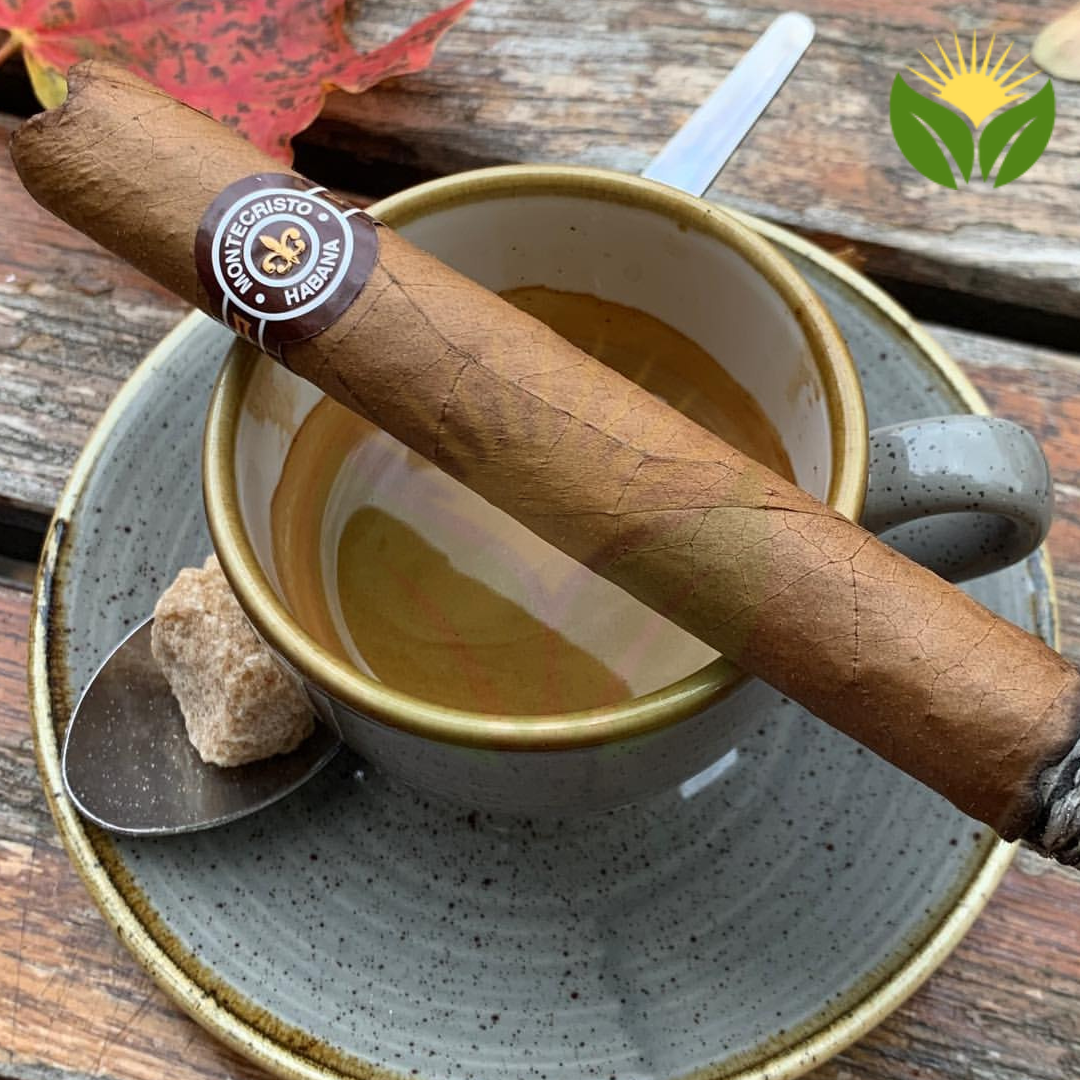
Pairing this cigar is straightforward. Coffee works great – I’m talking a proper espresso or a Cuban coffee, not some watered-down drip. The roasted notes in the cigar play beautifully with the coffee’s bitterness. For spirits, I usually go with a good aged rum. Havana Club 7 Year is my standard pairing, but a Ron Zacapa 23 works too if you want something sweeter. Whisky? Sure. A highland single malt – something like Glenmorangie 10 Year – complements without overpowering.
Bourbon is trickier. The sweetness can clash unless you go with something on the drier side. Lately I’ve been enjoying these with a simple Americano cocktail – Campari, sweet vermouth, soda water. The bitterness of the Campari actually enhances the cedar and earth notes in the cigar. Weird combo, I know, but it works.
Time of day? I smoke these afternoon or early evening. They’re too flavorful for first thing in the morning unless you’ve already had breakfast. Perfect for after lunch or with your evening coffee. Occasion-wise, this is your “Tuesday cigar” – good enough to appreciate, not so special that you save it for major events only.
Real Questions People Ask
How does the Montecristo No. 3 compare to the No. 2 everyone talks about?
The No. 2 is a torpedo with more punch and complexity, while the No. 3 is a corona that’s more approachable and balanced. Think of it this way: the No. 2 is what you smoke when you want to be impressed, the No. 3 is what you smoke when you want to be satisfied. I keep both in my humidor for different moods. The No. 3 also smokes faster – about 45-60 minutes versus 90+ for the No. 2.
Do these need aging or can I smoke them right away?
You can smoke them fresh from the box, but honestly? Give them six months to a year if you can wait. Fresh No. 3s can be a bit tight and the flavors haven’t fully married yet. With some rest time, that cedar mellows out and the complexity really opens up. I’ve got a box from 2019 in my humidor right now that’s smoking better than when I bought them.
Why are Montecristo cigars so popular compared to other Cuban brands?
Consistency and that classic Cuban profile. Montecristo nailed a flavor profile decades ago and they’ve stuck with it. You know what you’re getting, which matters when you’re spending good money on cigars. Also, they’re available – not every Cuban brand has the distribution that Montecristo does. That said, don’t sleep on brands like Partagás or H. Upmann just because Montecristo gets more hype.
What’s the difference between Cuban Montecristo and Dominican Montecristo?
Completely different cigars, same name. After the embargo, the Montecristo trademark got messy and there’s now a Dominican Republic version sold in the US. The Dominican ones are good cigars – don’t get me wrong – but they’re smoother, less earthy, and generally milder than their Cuban counterparts. The Cuban version has that characteristic barnyard earthiness and deeper flavor complexity that you just don’t get from Dominican tobacco.
How should I store these in my humidor?
Standard Cuban cigar storage applies: 65-68% humidity, around 65-70°F temperature. I keep mine at 65% because I find Cubans smoke better slightly drier than Nicaraguan cigars. Don’t store them in the dress box they come in unless you’re planning to smoke them within a few months – take them out and let them breathe in your humidor. And keep them away from stronger cigars like Partagás or you’ll get flavor transfer.
What makes the Vuelta Abajo wrapper special on these cigars?
Vuelta Abajo is the prime tobacco-growing region in Cuba – has been for centuries. The soil, climate, and traditional growing methods there produce tobacco with more complexity and that characteristic Cuban flavor profile. You’re getting cedar, earth, leather notes that just don’t develop the same way in tobacco from other regions. It’s like asking why wine from Bordeaux tastes different than wine from California – terroir matters.
Is this a good cigar for someone new to Cuban cigars?
Absolutely, maybe one of the best. It’s not too strong, the flavors are classic Cuban without being overwhelming, and the smoking time is manageable. If you’re used to Dominican or Nicaraguan cigars and want to understand what Cuban tobacco is about, the No. 3 is a great starting point. Just make sure you’re buying from a reputable source – there are more fake Montecristos out there than real ones.
Bottom Line
The Montecristo No. 3 is one of those cigars that doesn’t need to announce itself. It’s not flashy, it’s not trying to blow your face off with strength, and it’s not chasing trend. It just delivers a solid, classic Cuban cigar experience every single time. After smoking these for years, I still reach for them regularly. That should tell you something. Whether you’re building out your humidor or looking for a reliable daily smoke that won’t bore you, the No. 3 deserves a spot in your rotation. Just remember to give them some rest time if you can, and take your time smoking them. This isn’t a cigar you rush.