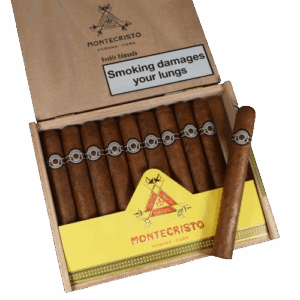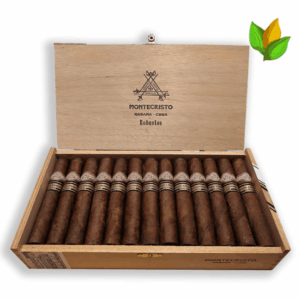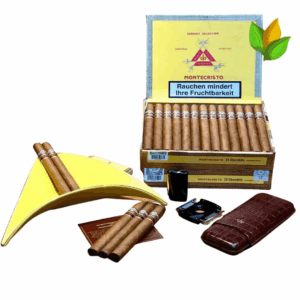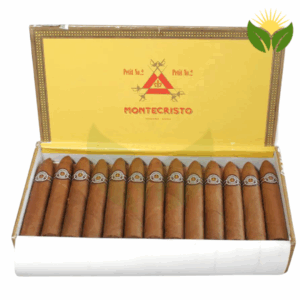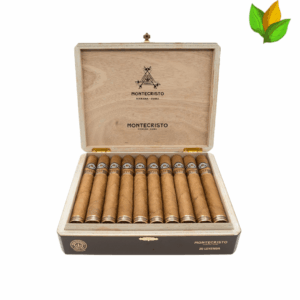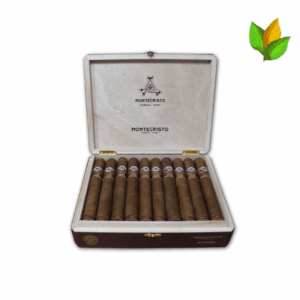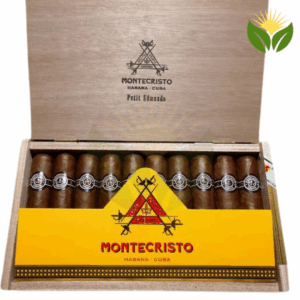

Description
The Torpedo That Changed Everything
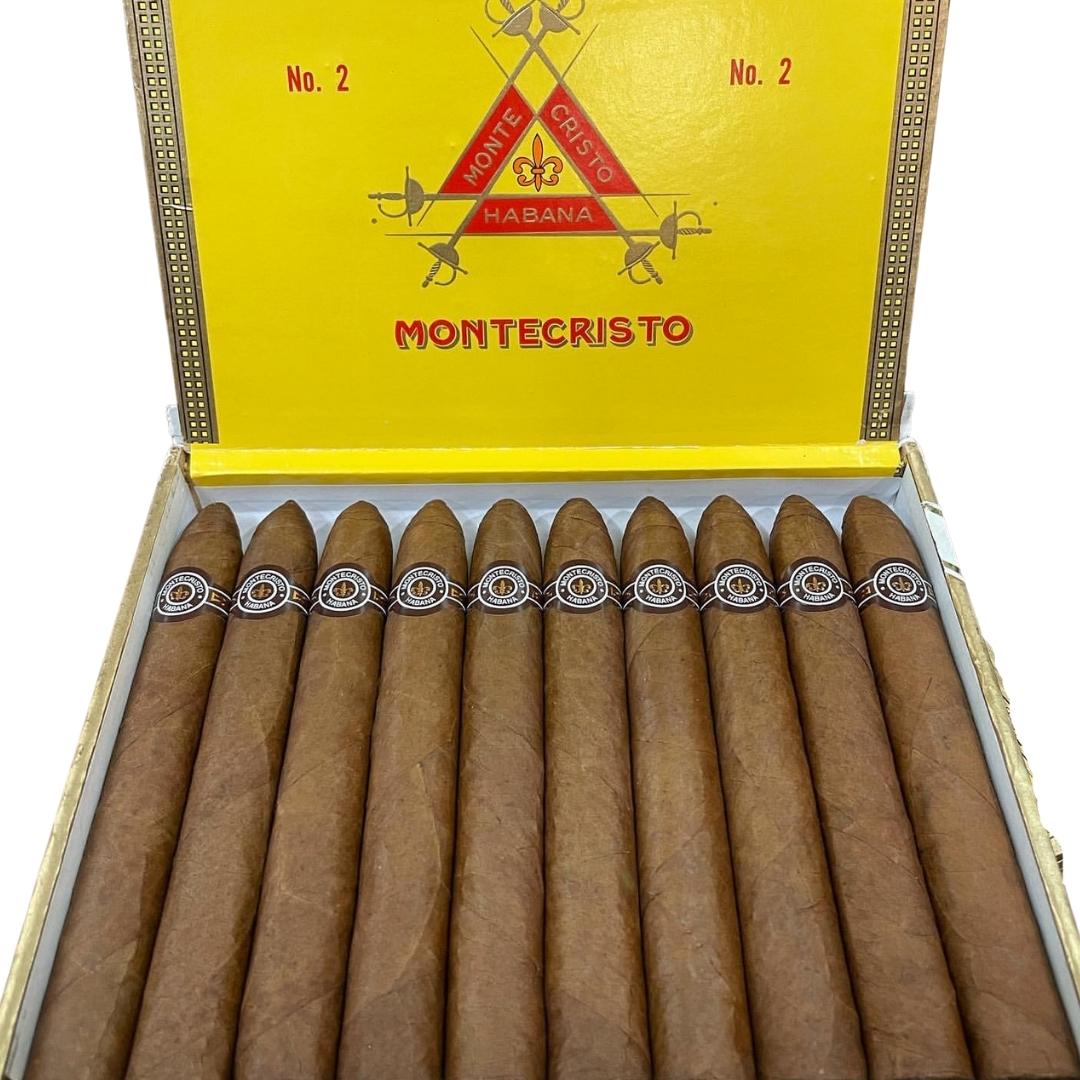
Here’s the thing – if you’ve been around cigars for more than five minutes, you’ve heard someone wax poetic about the Montecristo No. 2. And I’ll be honest with you: for once, the hype is justified. This isn’t just another Cuban cigar riding on brand recognition. This is THE cigar that converted more casual smokers into full-blown aficionados than probably any other vitola in the past fifty years. I remember my first No. 2 back in 1997 at a small casa particular in Havana – that cedar hit, that perfect draw – it completely reset my understanding of what a Cuban cigar could be.
But look, I’m getting ahead of myself. Let me walk you through why this particular torpedo has earned its legendary status, what you’re actually going to taste when you light one up, and whether it deserves a spot in your humidor. No marketing fluff – just straight talk from someone who’s probably smoked a few hundred of these over the years.
What Makes the Montecristo No. 2 Special
The Montecristo brand needs little introduction, but here’s the quick version: established in 1935, named after the Dumas novel that was read to Cuban torcedores in the factories. The No. 2 specifically? It’s been the flagship torpedo in the Habanos portfolio since day one. Thing is, it occupies this interesting space in the Montecristo lineup – more complex than the approachable No. 4, but not as demanding as the massive No. 1.
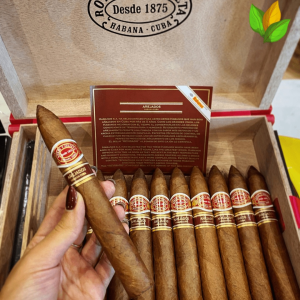
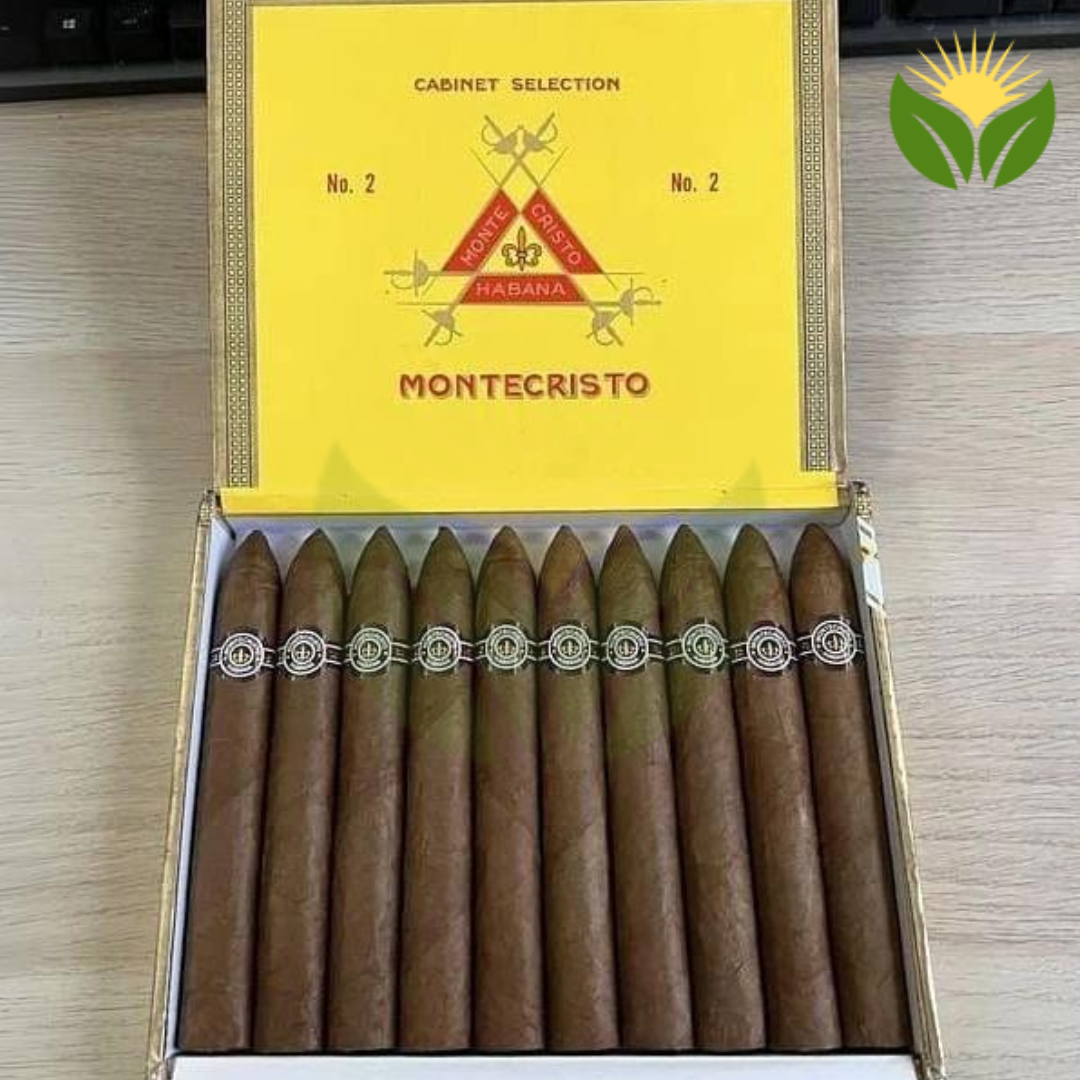
What sets it apart is that tapered head. I know some people find torpedoes fiddly to cut, but that piramide shape concentrates the smoke in a way that brings out nuances you’d miss in a parejo. The wrapper is classic Vuelta Abajo leaf – grown in the best tobacco region Cuba has to offer – with that characteristic oily sheen that promises complexity. And the construction? Real talk: Montecristo’s quality control has had its ups and downs over the decades, but the No. 2 consistently gets the factory’s best attention.
This cigar is for someone who’s moved past the “I’m just trying cigars” phase. You’ve smoked enough to appreciate subtlety. You’re not chasing nicotine bombs or Instagram-worthy smoke output. You want that classic Cuban profile – the one that made these cigars famous in the first place – executed at its absolute best.
| Specification | Details |
|---|---|
| Vitola | Piramides (Torpedo) |
| Length | 6.1 inches / 156 mm |
| Ring Gauge | 52 |
| Wrapper | Cuban (Vuelta Abajo) |
| Binder | Cuban |
| Filler | Cuban blend (Vuelta Abajo ligero, seco, volado) |
| Strength | Medium to Medium-Full |
| Smoking Time | 60-90 minutes |
The Smoking Experience – What You’re Actually Getting
Okay, so let’s talk about what happens when you actually light this thing up. And I’m going to be specific here because I’ve read too many reviews that just list flavors like ingredients on a cereal box.
The cold draw – assuming you’ve cut it right, maybe a quarter inch off the tip – gives you this immediate cedar note. Not generic “wood” – cedar specifically, like walking into a properly maintained humidor. There’s a hint of cocoa there too, almost like dark chocolate that hasn’t been sweetened yet. The draw resistance is usually spot-on, maybe a 7 out of 10 if we’re rating these things.
First third hits you with surprising creaminess for a Cuban. I know people expect Cubans to be all earth and leather, but a well-aged No. 2 – we’re talking at least two years of proper aging here – opens with this smooth, almost buttery texture. The cedar from the cold draw amplifies. You get white pepper on the retrohale, but it’s not aggressive. My buddy Carlos, who can’t handle pepper at all, smokes these without issue. There’s coffee in there too – not espresso, more like a medium roast that’s been brewed properly. And the burn? Usually razor-sharp if you’re not puffing like a freight train.
Second third is where it gets interesting – actually, scratch that – where it gets REALLY interesting. The cream settles down and you start picking up leather notes. The strength builds from medium into medium-full territory, but it’s gradual. Not gonna lie, I’ve seen people who claimed they wanted a “strong cigar” tap out in this section because they confused nicotine strength with flavor intensity. The cocoa deepens. Sometimes – and this depends on the vintage and your aging – you’ll get this fascinating nuttiness, almost like toasted almonds. The ash should be holding to about an inch and a half, gray-white, firm.
Final third separates the good boxes from the great ones. A properly humidified, well-aged No. 2 finishes with complexity rather than heat. The pepper ramps up – you’ll definitely feel it now on the retrohale – but it’s balanced by persistent cedar and this earthy undertone that screams “Cuban terroir.” Some people get hay notes here. I usually pick up a slight sweetness, almost honey-like, that keeps it from becoming harsh. And here’s what gets me: even as you’re smoking it down to the nub, the flavor stays clean. No bitterness, no acrid nonsense. Just a smooth, flavorful finish that makes you immediately want another one.
The construction across all three sections? Look, I’ve had maybe three or four that needed touch-ups out of the last hundred I’ve smoked. That’s pretty damn good for Cuban cigars, especially in recent years when quality control has been… let’s say “inconsistent” across the industry.
How It Stacks Up
| Cigar | Strength | Smoking Time | Best For |
|---|---|---|---|
| Montecristo No. 2 | Medium to Medium-Full | 60-90 minutes | Classic Cuban experience, special occasions |
| Partagás Serie P No. 2 | Full | 70-90 minutes | Those wanting more strength, after dinner |
| Romeo y Julieta Churchill | Mild to Medium | 60-75 minutes | Beginners, morning smoke |
| Bolívar Royal Corona | Medium-Full to Full | 45-60 minutes | Experienced smokers, limited time |
Between you and me, the Partagás P2 gives it a run for its money if you want something with more oomph, but you lose some of that elegant complexity. The RyJ Churchill is a better introduction for newer smokers. The Bolívar is what I reach for when I want intensity over nuance. But the Montecristo No. 2? It’s the one I recommend when someone asks “What’s the quintessential Cuban cigar?” – which happens more often than you’d think.
What to Drink With It
This is where people get unnecessarily complicated. I’ll be blunt: you don’t need a $300 bottle of Scotch to pair with a No. 2. Does it work with high-end spirits? Absolutely. But here’s what I’ve found actually enhances the experience.
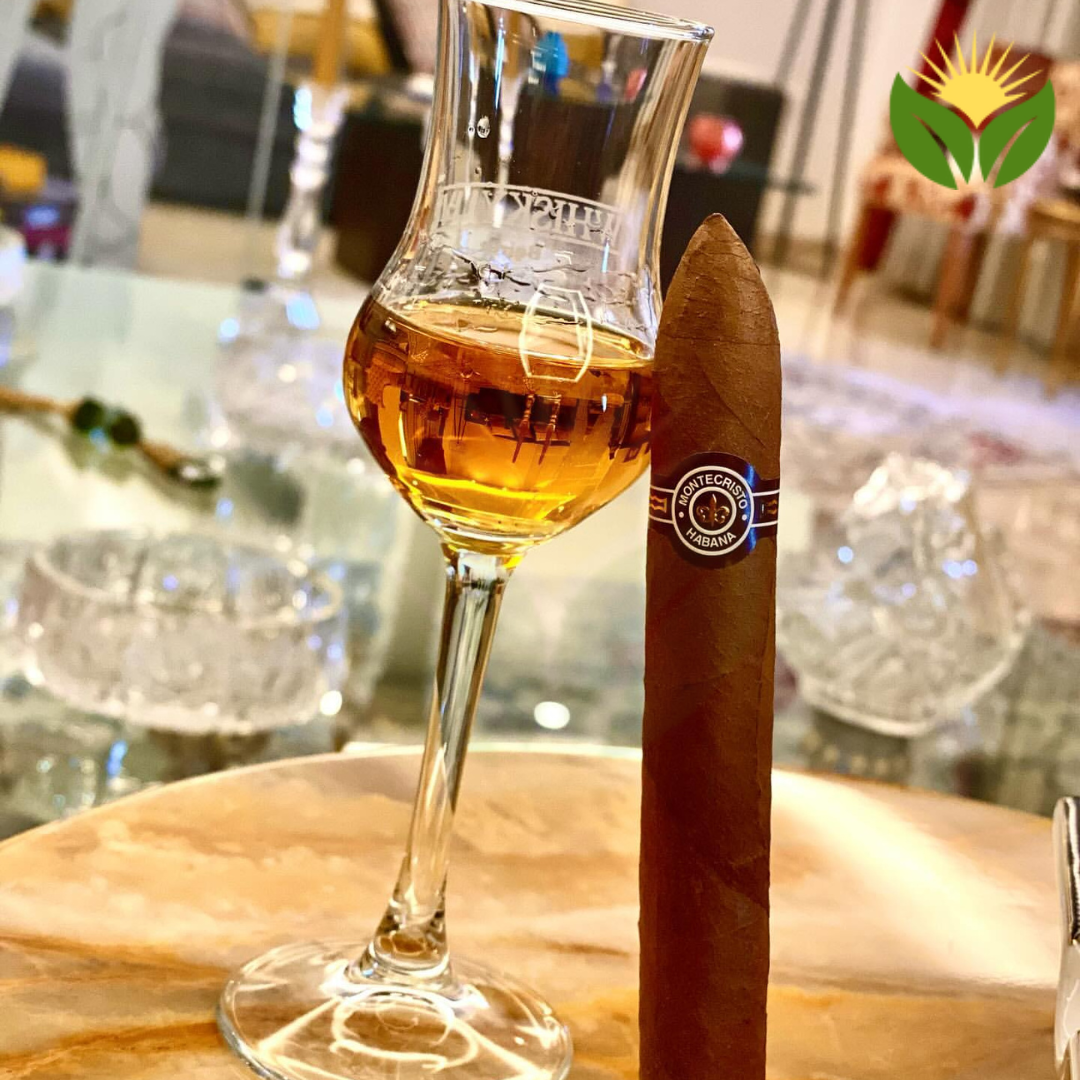
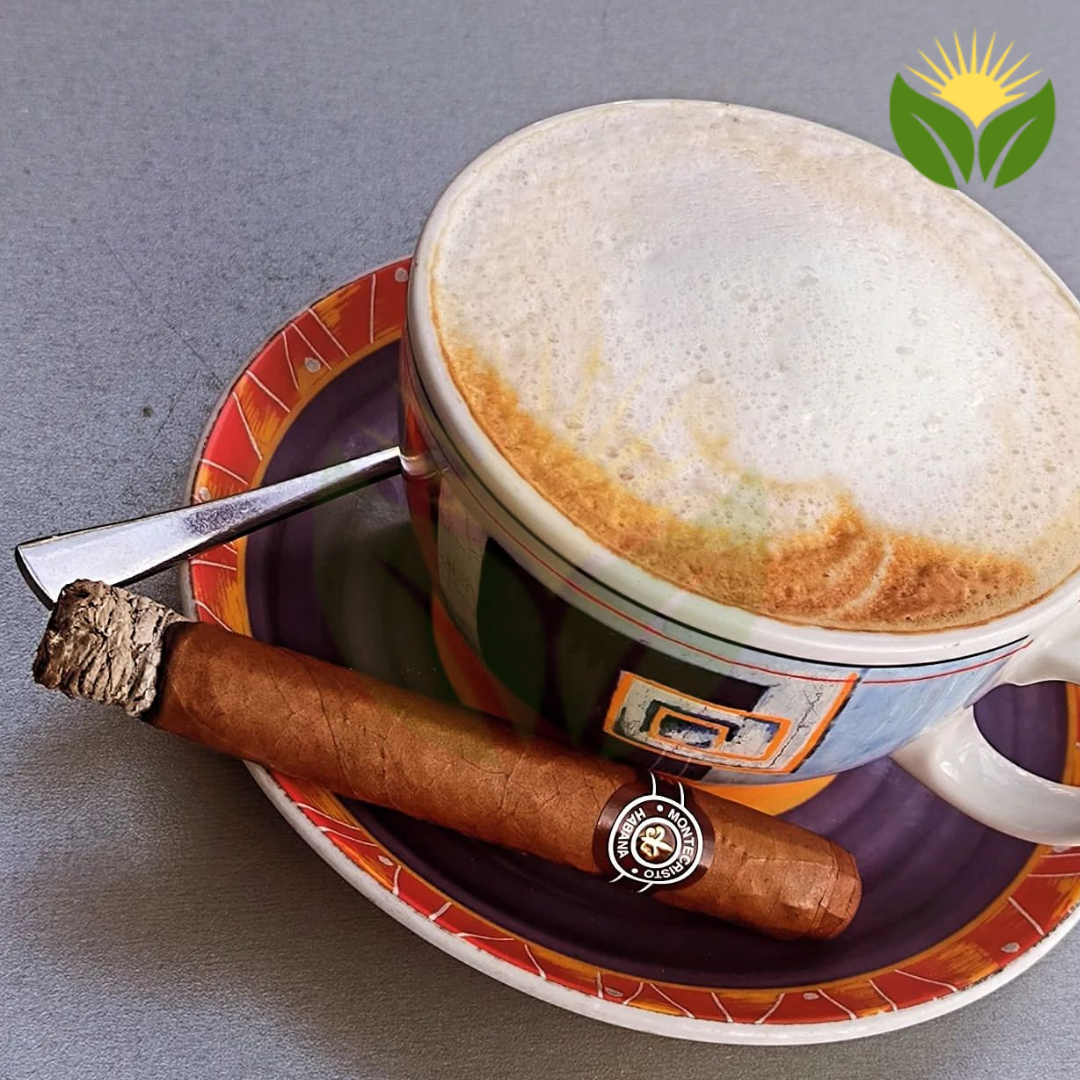
Coffee works brilliantly, especially in the morning. A proper Cuban coffee if you can get it, but honestly, any medium roast that isn’t overly acidic does the job. The coffee amplifies those natural cocoa and coffee notes in the cigar without overwhelming the cedar. Rum is the obvious Cuban pairing – I’m partial to Havana Club 7 Year or anything in that moderate-age, not-too-sweet category. The rum’s vanilla notes play beautifully with the cigar’s creaminess. For whiskey drinkers, go with something smooth rather than peaty. A good bourbon like Woodford Reserve or a Highland Scotch works. That Islay peat smoke just fights with the cigar.
Occasion-wise? This isn’t a casual Tuesday afternoon cigar – wait, no, who am I to judge? Smoke what you want when you want. But for ME, the No. 2 is my celebration smoke. Closed a deal, birthday, successful poker night, that kind of thing. It’s got enough presence and smoking time to mark an occasion without demanding your entire evening.
Everything You’re Probably Wondering
How long should I age a Montecristo No. 2 before smoking?
Real talk: at least two years if you’re buying a current production box. I know that’s not what you want to hear, but young Montes can be harsh and one-dimensional. The sweet spot, in my experience, is three to five years. I’ve smoked ten-year-old No. 2s that were absolutely transcendent – the pepper mellows, the cedar deepens, and you get this honeyed complexity that isn’t there when they’re young. If you’re buying singles, ask about the box date and aim for 2021 or earlier if we’re in 2024.
What’s the best way to cut a Montecristo No. 2 torpedo?
The tapered head intimidates people, but here’s the thing – you want to cut LESS than you think you need. Start with a small straight cut, maybe a quarter inch from the tip. Test the draw. Too tight? Cut a tiny bit more. You can always cut more; you can’t cut less. Some people swear by V-cutters for torpedoes, and that works too, but I’m a straight cut guy. The goal is to preserve some of that taper so the smoke concentrates as it reaches your palate. Punch cutters? Skip them on this vitola – they’re too small for the job.
Is the Montecristo No. 2 too strong for a beginner?
Hmm, how do I put this… It depends on what you mean by “beginner.” If you’ve never smoked a cigar before? Start with a No. 4 or a Romeo y Julieta instead. But if you’ve smoked a dozen cigars and you’re ready to step up, the No. 2 is actually a great teaching cigar. It’s medium strength – not mild, but not a nicotine bomb either. The flavor complexity rewards attention without punishing inexperience. Just make sure you’ve eaten something first and have a sugary drink handy in case the nicotine hits you harder than expected. And for the love of all that’s holy, don’t inhale.
Are there any limited edition Montecristo No. 2 releases I should know about?
Okay, so Habanos hasn’t done a ton of limited edition No. 2 variants specifically, since the standard production is already considered premium. That said, watch for Reserva and Gran Reserva releases if you’ve got deep pockets and a taste for exceptionally aged tobacco. The Montecristo 80th Anniversary humidor from 2015 included some stunning No. 2s, but good luck finding those now. Honestly? I’ve found that a well-aged regular production No. 2 from a good vintage beats most limited editions from other marcas. The vintage matters more than the fancy band, in my experience.
How do I know if my Montecristo No. 2 is authentic?
No joke, this is a real concern because the No. 2 is heavily counterfeited. Here’s what to check: the box should have a current Habanos hologram seal that changes color when you tilt it. The bands should be perfectly printed with no blurry edges – fakes often have fuzzy text. The Montecristo band has specific details: the fleur-de-lis pattern should be crisp, the gold should be rich and even. Box code and date stamp should be clear and match the style Habanos was using for that year. And honestly? Buy from authorized dealers. I know the grey market is tempting, but you’re rolling the dice with authenticity. A fake No. 2 won’t just disappoint you – it might be filled with floor sweepings and who knows what else.
What’s the ideal humidity for storing Montecristo No. 2s?
I keep mine at 65% RH and around 65-68°F. I know the old-school recommendation is 70/70, but I’ve found that’s too moist for Cuban cigars – they get spongy and the draw suffers. Some guys go down to 62%, which works in drier climates, but I find that’s when the wrapper starts getting fragile. The cedar wrapper on these is beautiful but delicate. Temperature matters too – keep it stable. Those fluctuations are what cause wrapper cracks and uneven aging. And speaking of which, if you’re aging a box long-term, consider checking on them every six months. Cuban cigars can be finicky, and a whole box can get mold or beetles if conditions shift.
How does the Montecristo No. 2 compare to other torpedo vitolas?
Look, I’m probably biased here, but the No. 2 sets the standard that other torpedoes chase. The Partagás Serie P No. 2 is earthier and fuller – amazing cigar, different profile entirely. H. Upmann No. 2 is milder and less complex, good for when you want something easier. Diplomaticos No. 2 is essentially the same blend as the Monte but often flies under the radar and sometimes you can find better construction. But here’s what gets me about the Montecristo: it has this perfect balance of complexity and accessibility. It’s refined without being boring, complex without being exhausting to smoke. That’s rare in any vitola, let alone one that’s been in continuous production since the 1930s.
The Bottom Line From Someone Who’s Smoked Too Many of These
After decades of smoking Cubans and probably a small fortune spent on this specific vitola, here’s my take: the Montecristo No. 2 earns its reputation. This isn’t hype or clever marketing. It’s genuinely one of the finest expressions of what Cuban tobacco can do when everything goes right – proper terroir, skilled torcedores, adequate aging, and a blend that’s been perfected over nearly ninety years.
Is it perfect every single time? No. Cuban quality control being what it is, you’ll occasionally get one that burns unevenly or draws too tight. But the hit rate is high enough that I keep coming back, and I’m someone with a humidor full of alternatives.
If you’re building a collection, if you’re looking for something to mark a special occasion, or if you just want to understand what makes Cuban cigars legendary – this is where you start. Let it rest in your humidor for a while. Give it the time it deserves. Cut it carefully, light it properly, and settle in for about an hour and a half of what Cuban cigar making is supposed to be about.
And look, maybe I’m romanticizing it because of that first one I smoked in Havana all those years ago. Maybe my palate is just wired for this particular blend profile. But I genuinely don’t understand why more people don’t just keep a box of these on hand at all times. Find a good source, watch for decent box dates, and add these to your rotation. Your future self will thank you.