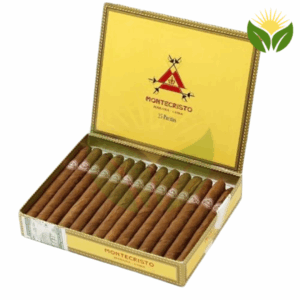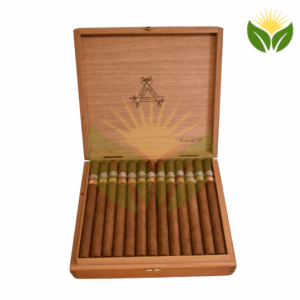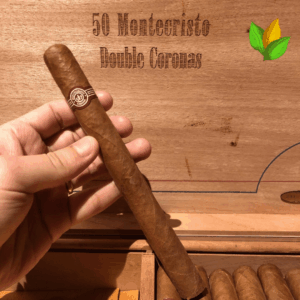

Description
Why the Montecristo Club 20 Deserves a Spot in Your Humidor
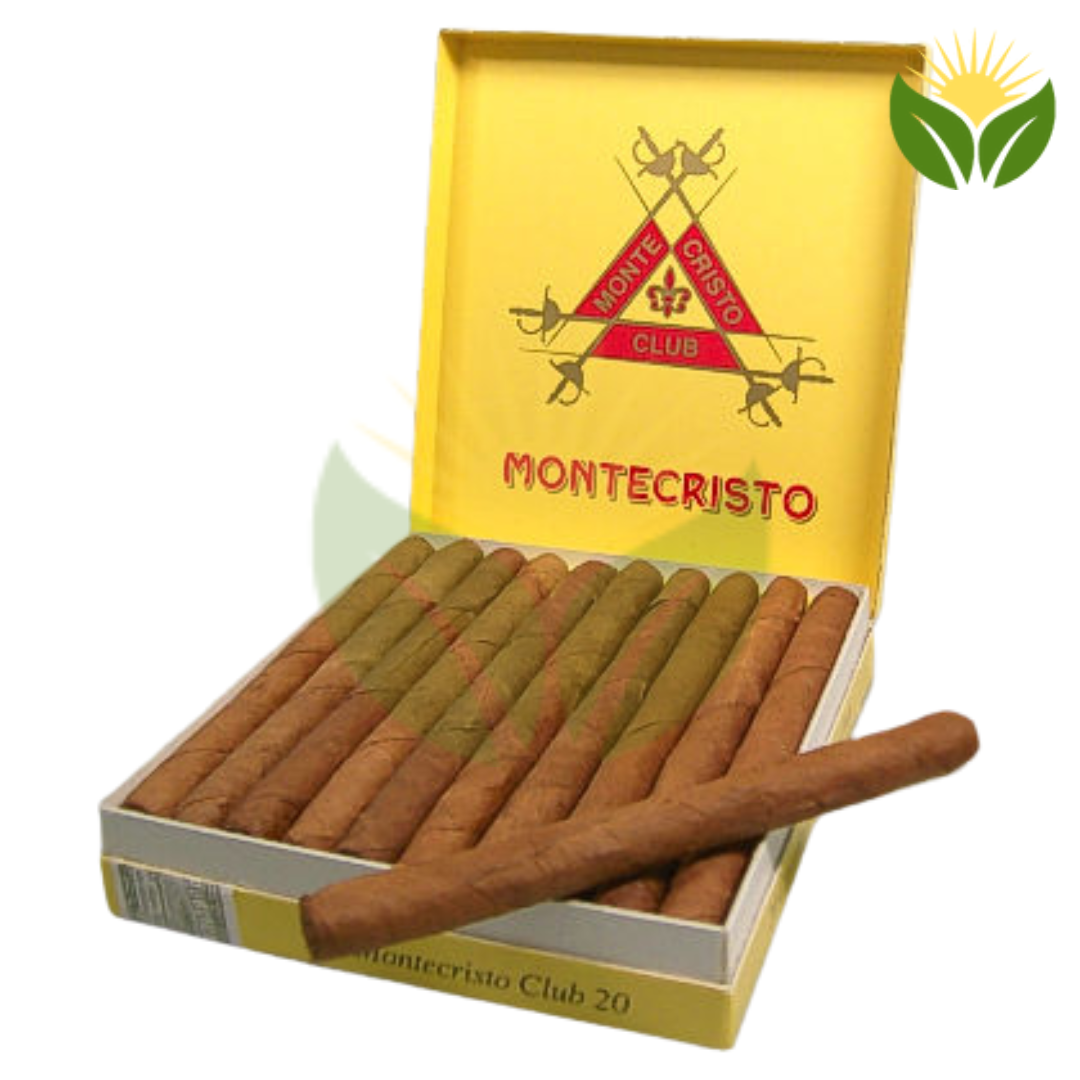
Look, I’m just going to say it: the Montecristo Club 20 is one of the most misunderstood cigars in the entire Cuban lineup. People see that petite format and immediately dismiss it as a “beginner’s cigar” or something you smoke when you’re short on time. And yeah, okay, the smoking time is brief – but that’s like saying a perfectly poured espresso is somehow less impressive than a mediocre cup of drip coffee just because there’s less of it. The Club 20 packs more character into its compact frame than some robustos twice its size manage to deliver. I’m probably biased here – I’ve been carrying these in my travel humidor since the early 2000s – but hear me out: this little firecracker represents everything Montecristo does well, concentrated into a format that respects your time without compromising on quality. What you’re about to discover is why experienced aficionados reach for the Club 20 more often than they’d admit at their local lounge.
The Montecristo Legacy in Miniature Form
Montecristo needs no introduction if you’ve spent any time around Cuban cigars. Named after the famous Alexandre Dumas novel – you know, The Count of Monte Cristo – the brand has been the benchmark for Cuban excellence since 1935. Here’s the thing though: while everyone obsesses over the No. 2 or the Edmundo, the Club 20 flies under the radar. And that’s exactly what makes it special.
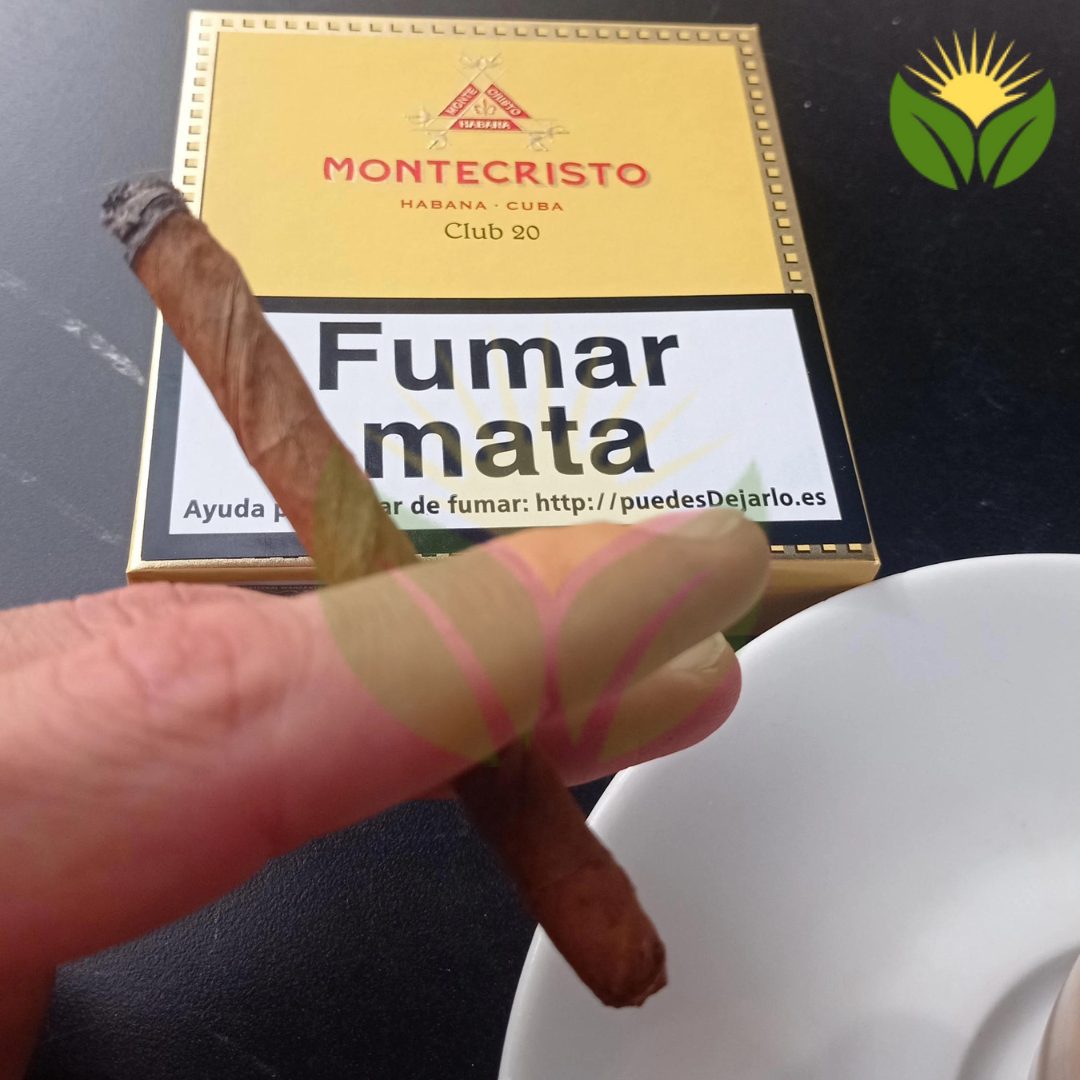
This is a cigar designed for the modern aficionado who doesn’t always have 90 minutes to dedicate to a smoke session but refuses to compromise on quality. The wrapper leaf comes from the Vuelta Abajo region – same tobacco that graces the flagship vitolas – and the filler blend maintains that classic Montecristo DNA. What strikes me most about the Club 20 is how it manages to deliver a genuine Habanos experience in roughly 15-20 minutes. No joke, I’ve had full-sized premiums that couldn’t maintain the flavor complexity this little cigar offers from start to finish.
The target smoker? That’s someone who appreciates Cuban craftsmanship but lives in the real world where conference calls happen and lunch breaks have actual time limits. It’s also – and I know some people will disagree with me here – an excellent choice for transitioning from mild Connecticut-wrapped cigars into the world of Cuban tobacco. The strength profile won’t overwhelm you, but the flavor depth will absolutely open your eyes to what premium filler tobacco can do.
| Specification | Details |
|---|---|
| Vitola | Club (Petit Corona) |
| Length | 4.1 inches / 105 mm |
| Ring Gauge | 42 |
| Wrapper | Cuban Vuelta Abajo |
| Binder | Cuban |
| Filler | Cuban blend |
| Strength | Mild to Medium |
| Smoking Time | 15-25 minutes |
The Smoke Session: What Actually Happens When You Light This Thing
Between you and me, I approach every Club 20 with the same ritual I’d use for a much larger vitola – because rushing through the experience defeats the entire purpose. The cold draw gives you this beautiful preview of cedar and subtle coffee notes. Not that overpowering espresso blast some Nicaraguan puros hit you with, but more like… hmm, how do I explain this… it’s like walking past a café in Old Havana at dawn. You smell the coffee, but it’s mixed with aged wood and that particular humidity that only exists in Cuba.
The first third hits differently depending on your smoking pace, and this is crucial – Thing is, smaller ring gauges are unforgiving if you puff like a locomotive. Take your time. The initial flavors lean heavily into that classic Montecristo profile: creamy, slightly sweet, with cedar taking the lead role. The wrapper contributes this silky texture to the smoke that coats your palate. I remember one evening at my local lounge – this was maybe 2018? – when a buddy challenged me to a “flavor identification” blind tasting. The Club 20 was in the lineup, and every single person correctly identified it as a Montecristo. That brand consistency is remarkable.
Now the second third is where things get interesting. Actually, scratch that – what I mean is, this is where the cigar stops being polite and starts showing personality. The coffee notes become more pronounced, and you’ll catch hints of leather and earth joining the cedar foundation. Some vintage boxes – and I’m talking properly aged Club 20s with five or more years on them – develop this incredible cocoa undertone that wasn’t there in the first third. The construction remains flawless if you’ve stored them properly; the burn line stays razor-sharp without any touch-ups needed. The ash holds solid white with slight grey streaking, typically dropping around the inch mark.
Final third? Look, this is where smaller cigars sometimes fall apart – literally and figuratively. Not the Club 20. The strength bumps up just slightly from mild to a comfortable medium territory. That spicy element that was lurking in the background finally steps forward, mixing with intensified coffee and a pleasant bitterness that never crosses into harsh territory. The retrohale – if you’re into that, and honestly, with Cuban cigars you should be – delivers white pepper and toasted almonds. I genuinely don’t understand why more people don’t talk about how clean this cigar smokes right down to the nub. There’s no acrid bite, no need to bail out early. It’s a complete experience compressed into that compact format.
How Does It Stack Up Against Similar Vitolas?
| Cigar | Strength | Smoking Time | Best For |
|---|---|---|---|
| Montecristo Club 20 | Mild-Medium | 15-25 minutes | Time-conscious aficionados wanting authentic Montecristo flavor |
| Romeo y Julieta Mille Fleurs | Mild | 20-30 minutes | Morning smokes and milder palates |
| Partagás Shorts | Medium-Full | 15-20 minutes | Those wanting more punch in a short format |
| Cohiba Siglo I | Mild-Medium | 20-30 minutes | Special occasions when you want Cohiba prestige quickly |
Real talk: the Club 20 occupies this perfect middle ground in the Cuban petit corona category. It’s more refined than the Partagás Shorts – which I love, don’t get me wrong, but those are basically flavor grenades – and more accessible than the Cohiba Siglo I. The Romeo alternative is fantastic if you want something even gentler, but you sacrifice some of that complexity. And speaking of which – I haven’t tried every single petit corona Habanos produces, so grain of salt, but I’ve worked through most of the major marcas – the Club 20 consistently delivers the best balance of flavor depth versus smoking time in my experience.
What to Drink With It (And When to Smoke It)
Okay, so pairing recommendations. The obvious choice is coffee – and not just because there are coffee notes in the cigar itself. I’m talking a proper Cuban coffee, or at least a dark roast espresso. That morning ritual of a Club 20 with your first coffee of the day? That’s peak cigar life right there. But who am I to judge if you’re smoking at 6 AM? Live your life.
For spirits, I lean toward lighter rums or a quality aged cognac. The Montecristo profile doesn’t need something that’s going to compete for attention. Flor de Caña 12-year or Zacapa 23 work beautifully – the rum’s sweetness complements without overwhelming. If you’re a whisky person, try a Highland Scotch rather than an Islay peat monster. Glenmorangie or Dalmore would be my picks. The sherry cask influence in those whiskies plays nicely with the cedar and coffee elements.
As for occasions? This is your lunch break cigar, your golf course companion, your “between meetings” smoke. I keep a few in my car humidor for those unexpected moments when I’ve got 20 minutes to kill. Evening smoke on the patio while dinner’s in the oven? Perfect. That awkward gap between arriving at a dinner party and when you should actually ring the doorbell? Light up a Club 20 in your car. It’s the Swiss Army knife of Cuban cigars – always appropriate, never a disappointment.
The Aging Question Everyone Asks
Will aging improve the Club 20? Short answer: yes, absolutely. Longer answer: it depends on what you’re looking for. Fresh from the factory – or at least with minimal aging – these cigars already smoke beautifully. The flavors are bright, the cedar is prominent, and everything feels dialed in. But here’s what gets me: give them three to five years in proper cedar-lined storage at 65-70% humidity, and something magical happens.
The sharpness rounds off. That spicy element becomes more integrated rather than showing up fashionably late in the final third. The coffee notes deepen into something richer, more complex. I’ve got a box from 2016 that I’m still working through, and those cigars smoke like an entirely different animal compared to fresh stock. Not better necessarily – just different, more sophisticated maybe? The vintage aspect adds this honeyed sweetness that wasn’t there before.
But – and this is important – you’re not getting the same dramatic transformation you’d see from aging larger ring gauge cigars. The smaller format means less tobacco mass, which means aging works faster but also plateaus sooner. I wouldn’t bother aging these beyond seven or eight years unless you’re just hoarding for the sake of it. They peak in that five-year sweet spot and then maintain that character rather than continuing to evolve dramatically.
Is the Montecristo Club 20 suitable for beginners?
Absolutely, and I’ll be honest – it’s actually one of the better Cuban entry points. The mild to medium strength won’t overwhelm newcomers, but the flavor complexity is sophisticated enough that you won’t feel like you’re smoking a “training wheels” cigar. The short smoking time also means beginners who aren’t sure about their commitment to Cuban cigars aren’t investing 90 minutes into something they might not enjoy. Just remember to smoke slowly – the smaller ring gauge heats up quickly if you puff too aggressively.
How should I store Montecristo Club 20 cigars?
Standard Cuban cigar protocol applies here: 65-70% relative humidity and around 65-68°F temperature. I keep mine at 67% humidity specifically because the smaller vitola can get spongy if you push toward 70%. Cedar-lined storage is ideal – whether that’s a traditional humidor or one of those Boveda-based setups. The Club 20 responds well to proper humidification, and you’ll notice the difference in burn quality if your storage conditions aren’t dialed in. Also, let them rest at least two weeks after receiving them if they’ve been shipped; Cuban cigars need time to recover from travel stress.
What’s the difference between the Club 20 and other Montecristo vitolas?
The Club 20 maintains the classic Montecristo flavor profile but in a condensed, time-friendly format. Compared to something like the No. 4 or Edmundo, you’re getting similar DNA – that cedar-forward, creamy character – but the experience is more concentrated. The smaller ring gauge means the wrapper plays a bigger role in the flavor ratio compared to filler-dominant larger vitolas. Strength-wise, it’s on the milder end of the Montecristo spectrum. Think of it as the greatest hits album versus the full studio releases – all the essential Montecristo elements, just in a more compact package.
Can you smoke a Montecristo Club 20 right out of the box?
You can, but should you? Here’s the thing – it depends on the source and how they were stored before you got them. If you’re buying from a reputable dealer who maintains proper humidor conditions, and the cigars haven’t been shipped during extreme weather, then yeah, you could light one up immediately. But I always recommend at least a week of rest in your own humidor to let them acclimate. Cuban cigars are temperamental about humidity changes, and smoking one that hasn’t stabilized can result in burn issues or muted flavors. Patience pays off with Habanos, even with the smaller formats.
Are Montecristo Club 20s available in limited edition releases?
The Club 20 itself isn’t typically released as a limited edition – it’s a regular production vitola, which is actually good news for availability. Montecristo reserves their limited edition designation for special larger formats or commemorative releases. That said, you’ll occasionally find vintage boxes or regional editions that include the Club format, though these are rare. The standard production Club 20 is already an excellent cigar; you don’t need to hunt down limited editions to experience quality here. The scarcity you might encounter has more to do with general Cuban cigar supply chain issues than the specific vitola being rare.
How does humidity affect the Montecristo Club 20’s smoking experience?
More than you’d think, actually. The smaller ring gauge makes the Club 20 particularly sensitive to humidity levels. Too dry (below 62%), and the cigar burns hot and fast with harsh, bitter flavors emerging. Too wet (above 72%), and you’ll struggle with draw resistance, tunneling, and constant relighting. I learned this the hard way – wait, no, my buddy Carlos learned this the hard way and I watched. The sweet spot for these is genuinely around 65-67% humidity. At that level, the draw is effortless, the burn is even, and all those subtle flavor notes come through clearly. If you’re having issues with a Club 20, check your humidor’s humidity before assuming there’s a problem with the cigar itself.
What makes Cuban wrapper tobacco special on the Club 20?
The Vuelta Abajo wrapper on the Club 20 is – and I know this sounds dramatic, but – legitimately special. That region produces wrapper leaves with this unique combination of oils, elasticity, and flavor contribution that you just don’t find elsewhere. On a smaller vitola like the Club 20, the wrapper’s influence is proportionally greater than on larger ring gauges, so you’re really tasting what makes Cuban tobacco distinct. That silky texture, the subtle sweetness, the way it contributes cedar and earth notes without overwhelming the filler blend – that’s all wrapper magic. Cuban seed grown elsewhere doesn’t quite capture it, though I’ve had some Nicaraguan attempts that came impressively close. But there’s something about the actual Cuban terroir that creates wrapper leaves with this particular aromatic quality. It’s why Habanos enthusiasts are so particular about authenticity.
Final Thoughts: Who Should Buy This Cigar?
Not gonna lie, the Montecristo Club 20 isn’t trying to be everything to everyone. If you want a two-hour meditation session with smoke, this isn’t your cigar. If you need full-bodied Nicaraguan power, look elsewhere. But if you’re after an authentic Cuban experience that respects your schedule? If you want genuine Montecristo character in a format you can actually smoke during a lunch break? This is exactly what you need in your rotation.
I’ve been smoking these for over two decades now, and they’ve never disappointed. Not once. The consistency is remarkable, the flavor profile is classic Habanos at its finest, and the construction quality reflects why Montecristo remains the benchmark. Whether you’re new to Cuban cigars or you’ve been smoking them since before the internet existed, the Club 20 deserves consideration.
Stock your humidor with a box. Keep a few in your travel case. These are the cigars that’ll remind you why Cuban tobacco earned its reputation in the first place – no hype required, just solid craftsmanship and time-tested blending expertise compressed into 4.1 inches of pure enjoyment. And speaking of which, I think it’s about time I went and lit one up myself. These things don’t smoke themselves.