
Description
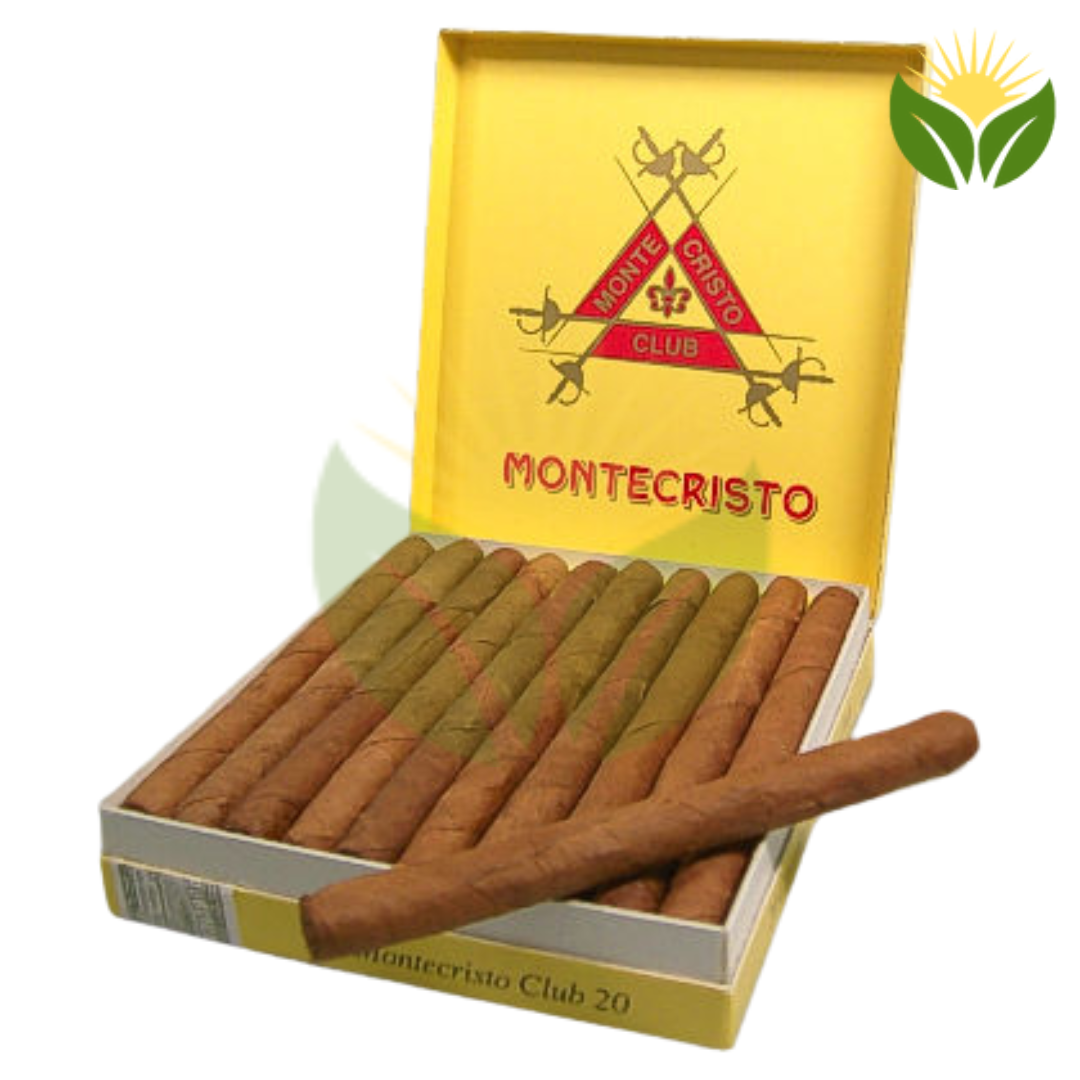
The amber light of the hotel bar caught the cellophane wrapper as I reached for what would become my evening companion. Twenty small soldiers lined up in their pack, each one promising fifteen minutes of Cuban heritage distilled into something you could slip into a jacket pocket. I’d discovered these during a business trip to Switzerland, tucked away in a humidor that seemed to whisper stories of Havana’s golden age.
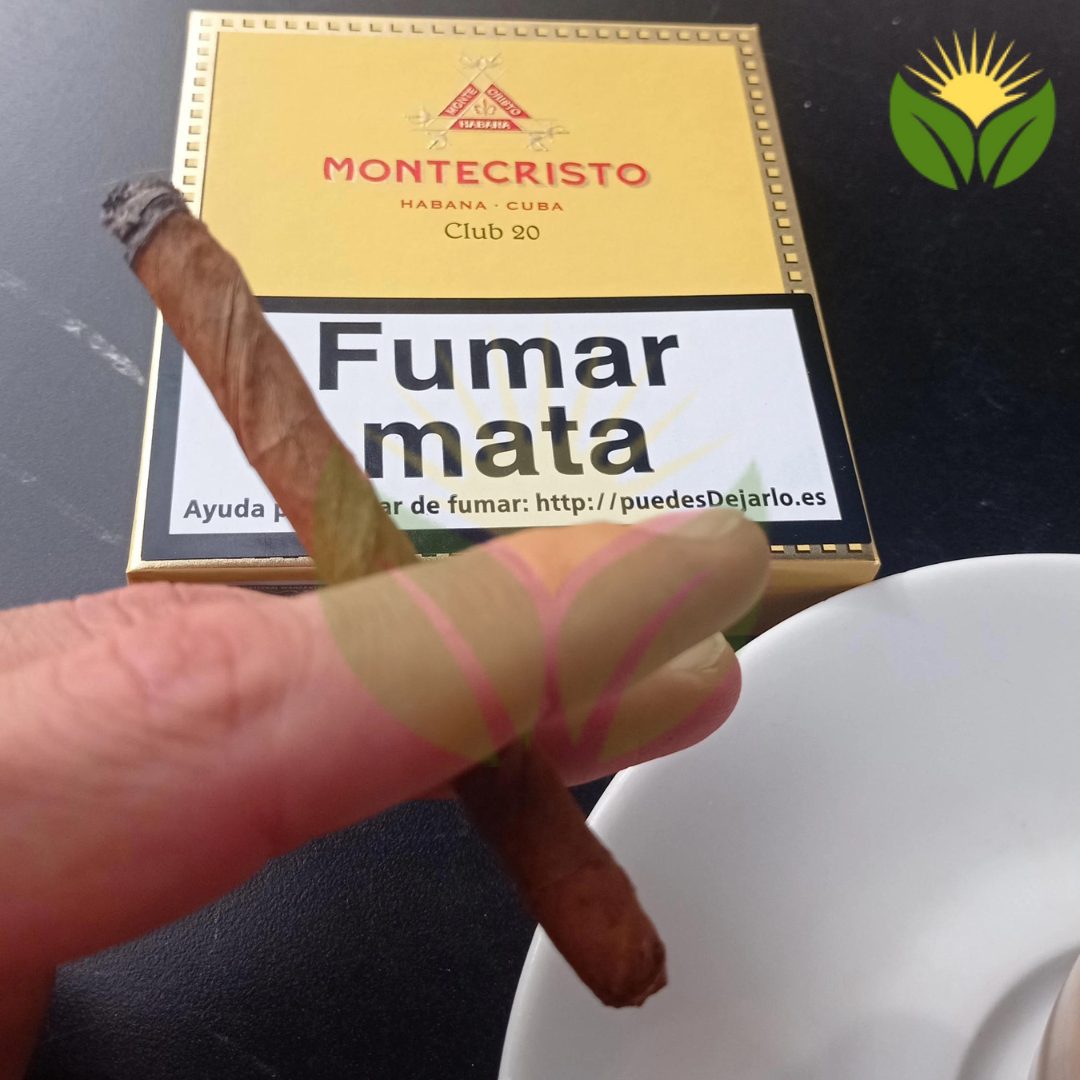
What struck me first wasn’t the size—though at just under four inches, they’re barely longer than my palm. It was the weight. Each Montecristo Club feels substantial despite its slender profile, like holding a perfectly balanced fountain pen made of tobacco leaves.
Construction and Appearance
The wrapper tells you everything about what’s inside before you even light up. I’ve handled hundreds of these over the years, and the consistency remains remarkable. The leaf displays that classic Cuban medium-brown color—not the chocolate darkness of a maduro, but deeper than the golden hue of a Connecticut shade.
Running your fingers along the length reveals a smooth, almost silky texture. The veins are minimal, distributed evenly without any unsightly bumps or soft spots that might indicate poor construction. Each cigar measures precisely 94-97mm in length with a 22 ring gauge, dimensions that place it squarely in cigarillo territory.
The iconic red and gold Montecristo band sits perfectly proportioned on such a small format. Honestly, it’s one of the few bands I never remove—partly because it’s beautiful, partly because it serves as a heat shield for your fingers during those final draws.
What impresses me most is the draw consistency straight from the pack. No pre-light rituals needed, no concerns about plugged cigars. The Cuban factory craftsmanship shows in every detail, from the triple cap that barely needs cutting to the foot that lights evenly without coaxing.
Flavor Profile Through the Smoke
First Third: The Welcome
Those initial draws deliver exactly what you’d expect from the Montecristo family legacy. Creamy smoothness dominates, with subtle cedar notes that remind me why Cuban tobacco remains the gold standard. There’s a gentle nuttiness—roasted almonds come to mind—that provides richness without overwhelming the palate.
The strength starts at a comfortable medium level. No harsh bite, no aggressive spice that makes you question your morning coffee choice. It’s civilized tobacco, the kind that pairs with conversation rather than demanding silent contemplation.
Middle Third: The Development
Here’s where the Club 20 earns its reputation. The flavor deepens considerably, introducing earthy undertones that speak to the Vuelta Abajo soil where these leaves grew. Coffee notes emerge—not the bright acidity of a morning cup, but the rich, roasted depth of an espresso pulled perfectly.
Leather appears on the retrohale, accompanied by a spice that tingles without burning. I’ve noticed a subtle sweetness that some describe as chocolate, though I find it more reminiscent of brown sugar or molasses. The complexity rivals cigars twice this size, compressed into a format that respects both your time and your palate.
Final Third: The Crescendo
Most small cigars turn harsh as they near the band. Not these. The final third maintains that velvety smoothness while delivering the fullest expression of flavor. The earthiness intensifies, the coffee notes grow richer, and that gentle sweetness persists without cloying.
The strength never overwhelms, staying true to its medium-bodied character even as the flavors reach full intensity. You can smoke it down to the very end without that acrid bite that usually signals it’s time to put it down.
Technical Specifications
| Specification | Details |
|---|---|
| Length | 3.7-3.8 inches (94-97mm) |
| Ring Gauge | 22 |
| Strength | Medium to Medium-Full |
| Smoking Time | 10-15 minutes |
| Wrapper Origin | Cuban |
| Pack Size | 20 cigars |
Perfect Pairing Combinations
The beauty of these Cuban cigars lies in their versatility. I’ve paired them with everything from morning espresso to evening cognac, and they’ve never disappointed.
For coffee lovers, try them with a double shot of Lavazza or Illy espresso. The roasted coffee notes in the tobacco create a harmonious echo that enhances both experiences. If you prefer something lighter, a café au lait brings out those creamy first-third notes beautifully.
When it comes to spirits, aged rum is my go-to recommendation. A sip of Havana Club 7-year or Diplomático Reserva Exclusiva between draws highlights the earthy, leathery notes in the middle third. The natural sweetness in both the rum and tobacco creates perfect symmetry.
Whiskey enthusiasts shouldn’t overlook these. A peated Scotch like Laphroaig 10 might seem overwhelming, but the cigar’s smooth character tames the peat while adding complexity. For bourbon, try it with something like Maker’s Mark—the wheat in the mash bill complements the tobacco’s natural sweetness.
Wine pairings work too, though they require more thought. A medium-bodied red like Tempranillo or a rich white Burgundy can work, but I’d avoid anything too tannic or acidic that might clash with the cigar’s balanced profile.
Cutting and Lighting Technique
Here’s where the small format becomes an advantage. The ring gauge of 22 means you barely need to cut anything off the cap. A simple straight cut with a sharp cutter removes just enough to open the draw without damaging the wrapper.
I use a small guillotine cutter—nothing fancy needed. Davidoff makes excellent accessories that work perfectly with this size format. The key is keeping your cut clean and minimal.
For lighting, a butane torch works best. The small diameter means the flame can easily cover the entire foot. Avoid soft flame lighters unless you’re in a completely windless environment. Rotate slowly, toasting the foot evenly before taking your first draw.
The beauty of quality Cuban construction shows here—these light easily and evenly. No touch-ups required if you take your time with the initial light. Once lit, they burn consistently with a firm ash that holds well despite the small ring gauge.
Who Should Smoke These
The Montecristo Club 20 occupies a unique position in the cigar world. They’re perfect for experienced smokers who want authentic Cuban flavor without the time commitment of a Churchill or Edmundo. I reach for these during busy periods when I want quality tobacco but only have fifteen minutes to spare.
New cigar smokers often gravitate toward these as well, and I understand why. The medium strength won’t overwhelm a developing palate, while the short smoking time prevents fatigue. They’re forgiving enough for beginners but complex enough to keep experienced smokers interested.
Business travelers love them. A pack of 20 fits easily in carry-on luggage, and you can enjoy one during a quick break between meetings. Hotel balconies, airport smoking lounges, brief moments of respite during hectic schedules—these cigars adapt to your lifestyle rather than demanding accommodation.
They’re also brilliant for social situations where you want to share premium Cuban cigars without the expense of handing out full-size premium brands. Wedding celebrations, poker nights, casual gatherings—everyone can enjoy authentic Montecristo quality without breaking the bank.
In my experience, these work particularly well for golfers who want something to enjoy between holes, or anyone who appreciates the ritual of cigar smoking but doesn’t always have an hour to dedicate to the experience.
Authenticating Your Purchase
The counterfeit market for Cuban cigars includes even small formats like the Club 20, so knowing how to spot authentic products is crucial. I’ve learned to identify genuine Montecristo Club through several key indicators.
The band is your first clue. Authentic Montecristo bands feature crisp printing with consistent colors—deep red background with gold lettering that appears sharp under magnification. The famous crossed swords logo should be clearly defined, not blurry or off-center.
Construction quality tells the real story. Genuine Cuban cigars display impeccable workmanship—smooth wrappers without visible glue, evenly applied caps, and consistent firmness throughout the length. Fakes often show irregular shapes, soft spots, or wrapper leaves that appear dry or cracked.
The packaging matters too. Authentic packs of 20 come in specific cellophane wrapping with proper Cuban tax stamps and factory codes. The box construction (when sold in boxes of 100 as 5×20 packs) should feel substantial, with proper Habanos S.A. authentication features.
Purchase from authorized retailers whenever possible. Established vendors with proper credentials reduce your risk significantly. Reputable dealers maintain proper storage conditions and can verify the provenance of their inventory.
If something seems too good to be true price-wise, it probably is. Authentic Cuban cigars command premium prices due to their quality and legal importation costs. Significant discounts often indicate counterfeit products.
Storage and Aging Considerations
Proper storage is essential for maintaining the quality that makes these cigars special. I keep mine at 65-70% relative humidity and 65-70°F temperature in my main humidor alongside larger formats. Temperature-controlled storage preserves the Cuban wrapper and maintains consistent burn characteristics.
The small format means they respond quickly to humidity changes. Too dry, and they’ll smoke harsh and hot. Too humid, and they become difficult to light and may develop draw issues. A quality digital hygrometer is essential—don’t trust the analog ones that come with cheaper humidors.
Unlike larger Cuban cigars that benefit from years of aging, the Club 20 smokes beautifully fresh from the factory. The smaller ring gauge means the tobacco has already achieved good balance during the factory aging process. That said, six months to a year of proper storage can enhance the flavors and smooth out any remaining rough edges.
For long-term storage, consider the original packaging. The cellophane provides an extra barrier against humidity fluctuations while allowing the cigars to continue aging slowly. I’ve kept packs unopened for over two years with excellent results.
A properly maintained humidor will preserve these cigars indefinitely. The key is stability—avoid frequent temperature and humidity swings that can cause the wrapper to crack or the filler to become loose.
If you’re traveling with them, a small travel humidor or humidity packs can maintain proper conditions for short periods. Just remember that these Cuban cigars deserve the same care as any premium tobacco product.
Frequently Asked Questions
How do Montecristo Club 20 compare to other petit cigars?
The Club 20 stands apart from other small format cigars through its authentic Cuban heritage and complex flavor profile. While brands like Davidoff make excellent petit cigars, the unique terroir of Vuelta Abajo tobacco gives these a distinctive character you can’t replicate elsewhere. The 15-minute smoking time delivers more complexity than most cigarillos twice the price.
Can beginners enjoy these or are they too strong?
Absolutely perfect for beginners, in my opinion. The medium strength won’t overwhelm new smokers, and the short smoking time prevents palate fatigue. I often recommend these to friends trying Cuban cigars for the first time. The quality construction means consistent draws and even burns, eliminating common frustrations that can discourage newcomers to cigar smoking.
What’s the best time of day to smoke a Club 20?
Their versatility is remarkable. I enjoy them with morning coffee, as afternoon break cigars, or evening digestifs. The medium strength works any time of day, though I find the coffee and chocolate notes particularly appealing with espresso or after dinner. The 15-minute duration fits perfectly into busy schedules without feeling rushed.
How long can you store an unopened pack?
Properly stored in a humidor at 65-70% humidity, an unopened pack will maintain peak quality for years. I’ve smoked Club 20s aged three years with excellent results. The cellophane packaging actually helps with long-term aging by providing stability while allowing gradual flavor development. Just ensure consistent storage conditions and avoid temperature fluctuations.
Are there any similar alternatives if these are unavailable?
While nothing exactly matches the Cuban Montecristo profile, several alternatives offer quality small-format smoking experiences. Montecristo Petit tubos provide similar flavors in a slightly different format. Other Cuban petit options include Romeo y Julieta Minis, though they tend toward milder strength. Non-Cuban alternatives exist, but the unique character of Cuban tobacco makes direct comparisons difficult.