


Your cart is currently empty!.
You may check out all the available products and buy some in the shop.
Continue Shopping
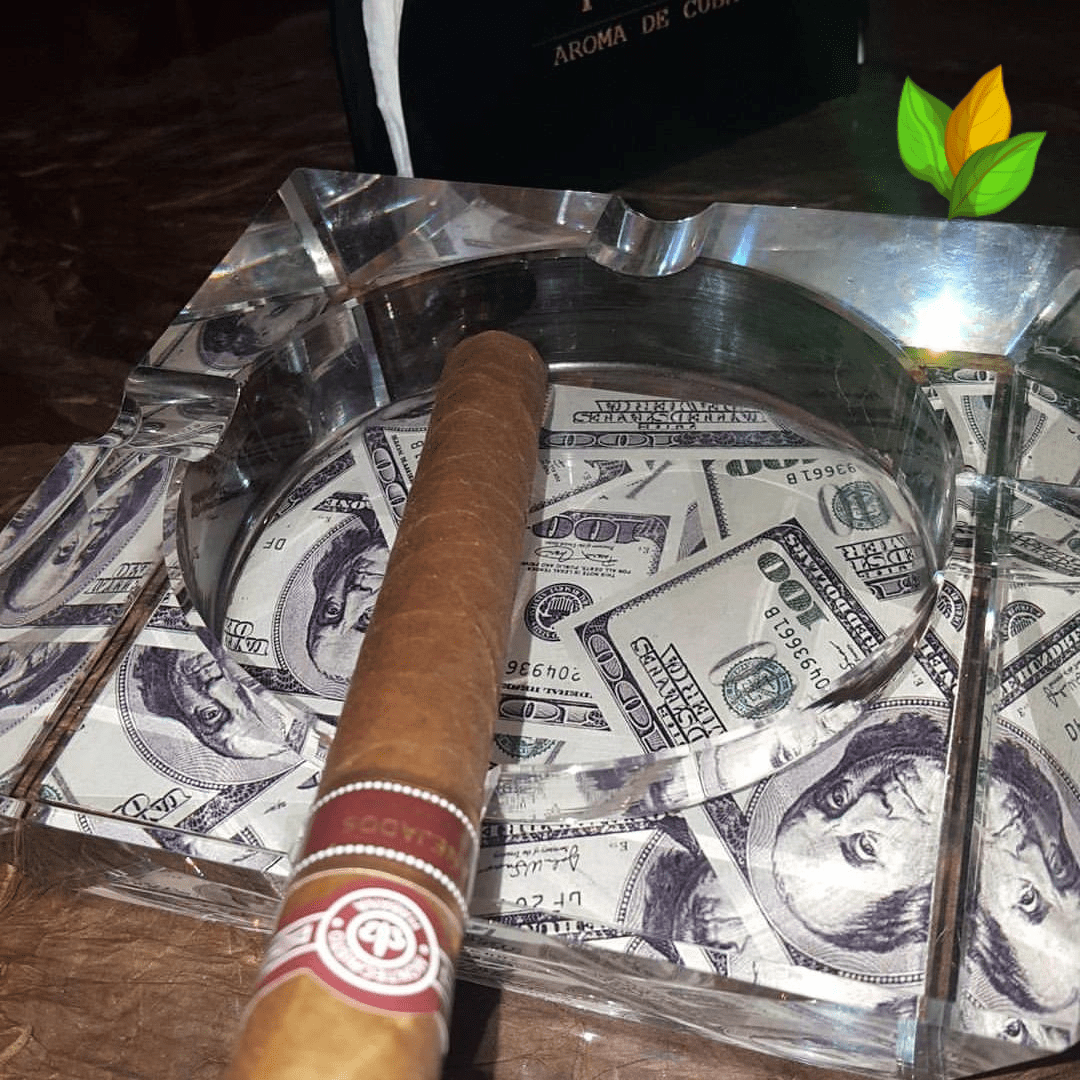
in stock
In stock
$480.00
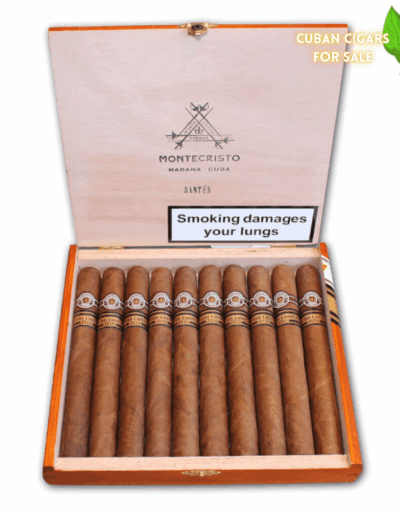
Discover the Montecristo Churchills Añejados, a special edition Cuban cigar that showcases the impact of extended aging. Learn about its unique flavor profile, history, and why it's a must-try for cigar enthusiasts seeking a refined smoking experience.
Features table:
| Feature | Description |
|---|---|
| Brand | Montecristo |
| Line | Añejados |
| Vitola | Churchill |
| Length | 7 inches (178 mm) |
| Ring Gauge | 47 |
| Wrapper | Cuban |
| Binder | Cuban |
| Filler | Cuban |
| Strength | Medium-Full |
| Flavor Profile | Cedar, leather, cocoa, subtle sweetness |
| Smoking Time | 60-90 minutes |
| Box Size | 25 cigars |
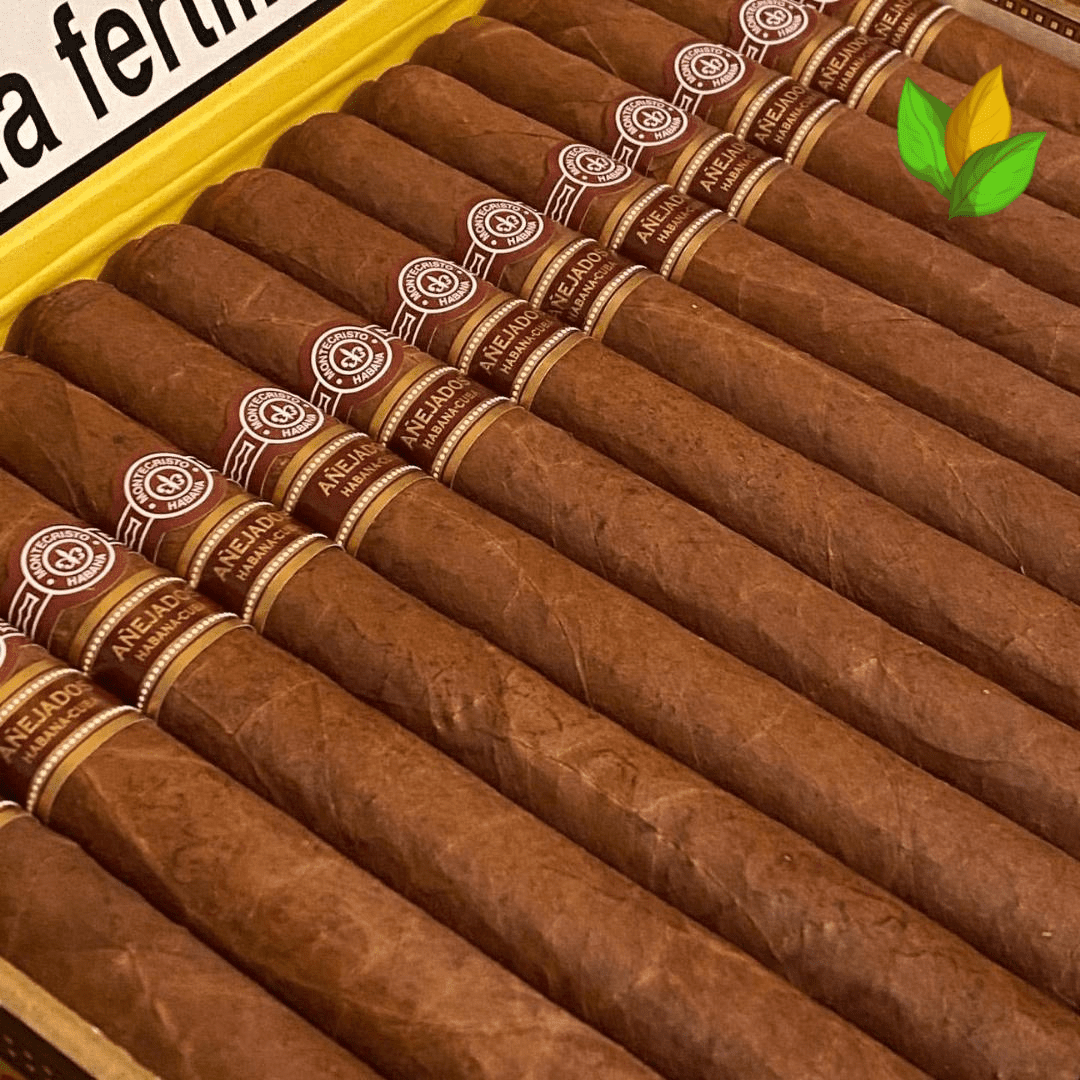
| Packaging | Unique Añejados box and second band |
| Aging | Minimum of 5 years |
| Occasion | Special occasions, celebrations, or as a treat for experienced smokers |
| Pairing Suggestions | Aged rum, cognac, full-bodied red wine, dark-roasted coffee |
| Origin | Cuba |
| Availability | Limited, may not be readily available at all retailers |
| Price Point | Higher than regular production cigars |
| Smoking Experience | Refined, smooth, and well-balanced |
| Cigar Enthusiast Appeal | A must-try for those seeking to explore the nuances of aged Habanos |

| Attribute | Detail |
|---|---|
| Product Name | Montecristo Churchill Añejados |
| Origin | Cuba |
| Factory | Julieta No. 2 |
| Vitola | Churchill |
| Length | 178mm (7 inches) |
| Ring Gauge | 47 |
| Wrapper | Cuba (Vuelta Abajo) |
| Binder | Cuba (Vuelta Abajo) |
| Filler | Cuba (Vuelta Abajo) |
| Strength | Medium |
And sure, grateful that the decade was over but grateful mostly for a moment of quiet and peace amid a world that races along far too fast. For that, I have to be the sort of person who would celebrate someone’s coming of age with a nice, long smoke. I’m not going to crave a twenty-minute Robustowhen I’m contemplating ten years of life behind (the) bars. I want something that takes some time for me.
I went to my road humidor and pulled out something that had been sitting there for quite a while. I only wanted a friend with whom I could talk and see who could keep up. I wanted something a little bit mature, a little weathered and with some story to it. That smoke?
The
Montecristo Churchill Añejados
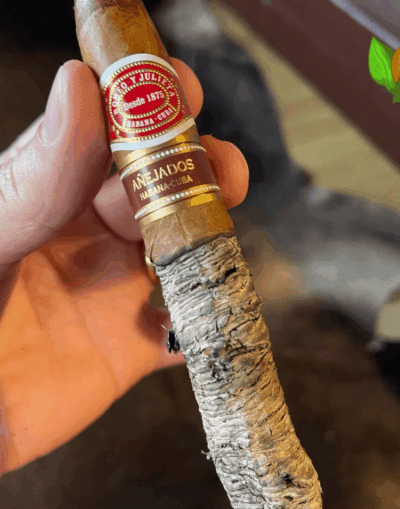
. It’s a Cuban stick that not only arrives at the party, but waits until there is something to arrive for. I remember looking at the two bands — one is a Montecristo brown-and-gold that will tell you who makes it and then there’s the rather large token of love they slap on some sticks… er, what I meant, to say was “a big ol’ fat deduction known as an Añejados secondary band,” but anyways—- and thinking “Yeah, thisis it.”
The Specs
But ritualA. before we strap this thing on to watch the sunset (again and again and again), let’s get some vitals.
No, it’s not my 24-7 Monte Carlo racer. It’s part of the Habanos S.A. “Añejados” (Aged) line, which means this plantón had been rolled up, slid into boxes and given eight years to siesta in Cuba before you could smoke them — five years in the case of another example I smoked with unfurling joy a year ago, also bestowed by Mr. Jiménez (abrazos no más!). Attribute
Details
Factory Name
Julieta No. 2
Commercial Name
Churchill
Wrapper/Binder/Filler
Cuban (Vuelta Abajo)
Smoking Duration
90 – 120 minutes
Construction: The Feel of Time
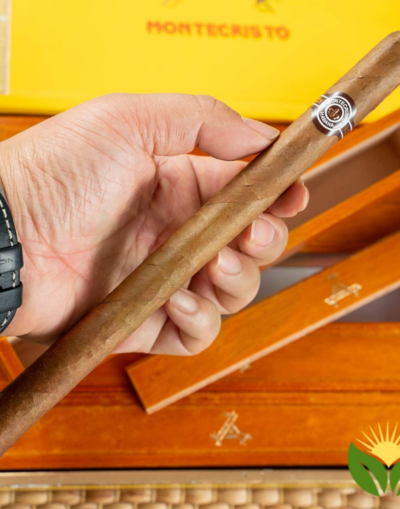
Upon pulling the Churchill out of my travel case, I loved the wrapper.
It’s a dark, Colorado-maduro shade of brown and it has this faint sheen of oil on it that tells you the tobacco’s been well-cared for. In the years these cigars sit in their diadema boxes before they’re even banded, something interesting happens; what I’ve come to affectionately call a “soft box-press.” That’s not a sharp, decisive square press you see on certain Nicaraguan sticks: It is soft flattening due to having lived in tight quarters for the better part of a decade. It feels right in the hand — sturdy but not heavy. I rubbed my thumb the entire thing.
Very few major veins, about average for a Cuban leaf, but the roll was tight. No soft spots, no lumps. I cut the cap straight, and was immediately deposited a great easy draw on mycold pull. It was just that great ol’ “Cuban twang”—hay, cedar, and a strangely specific caramel sweet note. I’ve heard someguys say it smells like a barnyard, and I get that, but to me it just has an aroma of tradition.
Holding that torch on the roof, I thought to myself ‘I could get used to this’. before a flame even touched the foot.”
The First Third: The Greeting
His seveninch cigar is lighted with a Havannah rituaL You can’t rush it.
I toasted the foot slowly, I watched until it flared up around the perimeter and proceeded to take my first puffs. The moment I took that first sip, a wave of cream and honey hit m. It’s soft,very easy-drinking. There’s a sweetness to it that reminded me of bubblegum — not the fake stuff, but that sugary sweet powdery scent you get fromthe initial opening of the pack.
It’s understated, but it’s there in the background, backed by an undertow of earth and toasted bread. After an inch or so, the smallestshard of cedar began to show. The smoke was dense and heavy, it clung to the air as a light fog would cover you. Even my wife commented that it smelled “quite nice,” and if you know her at all, that’s quite a compliment for how a cigar smells.
The magic really happened on the retrohale. I got a little honey tang and the tiniest hint of white pepper. It wasn’t hostile but it was more a kind of reminder that, behind the age, there were some muscle. The Next Level: TheHeart of the Issue
The sun was long gone by the time we got into the second third and the roof heaters were being used.
The cigar started to evolve, leaving behind that honey sweetness and turning a little earthier. The dirt/earthiness picked up, and I began to pick up some leather notes with what can only be described as “grainy”. It also tasted like pretty good rye bread — savory and a bit salty, which was really satisfying. The construction held up beautifully.
The ash was light grey, over an inch-and-a-half before I tapped it off into the cut glass ashtray. The burn was also fleetingly perfect — not always a given with Cubans, and the longer aging seems to have smoothed out what needed smoothing. At around the halfway point there was a flavor shift — heavy, mushroom-like mustiness that can only be accomplished with well-aged tobacco. It’s that “forest floor” vibe.
Thatmay sound strange, but that to me is the character of a cigarthat has been given time to mellow and let its oils marry. The Last Third:Into The Weeds
By the time I got to the last two inches, it was deep into our second round of drinks and some heavy life stuff.
The Montecristo was still going strong, though didnt have the sweetness. And now cedar wood, sawdust with a hint of coriander spice. The leather would come into the forefront, and a bitterness came out with it — not “I need to put this down” level of bitter but more like a pungent bite from charredwood that gave some heft on the finish. The strength was kept at a solid medium.
It never even tried to throw meout of my chair, though, and for that I was thankful. Running races in the Churchill format, if that strength is able to shine through at thend it can get very restrictive. But this Añejados stayed refined. Even as the flavors turned darker, it became more mellowed out.
I smoked it down to the nub. My fingers burned with it. Specifically, I didn’t wantthe experience to end — not only because it would be the end of a great night, but also because it was so consistently delicious and beautiful, flavor-wise. The Pairing: What to Sip
There, on that rooftop, I was sipping neat 12-year-old Cuban rum.
I’ve got to say it’s thenaturalpair to this smoke. The molasses sweetness of the rum plays well off the cedar and earth qualities of the Montecristo as if they were made in the same room. Then tall, pale/creamy cof
| Taste | Coffee, Earthy, Leathery, Spicy, Woody |
|---|


George Rogers –
Kevin Brown –
Ryan Moore –
Joshua Smith –