
Description
The Montecristo A: When Bigger Really Is Better
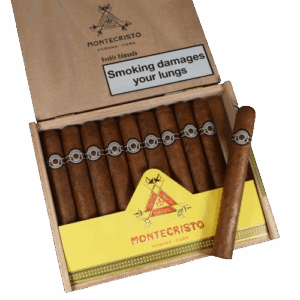
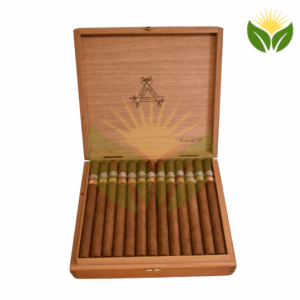
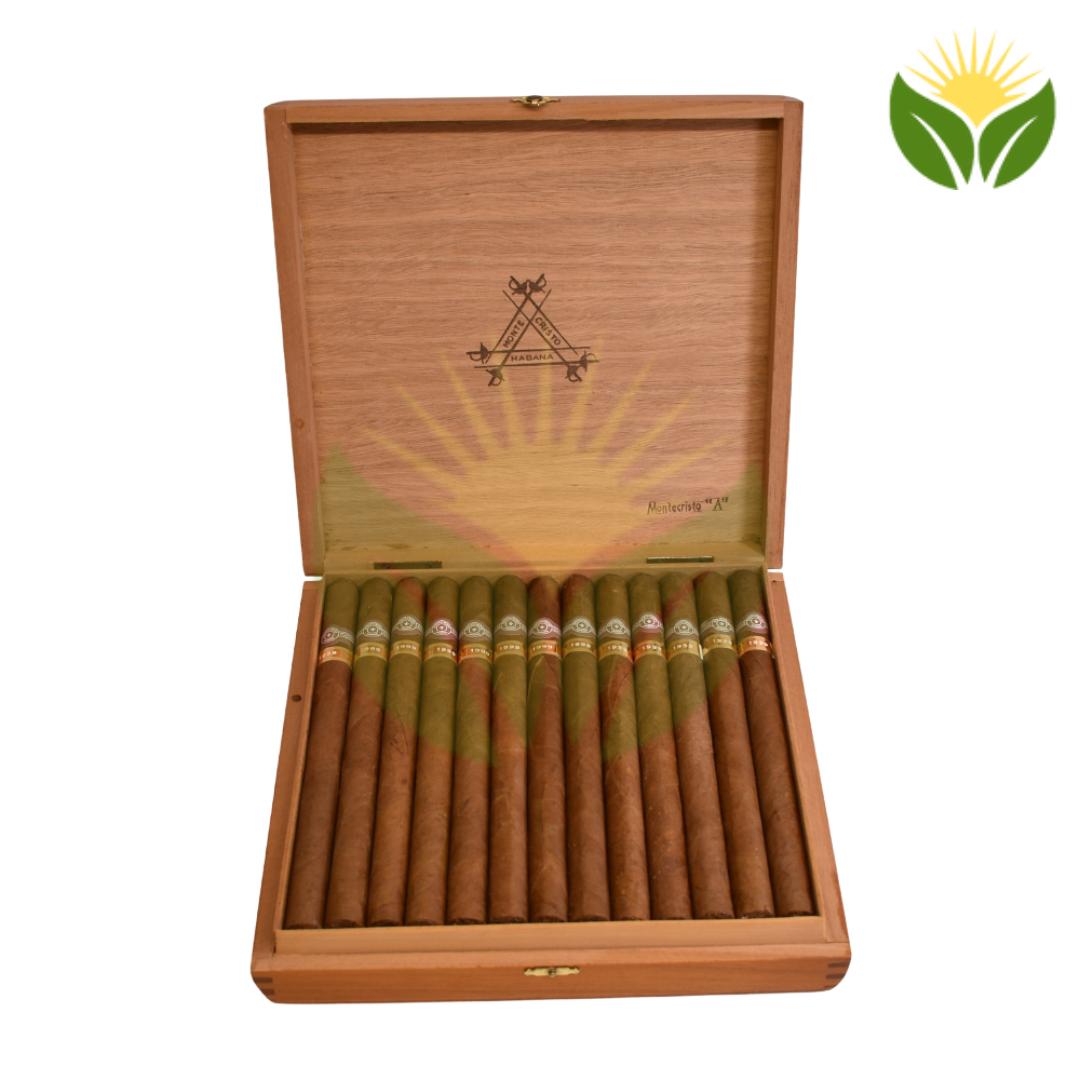
Look, I’ve been smoking Cuban cigars since my first trip to Havana in ’97, and I’ll be honest with you: the Montecristo A still makes me pause and think “Do I really have two hours to dedicate to this beast?” And you know what? Every single time I light one up, I’m reminded why this massive vitola isn’t just some novelty smoke for people who want to look like cigar aficionados – it’s a legitimate masterpiece that happens to be the size of a small baseball bat.
Here’s the thing – most people see the Montecristo No. 2 or No. 4 and think they know the brand. They don’t. Not really. The Montecristo A is where the blenders at Habanos get to show off what happens when you take their legendary blend and give it room to breathe, develop, and transform over the course of what feels like an entire evening. This isn’t your lunch break cigar. This is the cigar you smoke when you’ve got nothing but time and a comfortable chair.
What Makes the Montecristo A Special? Everything About Its Size
The Montecristo brand needs no introduction – it’s been the benchmark for Cuban cigars since 1935, named after the Alexandre Dumas novel that was read to workers in the factories. Real talk: if you’re new to Cuban cigars and someone hands you a Montecristo, you’re in good hands. The brand has maintained consistency that’s frankly remarkable given the ups and downs of Cuban cigar production over the decades.
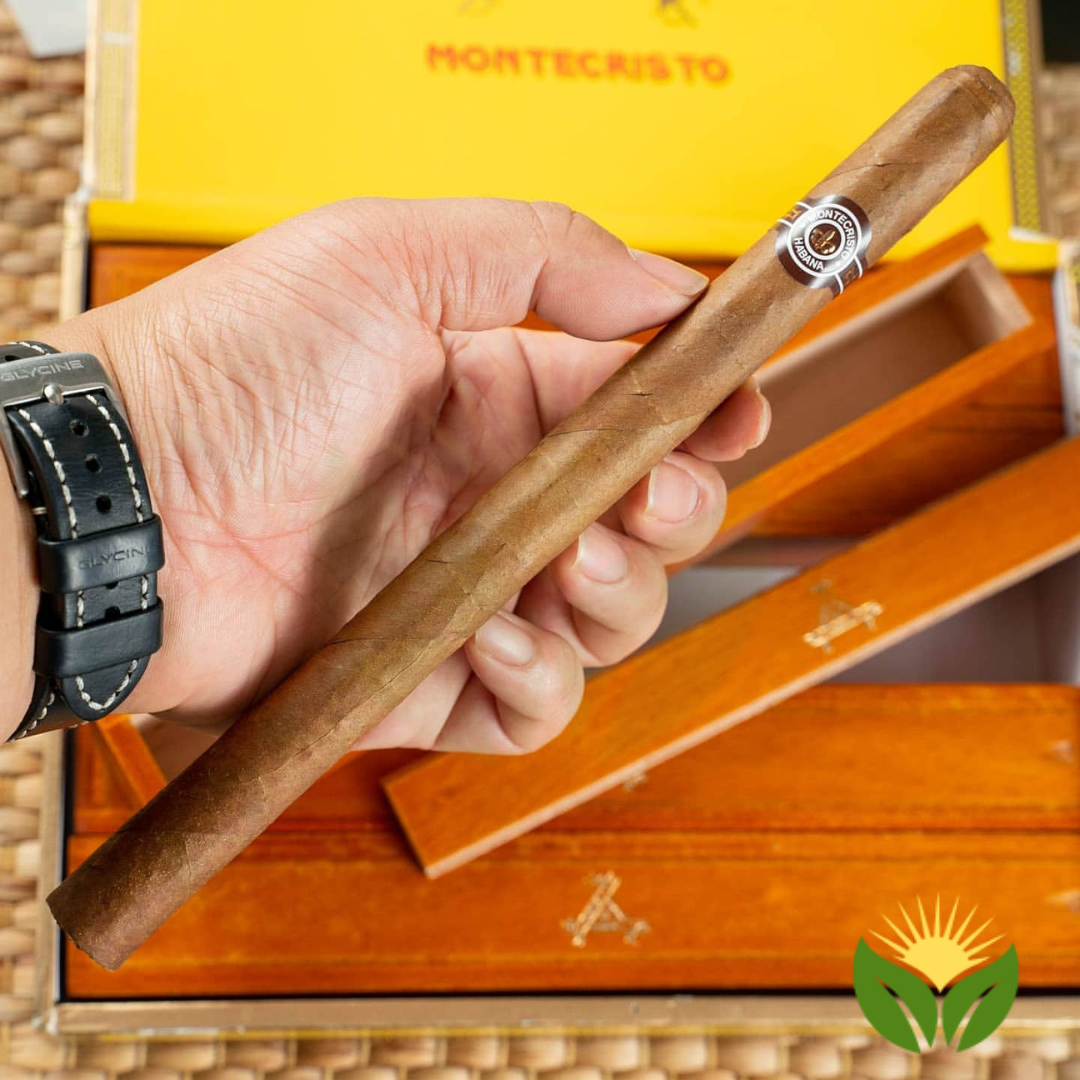
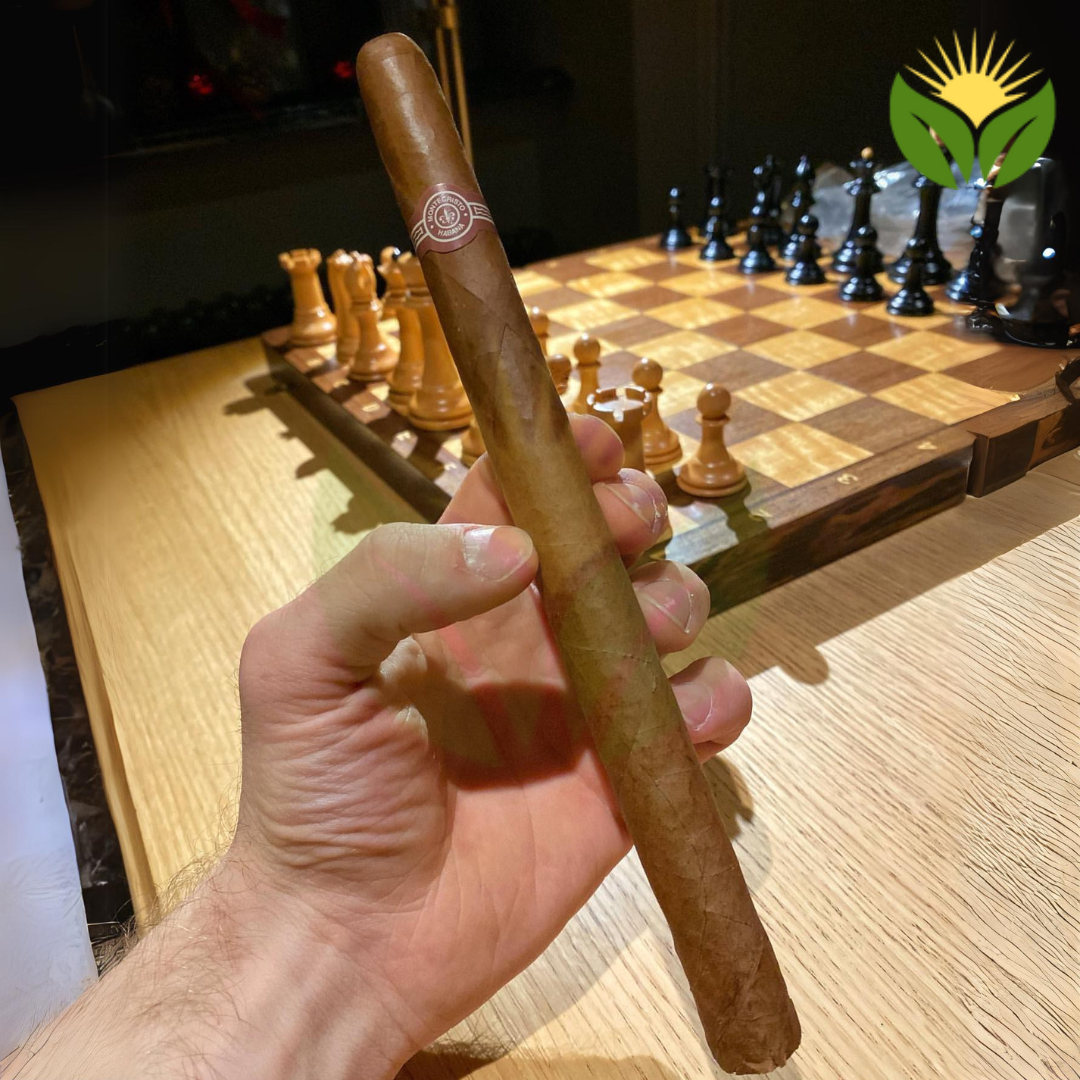
But the Montecristo A? This is where things get interesting. At 9.25 inches long with a 47 ring gauge, this is what’s called a Gran Corona in the cigar world – though honestly, “gran” feels like an understatement. Thing is, this vitola isn’t about showing off or being ostentatious. The length and relatively slender ring gauge create a completely different smoking experience than the thicker, shorter vitolas in the Montecristo lineup.
The tobacco ratio here is crucial. That 47 ring gauge means you’re getting more wrapper influence than you would in, say, a Montecristo A’s thicker cousins. The filler tobacco from Cuba’s legendary Vuelta Abajo region has space to unfold its complexity over nearly two and a half hours of smoking time. And between you and me, this is the cigar that made me understand why some aficionados get so obsessed with vitola sizes – it’s not just about bigger being better, it’s about how size affects the entire flavor journey.
Who should smoke this? Anyone with patience and a developed palate. If you’re still struggling through medium-bodied cigars or you typically reach for a robusto because that’s your comfort zone, the Montecristo A might be a step too far. But if you’ve been smoking Cubans for a while and you want to experience what Montecristo can really do when given proper real estate? This is your cigar.
| Specification | Details |
|---|---|
| Vitola | Gran Corona (Vitola A) |
| Length | 9.25 inches / 235 mm |
| Ring Gauge | 47 |
| Wrapper | Cuban (Vuelta Abajo) |
| Binder | Cuban |
| Filler | Cuban blend (Vuelta Abajo) |
| Strength | Medium to Medium-Full |
| Smoking Time | 120-150 minutes |
The Smoking Experience: A Two-Hour Journey Worth Taking
Okay, so you’ve committed. You’ve cleared your schedule, you’ve got your drink ready, and you’re holding what looks like a prop from a comedy sketch about cigars. Before you light it up, take a cold draw. The pre-light aroma off the foot gives you classic Montecristo: cedar, subtle cocoa, and that distinctive Cuban tobacco earthiness that’s hard to describe but impossible to mistake once you know it. The cold draw itself is usually perfect – not too tight, not too loose – which is impressive given the length of tobacco the smoke needs to travel.
First third hits different than you might expect. I’ve had people tell me they expected an immediate flavor bomb, but that’s not how this works. The initial light brings smooth, creamy smoke with cedar taking the lead – and I mean that classic Spanish cedar you get from a well-maintained humidor. There’s a subtle sweetness underneath, almost like honey-roasted nuts, and just a whisper of white pepper on the retrohale. The construction at this stage is crucial to watch – a cigar this long needs to burn evenly or you’re in for problems. I’ve found that a slow, patient lighting process pays off here. No joke, take your time getting an even cherry going.
The burn line should be razor-sharp if you’re smoking a well-aged example. The ash? It builds to about an inch and a half of light gray perfection before you need to think about tapping it off. This is where you start to understand what proper Cuban puro craftsmanship looks like.
Second third – and this is where the magic happens – the flavor profile opens up like someone turned up the volume on everything. That cedar note is still there, but now it’s joined by roasted coffee, dark chocolate, and this earthy quality that reminds me of walking through tobacco fields in Pinar del Río. Actually, scratch that – it’s more specific than just “earthy.” It’s like sweet soil after rain mixed with dried autumn leaves. The strength builds noticeably here, moving from that comfortable medium into medium-full territory. Nothing overwhelming, but you’ll know you’re smoking a serious cigar.
The smoke production becomes almost ridiculous in the best way – thick, billowy clouds that hang in the air if you’re smoking indoors (which you shouldn’t be, but you know). The aroma that comes off this cigar in the second third is intoxicating. My buddy Carlos, who runs a cigar shop in Miami, calls it “the Montecristo calling card” – that unmistakable combination of premium tobacco and masterful blending.
Here’s what gets me about the final third: some long cigars peter out or turn bitter. The Montecristo A doesn’t do that – at least not the properly stored ones with decent age on them. The final stretch brings fuller flavor intensity without harshness. More spicy notes emerge, some leather, a bit of espresso bitterness that’s actually pleasant rather than acrid. The retrohale becomes richer, more complex, almost creamy despite the increased strength. And between you and me, if you’ve made it this far and the cigar is still burning cool and flavorful, you’re experiencing Cuban cigar making at its finest.
The last two inches require some attention – you need to slow down even more than you already were. Let this cigar burn hot and it’ll turn on you fast. But maintain that leisurely pace, and you’re rewarded with a smooth, satisfying finish that makes you wish the cigar was even longer. Which is insane to say about a nearly ten-inch cigar, but there it is.
How the Montecristo A Stacks Up Against Similar Cigars
| Cigar | Length | Strength | Smoking Time | Best For |
|---|---|---|---|---|
| Montecristo A | 9.25″ | Medium-Full | 120-150 min | Experienced smokers with time to spare |
| Cohiba Esplendido | 7″ | Medium-Full | 90-120 min | Those wanting prestige with less time commitment |
| Partagás Lusitania | 7.6″ | Full | 90-110 min | Smokers who want more power and intensity |
| Romeo y Julieta Churchill | 7″ | Medium | 75-90 min | Classic Churchill experience, more approachable |
I’ll be blunt: if you’re choosing between the Montecristo A and these other large vitolas, your decision should come down to time and patience more than anything else. The Cohiba Esplendido is exceptional – smoother, maybe more refined in some ways – but it’s also more expensive and doesn’t give you that extended meditation session the A provides. The Partagás Lusitania hits harder and might satisfy those who find Montecristo too gentle, but it’s also more demanding and less forgiving if you’re not in the right mood.
What to Drink and When to Smoke This Giant
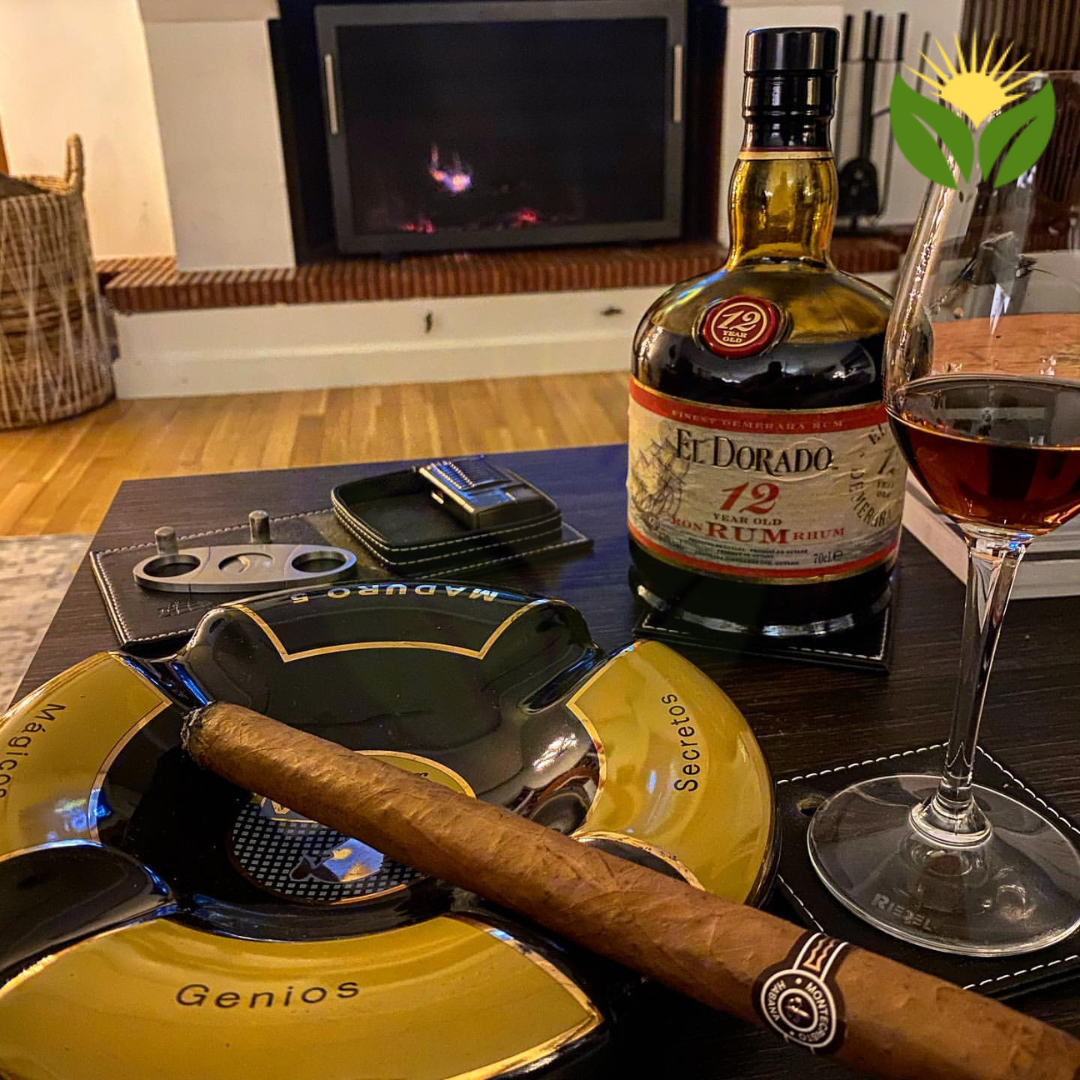
Pairing a cigar this long and complex requires some thought. I’ve tried the Montecristo A with everything from water to single malt scotch, and here’s what works: aged rum is your friend here. A good Cuban or Guatemalan rum with 15+ years of aging has the sweetness and complexity to complement without competing. Ron Zacapa 23 or Diplomático Reserva Exclusiva both work beautifully. The caramel and vanilla notes in aged rum play nicely with the cedar and coffee flavors in the cigar.
Coffee? Absolutely, especially in the morning or early afternoon. A proper espresso or Cuban coffee during the first and second third is incredible. The bitterness cuts through the smoke and resets your palate between draws. Not gonna lie, some of my best cigar experiences have been weekend mornings on the patio with a Montecristo A and a French press of Ethiopian beans.
If you’re a whiskey person, go for something with minimal peat – a smooth Highland scotch or a wheated bourbon. The smoky Islay scotches compete too much with the tobacco. I’ve had great success with Glenfiddich 18 or Maker’s Mark 46. The sweetness works, the proof is right, and neither dominates the cigar.
As for when to smoke this beast? Weekend afternoons when you have absolutely nothing scheduled. Post-dinner if you’re somehow hungry enough to eat early. Holiday celebrations when everyone else has gone home and you’ve got the peace and quiet you need. I smoked one on New Year’s Eve a few years back, starting at 10 PM and finishing just after midnight. Perfectly timed, completely unforgettable. Thing is, this isn’t a golf course cigar or a “smoke while you’re doing something else” cigar. This demands your attention and your time.
Storage, Aging, and Getting the Most From Your Montecristo A
Here’s something most people don’t talk about enough: the Montecristo A benefits dramatically from aging. Fresh from the factory – or as fresh as Cuban cigars get by the time they reach you – these can be good. But give them two, three, even five years in your humidor at proper humidity (65-68% is my sweet spot), and they transform into something else entirely. The rough edges smooth out, the flavors marry and deepen, and that slight ammonia tang that sometimes shows up in young Cubans completely disappears.
I genuinely don’t understand why more people don’t buy these in boxes and just forget about them for a few years. Well, actually I do understand – it’s torture having them just sitting there. But the patience pays off. I’ve got a few in my humidor right now from 2018 that I’m saving for special occasions, and every time I peek at them, I have to resist the temptation.
Storage tip that saved my life: keep these in their original box or in a separate section of your humidor. That length makes them vulnerable to damage, and there’s nothing sadder than finding a cracked wrapper on a premium Cuban because you were careless with how you stacked things. Cedar sleeves help too – they add an extra layer of protection and contribute to that cedar aroma development.
The Reality Check: Is the Montecristo A Right for You?
Look, I’m going to level with you because I’ve seen too many people buy these on impulse and then struggle through them or worse, not finish them. The Montecristo A is not a beginner’s cigar. It’s not even an intermediate smoker’s cigar unless you’ve got serious dedication. This is for experienced aficionados who have smoked enough cigars to know they want something that lasts, who have developed their palate beyond “this tastes good” to actually distinguishing the layers of flavor, and who – this is crucial – have a legitimate two to two-and-a-half hour block of uninterrupted time.
If you’re still at the stage where you’re figuring out Cuban brands or you typically smoke robustos because they fit your schedule, start with a Montecristo No. 2. Work your way up through the line. Get comfortable with the blend in more manageable sizes. The A will still be there when you’re ready, and you’ll appreciate it so much more with that foundation.
But if you’ve been smoking Cubans for years, if you find yourself wishing your favorite cigars lasted longer, if you’ve got a comfortable smoking spot and the patience to really engage with a cigar rather than just smoke it? Then yeah, the Montecristo A might be exactly what you’ve been looking for without knowing it.
Frequently Asked Questions About the Montecristo A
How long does it actually take to smoke a Montecristo A?
Real talk: plan for two hours minimum. I’ve had some take two and a half hours when I’m really taking my time. It depends on your smoking pace and how often you let it rest between puffs. If you’re trying to rush through it in 90 minutes, you’re going to have a hot, harsh experience and miss the entire point. This cigar demands patience. If you don’t have at least two uninterrupted hours, pick a different vitola.
Is the Montecristo A stronger than the Montecristo No. 2?
Not necessarily stronger in terms of nicotine punch, but definitely fuller in flavor development. The No. 2 is more concentrated and intense because of the thicker ring gauge – that torpedo shape packs a punch. The A is longer and more slender, which means the flavors unfold more gradually and with more nuance. Think of it like this: the No. 2 is a sprint, the A is a marathon. Both will get you there, but the journey is completely different. I’d actually say the A is more approachable despite its intimidating size, because it builds slowly rather than hitting you right away.
Should I age my Montecristo A before smoking it?
Here’s the thing – you should age every Cuban cigar if you can stand the wait, but the Montecristo A especially benefits from it. Give it at least a year, preferably two or three. The harsh edges disappear, the flavors integrate and deepen, and that cedar character becomes more pronounced and sophisticated. I’ve smoked fresh ones and five-year-aged ones, and there’s no comparison. The aged versions are smoother, more complex, and just more pleasurable from start to finish. If you can only buy one or two, sure, smoke one relatively fresh to know what you’re working with. But if you’re buying a box, hide them in the back of your humidor and forget about them for as long as you can manage.
What’s the best way to cut and light a cigar this long?
Cutting is straightforward – use a sharp guillotine cutter and take off just enough cap to expose the filler, same as any cigar. Don’t overthink it. Lighting is where you need patience. Because of the length, an uneven light at the beginning will haunt you throughout the entire smoke. I use a torch lighter and spend a good 30-45 seconds toasting the foot before actually drawing through it. Rotate the cigar slowly, make sure the entire foot is glowing evenly before you take your first real puff. No joke, I’ve had cigars go sideways an hour in because I rushed the lighting. With a cigar you’re going to spend two hours with, those extra 30 seconds at the start are worth it.
How does the Montecristo A compare to other Cuban Gran Coronas?
The Montecristo A is the most balanced and approachable of the Cuban Gran Coronas, in my opinion. The Hoyo de Monterrey Double Corona is lighter and more delicate – great if you want something gentler but similar in size. The Partagás Lusitania, which is a Double Corona rather than a true Gran Corona, is fuller and more intense. Between you and me, I reach for the Montecristo A more often because it hits that sweet spot of complexity without overwhelming your palate. It’s got enough body to keep things interesting for two hours but won’t knock you on your ass like some of the fuller-bodied large vitolas can. And the construction quality on Montecristo is generally more consistent than some other brands, which matters a lot when you’re committing this much time to a single cigar.
Can I smoke a Montecristo A on an empty stomach?
I’ll be honest with you: I wouldn’t recommend it unless you have a serious nicotine tolerance. The nicotine delivery over two-plus hours can sneak up on you, especially in the final third when the strength builds. I’ve seen experienced smokers get lightheaded from large vitolas when they haven’t eaten. Have at least a decent meal an hour or two before, keep some sugary drink on hand, and pace yourself. This isn’t about the cigar being overly strong – it’s about the cumulative effect of sustained nicotine absorption. Listen to your body. If you start feeling woozy, put the cigar down, eat something sweet, drink some juice. There’s no shame in not finishing – though with what these cost, I’m always motivated to power through with some snacks nearby.
Are Montecristo A cigars available as limited editions or only regular production?
The Montecristo A is part of the regular production line, which is actually great news. You’re not hunting down some impossible-to-find limited edition release. That said, availability can be spotty depending on where you’re shopping and what Habanos has been producing recently. The vitola isn’t as common as the No. 2 or No. 4, so when you see them in stock from a reputable source, it’s worth grabbing a few. They’re not discontinued or anything like that, but they’re produced in smaller quantities than the more popular sizes. Occasionally you’ll see vintage boxes pop up from the early 2000s or even the 90s, and if you’ve got the budget for it and they’ve been stored properly, those can be absolutely incredible. But the current production stuff is excellent too, especially with a few years of additional aging.
Final Thoughts: A Cigar That Demands and Rewards Your Time
So here we are, nearly 2000 words later, and I realize I could keep going about the Montecristo A. That’s kind of the point, isn’t it? This is a cigar that gives you so much to think about, to experience, to savor, that it almost demands this level of attention.
The Montecristo A isn’t for everyone, and that’s okay. It shouldn’t be. This is a cigar for the moments when you want to slow down, disconnect, and spend a few hours with nothing but premium Cuban tobacco and your thoughts. It’s for weekend mornings on the patio, for celebrating milestones, for those rare occasions when you have time that truly belongs to you.
If you’ve been curious about the larger vitolas in the Montecristo line, if you’re ready to commit to a proper long-format cigar experience, or if you just want to understand what Montecristo can achieve when given room to breathe – this is your answer. Just clear your schedule, get your favorite drink ready, and settle in. You’re in for one hell of a smoke.
Ready to experience the Montecristo A for yourself? Add it to your collection and discover why some of us consider this the ultimate expression of what Montecristo – and Cuban cigar making in general – can achieve. Your humidor will thank you, even if your free time might not.