
Description
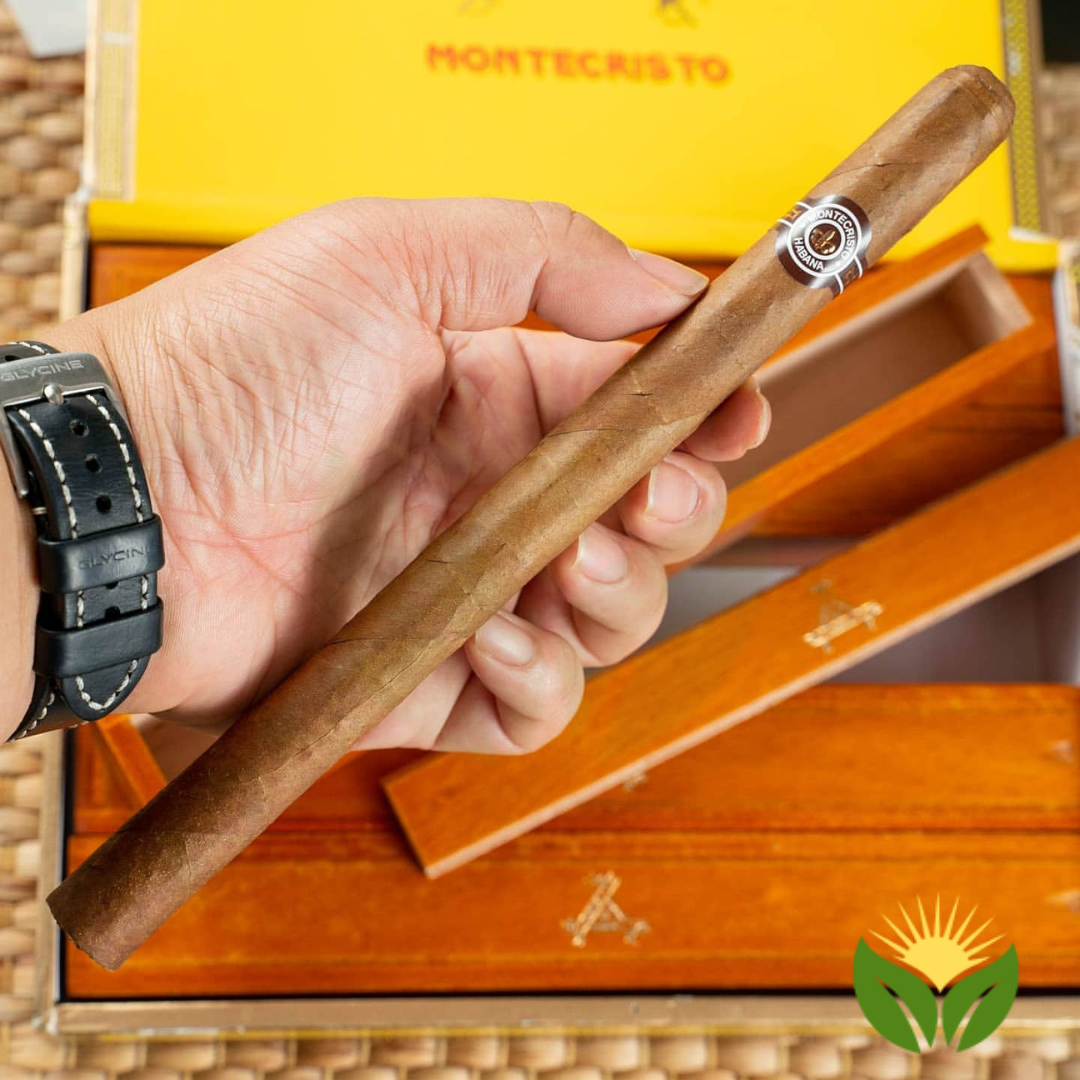
The mahogany cedar humidor creaked open in that dimly lit Havana shop, releasing an intoxicating bouquet of aged tobacco that made my pulse quicken. There, nestled in varnished individual slide lid boxes among other treasures, lay something extraordinary—nearly ten inches of perfectly rolled Cuban craftsmanship that would soon redefine my understanding of what a premium cigar could be.
The Montecristo A isn’t just another cigar; it’s a commitment. When I first laid eyes on this Gran Corona giant, I honestly wondered if I’d bitten off more than I could chew. But after two decades of exploring Cuban tobacco, I can tell you this particular vitola has earned its place among the most respected cigars in regular production.
Specifications
| Length | 235mm (9.25 inches) |
| Ring Gauge | 47 |
| Strength | Medium to Full |
| Smoking Time | 2+ hours |
| Origin | Cuba (Vuelta Abajo tobacco) |
Construction and Appearance
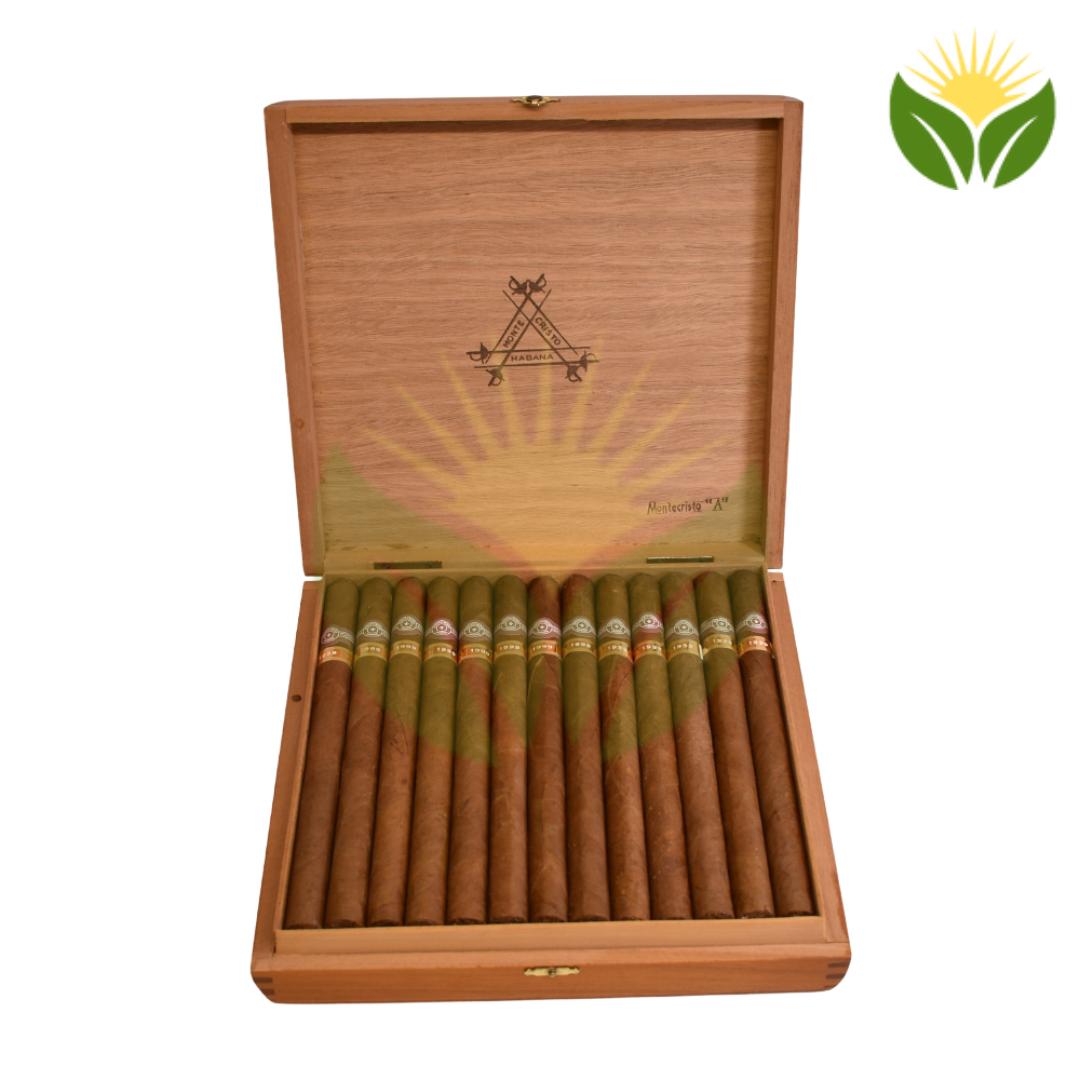
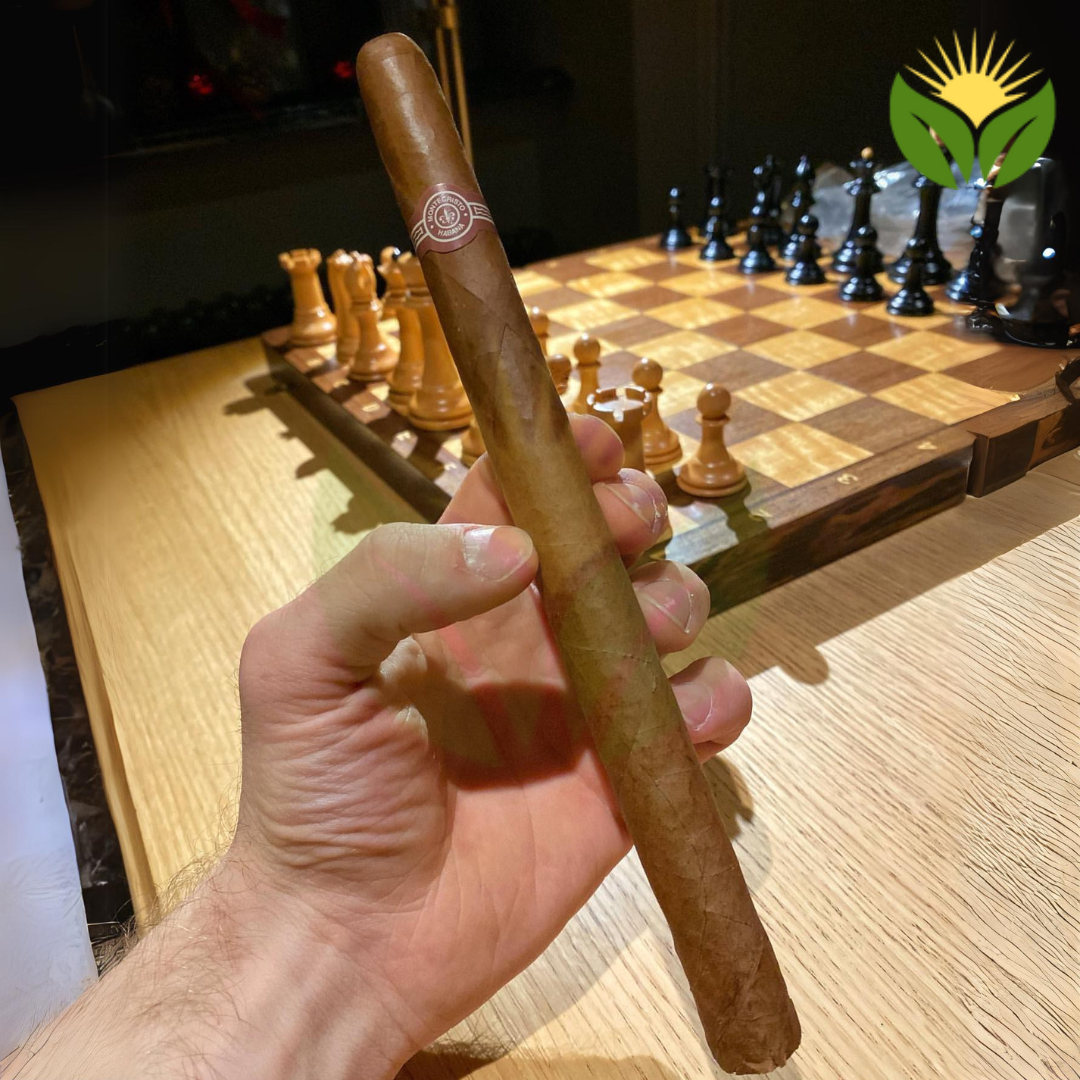
The wrapper on an authentic Montecristo A displays that signature Cuban sheen—a golden brown colorado claro that feels like silk between your fingers. I’ve examined dozens of these over the years, and the construction quality is consistently impressive. The long-filler Vuelta Abajo tobaccos are rolled with the precision you’d expect from master torcedores, creating a firm yet yielding feel that promises an even burn.
What strikes me most is the cigar’s impressive length. At nearly ten inches, it holds a Guinness record for length among production cigars. The band sits perfectly positioned, displaying the iconic Montecristo labeling with crisp, precise printing that immediately distinguishes authentic pieces from counterfeits flooding certain markets.
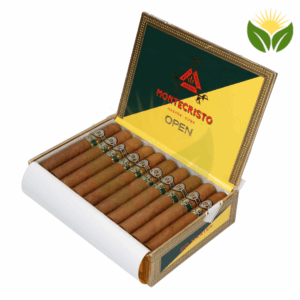
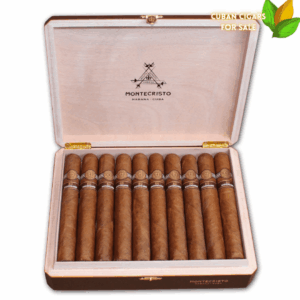
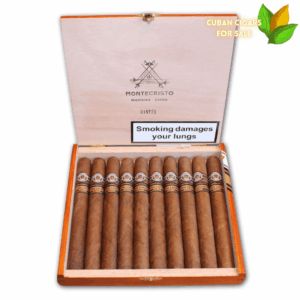
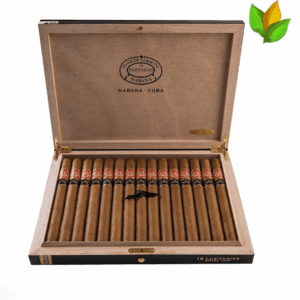
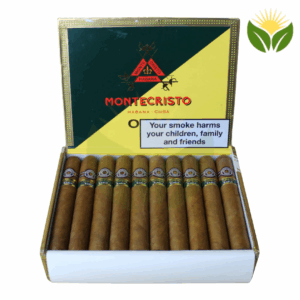
Each cigar comes from varnished wooden cabinets containing 25 pieces, and the presentation reflects the premium nature of this offering. When Montecristo cigars started their reputation for excellence, it was precisely this attention to detail that set the brand apart from competitors.
Flavor Profile: A Journey Through Three Acts
First Third: The Gentle Introduction
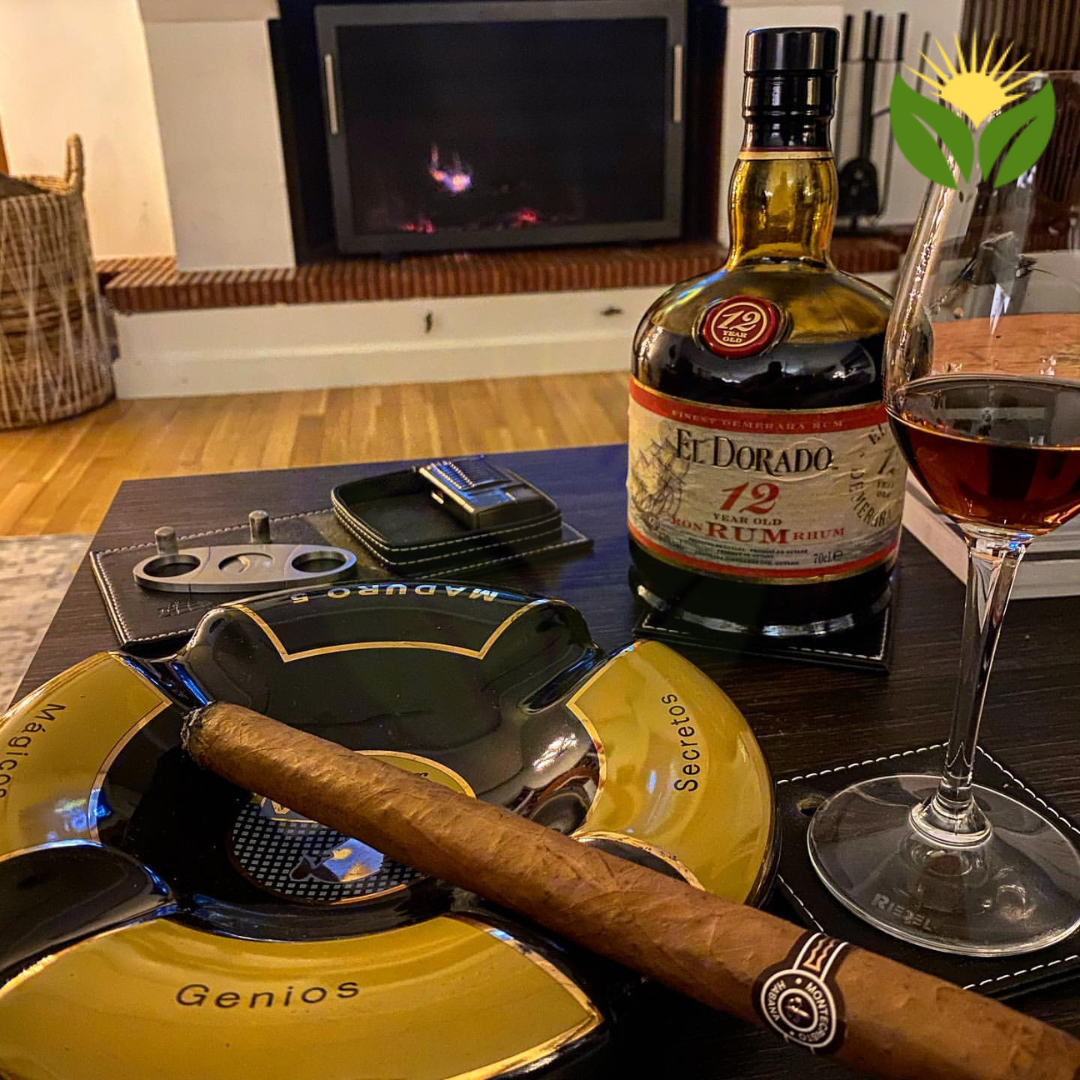
I’ll be honest—the opening third can be somewhat polarizing. Many connoisseurs, myself included, have noted that initial draws often present herbaceous, sometimes flat herbal notes. Don’t let this discourage you. The cigar is mild at this stage, almost contemplative, as if preparing your palate for what’s to come. It’s during these early minutes that I typically settle in with a good aged rum or robust coffee.
Middle Third: Where Magic Happens
This is where the Montecristo A truly comes alive. Cedar notes emerge first, followed by hints of spiciness that dance on the tongue. The flavourful profile develops complexity with nutty undertones—distinct almond and hazelnut flavors that blend seamlessly with vanilla, more pronounced cedar, and rich coffee notes. The smoke becomes silky, and you’ll understand why this vitola commands such respect among serious aficionados.
Final Third: The Bold Conclusion
The final act brings intensity. Peppery notes dominate, and the cigar becomes noticeably more aggressive. Some find this stage hot and dry, but I’ve learned to appreciate the sharp contrast it provides to the mellower middle section. The draw remains surprisingly sharp despite the cigar’s substantial size, and the finish lingers long after you’ve set it down.
Perfect Pairings
Given the Montecristo A’s complex evolution, drink selection becomes crucial. For the opening third, I recommend a smooth aged rum—something like a 15-year Zacapa or Diplomático Reserva Exclusiva that won’t compete with the subtle herbal notes.
When those cedar and nutty flavors emerge in the middle section, switch to a single malt Scotch. A Highland whisky like Glenfiddich 18 or Macallan 12 complements the vanilla and coffee notes beautifully. The silky smoke pairs exceptionally well with the whisky’s smoothness.
For the peppery final third, consider a robust espresso or even a peated Islay Scotch if you’re feeling adventurous. The intensity of the pairing matches the cigar’s bold conclusion perfectly.
Who Should Smoke the Montecristo A
This isn’t a beginner’s cigar, plain and simple. The 2+ hour commitment alone requires dedication, but more importantly, the complex flavor transitions demand an experienced palate to fully appreciate. I recommend this vitola for seasoned smokers who have time for a proper session—perhaps during a long weekend afternoon or special celebration.
The original price point reflects its premium status, making it perfect for milestone occasions or when you want to share something truly special with fellow aficionados. It’s not an everyday smoke, but rather a cigar that marks important moments.
Cutting and Lighting Technique
With a 47 ring gauge, a straight cut works perfectly—aim to remove about 1/8 inch from the cap. I prefer using a sharp guillotine cutter to ensure a clean cut that won’t unravel during the long smoke.
Lighting requires patience. Use cedar spills or butane torch, avoiding sulfur matches that can affect the delicate opening flavors. Toast the foot evenly, rotating slowly until you achieve an even cherry. Take your first few draws gently—rushing will heat up the tobacco and mask those subtle herbal notes in the first third.
Remember, this cigar will evolve significantly over two hours. Don’t judge it based on the first few puffs. Mastering the smoking technique becomes essential with a vitola of this complexity and duration.
Storage and Aging
Proper storage is critical for maintaining the Montecristo A’s quality. I keep mine at exactly 70% humidity and 21°C (70°F) in my main humidor. These long-filler Vuelta Abajo tobaccos are particularly sensitive to humidity fluctuations—too dry and they’ll burn hot and harsh, too humid and you risk mold issues.
The aging potential is remarkable. I’ve smoked examples with five years of additional aging that showed incredible refinement, particularly in that initially herbaceous first third. The cedar notes become more pronounced, and the overall balance improves significantly.
When storing, ensure adequate air circulation around each cigar. The varnished individual slide lid boxes they come in are beautiful for presentation but transfer them to your humidor for long-term storage. Proper preservation techniques will ensure these expensive cigars maintain their peak condition.
For detailed humidor setup guidance, I recommend checking Cigar Aficionado’s comprehensive humidor guide.
Authenticity: Spotting the Real Deal
Counterfeiting is unfortunately common with premium Cuban cigars, and the Montecristo A’s high current price makes it a frequent target. Authentic examples feature precise Habanos S.A. bands with sharp, clear printing. The Montecristo logo should be perfectly aligned, and the band edges should be clean-cut.
Construction tells the real story. Genuine examples display flawless rolling—the wrapper should be smooth with minimal veins, and the cap should be applied with expert precision. The tobacco inside should be long-filler exclusively, visible when examining the foot.
Purchase from reputable dealers only. I’ve been shopping with established merchants for years, and the difference in quality assurance is dramatic. Always verify holograms, check serial numbers on box codes, and be suspicious of dramatically discounted prices.
The authentic packaging includes those varnished cabinets with specific box codes. If someone’s selling individual cigars at suspiciously low prices, that’s usually a red flag. Established retailers with long track records typically offer the best authenticity guarantees.
Frequently Asked Questions
How much does a Montecristo A typically cost?
The price varies significantly based on location and retailer, but expect to invest substantially for authentic Cuban examples. The original price from authorized dealers reflects the premium tobacco quality and extensive aging process. Current price trends show steady appreciation, making them as much an investment as an indulgence.
How does the Montecristo A compare to other cigars in the series?
The A vitola is unique within the Montecristo series due to its exceptional length and the resulting flavor evolution. While other vitolas in the line offer excellent smoking experiences, none provide the extended journey and dramatic transitions found in this Gran Corona format. It’s quite different from options like the Montecristo White series, offering more complexity and strength.
Can beginners smoke a Montecristo A?
I wouldn’t recommend it for newcomers. The 2+ hour commitment, medium-to-full strength, and complex flavor transitions require experience to fully appreciate. New smokers should develop their palate with shorter, milder options before attempting this challenging but rewarding vitola.
What’s the best time of day to smoke a Montecristo A?
Given the lengthy smoking time and evolving strength profile, I prefer afternoon or early evening sessions when I can dedicate proper attention. Weekend afternoons work perfectly—you’ll need uninterrupted time to experience the full flavor journey from those initial herbal notes through the peppery finale.
How should I store partially smoked Montecristo A cigars?
Honestly, with a cigar of this quality and price, I recommend finishing it in one session rather than attempting to relight later. The flavor profile changes so dramatically that relighting rarely captures the intended experience. Plan for the full commitment when you light one up.
The Vuelta Abajo region’s unique terroir contributes significantly to this cigar’s exceptional character, and understanding the complete production process helps appreciate why the Montecristo A commands such respect among serious collectors and enthusiasts worldwide.