Description
The afternoon sun was slicing through the humidor glass when I first picked up this particular robusto, feeling its 11.66 grams settle into my palm with that familiar density that promises something worthwhile. The brown-red Corojo wrapper caught the light just right, showing those thin veins that speak to proper aging. I didn’t need to check the label—the cedar and earth aromas already had me reaching for my cutter.
That was three years ago, and I’ve returned to the Juan Lopez Seleccion No. 2 more times than I care to count. There’s something about this medium-strength Cuban that keeps drawing me back, despite its reputation for being a bit unpredictable. Maybe it’s because when it’s good, it’s really good.
The Flavor Journey: A Tale of Three Acts
The first third hits you like a friendly slap—intense white pepper that makes you pause, then smile. I’ve found that initial kick always mellows within the first few draws, settling into this beautiful earthy foundation. The pepper gives way to peat and grass, with this nutty quality on the retrohale that I absolutely love.
There’s usually a salt tang lurking beneath everything else. Bitter chocolate appears next, followed by cream and leather notes that round out the opening act. Sometimes I catch hints of almond and toast, especially if the cigar’s been properly humidified. The wood notes—musky cedar mostly—provide the backbone for everything else.
The middle third is where this cigar truly shines, transforming into something completely different. The harsh edges smooth out, replaced by an unusual blend of flavors that’s genuinely complex. Pineapple shows up—yes, actual pineapple—along with other fruit notes that shouldn’t work but absolutely do.
Sweet citrus joins the party, complemented by warm wood and baking spices. The Cuban coffee notes emerge here too, creating this “Cigarpresso” effect that reviews often mention. It’s sweeter than you’d expect from the opening, with floral undertones that add surprising subtlety to the mix.
The final third brings you back to earth—literally. Deep, roasted earth dominates, with lingering woody cedar and those persistent coffee notes. The citrus hangs around, providing just enough brightness to keep things interesting. When the construction holds up, this section can be absolutely stellar. When it doesn’t… well, we’ll get to that.
Construction and Appearance
Honestly, this is where things get complicated with the lopez seleccion line. On a good day, you’ll get a beautifully constructed robusto with that smooth Corojo wrapper showing minimal veins. The wrapper should feel thin and slightly wrinkly—that’s actually a good sign, as it shows the binder underneath.
The feel should be spongy without any hard spots. The triple cap is expertly applied when it comes from the factory properly, and the prelight aromas of cedar and earth should be strong and inviting. These come from the renowned Vuelta Abajo region, using tobaccos that represent some of Cuba’s finest.
But here’s the thing—construction inconsistencies plague this particular vitola. I’ve encountered loose draws, burn issues, and bunching problems more often than I’d like. It’s not every cigar, but it happens enough that you need to go in with realistic expectations. When you get a well-constructed one though, it’s among the most aesthetically pleasing Cuban cigars you’ll find.
Technical Specifications
| Length | 124mm (4⅞ inches) |
| Ring Gauge | 50 |
| Vitola | Robusto |
| Weight | 11.66g |
| Strength | Medium |
| Smoking Time | 60-90 minutes |
| Wrapper | Corojo |
Who Should Smoke This Cigar
The medium strength makes this accessible to beginners, but the complex flavor profile will satisfy experienced smokers too. I’d recommend it to anyone who enjoys the earthier side of Cuban tobacco but wants something with more nuance than your typical Cohiba or Montecristo offering.
It’s perfect for afternoon smoking—not too heavy for daytime, but substantial enough to feel satisfying. The relatively short smoking time for its size makes it ideal when you want a quality Cuban experience but don’t have two hours to spare.
However, I’d steer beginners toward something with more consistent construction first. The occasional draw or burn issues can be frustrating if you’re still learning proper smoking technique. For experienced aficionados who don’t mind the gamble, this cigar offers rewards that justify the risk.
Perfect Pairings
Coffee is the obvious choice here, and for good reason. The dominant coffee, cocoa, and chocolate notes create that “Cigarpresso” effect I mentioned earlier. A good Cuban espresso or dark roast pairs beautifully with the middle third especially.
For spirits, I’ve had excellent luck with aged rum—specifically something like Havana Club 15 Year or Ron Zacapa 23. The sweetness complements those fruit notes in the middle third, while the complexity matches the cigar’s evolving profile.
A peated Scotch works surprisingly well too, echoing those peat notes in the opening third. Lagavulin 16 or Ardbeg 10 both complement rather than compete with the cigar’s earthiness.
Wine drinkers should look toward full-bodied reds—a good Rioja or Barolo has enough tannins and complexity to stand up to the cigar without overwhelming it.
Storage and Aging
Keep these at 65-72% relative humidity and 65-70°F. Standard Cuban storage parameters, nothing unusual here. What’s interesting is how well these age—10 to 15 years really enhances those woody cedar, coffee, and sweet citrus notes.
I’ve got a few boxes from 2011 that are absolutely singing now. The harsh edges from the first third have mellowed considerably, and the overall flavor integration is remarkable. If you’ve got the patience, proper long-term storage really pays dividends with this particular cigar.
Young ones can be a bit aggressive, so if you’re buying fresh, consider letting them rest for at least six months before smoking. The difference is noticeable.
Cutting and Lighting
That triple cap deserves respect—use a sharp cutter and take just enough to open the draw. I prefer a straight cut about 2mm from the head. The wrapper can be delicate, so avoid guillotine cutters that might crack the leaf.
For lighting, take your time. The foot can be a bit dense, so ensure even ignition across the entire surface. I use a butane torch, keeping it moving to avoid hot spots that could contribute to burn issues later.
Draw slowly at first—these can run hot if you’re aggressive, which brings out harsh flavors and can cause construction problems. Proper smoking technique is especially important with this particular vitola.
Authenticity and What to Look For
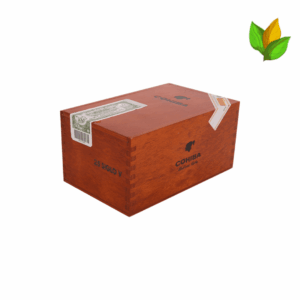
The Juan López brand updated its labels in 2005, so anything with older labeling should be scrutinized carefully. Look for the new band design and proper box codes—something like “SEP 2011” stamped on the box bottom.
Authentic cigars come in cabinets of 25 or 50. The wrapper should be that smooth brown-red Corojo with minimal soft veins. Fakes often have construction issues that are even worse than the legitimate inconsistencies, so if the draw is extremely loose or the bunch feels lumpy, be suspicious.
Verify Habanos holograms and serial numbers when possible. The prelight aroma should be distinctly cedar and earth—weak or off aromas are red flags. Buy from authorized dealers whenever possible to avoid the extensive Cuban counterfeit market.
The Vuelta Abajo tobacco origin should be clearly marked. This region is crucial to authentic Cuban tobacco character, and legitimate cigars will proudly display this designation.
Frequently Asked Questions
How does the Juan Lopez Seleccion No. 2 compare to other medium-strength Cubans?
It’s more complex and unpredictable than most Montecristo offerings, but less consistent than comparable Cohiba cigars. The flavor profile is unique—those fruit notes in the middle third set it apart from typical Cuban earthiness. It’s worth trying if you enjoy cigars that surprise you, but stick with more reliable brands if consistency is your priority.
Why do some reviews mention construction problems?
This particular vitola has a reputation for inconsistent rolling. You might encounter loose draws, uneven burns, or bunching issues. It’s not every cigar, but it happens often enough to be noteworthy. The tobacco quality is excellent when construction cooperates, which makes the inconsistencies more frustrating.
Is this a good cigar for beginners?
The medium strength makes it accessible, but I’d recommend starting with something more reliable. Construction issues can be discouraging for new smokers who might blame their technique rather than the cigar. Try a few more consistent Cuban brands first, then come back to this one once you’ve developed your palate and smoking skills.
How long should I age these before smoking?
Fresh ones can be harsh in the first third, so at least six months of proper humidor time helps considerably. Ten to fifteen years is when they really hit their stride—the woody cedar, coffee, and citrus notes become beautifully integrated. If you’re buying a box, smoke one fresh and save the rest for later comparison.
What’s the best time of day to smoke this cigar?
Afternoon is ideal—it’s too complex for morning but not heavy enough to overpower your evening. The 60-90 minute smoking time makes it perfect when you want a substantial Cuban experience but don’t have hours to dedicate. The coffee notes make it particularly appealing as an after-lunch smoke with espresso.