
“H Upmann Magnum 50s” has been added to your cart. View cart
View wishlist“H. Upmann Sir Winston” has been added to your wishlist
10Products Found
A Banker’s Blend Legacy
The tale of Cuban cigars would be incomplete without recognizing the profound mark made by a German banker who saw more than leaves in the Pinar del Río tobacco fields. Strings of lights trailed from rooftop to tabletops before resembling the still Havana sky in 1860, thick with the scent of opportunity and fermenting leaf. The German expat Hermann Dietrich Upmann, who had landed the year before to serve as a representative of a European bank, quickly learned that the best currency in the Caribbean was not gold — but hand-rolled treasure from local torcedores.
What initially started off as a refined but modest gift for his banking clients soon grew into an obsession of perfection that would revolutionize the industry’s conventions in terms of packaging and design.
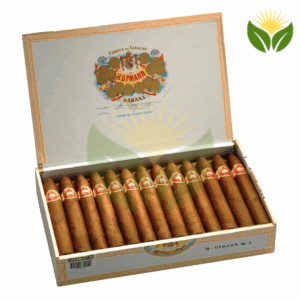
To know H. Upmann is to understand that this brand is a union of European precision and Cuban soul. So the story goes that Upmann was also one of the very first to incorporate boxes crafted out of cedar as a primary storage solution, as it turned out that the mahogany like wood didn’t just create a protective layer around its contents, but actually harmonized with tobacco to amplify Spanish Cedar benefits related to aging potential.
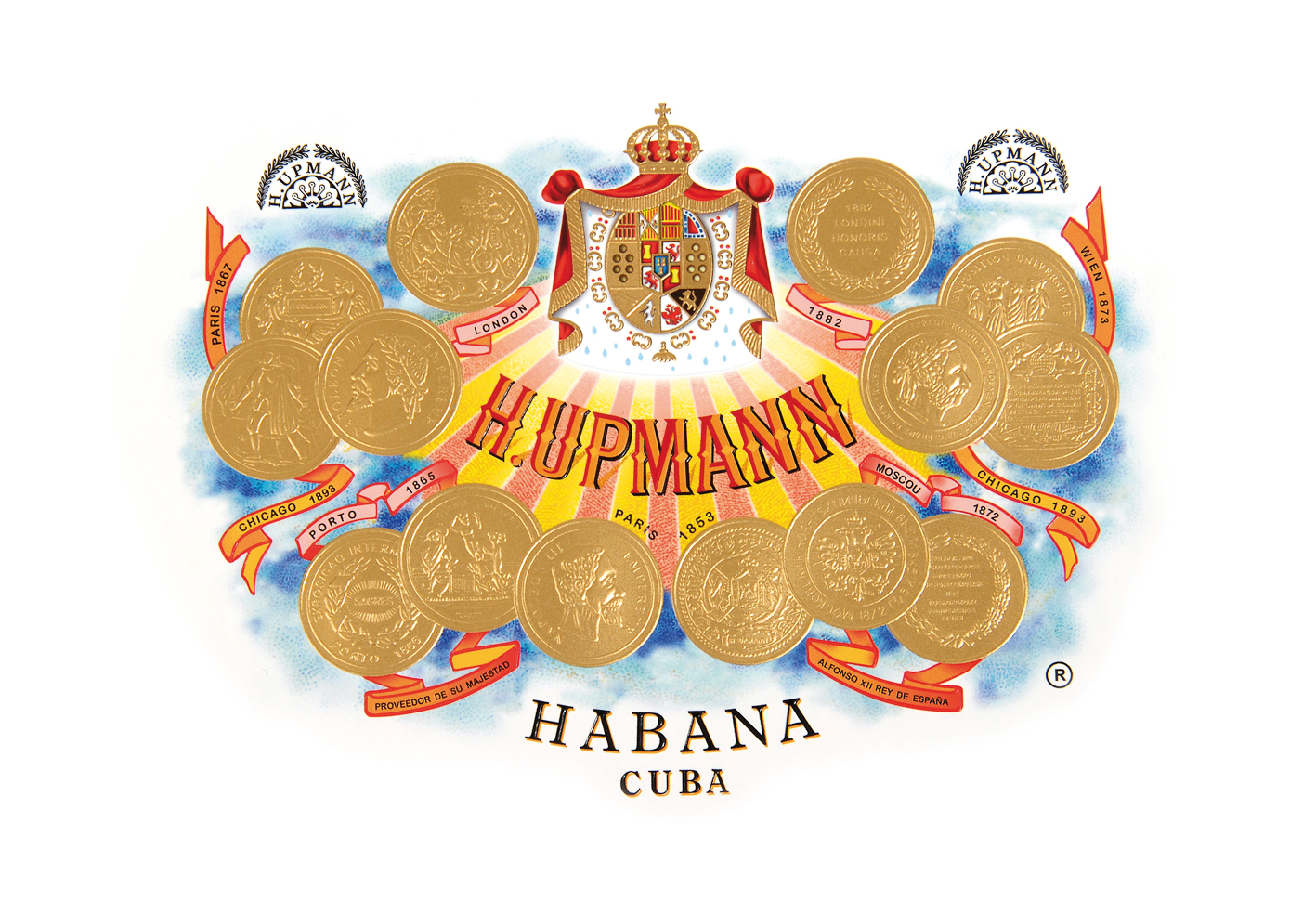
This perfectionist approach turned the brand from a hobby of a boutique banker into an internationally recognized quality benchmark, resulting in no less than seven gold medals during international exhibitions held between 1862 and 1893—medals that still decorate every box up to this very day!
A Dynasty Built of Gold and Cedar
The official pilgrimage can be dated back to 1844, when Hermann Upmann acquired an 85 San Miguel Street factory. He had a very specific vision in mind, he said: “We wanted to build a profile that whispers rather than shouts — favoring elegance over raw strength.” The label survived the choppy seas of the late 19th and early 20th centuries, relocating its production to grander digs on the Paseo de Tacon by 1900.
Though the Upmann banking empire was bankrupted in 1922, the company’s name was so strong that it remained stable despite changing ownerships including a long and significant era under Menéndez, García y Cía—the same legendary men who made Montecristo what it became.
After the Cuban Revolution and subsequent nationalization of the industry in 1961, production became centralized at the José Martí Factory in Havana. Despite successive shifts in management and political winds, it retained its identity as the “jewel” of the Habanos portfolio. It’s a testament to the lasting nature of Hermann’s original design: a cigar that stands at the intersection of the old world of European aristocracy and the robust, untamed terroir of the Cuban valley.
The Alchemy of Vuelta Abajo
The essence of the soul of H. Upmann is cultivated in the length and breadth of the Vuelta Abajo. This particular microclimate in the Pinar del Río province offers the mineral richness and humidity to cultivate the world’s most desired tobacco. Using only a special blend of Criollo and Corojo leaves, the brand is big on wrappers that are extremely smooth, thin in feel and oily. Treated as gently as a fine silk these leaves are hand-bunched to ensure that construction, from cap to foot is spot on.
The mix delivers a light-to-medium-body smoke and uses a complex ratio of seco and ligero leaves. Unlike those brands which try to blast your taste buds into oblivion with high priming power, this blend ages enough that the harsh edges have time to smooth out. The result is a smoke that tastes “clean” on the palate, for nothing from the chemical makeup of this dark leaf takes away from the subtleties of the Vuelta Abajo soil—the allusions to damp earth, floral sweetness and gently-warming spice.
The Architecture of the Vitola
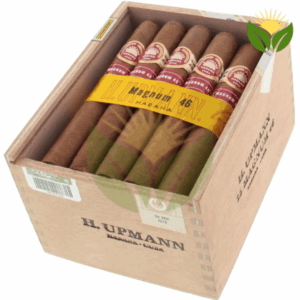
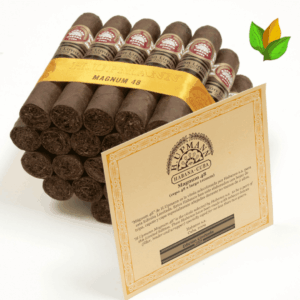
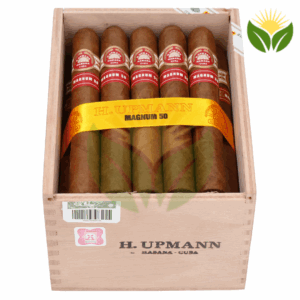
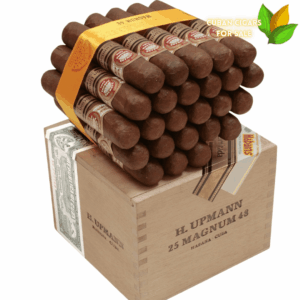
Centered around a handful of vitolas that have become staples in any serious humidor, the portfolio Continues to capture new smokers every day based on its intricate taste profile. The Magnum line – especially the (bigger) Magnum 46 and mighty-sized Magnum 50 – presents a modern standard for the brand, resulting in a cooler smoke and big ring gauge that allow the rich filler’s blend to be more open.
For the folks who like it short and spicy, the Half Corona is a cult favorite – giving you all the flavors, just packed into 20-minute smokes.
As much as a Serie D No. 4’s bravura spice or Siglo VI’s dense cream may grab the attention of those attuned to modern power, the Sir Winston remains the brand’s real masterpiece. This Churchill- A purring machine of complexity that moves from cedar to roasted nuts and subtle honey over his 90 minutes. It is a cigar that requires time and respect, not unlike the brand’s eponymous founder. The range is further extended by special editions, and the Connossieur series offers experienced aficionadas an opportunity to taste the "A" as well as the "B" variant from the traditional profile.
A Symphony of Subtlety
The taste of H. Upmann can be best described as a trip through the sun-drenched cedar forest. On light up, the first few puffs will introduce you to a toasted bread or shortbread sweetness closely followed by the brand’s trademark characteristics of roasted coffee and leather. Deceptively strong, it does have light beginnings but builds to a rich, velvet texture that blankets the tongue with heat without the aggressive spice of more robust Cuban marques.
In the second and last third, the profile often presents nutty complexity—notes of toasted almonds or hazelnuts—that is offset by an underlying hint of herbal flavor. The result is a distinct profile that allows these cigars to be paired with just about anything. They play well with a light Highland single malt, a vintage champagne or a refined café con leche. It’s a smoke intended for contemplation instead of distraction, and perfect company whether your friends appreciate nuance over novelty, whether the occasion is working or relaxation.
At the heart of this house steeped in history’s appeal is its determination not to be swayed by passing fads and stick to that medium-like elegance which so seduced bankers in 1840s. For the connoisseur, lighting one of these cigars is no mere consumption act; it’s a door into an unbroken line of craft passed down through wars, economic collapses and nearly two centuries. There’s nothing like exploring this sample to remember what the neatly packaged, balanced authority of a Cuban cigar is all about.