
Description
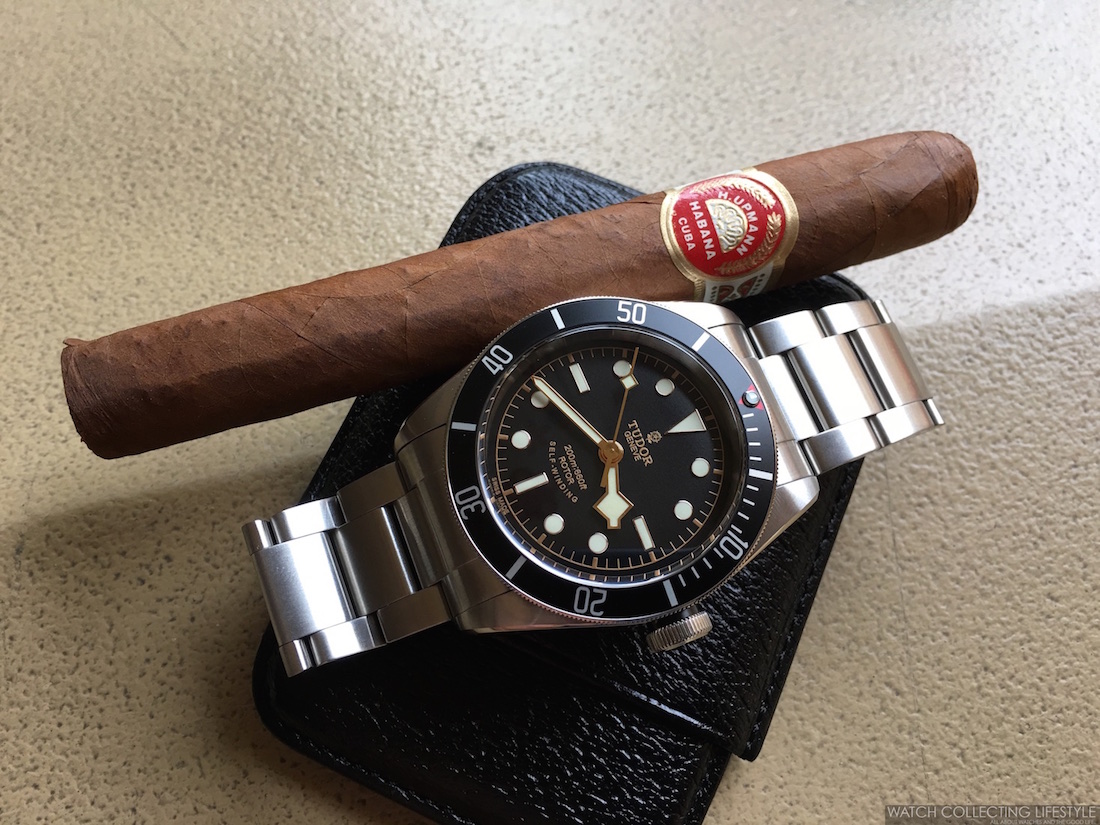
The terrace overlooked the harbor as the last rays of golden light danced across the water, casting long shadows between the weathered stone columns. I’d been looking forward to this moment all week – finally having time to properly savor something special while the evening breeze carried the salt air inland. The H Upmann Petit Corona rested between my fingers, its milk chocolate wrapper catching the fading sunlight with an almost rustic elegance that immediately told me this wasn’t going to be an ordinary smoke.
There’s something deeply satisfying about a cigar that doesn’t demand hours of your time but still delivers the full complexity you’d expect from Cuban craftsmanship. In my experience, finding that sweet spot between a quick smoke and a truly memorable experience is harder than most people realize. This particular petit corona has become my go-to when I want all the sophistication of a longer vitola compressed into a perfect 30-45 minute session.
Construction and Appearance
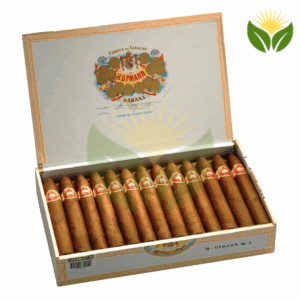
The wrapper on this Cuban beauty immediately catches your attention with its smooth milk chocolate brown hue. I’ve noticed that some examples come slightly box-pressed, which gives them these appealing rounded edges that feel substantial in your hand despite the 42 ring gauge. The construction is unmistakably Cuban – there’s a certain rustic quality to the wrapper that shows natural veins and character without looking sloppy.
At 8.46 grams, it has just the right heft for a petit corona. The roll feels firm and consistent from head to foot, with no soft spots or irregularities that would concern me. When I bring it to my nose, that classic Cuban barnyard aroma mixed with cedar hits immediately – it’s like opening a humidor that’s been properly aged for years. The craftsmanship shows in every detail, from the perfectly applied cap to the way the wrapper leaf is seamlessly joined.
What I particularly appreciate is how the tobacco feels neither over-humidified nor dry. There’s a slight give when you gently squeeze it, but it springs back with the kind of resilience that tells you the Vuelta Abajo tobacco inside has been properly fermented and aged.
Flavor Profile Journey
First Third: Subtle Sophistication
The opening draws are remarkably smooth, delivering exactly what I’d expect from a light-to-medium bodied Cuban cigar. There’s a subtle spiciness that doesn’t overwhelm – more like a gentle wake-up call to your palate. The cedar notes are prominent but refined, backed by an earthy undertone that speaks to the quality of the Vuelta Abajo soil where these tobaccos originated.
I’ve found the barnyard aroma continues into the taste, though it’s much more refined on the palate than on the nose. There’s a creamy, mellow quality that emerges after the first few puffs, with toasted almond notes that add a lovely nuttiness. The smoke is cool and comfortable, never harsh or overpowering – perfect for someone who wants complexity without aggression.
Middle Third: The Sweet Transition
This is where the H Upmann Petit Corona really starts to show its character. The caramel notes that were just hinting in the first third now become much more pronounced, creating this beautiful sweetness that balances perfectly with the continuing cedar and earth. I’ve noticed that toasted nuts become more prominent here, along with coffee notes that aren’t bitter but rather smooth and complementary.
The cream element intensifies, and there’s this distinctive corojo tobacco taste that Cuban aficionados will immediately recognize. What impresses me most is how leather undertones start emerging alongside subtle floral notes – it’s like the cigar is revealing layers of complexity as it progresses. The burn remains even, and the draw stays perfect throughout this section.
Final Third: Rich Crescendo
The final third is where this petit corona really delivers its payload. The caramel notes become rich and luxurious, while the coffee and cream combination intensifies into something that reminds me of a perfectly crafted café con leche. There’s a cocoa quality that emerges, adding depth without any bitterness.
I’ve tasted shortbread notes in this section, along with hints of licorice and a gentle pepper that adds just enough spice to keep things interesting. The toast-like qualities become more pronounced, and there’s an overall savory character that makes you want to slow down and savor every puff. Even as you approach the final inch, there’s no harshness or heat – just concentrated flavor that maintains the cigar’s elegant character right to the end.
Specifications
| Length | 129mm (5⅛ inches) |
| Ring Gauge | 42 |
| Strength | Light to Medium |
| Smoking Time | 30-45 minutes |
| Weight | 8.46 grams |
| Origin | Cuba (Vuelta Abajo) |
Perfect Pairings
Given the coffee, cream, and cocoa notes that develop throughout this smoke, I’ve found some absolutely perfect beverage companions. A well-aged Havana Club 7 or Diplomático Reserva Exclusiva rum complements the caramel and cream flavors beautifully without overpowering the cigar’s subtle complexity.
For whiskey lovers, I’d recommend a smooth Highland single malt like Glenlivet 12 or Macallan 12. The honey and vanilla notes in these whiskies play perfectly with the toasted almond and shortbread flavors. If you’re a bourbon person, something like Maker’s Mark or Woodford Reserve provides enough sweetness to match the cigar’s caramel notes without competing with its cedar backbone.
Coffee pairings are natural winners here. A Cuban cortadito or café con leche mirrors the cream and coffee flavors in the smoke itself. For wine enthusiasts, I’ve had excellent results with a vintage port – the sweetness and complexity create an almost decadent combination. Even a good cognac like Hennessy VS or Rémy Martin VSOP works wonderfully, especially during the final third when the cocoa notes are most prominent.
Cutting and Lighting Technique
With the 42 ring gauge, I prefer using a straight cut about 2mm from the cap. The smaller diameter means you don’t need a huge opening – in fact, cutting too much can make the draw too loose and affect the flavor concentration. A sharp guillotine cutter or quality cigar scissors work best here.
For lighting, I always use a butane torch lighter or cedar spills. The key is patience – don’t rush this process. Toast the foot evenly while rotating the cigar, then take your first gentle draws while continuing to apply flame only as needed. The wrapper is delicate enough that too aggressive heating can cause cracking or uneven burning.
I’ve learned that proper smoking technique makes all the difference with Cuban cigars. Take draws every 30-60 seconds to maintain an even burn and prevent overheating. This petit corona rewards patience with consistent flavor delivery throughout its length.
Who Should Smoke This Cigar
This is honestly one of the best cigars I’d recommend for someone stepping up from mild Connecticut-wrapped cigars to Cuban tobacco. The light-to-medium strength means it won’t overwhelm newcomers, but there’s enough complexity to keep experienced smokers thoroughly engaged. It’s sophisticated without being intimidating.
For the busy professional who wants a quality smoke during a lunch break or short evening session, this petit corona is ideal. You get the full Cuban experience without the time commitment of a robusto or churchill. I’ve also found it perfect for cigar aficionados who want something elegant for special occasions but don’t want to disappear for two hours.
If you’re someone who appreciates nuanced flavors over raw power, this fits perfectly. The complexity develops beautifully, but it never becomes harsh or overwhelming. It’s equally at home at a business meeting as it is during a quiet moment on your own terrace.
Authenticity and Quality Verification
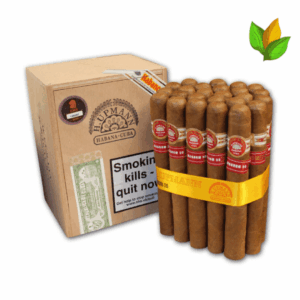
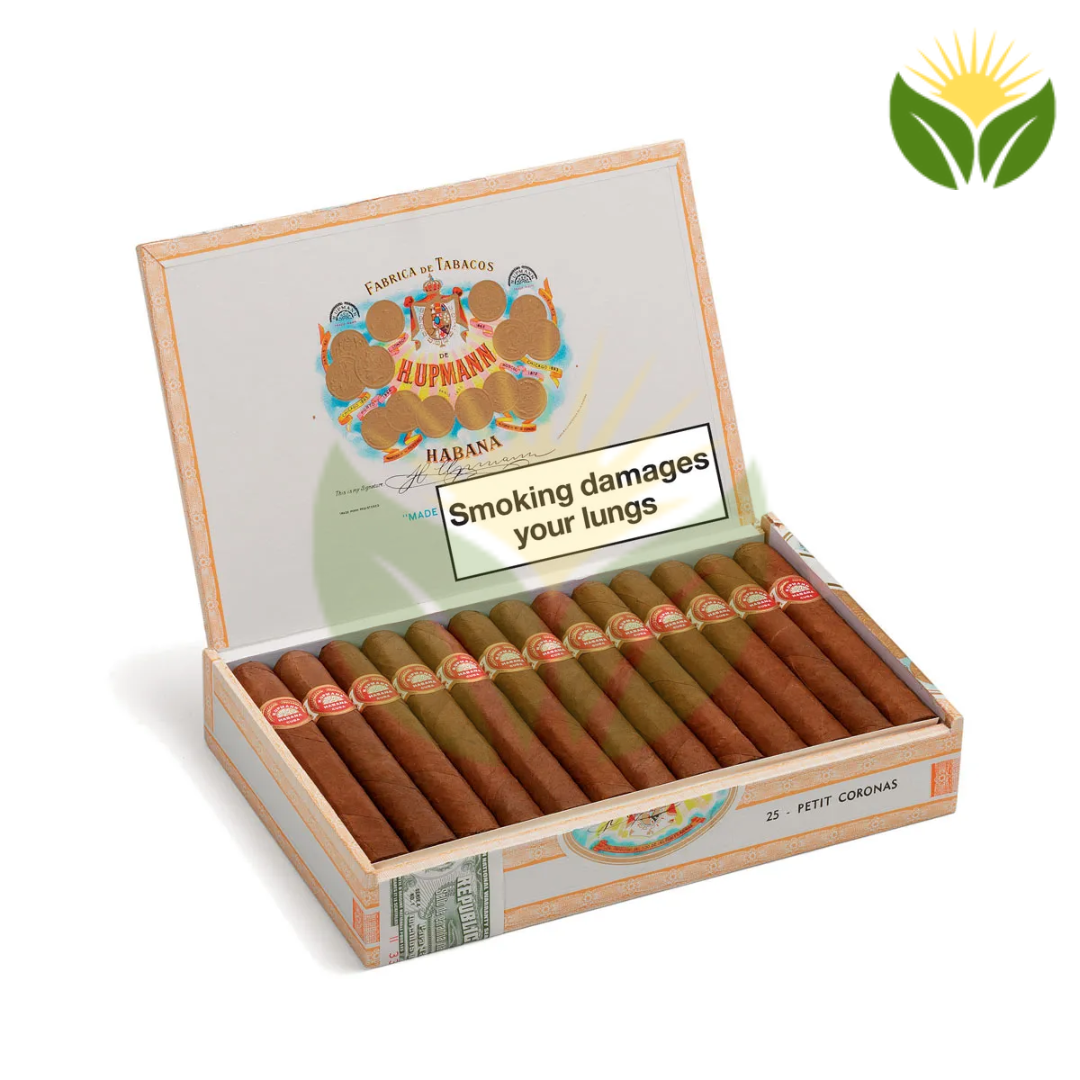
Given the popularity of H. Upmann cigars, counterfeits are unfortunately common. Authentic examples will have the classic H. Upmann bands with consistent typography and colors – look for the standard A, B, or C band variations. The box codes are crucial; legitimate examples show proper Cuban factory codes like “ROA AGO 06” embossed on the box bottom.
The packaging should be either dress boxes or slide-lid boxes containing 10 or 25 cigars. The construction quality I mentioned earlier – that firm, consistent feel and perfect draw – is something counterfeiters rarely replicate successfully. If the wrapper looks too perfect or too rough, or if the weight feels significantly different from 8.46 grams, be suspicious.
The aroma test is often the giveaway. Authentic Cuban tobacco has that distinctive barnyard and cedar smell that’s immediately recognizable. Fakes often smell stale, overly sweet, or just “off” in ways that are hard to describe but obvious when you encounter them. Always purchase from authorized dealers who can verify authenticity and provide proper documentation.
Storage and Aging
Like all Cuban cigars, proper storage is critical for maintaining quality. I keep mine at exactly 70% relative humidity and 70°F (21°C) in my humidor. The wrapper on these petit coronas is particularly sensitive to humidity fluctuations – too dry and it becomes brittle, too moist and you risk burn problems.
What’s interesting about this vitola is how well it ages. I’ve smoked examples with several years of additional aging, and the spice notes become more pronounced while the overall profile develops greater depth. The caramel and cream flavors become more integrated, creating an even smoother smoking experience.
For optimal cigar preservation, I recommend storing them in Spanish cedar-lined humidors with quality humidification systems. Boveda packs work excellently for maintaining consistent humidity. If you’re planning to age them, the original boxes provide ideal conditions, but make sure your entire storage environment is properly maintained.
The proper humidor setup makes a dramatic difference in how these cigars develop over time. I’ve found that examples stored for 2-3 years beyond their box date show remarkable improvement in complexity and smoothness.
Frequently Asked Questions
How does this compare to other petit coronas?
In my experience, the H Upmann Petit Corona offers more complexity than most other cigars in this size category. The flavor development throughout the smoke is more pronounced than many competitors, and the construction quality is consistently excellent. While some petit coronas can taste one-dimensional, this one delivers genuine depth that evolves from start to finish.
Is this suitable for beginners to Cuban cigars?
Absolutely. The light-to-medium strength makes it approachable for newer smokers, while the complexity provides a genuine introduction to what makes Cuban tobacco special. The 30-45 minute smoking time also means beginners won’t get overwhelmed by nicotine during a longer session. I’ve recommended this to many people as their first Cuban cigar, and the feedback is consistently positive.
What’s the typical price range for authentic examples?
Prices vary significantly based on age and source, but expect to pay premium pricing for authentic Cuban cigars. The investment is worth it for the quality and craftsmanship involved. Always factor in the plantation to perfection process that goes into creating these cigars – the price reflects years of cultivation, fermentation, and aging.
How long can these be stored before smoking?
With proper storage conditions, these cigars can be kept indefinitely. In fact, additional aging often improves them. I’ve smoked examples that were 5+ years beyond their box date, and they were exceptional. The key is maintaining consistent humidity and temperature in your humidors throughout the storage period.
What makes the Vuelta Abajo tobacco special?
The Vuelta Abajo region of Cuba has unique soil and climate conditions that produce tobacco with distinctive characteristics. The combination of red clay soil, specific humidity levels, and traditional cultivation methods creates tobacco with complexity and flavor profiles that simply can’t be replicated elsewhere. This is why Cuban cigars, particularly those using Vuelta Abajo tobacco, maintain their premium reputation among serious aficionados.