
Description
The Torpedo That Changed My Mind About H. Upmann
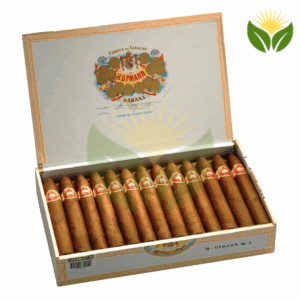
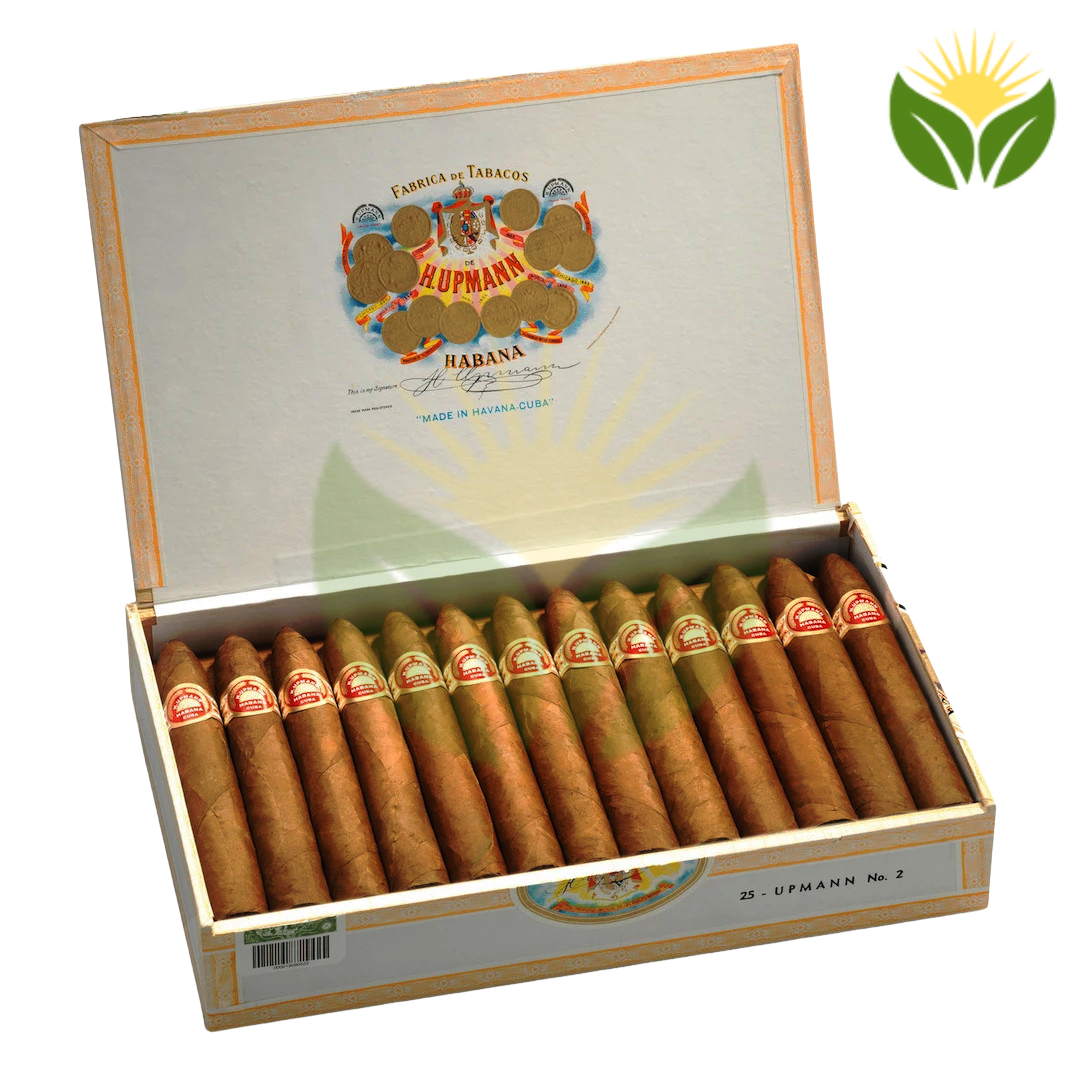
I’ll be honest: I slept on H. Upmann for years. Thought they were too mild, too boring compared to the Cohibas and Montecristos everyone raves about. Then someone handed me a No. 2 at a wedding in Miami – must’ve been 2007, maybe 2008 – and I realized I’d been an idiot. This torpedo punched way above what I expected from the Upmann name, and it’s been a regular in my humidor ever since. If you’ve written off H. Upmann as “grandpa cigars,” this is the one that’ll make you reconsider. We’re talking about a perfectly balanced Cuban pyramid that delivers complexity without beating you over the head with strength.
What Makes the No. 2 Stand Out
The H. Upmann brand goes back to 1844 – yeah, you read that right. German bankers who fell in love with Cuban tobacco and started their own marca. Thing is, most people associate Upmann with those milder smokes, the Half Coronas and such. The No. 2 is different. It’s a Piramides vitola, which means you get that tapered head that concentrates the smoke and amplifies the flavors as you progress through it.
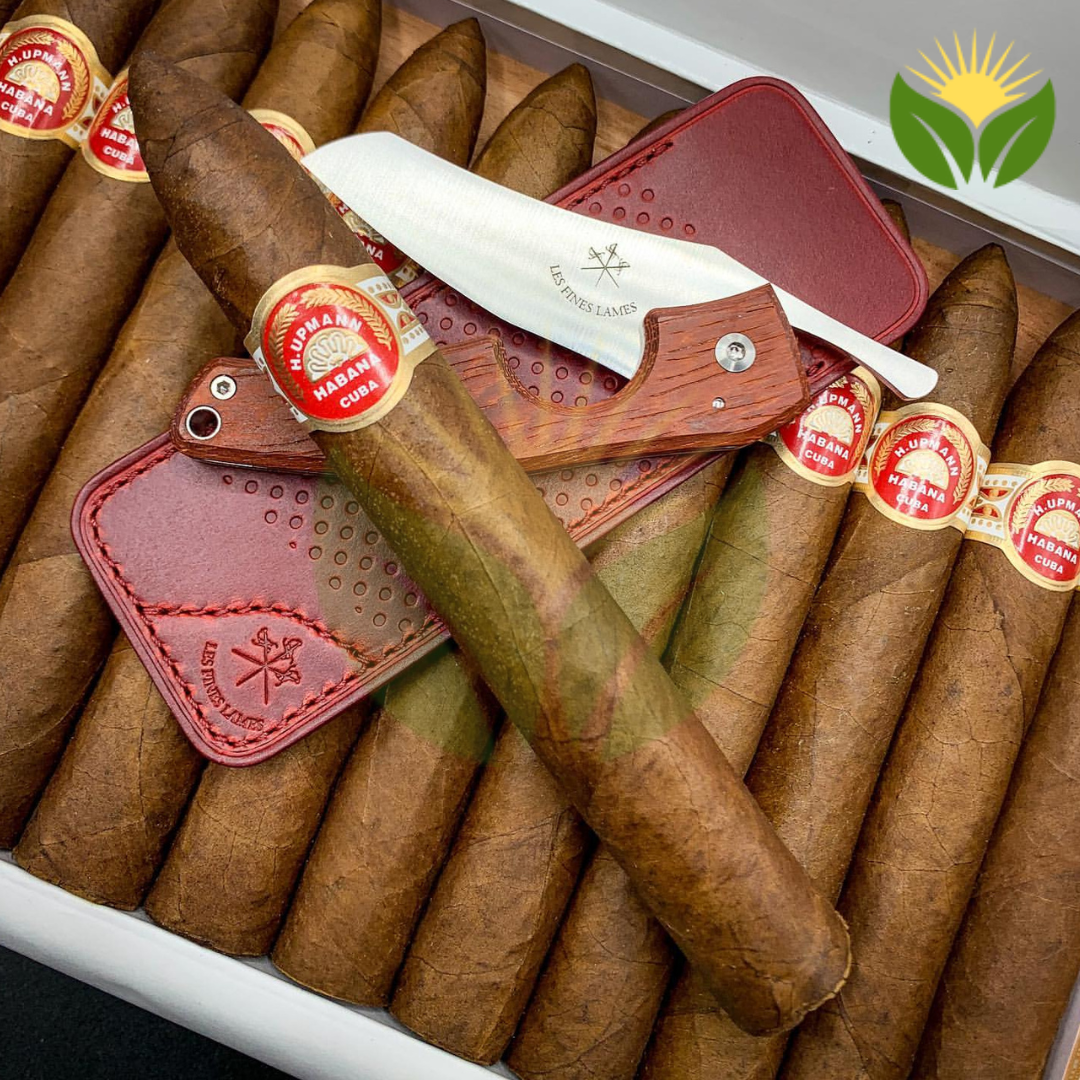
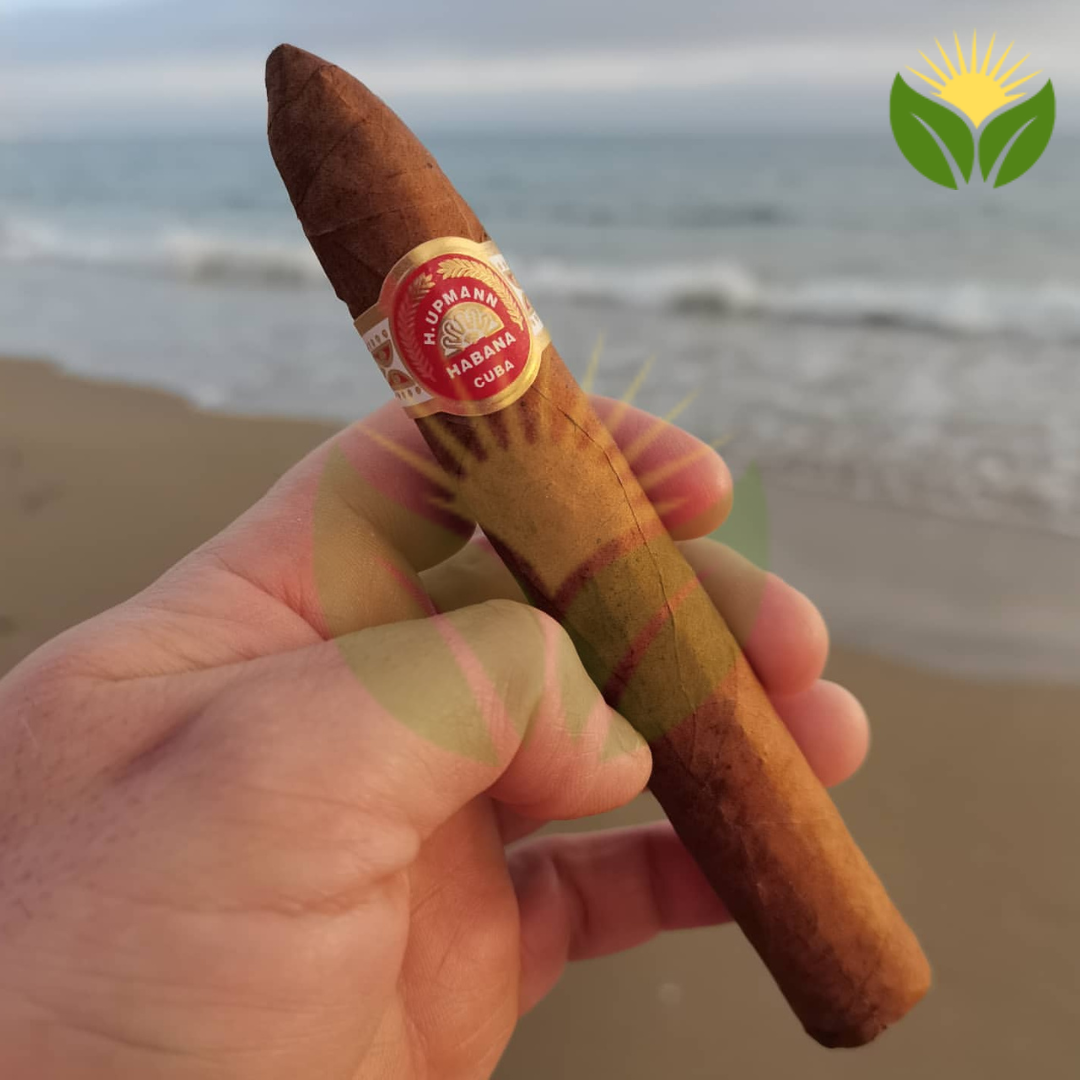
This isn’t a cigar for showing off – the standard band is understated, the construction is handmade excellence from Vuelta Abajo tobacco, and the whole experience just feels… refined? Not stuffy, but refined. I’ve smoked these on fishing trips and at black-tie events, and they fit both perfectly. The wrapper has this beautiful Cuban sheen – not quite maduro territory, but richer than your typical colorado. Dress box presentation is gorgeous if you’re gifting them, but honestly, I buy mine loose because I smoke them too fast to care about the packaging.
Who’s this for? Intermediate smokers who want to explore beyond the big three names (Cohiba, Montecristo, you know the drill). Anyone who thinks pyramids are just for show and not substance. And definitely anyone who’s convinced Upmann is boring – this’ll change your mind.
Specifications
| Specification | Details |
|---|---|
| Vitola | Piramides (Torpedo) |
| Length | 6.1 inches / 156 mm |
| Ring Gauge | 52 |
| Wrapper | Cuban (Vuelta Abajo) |
| Binder | Cuban |
| Filler | Cuban blend |
| Strength | Medium |
| Smoking Time | 75-90 minutes |
The Smoking Experience – Why This One Hits Different
The cold draw gives you this subtle sweetness – not sugar sweet, but like honeyed tobacco with a hint of hay. Light it up, and the first few puffs are creamy, almost buttery. The torpedo shape means you’re getting a concentrated draw right from the start, and that first third is all about smooth cedar notes with touches of white pepper on the retrohale. Not aggressive at all, just letting you know it’s there.
Construction? Flawless every time I’ve had one. And I’ve probably smoked – what, thirty or forty of these over the years? The burn line stays razor sharp, the ash holds for a good inch and a half before you need to tap it. That handmade quality shows itself in the consistency. I genuinely don’t remember ever having to touch up or relight one of these, which says something.
Middle section is where things get interesting – wait, let me back up. You know how some cigars just flatline after the first third? Not this one. Around the halfway mark, you start picking up these leather notes, maybe some coffee, and the whole profile deepens without getting harsh. The pepper kicks up just a notch, enough to keep your attention but not enough to blow out your palate. This is the sweet spot where I usually pair it with whatever I’m drinking.
Final third – and this is where the torpedo design really shows its value – concentrates everything beautifully. The smoke gets richer, creamier even, with touches of cocoa coming through. Some earth, some spice, but it never turns bitter or hot like lesser pyramids do when you get down to the nub. I’ve smoked these down to where I’m burning my fingers because I don’t want them to end. The retrohale in this final section? Toasted nuts and cedar. Absolutely beautiful.
The ash is this gorgeous light gray throughout, solid and compact. And the smoke output – not one of those wimpy thin streamers, but proper thick clouds that hang in the air. If you’re smoking outside on a still evening, you’ll leave a trail.
How It Stacks Up
| Cigar | Strength | Smoking Time | Best For |
|---|---|---|---|
| H. Upmann No. 2 | Medium | 75-90 minutes | Afternoon relaxation, sophisticated occasions |
| Montecristo No. 2 | Medium-Full | 80-100 minutes | After dinner, special celebrations |
| Bolivar Belicosos Finos | Full | 70-85 minutes | Evening smoke, experienced palates |
What to Drink With It
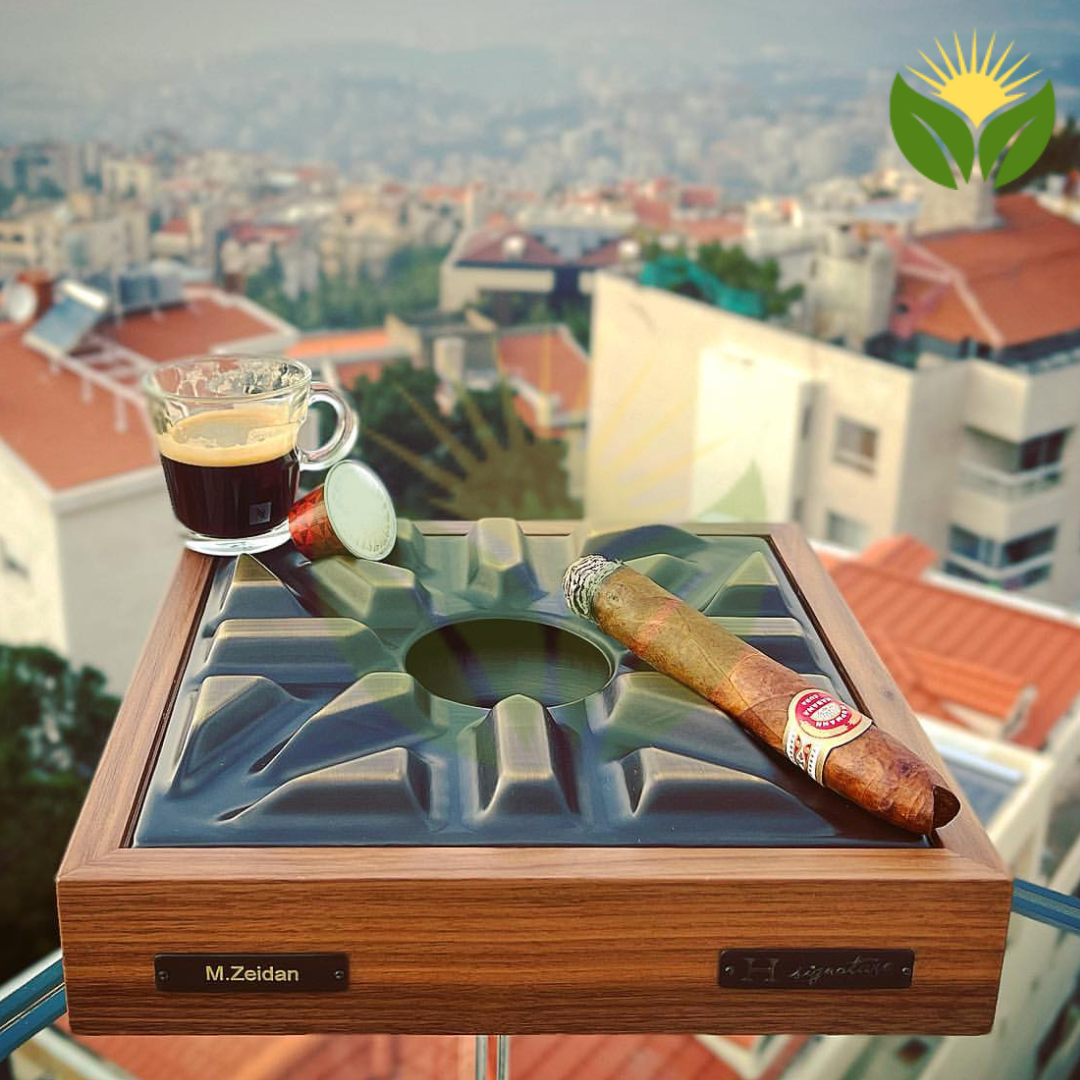
Coffee works beautifully – I’m talking a proper Cuban espresso or even a flat white if you’re having this mid-afternoon. The creaminess of milk coffee complements that buttery first third perfectly. For spirits? Single malt scotch is my go-to. Something like Glenfiddich 15 or even a peated Islay if you want contrast rather than harmony. The smoke can handle it.
Rum is the obvious Cuban pairing, and yeah, a nice aged rum like Havana Club 7 or Diplomatico Reserva Exclusiva won’t steer you wrong. But honestly? I’ve had these with bourbon (Woodford Reserve hits different with the No. 2), with cognac, even with a good red wine – Rioja or Malbec territory.
Occasion-wise, this is versatile as hell. Morning? Probably too much cigar. But late morning through evening? Fair game. I’ve smoked these on golf courses, at poker nights, during those long conversations on the patio that stretch into three hours. The 75-90 minute smoking time means you need to commit, but that’s part of the appeal.
Pairing Suggestions
Is the H. Upmann No. 2 discontinued?
No, and thank God for that. The No. 2 is still in regular production and has been a core part of the H. Upmann lineup for decades. It’s one of those classic Cuban cigars that Habanos S.A. would never discontinue because it’s too important to the brand’s identity. You might see availability fluctuate depending on your retailer and current production runs, but it’s definitely still being made.
How does the No. 2 compare to Montecristo or Cohiba?
Different animals entirely, but I’ll try to explain. The Montecristo No. 2 is fuller, more in-your-face with flavor – great cigar, but it demands attention. Cohiba? You’re paying for the name as much as the tobacco, and yeah, they’re excellent, but also pricier. The H. Upmann No. 2 sits in this sweet spot of refined complexity without the aggressive strength. It’s the gentleman of the three, if that makes sense. Less intimidating for intermediate smokers but still interesting enough for veterans.
What’s the deal with the H. Upmann bands?
H. Upmann uses what they call the standard band – nothing fancy, just classic yellow and red with the brand name. It’s understated compared to the elaborate bands on some other marcas. Some boxes come with additional dress box bands or commemorative bands depending on the release, but the core design hasn’t changed much in years. I actually appreciate the simplicity – lets the cigar do the talking instead of the packaging.
Can beginners smoke the No. 2, or is it too advanced?
Honestly? It’s perfect for someone moving beyond their first few cigars. Not so mild that it’s boring, not so strong that it’ll knock you on your ass. The medium strength means you can enjoy it without worrying about getting nicotine sick, and the flavor complexity gives you something to actually think about and appreciate. I’d say if you’ve smoked maybe ten cigars in your life and enjoyed them, you’re ready for this one.
How long should I age these before smoking?
You can smoke them fresh if you want – they’re good right out of the box. But if you’ve got the patience? Six months to a year of proper humidor time will smooth out any rough edges and let the flavors marry together. I’ve had some that I forgot about for three years, and they were absolutely stunning. The cedar mellows, the cream intensifies, and everything just clicks into place. That said, I rarely have the willpower to wait that long.
Why is it called No. 2?
The numbering system for H. Upmann is sort of historical and arbitrary – it doesn’t mean it’s the second-best or second-largest or anything logical like that. The No. 2 designation just refers to this specific Piramides vitola in their lineup. They’ve got No. 1, No. 2, No. 4 – don’t ask me where No. 3 went. It’s just how Cuban cigar brands numbered their vitolas back in the day, and the names stuck around because tradition matters in this world.
What’s the proper way to cut a pyramid shape like this?
Shallow cuts, my friend. The whole point of a torpedo is that tapered head, so you want to preserve that shape. Cut too much and you might as well be smoking a parejo. I use a straight cut about a quarter inch from the tip – just enough to open it up for a good draw without losing the concentration effect. Some people like punch cuts on torpedos, but I think you lose too much of what makes the shape special. V-cut works too if that’s your style, but straight and shallow is my move.
Final Thoughts From the Humidor
The H. Upmann No. 2 doesn’t scream for attention, and maybe that’s why it gets overlooked. But spend an hour and a half with one of these, and you’ll understand why it’s been around since – I don’t even know when they first released this vitola, but it’s been decades. Solid construction, classic Cuban flavor profile without the hefty strength, and versatile enough for almost any occasion. If you’re looking to expand beyond the big-name Cubans everyone talks about, or if you want a torpedo that actually delivers on the promise of that shape, grab a few of these. Just don’t wait too long – production can be spotty depending on the year, and these have a habit of disappearing from inventory when word gets out.
Trust me on this one. Your humidor needs a few.