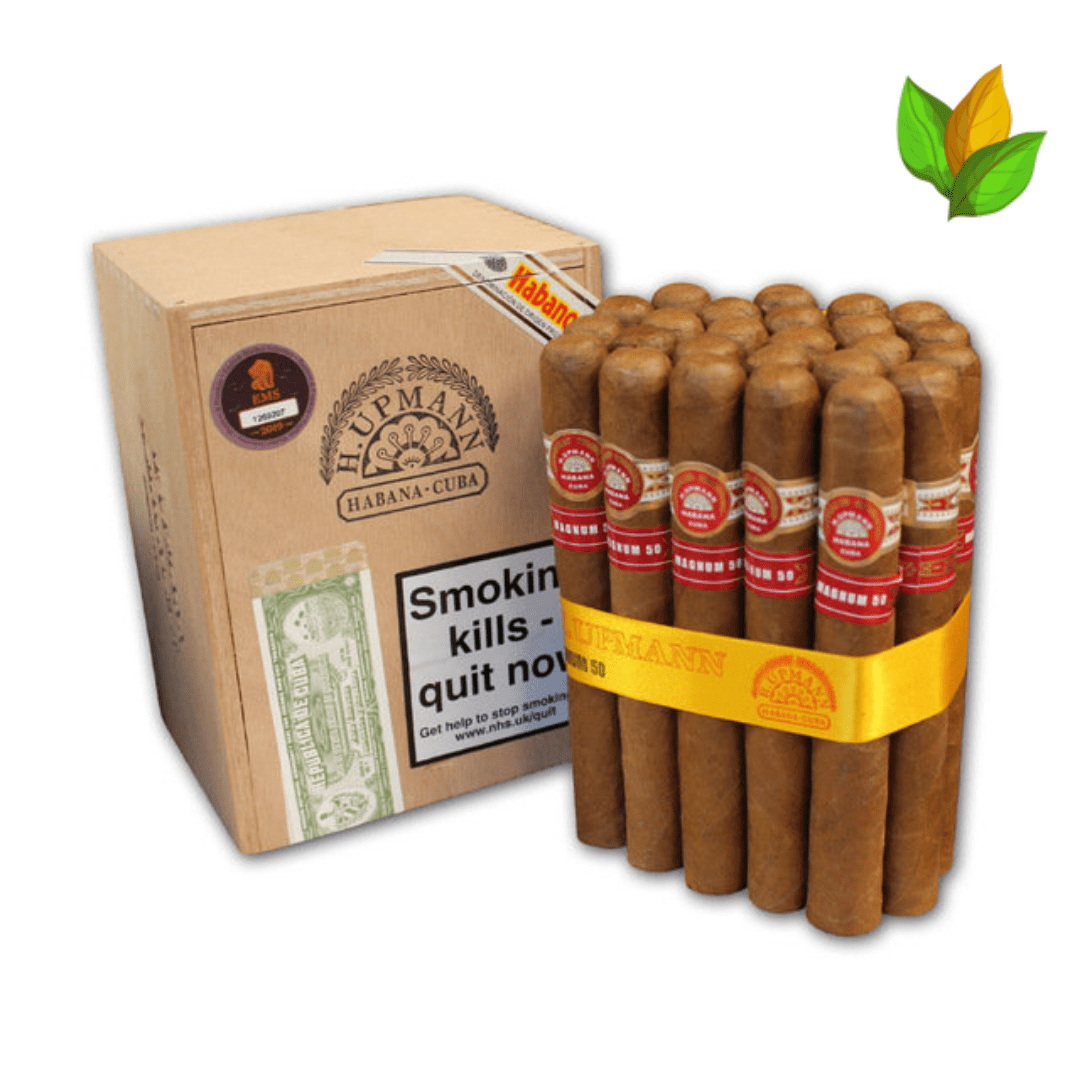

Description
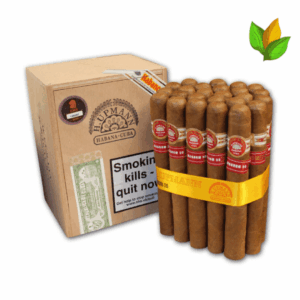
The Magnum 50: H. Upmann’s Modern Classic Done Right
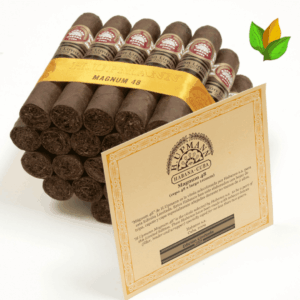
I remember the first time someone handed me a Magnum 50. It was 2008 – maybe 2009? – at a lounge in Miami, and I was skeptical. Another fat robusto trying to be everything to everyone, I thought. Turns out I was completely wrong. This cigar changed how I think about the H. Upmann brand, and honestly, it might be the most approachable Cuban cigar I recommend to people who think they don’t like Cuban tobacco. That’s a bold claim, I know, but stick with me here.
What makes the Magnum 50 different from the rest of the H. Upmann lineup? It’s got this balance that’s hard to explain until you smoke one yourself. Not too mild like some of their other vitolas, but not aggressive either. It sits in this sweet spot that makes it perfect for both morning coffee sessions and evening scotch pairings. The 50 ring gauge gives you enough tobacco to develop complexity without overwhelming your palate, and that Magnum 50 size – well, it’s become iconic for a reason.
What You’re Actually Getting With This Cigar
H. Upmann has been around since 1844, which means they’ve had plenty of time to figure out what works. The Magnum 50 isn’t one of their original vitolas – it’s a relatively modern addition to the line – but it quickly became one of their bestsellers. And I get why.
The tobacco comes from Vuelta Abajo, which if you know Cuban cigars, you know that’s the gold standard region. This isn’t filler from some lesser campo. We’re talking premium leaves throughout the entire blend. The wrapper has this gorgeous golden-brown color with just a slight sheen to it. When these cigars are properly aged – and you really should let them rest if you can – that wrapper develops this almost oily texture that tells you everything’s right inside.
Who’s this cigar for? I’ll be blunt: it’s for people who want a genuine Cuban experience without the pretension. You don’t need to be an expert to appreciate the Magnum 50. It’s forgiving enough for newer Cuban cigar smokers but complex enough that I still reach for them regularly after decades of smoking. That’s actually pretty rare – most cigars fall into one category or the other.
The experience lasts about 60 to 75 minutes depending on how you smoke. I tend to take my time with these, which pushes it closer to 80 minutes, but I know guys who burn through them faster. Your mileage may vary.
| Specification | Details |
|---|---|
| Vitola | Magnum 50 |
| Length | 6.2 inches / 157 mm |
| Ring Gauge | 50 |
| Wrapper | Cuban (Vuelta Abajo) |
| Binder | Cuban |
| Filler | Cuban Blend |
| Strength | Medium to Medium-Full |
| Smoking Time | 60-80 minutes |
How This Thing Actually Smokes
The cold draw gives you this subtle sweetness – almost like honey-roasted nuts – mixed with hay and a touch of barnyard funk that tells you it’s Cuban. Some people don’t like that earthy quality, but to me, that’s part of the charm. If you want clean and sterile, smoke a Dominican.
Light it up and the first third comes at you with cream and wood notes. Cedar, definitely. Maybe a hint of white pepper on the retrohale, but it’s not aggressive. The smoke is thick and creamy, coating your palate in a way that makes you slow down and pay attention. I’ve had some that show a bit of coffee in this early stage, especially if they’ve got a few years on them. The construction is typically solid – these roll well at the factory. Draw resistance is exactly where you want it. Not too loose, not too tight. Just right, like Goldilocks would say.
Second third is where things get interesting. The cream backs off a bit and you start getting leather and toast. Sometimes I pick up almonds or hazelnuts – that nutty quality becomes more pronounced. The pepper builds slightly but never dominates. This is when the cigar really opens up and shows you its complexity. The burn line stays pretty even if you’re not smoking in a wind tunnel. Ash holds for about an inch before dropping, nice and firm, light gray color. That tells you the tobacco was fermented properly.
Final third – and this is important – doesn’t turn harsh or bitter like some Cuban cigars do when you get down to the nub. The Magnum 50 maintains its composure. You get more earth, maybe some cocoa, and the pepper kicks up just enough to remind you it’s there. The sweetness from the first third makes a comeback, which I always appreciate. It’s like the cigar is saying goodbye properly instead of just fading out or punching you in the mouth. I can usually smoke these down to about an inch without any issues. Some vitolas I have to abandon earlier, but not this one.
How Does It Stack Up?
| Cigar | Strength | Smoking Time | Best For |
|---|---|---|---|
| H. Upmann Magnum 50 | Medium to Medium-Full | 60-80 minutes | All-day smoking, versatile occasions |
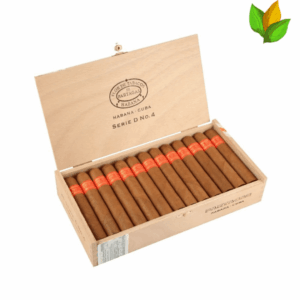
| Partagás Serie D No. 4 | Medium-Full to Full | 50-70 minutes | Experienced smokers, evening sessions |
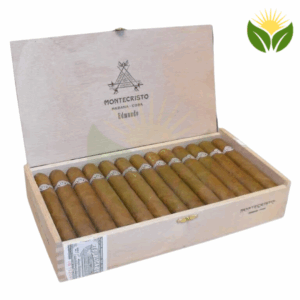
| Montecristo No. 4 | Medium | 45-60 minutes | Classic Cuban experience, beginners |
What to Drink With It (And When to Smoke It)
Coffee works surprisingly well with the Magnum 50, especially in the morning. A good Cuban coffee if you can get it, or a strong espresso. The cigar’s creamy profile doesn’t fight with the bitterness of the coffee – they actually complement each other.
For spirits, I’m reaching for a smooth aged rum. Diplomatico Reserva Exclusiva is my go-to, but any quality rum in the 12-15 year range works beautifully. The sweetness in the rum brings out those honey notes in the first third. If you’re a whisky person, go for something Highland Scotch – Glenmorangie 10 or Glenfiddich 15. Nothing too peaty or you’ll overwhelm the cigar.
Honestly though? Sometimes I just drink water with these. Let the cigar speak for itself without competing flavors. That’s how I did my first full review of this vitola – just water, so I could really understand what the tobacco was telling me.
Timing-wise, this is an afternoon cigar for me. Mid-morning if I’ve had a big breakfast, or late afternoon before dinner. It’s not quite strong enough for my after-dinner slot – that’s when I want something fuller – but it’s perfect for that 3pm to 6pm window. Weekends on the patio with a good book. That’s the sweet spot for the Magnum 50 experience in my world.
How long should I age H. Upmann Magnum 50 cigars before smoking?
If you can resist, give them at least three months after receiving them. They smoke fine fresh, but six months to a year really lets them settle and develop. I’ve got some from 2015 that are absolutely singing right now – the harshness completely gone, just pure flavor. That said, don’t feel like you need to wait years. They’re ready to smoke much sooner than some other Cuban marcas.
What’s the strength level really like for this cigar?
I’d call it a solid medium pushing toward medium-full in the final third. It’s not going to knock you on your butt like a Bolivar, but it’s got more body than your typical H. Upmann offering. If you normally smoke mild cigars exclusively, this might be a step up. For regular Cuban smokers, it’s middle of the road – strong enough to be interesting, mild enough to smoke any time of day without planning your whole schedule around it.
Are H. Upmann Magnum 50s box-worthy or should I buy singles first?
Buy a five-pack or a few singles first if you’ve never had them. I love these cigars, but taste is personal and what works for me might not work for you. That said, if you like medium-bodied Cubans with good construction and classic flavors, you’ll probably want a box. They’re consistent enough that a full box purchase isn’t a huge gamble once you’ve confirmed you like the profile.
How do these compare to other H. Upmann vitolas?
The Magnum 50 is fuller and more complex than the classic sizes like the Connoisseur No. 1 or Half Corona. It’s got more presence, more tobacco to work with. If you’ve tried H. Upmann before and thought they were too mild or one-dimensional, the Magnum 50 might change your mind. It’s what I wish all H. Upmann cigars smoked like, if I’m being honest.
What humidity level should I store these at?
I keep mine at 65% RH and they smoke beautifully. Some people go higher with Cubans, up to 68-69%, but I find that makes the draw tighter and the burn less even. Lower than 63% and you start losing some of that oily texture in the wrapper. Somewhere between 63-66% is the sweet spot in my experience. And keep them away from your stronger cigars – these will pick up flavors from aggressive neighbors if you’re not careful.
Do I need to punch or cut these cigars?
Straight cut for me, every time. A good guillotine cutter about 2mm from the cap. I know some people love their V-cuts or punches, but the Magnum 50’s ring gauge works best with a straight cut in my opinion. You want that full draw to appreciate all the smoke production this vitola offers. Punch it and you might restrict the draw more than you’d like.
Are recent production years as good as older ones?
Recent production has been solid – I’d say 2019 forward has been pretty consistent in my experience. Yeah, everyone loves to talk about legendary boxes from 2008 or 2012, and those are great, but don’t sleep on current production. The quality control seems better than it was in the mid-2010s when things got spotty. Will these age into legends? Who knows. But they smoke well now, which is what matters most to me.
Final Thoughts From the Humidor
The H. Upmann Magnum 50 isn’t the most exciting cigar in the Cuban catalog, but that’s kind of why I love it. It’s reliable. It delivers a quality experience every single time without demanding anything special from you. No babysitting the burn line, no construction issues, no harsh surprises in the final third. Just solid, well-made Cuban tobacco that tastes like it should.
If you’re building a Cuban rotation – and really, every serious cigar smoker should have at least a few Cubans in their collection – the Magnum 50 deserves a spot. It’s that dependable option you reach for when you want something good but don’t want to overthink it. Those are the cigars that end up becoming favorites, the ones you actually smoke instead of just collecting.
Add some to your humidor. Give them a few months if you can wait. Light one up on a Saturday afternoon with nothing else to do but enjoy it. That’s when you’ll understand what I’m talking about. This is what a modern Cuban classic looks like.